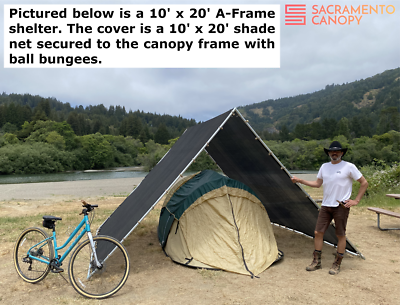
Are you planning an outdoor event and want a reliable shelter that’s easy to set up? An A Frame Tent Frame might be exactly what you need.
This sturdy structure offers strong support and simple assembly, making your event stress-free. Whether it’s a wedding, party, or market stall, understanding the right frame can make all the difference. Keep reading to discover how an A Frame Tent Frame can protect your guests, save you time, and give your event a professional touch.
Types Of Frame Tents
Frame tents are popular for outdoor events. They have a strong frame that holds the tent fabric up.
There are different frame materials. Each type has its own benefits and uses.
Aluminum Frame Tents
Aluminum frame tents are light and easy to move. They resist rust and last a long time.
These tents are good for events where you need to set up fast. They work well in wet weather.
Steel Frame Tents
Steel frame tents are very strong and heavy. They can hold up in strong wind and snow.
They need more effort to move and set up. Steel frames are best for long-term use.
Hybrid Frame Options
Hybrid frames combine aluminum and steel parts. They balance strength and weight.
These tents offer good durability and easier transport than all-steel frames.
- Aluminum legs with steel connectors
- Steel base with aluminum upper frame
- Designed for medium to large tents
Key Features Of Durable Frames
A Frame tent frames are known for their durability. They are designed to withstand various outdoor conditions. Let’s explore some key features of these robust frames.
Understanding the materials and construction can help you choose the right frame. Here are some important aspects to consider.
Material Strength And Quality
The strength of a frame depends on the material used. High-quality metals like aluminum and steel are common. They provide excellent support and are lightweight.
These materials resist bending and breaking. This ensures that the frame can handle the weight of the tent and external forces.
Weather Resistance
Weather resistance is crucial for outdoor events. Frames are often treated to withstand rain, wind, and sun. Protective coatings prevent rust and corrosion.
These features ensure that the tent remains stable. This is essential during unpredictable weather conditions.
Joint And Connector Design
The joints and connectors play a vital role in stability. A well-designed connector ensures a tight fit. This prevents wobbling and movement.
Strong joints contribute to the overall durability. They make the frame reliable and safe for use.
- Precision-engineered joints enhance stability
- Durable connectors prevent accidental disassembly
- Easy-to-use designs simplify setup
Benefits Of Frame Tents
Frame tents offer practical solutions for many events. They provide shelter without many limits on space or setup.
Understanding the benefits helps you choose the right tent for your needs. Frame tents stand out for their design and ease of use.
Versatility And Space
Frame tents work well on many surfaces like concrete, grass, or asphalt. They do not need to be staked into the ground, making them flexible for urban or indoor locations.
- Can be set up on hard or soft surfaces
- Available in many sizes to fit different groups
- Open sides allow for good air flow and movement
- Easy to add walls or windows for weather protection
No Need For Center Poles
Frame tents use a strong metal frame to hold up the roof. This design removes the need for center poles inside the tent.
| Feature | Benefit |
| No center poles | More open space for guests and furniture |
| Strong frame | Stable in different weather conditions |
| Easy access | Guests can move freely inside the tent |
Easy Customization
Frame tents allow simple changes to fit your event style. You can add sidewalls, lighting, or flooring to match your needs.
- Clear or solid sidewalls
- Decorative lighting
- Heating or cooling units
- Flooring for uneven ground
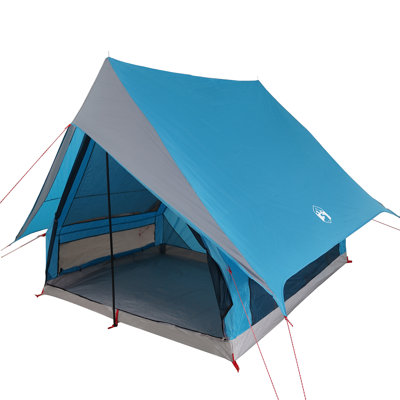
Credit: www.wayfair.ca
Choosing The Right Frame Tent
Selecting the right frame tent is key for a successful event. The tent must fit your needs and setting well.
Consider size, event type, location, budget, and how long you need the tent.
Size And Capacity Considerations
Measure the number of guests and the space you need inside the tent. Allow room for tables, chairs, and walkways.
- Small tents hold up to 20 people
- Medium tents fit 20 to 50 people
- Large tents can host over 50 guests
Event Type And Location
Match the tent style to your event type. A formal event needs a different tent than a casual party.
| Event Type | Recommended Tent Style | Location Tips |
| Wedding | White frame tent with sidewalls | Flat ground, avoid windy spots |
| Corporate | Clear top frame tent | Near building entrances |
| Festival | Large open-frame tent | Open fields with good drainage |
Budget And Longevity
Decide how long you need the tent. Short events may require rentals. Long use may need buying a durable frame.
Tips to balance cost and quality:
- Set a clear budget before choosing
- Check material strength and warranty
- Consider rental vs. purchase cost
- Think about storage and maintenance
Step-by-step Setup Process
Setting up an A Frame Tent Frame is easier with clear steps. Follow this guide to put up your tent safely and quickly.
This process covers site preparation, frame assembly, attaching the canopy, and securing the tent.
Site Preparation
Choose a flat, level area free of rocks and sharp objects. Clear debris and check for underground utilities before you start.
Mark the space to match the tent’s size. This helps you place the frame correctly.
Frame Assembly
Lay out all frame parts on the ground. Check that you have all poles and connectors before you begin.
- Connect the base poles to form the tent’s footprint.
- Attach the vertical poles to the base corners.
- Join the top ridge pole to the vertical poles.
- Secure all connectors tightly to prevent movement.
Attaching The Canopy
Spread the canopy fabric over the assembled frame. Align the corners of the canopy with the frame corners.
| Canopy Part | Attachment Method |
|---|---|
| Corner Tabs | Hook onto frame corners |
| Side Straps | Wrap and fasten around side poles |
| Ridge Clips | Snap onto top ridge pole |
Double-check all fastenings to make sure the canopy is tight and wrinkle-free.
Securing The Tent
Drive stakes into the ground at each corner through the frame loops. Use guy ropes to add extra support.
- Place stakes at a 45-degree angle away from the tent.
- Tighten guy ropes evenly on all sides.
- Check the tent’s stability before use.
Maintenance Tips For Longevity
Keeping your A frame tent in good shape helps it last longer. Regular care protects the frame and fabric from damage. Simple steps can save you money and effort later.
Follow these tips to clean, store, and inspect your tent properly. This will keep it safe and ready for your next use.
Cleaning The Frame And Fabric
Clean the frame and fabric after every use. Dirt and moisture can cause rust and mildew. Use mild soap and water for washing.
- Wipe the frame with a damp cloth to remove dirt.
- Use a soft brush to clean the fabric gently.
- Rinse fabric with clean water to remove soap.
- Let the tent dry completely before storing.
- Avoid harsh chemicals that can damage materials.
Storage Best Practices
Store the tent in a dry, cool place away from sunlight. Proper storage prevents mold and frame corrosion.
| Storage Tip | Why It Matters |
| Keep tent dry before packing | Prevents mold and fabric damage |
| Store in a breathable bag | Allows air circulation to avoid mildew |
| Place tent off the ground | Avoids moisture and pests |
| Avoid direct sunlight | Prevents fabric fading and weakening |
Regular Inspection And Repairs
Check your tent often for damage. Fix small problems quickly to avoid bigger issues. Pay close attention to joints and fabric tears.
- Look for rust or loose screws on the frame.
- Check fabric for holes, tears, or worn spots.
- Tighten or replace any loose parts.
- Patch small fabric tears with repair tape or patches.
- Test the tent setup to ensure stability.
Common Setup Challenges
Setting up an A frame tent can be tricky. Many users face common problems during the process.
This guide covers some of the main challenges and how to handle them for a smooth setup.
Uneven Ground Solutions
Uneven ground can make it hard to set the tent frame straight. This can cause instability and stress on the frame.
To fix this, try to find the flattest spot possible. Use small rocks or wooden blocks to level the legs of the tent.
- Clear debris and flatten the area
- Place boards or flat stones under legs
- Adjust leg length if adjustable
- Check stability before securing stakes
Dealing With Windy Conditions
Wind can move or damage the tent frame if not secured well. Strong winds increase the risk of collapse.
Use heavy stakes and tie-down ropes to anchor the tent. Position the tent with the narrow end facing the wind.
- Use longer, stronger stakes
- Tighten all ropes and lines
- Place windbreaks if possible
- Check tension regularly during strong winds
Troubleshooting Frame Issues
Sometimes the frame parts may not fit or lock properly. Bent or damaged poles cause problems during setup.
Inspect each frame piece before setup. Replace bent parts and clean joints to ensure smooth fitting.
- Check for bent or broken poles
- Clean dirt and debris from connectors
- Lubricate joints if they stick
- Use a rubber mallet to fit tight joints
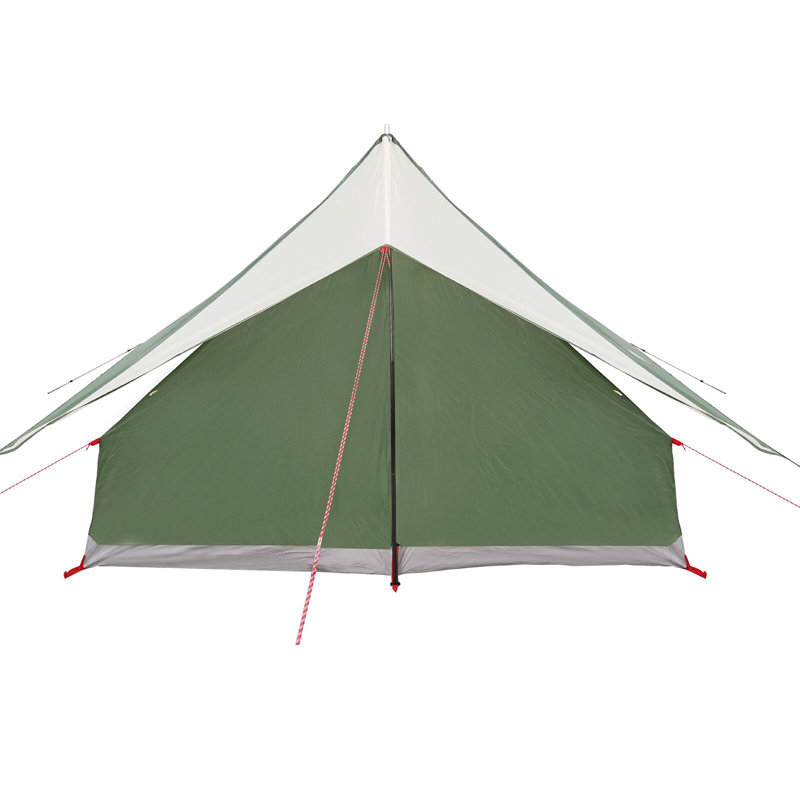
Credit: www.wayfair.ca
Popular Accessories And Add-ons
A frame tents offer a strong and simple shelter option. You can add many accessories to improve comfort and function. These add-ons help you customize the tent for any event or weather.
This guide covers popular accessories for sidewalls, flooring, lighting, and heating. Each section explains how these options enhance your tent setup.
Sidewalls And Doors
Sidewalls protect from wind and rain. They also add privacy and help keep the temperature steady. You can choose from solid, clear, or windowed walls. Doors come in zippered or roll-up styles for easy access.
- Solid sidewalls block wind and provide privacy
- Clear sidewalls let in light and views
- Windowed sidewalls offer a mix of light and shelter
- Zippered doors close securely
- Roll-up doors improve ventilation
Flooring Options
Flooring adds comfort and keeps dirt out. Different materials suit different needs. Some floors are easy to clean while others add style and warmth.
| Flooring Type | Benefit | Best Use |
|---|---|---|
| Interlocking tiles | Easy to install and clean | Events and trade shows |
| Carpet | Adds warmth and comfort | Weddings and parties |
| Wooden flooring | Sturdy and stylish | Formal events |
| Vinyl flooring | Waterproof and durable | Outdoor events |
Lighting And Heating
Good lighting and heating extend tent use into cooler evenings. You can pick from many styles and power options to fit your needs.
Common lighting and heating add-ons include:
- LED string lights for a soft glow
- Portable propane heaters for warmth
- Battery-powered lanterns for easy setup
- Electric heaters for larger tents
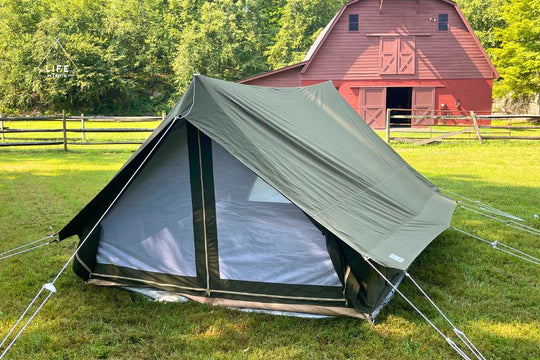
Credit: www.lifeintents.com
Frequently Asked Questions
What Is An A Frame Tent Frame?
An A Frame Tent Frame is a sturdy, triangular structure that supports tent fabric. It provides stability and shape, making it ideal for outdoor events and camping.
How Do You Assemble An A Frame Tent Frame?
Assembly involves connecting metal poles to form an A shape. Secure the frame with bolts or clips, then attach the tent fabric over it for a stable setup.
What Materials Are Used For A Frame Tent Frames?
Common materials include aluminum, steel, and sometimes fiberglass. Aluminum is lightweight, steel offers strength, and fiberglass provides flexibility and weather resistance.
Are A Frame Tent Frames Weather Resistant?
Yes, most A Frame Tent Frames are designed to withstand wind and rain. Materials like powder-coated steel resist rust, ensuring durability in various weather conditions.
Conclusion
A frame tent frame offers strong support and easy setup. It suits many events and weather conditions well. The simple design helps save time and effort during installation. This type of frame keeps the tent stable and safe for guests.
Choosing the right size and material improves comfort and durability. A frame tent frame remains a smart choice for outdoor gatherings. It blends convenience with reliability, making your event smooth and enjoyable. Trust this structure to provide a solid base for your tent needs.