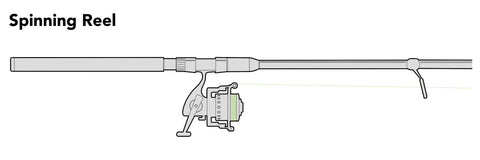
Are you ready to spend more time fishing and less time fixing your gear? Knowing how to put fishing line on a reel the right way can save you from tangled messes and lost catches.
If you’re new to fishing, this simple skill might seem tricky, but don’t worry—you’re about to learn a foolproof method that makes your setup smooth and hassle-free. Keep reading, and you’ll gain the confidence to prepare your reel quickly, so your next fishing trip is all about fun and success.

Credit: www.youtube.com
Choosing The Right Fishing Line
Picking the right fishing line is key for a good fishing experience. The line affects how you cast, catch, and handle fish.
There are many types and sizes of fishing lines. Knowing their features helps you choose the best one for your reel and fishing style.
Types Of Fishing Lines
Fishing lines come in three main types: monofilament, fluorocarbon, and braided. Each type has unique traits.
- Monofilament:Flexible and easy to handle. Good for beginners.
- Fluorocarbon:Nearly invisible underwater. Great for clear water fishing.
- Braided:Very strong and thin. Best for heavy cover and big fish.
Line Strength And Thickness
Strength and thickness matter. Stronger lines hold bigger fish. Thinner lines cast farther and are less visible.
| Line Type | Strength Range (lbs) | Typical Diameter (inches) |
| Monofilament | 4 – 30 | 0.008 – 0.035 |
| Fluorocarbon | 6 – 40 | 0.007 – 0.030 |
| Braided | 10 – 80 | 0.006 – 0.020 |
Selecting Line For Your Reel
Match your line to your reel’s size and fishing type. Too thick or too strong line can cause problems.
- Check your reel’s maximum line capacity on the spool.
- Use lighter lines for small reels and light fishing.
- Choose stronger lines for heavy reels and big fish.
- Consider line stretch and visibility for your fishing conditions.
Preparing Your Reel
Getting ready to put fishing line on a reel is important. It ensures smooth casting and reeling. Follow these steps to prepare your reel for a successful fishing trip.
Removing Old Line
Old fishing line can cause problems if not removed. First, find the end of the line on your reel. Pull the line off until the spool is empty.
- Cut the line with scissors if it tangles.
- Dispose of old line properly to protect wildlife.
Cleaning The Reel
A clean reel performs better. Use a soft cloth to wipe away dirt and dust. Check for salt buildup if you fish in saltwater.
- Remove the spool to clean it separately.
- Apply a light oil to moving parts for smooth operation.
Setting Up The Reel For Spooling
Proper setup makes spooling easy. Choose the correct line for your reel. Pass the line through the rod guides and attach it to the spool.
- Secure the line with an arbor knot.
- Keep tension on the line to avoid tangles.
Attaching The Line To The Reel
Putting fishing line on a reel is easy if you follow a few steps. Start by attaching the line firmly to the reel. This helps you avoid tangles and loss of line.
In this guide, you will learn how to thread the line, tie it to the spool, and secure the knot properly.
Threading The Line Through Guides
First, pull the fishing line from the spool. Pass the line through the rod guides. Start from the tip of the rod and move toward the reel.
Make sure the line goes through each guide in order. This helps the line flow smoothly when casting.
Tying The Line To The Spool
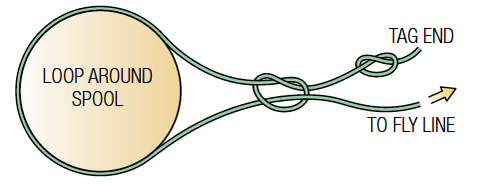
Next, wrap the line around the spool of the reel. Leave enough line to make a knot. The knot should hold the line tight to the spool.
Use a simple knot like the Arbor knot. This knot works well for beginners and holds the line securely.
- Wrap the line around the spool once.
- Tie an overhand knot around the main line.
- Tighten the knot close to the spool.
Securing The Knot
After tying the knot, pull the line tight. Make sure the knot sits flat against the spool. This keeps the line from slipping.
Trim any extra line close to the knot. This prevents loose ends from catching or unraveling.
- Pull the knot firmly to check strength.
- Trim excess line close to the knot.
- Start winding the line onto the spool slowly.
Credit: monsterbass.com
Spooling The Line Correctly
Putting fishing line on a reel is a key skill for beginners. Correct spooling helps you cast smoothly and avoid problems. This guide covers important tips to spool your line right.
Focus on maintaining tension, avoiding twists, and filling the spool properly. These steps keep your line strong and ready for fishing.
Maintaining Tension
Keeping the line tight while spooling is important. Loose line can cause tangles or bird nests. Use your fingers or a cloth to hold the line firmly as you reel it in.
- Apply steady pressure with your fingers
- Ask a friend to hold the spool if needed
- Make sure the line feeds evenly onto the reel
- Keep tension consistent during the entire process
Avoiding Twists And Tangles
Line twists cause casting problems and weaken your setup. To avoid twists, let the line come off the spool smoothly. Check that the line spool rotates in the same direction as the reel.
| Cause of Twist | How to Prevent |
|---|---|
| Line spool fixed in place | Allow the spool to spin freely |
| Reeling against line direction | Match spool rotation with reel winding |
| Too much slack line | Keep tension steady during spooling |
Filling The Spool To The Right Level
Do not overfill or underfill the reel spool. Overfilling causes line to slip off. Underfilling reduces casting distance.
- Fill spool until the line is about 1/8 inch from the spool edge
- Check line level often while spooling
- Stop adding line if it reaches the spool edge
Finishing Touches
After you put the fishing line on the reel, some final steps help prepare your gear. These finishing touches make sure the reel works well and lasts longer.
Pay attention to small details for a smooth fishing experience. These tips will guide you through the last part of the process.
Trimming The Line
Cut the fishing line neatly after winding it on the reel. Leave a little extra line, about 6 inches, to tie your lure or hook.
Use sharp scissors or a line cutter to avoid frayed ends. A clean cut helps prevent tangles and line breaks.
Testing The Reel
Turn the handle of the reel to check if the line moves smoothly. The line should come off easily without sticking or slipping.
Pull the line gently to feel the drag system. Adjust the drag if it feels too tight or too loose for your fishing style.
- Spin the reel handle slowly and evenly
- Check for any odd noises or resistance
- Test the drag by pulling on the line
- Adjust drag knob to suit your needs
Storing Your Reel Properly
Keep your reel in a dry place after use. Moisture can cause rust and damage the reel parts.
Loosen the drag before storing. This helps keep the internal springs in good shape.
- Store reel in a protective case or bag
- Keep it away from direct sunlight and heat
- Check line for damage before next use
Common Mistakes To Avoid
Putting fishing line on a reel seems easy. Many beginners make errors that cause problems later. Learning common mistakes helps you get better results.
This guide covers mistakes like overfilling the spool, using the wrong knot, and ignoring line maintenance. Avoid these to enjoy smooth fishing.
Overfilling The Spool
Overfilling the spool causes line tangles and casting trouble. The spool needs space to let the line move freely. Too much line leads to knots and snags.
- Fill the spool about 1/8 inch from the edge
- Do not pack the line tightly
- Use the right amount for your reel size
Using The Wrong Knot
Choosing the wrong knot weakens your line and may cause it to slip. Some knots work better with certain lines and reels. Learning a few strong knots is important.
| Knot | Best For | Strength |
| Improved Clinch Knot | Monofilament line | High |
| Palomar Knot | Braided line | Very High |
| Uni Knot | All types | High |
Ignoring Line Maintenance
Fishing line breaks down over time. Salt, dirt, and sun damage it. Ignoring line care causes sudden breaks and lost fish. Regular checks and cleaning keep line strong.
- Rinse line with fresh water after saltwater fishing
- Check for frays or weak spots before use
- Replace line every season or after heavy use

Credit: www.youtube.com
Frequently Asked Questions
How Do I Choose The Right Fishing Line For Beginners?
Select a line based on your fishing type and target fish. Monofilament is great for beginners due to its flexibility and ease of use. Consider line strength, length, and water conditions to ensure optimal performance and durability.
What Is The Best Way To Attach Fishing Line To A Reel?
Start by threading the line through the reel’s guide. Tie a secure knot like the arbor knot around the spool. Ensure the line is tight and evenly distributed to avoid tangles and improve casting efficiency.
How Much Fishing Line Should I Put On My Reel?
Fill the reel spool about 80% full to prevent line overflows. Overfilling can cause tangles, while underfilling limits casting distance. Adjust based on the reel size and fishing conditions for best results.
Can I Use Any Fishing Line On Spinning Reels?
Yes, but monofilament and fluorocarbon lines work best on spinning reels. They are flexible and less prone to tangling. Braided lines need special handling and may require a leader to reduce visibility and abrasion.
Conclusion
Putting fishing line on a reel is simple with practice. Follow each step carefully and take your time. Choose the right line and reel for your fishing needs. Keep the line tight and avoid twists while winding. Check your work before you start fishing.
This skill helps you enjoy fishing more and catch fish easily. Try it a few times to get comfortable. Enjoy your fishing trips with confidence and success.