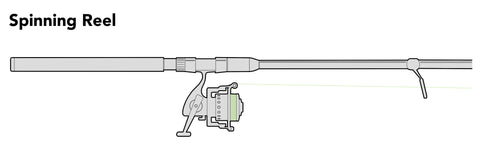
Learning how to string a fishing rod might seem tricky at first, but once you get the hang of it, it becomes second nature. Imagine heading out to your favorite fishing spot, knowing your rod is perfectly set up and ready to catch the big one.
This guide will walk you through each simple step, so you can save time, avoid frustration, and spend more moments enjoying the water. By the end, you’ll feel confident and ready to tackle your next fishing adventure like a pro.
Let’s get started!

Credit: www.youtube.com
Choosing The Right Line
Choosing the right fishing line is important for a good fishing experience. The line affects how you cast, catch fish, and handle your rod and reel.
This guide explains different types of fishing lines, line strength and thickness, and how to match the line to your rod and reel.
Types Of Fishing Lines
There are three main types of fishing lines. Each type has its own features and uses.
- Monofilament:A single strand of nylon. It is flexible and easy to handle.
- Fluorocarbon:Harder to see underwater. It sinks faster and resists abrasion.
- Braided:Made of many small fibers woven together. It has high strength and low stretch.
Line Strength And Thickness
Line strength is how much weight the line can hold before breaking. Thickness affects casting distance and sensitivity.
| Line Type | Typical Strength Range | Thickness |
|---|---|---|
| Monofilament | 4 to 30 pounds | Medium |
| Fluorocarbon | 6 to 40 pounds | Thin to medium |
| Braided | 10 to 80 pounds | Thin |
Matching Line To Rod And Reel
Match the line strength to your rod and reel’s recommended limits. Using the right line keeps your gear safe and works well.
- Check the rod’s line weight range, usually printed on the rod.
- Choose a line strength within that range.
- Use lighter lines for small fish and heavier lines for big fish.
- Consider your reel’s spool size to avoid overloading it.
Preparing Your Rod And Reel
Getting ready to string your fishing rod is an important step. You need to ensure everything is set up correctly for a successful fishing trip.
Follow these steps to make sure your rod and reel are prepared properly. This will help you avoid any mishaps while out on the water.
Attaching The Reel
First, you need to attach the reel to the rod. Ensure the reel is compatible with your rod. This is crucial for balance and performance.
- Check that the reel seat is clean and free of debris.
- Align the reel foot with the reel seat on the rod.
- Secure the reel by tightening the reel seat screws.
Checking The Guides
Examine each guide on the rod to ensure they are not damaged. The line will run through these guides, so they must be smooth and intact.
Spooling The Line
Now, it’s time to spool the line onto your reel. Make sure you use the right type and weight of line for your fishing needs.
| Line Type | Best Use |
| Monofilament | General fishing |
| Braid | Heavy cover |
| Fluorocarbon | Clear water |
Start by tying the line to the spool using a secure knot. Then, slowly turn the reel handle to wind the line evenly onto the spool.
Threading The Line Through Guides
Threading the fishing line through the rod guides is an important part of setting up your fishing rod. This process helps the line run smoothly and prevents tangles while casting and reeling.
Follow the correct steps to ensure the line passes through each guide properly. This will make your fishing experience easier and more enjoyable.
Starting From The Reel
Begin by pulling the fishing line from the reel. Make sure the reel is secure and the line is free of knots. Attach the line to the reel spool if it is not already tied.
Hold the rod steady with one hand and use the other hand to guide the line.
Running The Line To The Tip
Pass the line through each guide from the bottom near the reel up to the tip of the rod. The guides are the small rings along the rod’s length.
- Start with the guide closest to the reel.
- Thread the line through each guide in order.
- Keep the line tight but not too tight.
- Make sure the line does not twist or tangle.
- Finish by threading the line through the tip-top guide.
Ensuring Smooth Passage
Check the line’s movement through the guides to avoid snags. Smooth passage allows for better casting and less wear on the line.
| Tip | Reason |
|---|---|
| Use a flashlight | To see small guides clearly |
| Apply a small amount of lubricant | Helps the line slide easily |
| Keep the rod steady | Prevents line tangling |
| Inspect guides for damage | Prevents line cuts or breaks |

Credit: www.youtube.com
Tying The Line To The Reel
Tying the fishing line to the reel is an important step before casting. A strong connection keeps the line secure while fishing.
Using the right knot helps avoid line slippage and ensures smooth fishing.
Secure Knot Techniques
Choose a knot that holds tight and is easy to tie. The Arbor knot is a popular choice for attaching line to the reel spool.
Make sure to wrap the line around the reel spool and tie the knot firmly to prevent loosening.
- Wrap the line around the spool once
- Tie an overhand knot with the tag end
- Make a second overhand knot on the tag end
- Pull both knots tight against the spool
Avoiding Slippage
Slippage happens when the line slips off the reel spool. It can cause fishing problems and lost fish.
To avoid slippage, wet the line before tightening the knot. This reduces friction and helps the knot hold better.
- Use knots known for good grip, like the Arbor or Improved Clinch knot
- Wrap the line tightly around the spool
- Keep the knot snug when pulling it tight
- Check the line for damage before tying
Testing The Knot Strength
After tying, test the knot to make sure it holds. A weak knot can break under pressure.
Pull the line firmly by hand and watch the knot. It should not slip or come loose.
- Pull the tag end and main line hard
- Look for any slipping or loosening
- Retie the knot if it moves or feels weak
- Test knots before fishing each time
Spooling The Line Correctly
Spooling a fishing rod right helps you catch fish without trouble. The line must go on the reel smoothly and tightly. It avoids problems like tangles and breaks.
This guide covers key points to spool your line well. Focus on keeping tension, stopping twists, and filling the reel spool properly.
Maintaining Proper Tension
Keep steady tension on the line as you spool it. Too loose, the line can wrap unevenly. Too tight, it might snap or damage the reel.
- Hold the line between your fingers to keep it tight.
- Ask a helper to turn the reel slowly while you control the line.
- Make sure the line lays flat and close together on the spool.
- Check tension often and adjust your grip if needed.
Preventing Twists And Tangles
Line twists cause knots and weak spots. They spoil casting and fishing. Avoid twists by spooling the line the right way.
Try these tips to prevent twists:
- Use the correct side of the reel to spool line.
- Let the line spool off the filler spool freely without spinning it.
- Check the line as you spool; fix twists before they build up.
- Replace old or damaged line often to reduce twists.
Filling The Reel Spool
Fill the spool right to avoid line slipping or overfilling. The spool should be nearly full but not packed tight.
| Fill Level | Description |
|---|---|
| 1/8 inch below spool edge | Ideal fill level for smooth casting |
| Overfilled | Leads to line slipping and tangles |
| Underfilled | Reduces casting distance and control |
Final Checks Before Fishing
After stringing your fishing rod, it is important to check everything. These checks make sure your setup is safe and ready to fish.
Doing final checks helps avoid problems like line tangles or lost fish. Take a few minutes to inspect your rod and reel carefully.
Trimming Excess Line
Cut off extra fishing line past the knot. Too much line can cause tangles and snagging while fishing.
Use sharp scissors or nail clippers to trim the line close to the knot. Leave a small tail to keep the knot secure.
- Trim about 1/8 inch from the knot
- Check for loose ends that might catch on weeds
- Keep line neat to avoid snags
Adjusting Drag Settings
Set the drag on your reel to control line tension. Proper drag prevents line breakage when a fish pulls hard.
Start with a medium drag setting. Adjust it by turning the drag knob on your reel until it feels right for your line strength.
- Turn drag knob clockwise to increase tension
- Turn counterclockwise to reduce tension
- Test drag by pulling line with your hand
Inspecting The Setup
Look over the entire rod and reel setup before fishing. Check for any damage or loose parts.
Make sure the guides are clean and the line runs smoothly through them. Tighten any loose screws or parts on your reel.
- Check rod guides for cracks or bends
- Ensure reel seat is secure on the rod
- Test reel handle for smooth turning
- Look for frayed or weak spots on the line

Credit: fishingbooker.com
Frequently Asked Questions
How Do I Choose The Right Fishing Line?
Choose a fishing line based on your target fish size and fishing environment. Light lines suit small fish, while heavier lines handle bigger catches. Also, consider line material like monofilament, fluorocarbon, or braided for strength, stretch, and visibility.
What Is The Best Knot For Fishing Rods?
The improved clinch knot is popular for securing lines to hooks or lures. It’s strong, easy to tie, and reliable. Practice tying it tightly to avoid slippage. This knot works well with most fishing lines and setups.
How Tight Should The Fishing Line Be When Stringing?
Keep the line moderately tight to avoid slack but not overly tight to damage guides. Proper tension ensures smooth casting and prevents tangles. Check tension by lightly pulling the line; it should feel firm but flexible.
How Do I Thread A Fishing Rod Properly?
Start by passing the line through each guide, beginning at the tip. Ensure the line sits inside each guide ring smoothly. This prevents friction and tangles during casting. Use the reel to spool the line evenly.
Conclusion
Stringing a fishing rod is easier than it seems. Take your time and follow each step carefully. Use the right tools and check the line for any knots. Practice a few times to build confidence. Soon, you will feel ready to fish with your rod.
Enjoy the calm and fun that fishing brings. Keep your rod in good shape for better catches. Simple steps lead to great results on the water.