Have you ever picked up a baseball bat and wondered what all those numbers and letters really mean? Understanding the details on a baseball bat can change the way you choose your gear—and even improve your game.
Whether you’re new to baseball or looking to upgrade your equipment, knowing what those markings stand for will help you find the perfect bat that fits your style and strength. Keep reading to discover the secrets behind baseball bat labels and how they can make a difference in your performance.
Bat Length And Its Impact
Bat length is an important factor in baseball. It affects how well you can hit the ball. Choosing the right length helps improve your swing and control.
Understanding bat length can make a big difference. It helps players pick bats that fit their size and strength.
Choosing The Right Length
Pick a bat length that matches your height and age. A bat that is too long can be hard to control. A short bat might not give you enough power.
Try holding different bats to see what feels comfortable. The right length lets you swing smoothly and hit well.
How Length Affects Swing
Longer bats give more reach and power but can be slower to swing. Shorter bats allow faster swings and better control.
Finding a balance between length and weight helps you swing with speed and strength. This improves your chance to hit the ball hard.
Measuring Bat Length
Measure bat length from the handle end to the tip of the barrel. Bat lengths are usually listed in inches.
Use your height as a guide to pick the right length. Here is a simple chart to help:
- Under 4’6″ – 24 to 26 inches
- 4’6″ to 5’0″ – 26 to 28 inches
- 5’0″ to 5’6″ – 28 to 30 inches
- Above 5’6″ – 30 to 32 inches
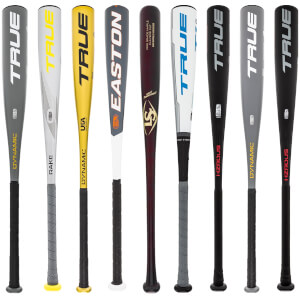
Credit: www.justbats.com
Bat Weight And Balance
Understanding the weight and balance of a baseball bat can affect your swing and game performance. Different players prefer different weights to match their style and strength.
Knowing how to choose the right bat can enhance your control and power during the game. Let’s dive into key concepts like weight distribution, drop weight, and finding your ideal bat weight.
Understanding Weight Distribution
Weight distribution in bats can influence how heavy or light the bat feels when you swing it. A well-balanced bat helps you control your swing better.
- End-loaded bats have more weight towards the end, providing more power.
- Balanced bats distribute weight evenly, offering more control.
- Selecting the right distribution depends on your playing style and strength.
Drop Weight Explained
Drop weight is the difference between the length and weight of the bat. It is usually shown as a negative number. A smaller drop weight means a heavier bat.
Finding Your Ideal Weight
To find your ideal bat weight, consider your age, height, and skill level. Testing different weights will help you decide what feels best.
| Player Age | Recommended Drop Weight |
| 8-10 years | -10 to -12 |
| 11-13 years | -8 to -10 |
| 14 and older | -3 to -5 |
Materials Used In Bats
Baseball bats come in different materials. Each material affects how the bat feels and performs.
Choosing the right material depends on skill level and personal preference.
Wood Vs. Aluminum
Wood bats are traditional and used in professional leagues. They offer a natural feel and good balance.
Aluminum bats are lighter and often used in amateur and youth leagues. They help players swing faster.
- Wood bats provide a solid, natural hit
- Aluminum bats are lighter and more durable
- Wood can break, aluminum rarely dents
Composite Bats Benefits
Composite bats are made from a mix of materials like carbon fiber. This makes them strong and light.
They reduce vibration, making hits feel smoother for the player.
- Lightweight for faster swings
- Less vibration on contact
- Can be more expensive than other bats
Durability And Performance
Wood bats can crack or break over time. They need more care.
Aluminum and composite bats last longer and handle more hits.
- Wood bats give classic feel but break easier
- Aluminum bats are tough and low maintenance
- Composite bats balance lightness and durability
Bat Barrel Size
The barrel size of a baseball bat is an important factor in hitting performance. It affects how much surface area you have to hit the ball.
Understanding barrel size helps players choose the right bat for their needs and style of play.
Standard Barrel Dimensions
Most baseball bats have barrel diameters that range between 2 1/4 inches and 2 5/8 inches. These sizes are common in youth and adult leagues.
| Barrel Diameter | League Use | Description |
| 2 1/4 inches | Youth and High School | Smaller barrel, lighter bat |
| 2 5/8 inches | College and Pro | Larger barrel, more hitting area |
How Barrel Size Affects Power
A larger barrel size means a bigger sweet spot. This can help hit the ball harder and farther.
- Big barrels give more surface area to connect with the ball.
- Smaller barrels are lighter and easier to swing fast.
- Power hitters often prefer larger barrels for stronger hits.
- Contact hitters may choose smaller barrels for better control.
Choosing Barrel Size For Your Play Style
Pick a barrel size that matches how you like to hit. Think about your strength and swing speed.
Here are factors to consider when choosing barrel size:
- Power hitters may want a larger barrel for bigger hits.
- Players with quick swings might prefer a smaller barrel for better control.
- Younger players often use smaller barrels to help with bat speed.
- Try different sizes to find what feels best for you.
Bat Certification And League Rules
Baseball bats often have marks that show they meet certain standards. These marks mean the bat is approved for use in certain leagues. Understanding these marks helps players choose the right bat for their games.
Leagues set rules to keep the game fair and safe. Bat certification and league rules work together to make sure bats perform as expected.
Popular Certification Stamps
Certification stamps show that a bat meets safety and performance standards. Different organizations test bats and give these stamps.
- USA Baseball: Used in youth leagues to ensure bats are safe and balanced.
- USSSA: Stamps bats for travel and tournament leagues with specific speed and weight limits.
- BBCOR: Required for high school and college play, showing bats perform like wood bats.
- NSA: Common in slow-pitch softball leagues for compliance with game rules.
League Restrictions And Compliance
Each league sets rules about which bats players can use. These rules often include which certification stamps are allowed.
| League | Allowed Certification | Age Group |
| Little League | USA Baseball | 8-12 years |
| High School | BBCOR | 14-18 years |
| Travel Baseball | USSSA | Varies |
| Slow-Pitch Softball | NSA | All ages |
Using an uncertified bat can lead to disqualification or penalties. Players must check their league rules before buying a bat.
How Certification Affects Bat Selection
Certification helps players pick bats that match their league’s rules. It also ensures bats are safe and fair to use.
- Check your league’s allowed certifications before buying.
- Choose a bat with the correct stamp to avoid game issues.
- Certified bats often balance weight and power for better control.
- Using approved bats helps improve performance within league limits.
Grip And Handle Features
The grip and handle of a baseball bat affect how well a player controls the bat. They also impact comfort and performance.
Choosing the right grip and handle helps reduce hand fatigue and improve swing accuracy.
Types Of Grips
Baseball bats have different grip types to fit player preferences. Some grips are smooth, while others have texture.
Common grip types include tape wraps, rubber grips, and bare wood handles.
- Tape Wraps:Added for extra grip and cushioning.
- Rubber Grips:Provide a tacky feel and absorb sweat.
- Bare Wood Handles:Traditional feel, less cushioning.
Handle Thickness And Comfort
Handle thickness varies by bat style and player size. Thicker handles offer more control for strong hands.
Comfort depends on the handle shape and grip material. Some handles are rounded, others have more contour.
- Thin handles suit players with smaller hands.
- Thick handles help players who want a firm grip.
- Contoured handles fit the natural shape of the hand.
Reducing Vibration
Vibration happens when the ball hits the bat off-center. It can cause discomfort or sting in the hands.
Bat handles use special materials or inserts to reduce vibration and protect the hands.
- Shock-absorbing grips help lessen vibration impact.
- Composite handles often include vibration dampeners.
- Foam inserts inside the handle add extra comfort.
Swing Speed And Bat Performance
In baseball, swing speed is how fast a player swings the bat. It affects how well the ball flies after contact.
Bat performance depends on swing speed and the bat’s weight and design. Faster swings can lead to better hits.
Optimizing Swing Speed
Improving swing speed helps players hit the ball farther and faster. Good technique and practice are key.
Keep your hands close to your body. Use your hips and shoulders to add power to your swing.
Impact Of Bat Weight On Speed
Heavier bats can hit the ball harder but may slow your swing speed. Lighter bats allow faster swings but less power.
Finding the right bat weight helps balance speed and power. Each player should choose what feels best.
- Heavy bats add power but reduce swing speed
- Light bats increase swing speed but reduce power
- Choose a bat weight that feels comfortable
Training Tips To Improve Swing
Practice regularly to build muscle memory and strength. Use drills that focus on quick hands and strong core muscles.
Try swinging lighter bats or weighted bats to train different muscles. Speed and control improve with varied practice.
- Do warm-up swings before practice
- Use resistance bands to strengthen arms
- Practice swinging at different speeds
- Work on hip rotation and balance

Credit: www.betweenthelinesaz.com
Customizing Your Baseball Bat
Choosing the right baseball bat can improve your play. Customizing your bat helps fit your style and strength.
Small changes in a bat’s design make a big difference. You can adjust length, weight, grip, and balance.
Personalizing Length And Weight
The length and weight of a bat affect how you swing. A longer bat gives more reach but can be harder to control. A heavier bat adds power but may slow your swing.
- Choose a length that fits your height and arm length.
- Select a weight that feels comfortable to swing fast.
- Try different bats to find your best balance.
Adding Grip And Tape
Grip tape helps you hold the bat better. It stops your hands from slipping during swings. You can pick different styles and thicknesses of tape to suit your hands.
| Type of Grip Tape | Benefits |
| Rubber Tape | Provides strong grip and shock absorption |
| Leather Tape | Offers smooth feel and traditional look |
| Overwrap Tape | Added layer for extra thickness |
Balancing For Power Or Control
Bat balance changes how it swings. A bat balanced toward the handle is easier to control. A bat balanced toward the end gives more power in the swing.
Consider these balance types:
- End-loaded:More weight at the barrel for power hits.
- Balanced:Even weight for quicker, controlled swings.
- Handle-loaded:Weight near the handle for faster bat speed.

Credit: www.betweenthelinesaz.com
Frequently Asked Questions
What Does The Number On A Baseball Bat Mean?
The number on a baseball bat usually represents its length in inches. This helps players select the right size for comfort and performance.
How Is Baseball Bat Weight Indicated?
Bat weight is often shown by a drop number, the difference between length and weight. Lower drop means heavier bat, affecting swing speed.
What Does The Bat Material Signify?
Bat material indicates performance and durability. Aluminum bats are lighter and powerful, while wood bats offer traditional feel and control.
Why Is Bat Length Important In Baseball?
Bat length affects reach and swing mechanics. Choosing the right length improves hitting accuracy and power during the game.
Conclusion
Understanding what the numbers mean on baseball bats helps you choose the right one. The length and weight affect how you swing and hit the ball. Picking a bat that fits your size and strength makes playing easier. Remember, the right bat can boost your confidence at the plate.
Keep practicing with different bats to find what feels best. Enjoy the game and have fun improving every day.