Choosing the right baseball bat for your son can feel confusing. You want to help him play his best and stay safe, but how do you know what size is just right?
Picking the wrong bat can make hitting harder and even cause injury. That’s why finding the perfect fit matters more than you might think. You’ll discover simple tips to choose the ideal bat size for your son’s age, height, and strength.
Keep reading to make sure your son steps up to the plate with confidence and the right gear.

Credit: www.betweenthelinesaz.com
Choosing The Right Bat Length
Picking the right baseball bat length helps your son play better and stay safe. The right size makes swinging easier and improves control.
Several factors affect the best bat length. You can measure your son’s height, arm length, and consider his age and skill level.
Measuring Your Son’s Height
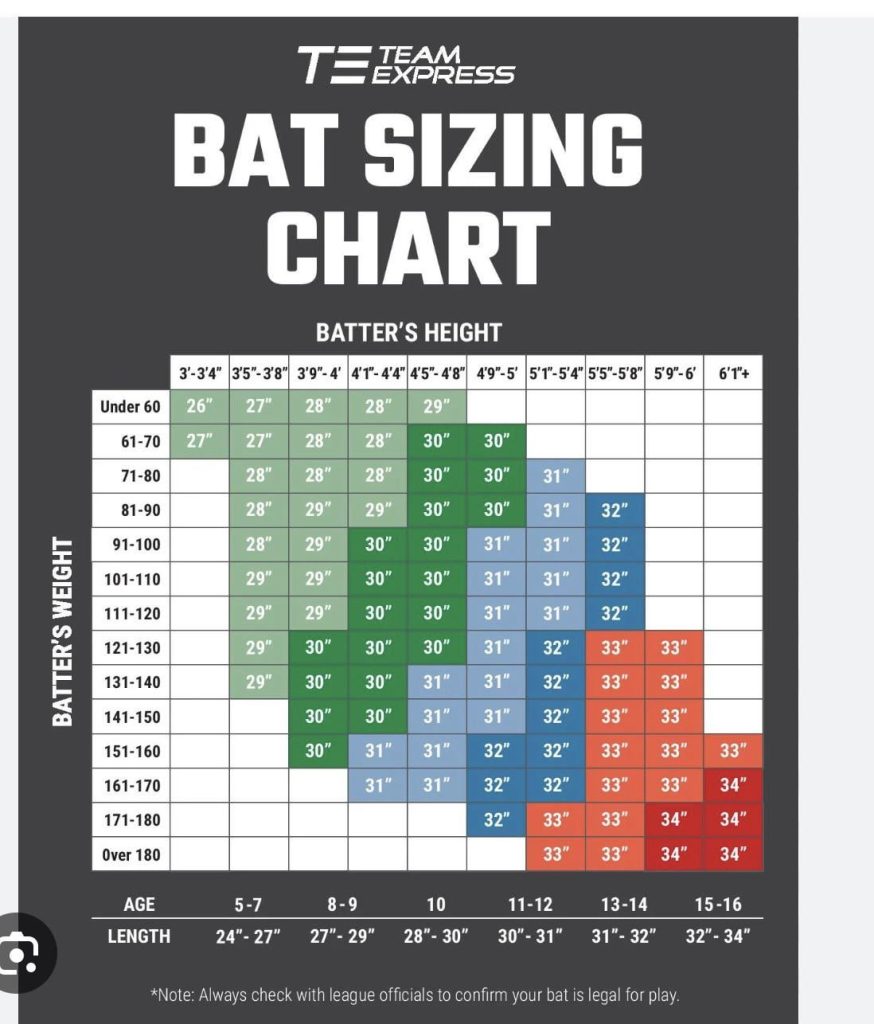
Your son’s height is a key way to find the right bat length. Taller players usually need longer bats, while shorter players need shorter bats.
Stand your son straight against a wall and measure from the floor to the top of his head. Use this height to check a bat size chart for guidance.
| Height | Bat Length |
|---|---|
| 3’8″ – 4’0″ | 24″ – 26″ |
| 4’1″ – 4’4″ | 26″ – 28″ |
| 4’5″ – 4’8″ | 28″ – 30″ |
| 4’9″ – 5’0″ | 30″ – 31″ |
Considering Arm Length
Arm length helps find a bat that fits your son’s reach. Longer arms may need a longer bat for better swing control.
Measure from the center of the chest to the tip of the longest finger. This gives a good idea of the bat length he can handle.
- If arm length is shorter, choose a shorter bat to keep control.
- If arm length is longer, a longer bat can add power.
- Match arm length with height for the best fit.
Age And Skill Level Factors
Age affects bat size because younger kids usually need smaller bats. Skill level matters too, as more skilled players can handle bigger bats.
Start with a bat that fits his age group. As he improves, he may use a longer or heavier bat for more power and control.
- For beginners, use lighter bats to build proper swing form.
- Older or skilled players can try longer bats for better reach.
- Check league rules for bat size limits by age.

Credit: www.betweenthelinesaz.com
Selecting The Proper Bat Weight
Choosing the right baseball bat is important for your son’s performance. The weight of the bat affects how he swings and hits the ball.
Understanding the proper bat weight helps your son improve his skills. Let’s explore how to pick the right one.
Understanding Drop Weight
Drop weight is the difference between the bat’s length and weight. It is usually a negative number. This number helps you understand how heavy the bat feels.
- Drop -3: Common for high school and college players
- Drop -5: Suitable for younger teens
- Drop -8 to -12: Great for younger children
Finding The Balance Between Power And Control
Heavier bats provide more power but can be harder to control. Lighter bats offer better control but may have less power.
| Bat Type | Power Level | Control Level |
| Heavy Bat | High | Low |
| Light Bat | Low | High |
Testing Different Weights
Testing different bats helps find the perfect match for your son. Let him try swinging various weights to see what feels best.
Materials And Bat Types
Choosing the right baseball bat for your son depends on the material and type of bat. Different materials affect the bat’s weight, durability, and performance. Understanding these options helps you pick a bat that fits your son’s needs.
This guide explains the differences between wood and aluminum bats, the benefits of composite bats, and the league rules about bat materials.
Wood Vs. Aluminum Bats
Wood bats are traditional and offer a solid feel. Aluminum bats are lighter and can hit the ball farther. Each type has its pros and cons based on your son’s skill and league play.
- Wood Bats:Heavier and less forgiving on mistakes.
- Aluminum Bats:Lighter and produce faster swing speeds.
- Durability:Aluminum bats last longer than wood bats.
- Cost:Wood bats are usually less expensive upfront but may need frequent replacement.
Composite Bats Benefits
Composite bats combine materials like carbon fiber and resin. They offer a larger sweet spot and reduce vibration. Composite bats also tend to be lighter than wood but heavier than aluminum.
- Larger sweet spot for better hits
- Less vibration feels comfortable on the hands
- Often require a break-in period before peak performance
- Can be more expensive than wood or aluminum bats
League Regulations On Bat Materials
Different leagues have rules on which bat materials are allowed. Using the wrong bat can lead to disqualification or penalties. Check your son’s league rules before buying a bat.
| League | Allowed Bat Materials | Notes |
| Little League | Wood, Aluminum, Composite | Bats must meet USA Baseball standards |
| High School | Wood, Composite | Bats must be BBCOR certified |
| College | Wood, Composite | Bats must be BBCOR certified |
| Recreational | Varies by local rules | Check specific league regulations |

Credit: batdigest.com
Bat Size Charts And Tools
Choosing the right baseball bat size for your son is important for his comfort and performance. Using bat size charts and tools can make this task easier.
These resources help match bat length and weight to your son’s age, height, and skill level. This way, you find a bat that fits well.
Using Online Size Calculators
Online size calculators ask for your son’s height, weight, and age. Then, they suggest the best bat length and weight.
These tools are quick and easy to use. They help avoid guessing and buying the wrong bat size.
- Enter height, weight, and age
- Get bat length and weight recommendations
- Compare results from different calculators
Consulting Manufacturer Guidelines
Bat makers provide size charts based on age and height. These guidelines are reliable and easy to find on websites.
Each brand may have slight size differences. Checking the manufacturer’s chart ensures you pick the right model and size.
| Age | Height (inches) | Recommended Bat Length (inches) |
|---|---|---|
| 6-8 | 42-48 | 24-26 |
| 9-10 | 49-54 | 27-29 |
| 11-12 | 55-60 | 30-32 |
Fitting Bats In Stores
Trying bats in a store helps your son feel the weight and length. He can swing the bat to check comfort and control.
Store staff often assist with recommendations. They can measure your son and suggest the right bat size and type.
- Hold the bat straight out to check length
- Swing the bat to feel the weight
- Ask staff for size and style advice
Common Mistakes To Avoid
Choosing the right baseball bat for your son can be tricky. Many parents make simple errors that affect their child’s play. Avoiding these mistakes helps your son enjoy the game more.
Read on to learn about common mistakes and how to avoid them when picking a baseball bat.
Choosing Bats Too Heavy Or Long
A bat that is too heavy or too long can slow your son’s swing. This reduces control and power. It can also cause fatigue and injury.
- Choose a bat length based on your son’s height and age.
- Pick a weight that he can swing comfortably and quickly.
- Have your son try swinging bats before buying.
- Remember lighter bats help build better swing mechanics.
Ignoring League Rules
Each league has rules on bat size, weight, and material. Ignoring these rules can lead to disqualification or safety issues.
| League | Max Bat Length | Max Weight Drop |
| Little League | 33 inches | -10 |
| USSSA | 34 inches | -13 |
| High School | 36 inches | -3 |
Not Testing Before Buying
Buying a bat without testing can cause problems. Your son might not like how it feels or swings.
Try these tips before buying:
- Have your son hold and swing several bats.
- Check the grip and balance of each bat.
- See if the bat feels comfortable in his hands.
- Test swings at a batting cage if possible.
Maintaining And Replacing Bats
Choosing the right baseball bat size for your son is important. Taking care of the bat keeps it in good shape. Knowing when to replace the bat helps avoid injuries and improves play.
Proper maintenance extends the bat’s life. Replacing the bat at the right time ensures your son uses the best tool for his skill and size.
Signs Your Son Needs A New Bat
Look for cracks, dents, or warping on the bat. These signs mean the bat is unsafe or less effective. If your son feels the bat is too heavy or too light, it may be time for a new one.
- Visible cracks or dents on the bat
- Changes in bat weight or balance
- Bat feels uncomfortable or hard to swing
- Bat no longer matches your son’s size or strength
Proper Bat Care Tips
Store the bat in a dry place to avoid damage. Clean the bat after use to remove dirt and grass stains. Avoid hitting hard surfaces like rocks or metal poles with the bat.
- Keep the bat dry and away from extreme heat
- Wipe the bat clean with a soft cloth after games
- Use a bat bag for protection during transport
- Do not use the bat on concrete or hard surfaces
When To Upgrade Bat Size
Upgrade the bat size when your son grows taller or stronger. A bat that fits his height and weight helps him swing better. If he struggles with his current bat, consider a bigger or heavier one.
- Son’s height increases significantly
- Son gains muscle and strength
- Current bat feels too light or too short
- Coach or expert recommends a different size
Frequently Asked Questions
What Is The Right Baseball Bat Size For My Son?
The right bat size depends on your son’s height and weight. Use size charts to match bat length and weight for better control and power.
How Do I Measure My Son For A Baseball Bat?
Measure your son’s height and weight first. Then, refer to a bat size chart to find the recommended bat length and weight.
Does Age Affect The Baseball Bat Size Needed?
Yes, age impacts bat size because children grow fast. Choose a bat size suitable for their current height and weight, not just age.
Should I Consider Bat Weight Or Length First?
Length matters for reach, while weight affects swing speed. Prioritize length for comfort, then pick a manageable weight for control.
Conclusion
Choosing the right baseball bat size helps your son play better and stay safe. Measure his height and weight for the best fit. A bat that is too big or too small can affect his swing. Make sure he feels comfortable holding and swinging the bat.
Trying different bats can help find the perfect one. A good bat boosts confidence and enjoyment on the field. Keep checking his size as he grows and changes. The right bat makes practice and games more fun for your son.