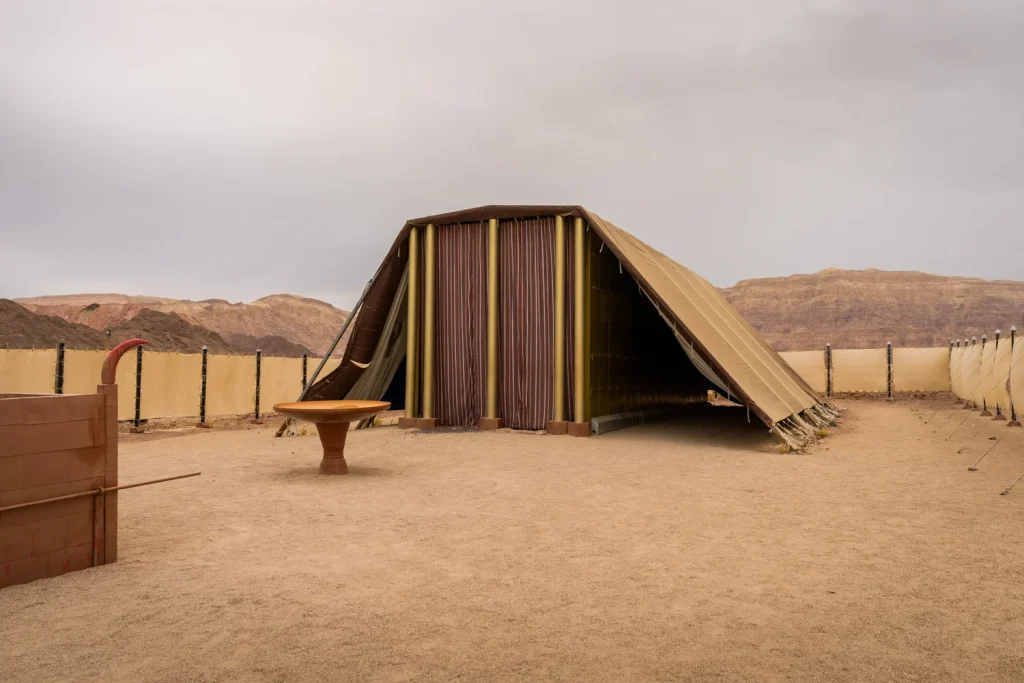
Have you ever wondered about the Tent of Meeting and why it held such importance long ago? This simple structure wasn’t just a tent—it was a powerful place where people connected with something greater.
Understanding what the Tent of Meeting is can change the way you see ancient stories and even your own search for meaning. Keep reading, and you’ll discover why this humble tent continues to inspire and what it can teach you about connection, purpose, and faith.

Credit: www.coffeeandabible.com
Origins Of The Tent Of Meeting
The Tent of Meeting is a special place in the Bible where God met with His people. It was a portable sanctuary used by the Israelites during their travels.
This tent played an important role in the early history of Israel. It showed how God wanted to be close to His people.
Biblical Roots
The Tent of Meeting first appears in the Book of Exodus. God gave Moses instructions to build it after the Israelites left Egypt.
The tent was where Moses spoke with God face to face. It was also the place for offering sacrifices and worship.
- God told Moses how to build the tent and its furniture
- The Ark of the Covenant was kept inside the tent
- The tent symbolized God’s presence among the people
Historical Context
The Tent of Meeting was a movable shrine. It allowed the Israelites to worship God while traveling in the desert.
The design of the tent reflected ancient Near Eastern religious traditions. It showed a sacred space that could be set up anywhere.
- The tent had curtains made from fine cloth
- It was divided into two parts: the Holy Place and the Most Holy Place
- Priests served in the tent to perform rituals and prayers

Credit: medium.com
Design And Structure
The Tent of Meeting was a sacred place for the Israelites. It served as a mobile sanctuary during their journey in the wilderness.
Its design and structure were specified in ancient texts. Let’s explore the materials and layout that defined this historical tent.
Materials Used
The Tent of Meeting was built with specific materials. These were chosen for their durability and sacredness.
- Acacia wood was used for its frames.
- The coverings were made of fine linen and goat hair.
- Gold, silver, and bronze were used for decoration.
Layout And Dimensions
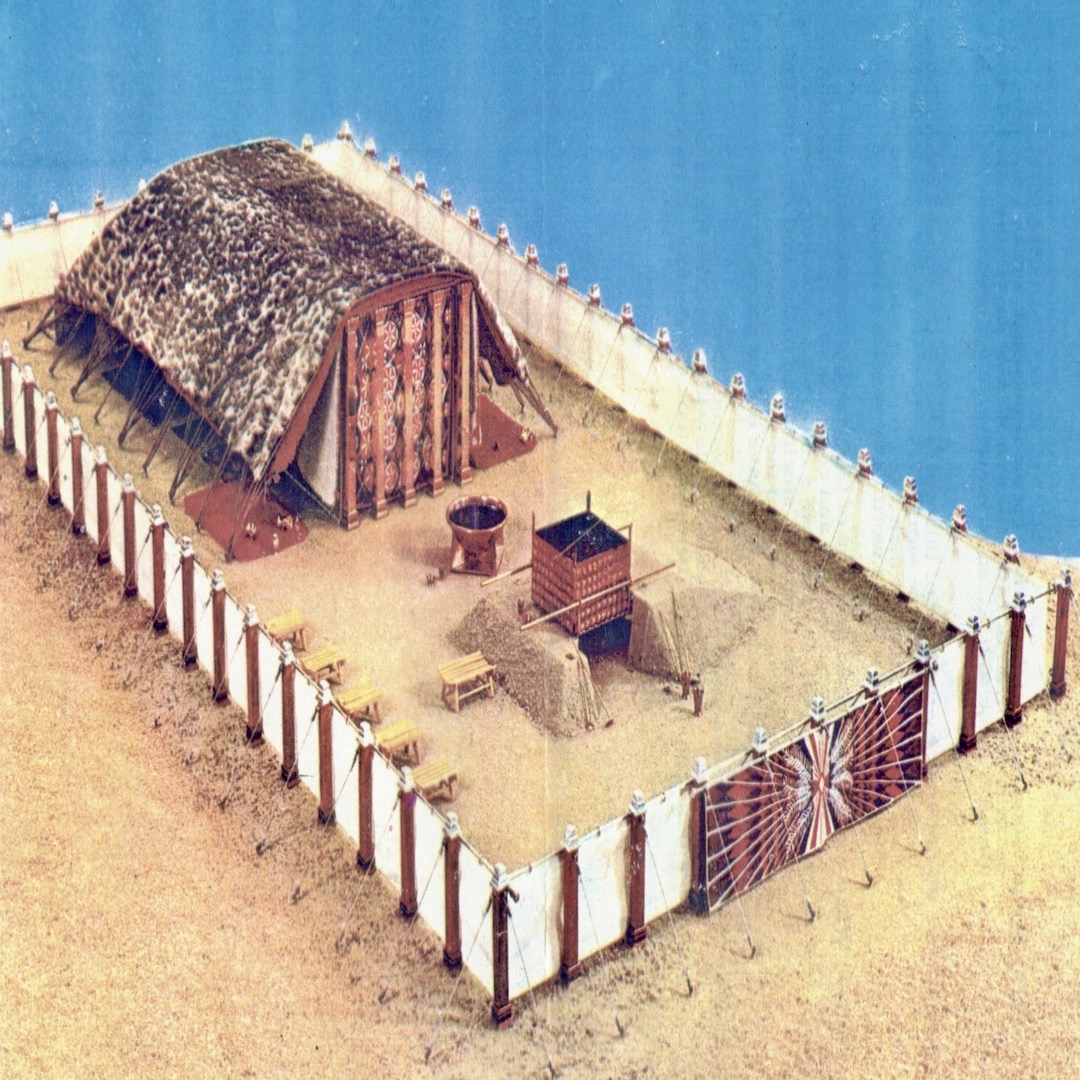
The layout of the Tent of Meeting was precise. It consisted of two main sections.
| Section | Dimensions |
| Holy Place | 30 feet long, 15 feet wide |
| Most Holy Place | 15 feet long, 15 feet wide |
The tent was oriented east to west. This alignment was symbolic and held religious significance.
Functions And Purpose
The Tent of Meeting was a sacred place used by the Israelites during their journey in the wilderness. It served several important functions in their religious and community life. This tent was not just a physical structure but held deep spiritual meaning.
Its main purposes included being a place for worship, a center where the community gathered, and a symbol of God’s presence among His people.
Place Of Worship
The Tent of Meeting was the primary place where the Israelites worshipped God. It housed the Ark of the Covenant and was the location for important religious ceremonies. Priests performed rituals and offered sacrifices here to seek God’s favor and forgiveness.
Center For Community Gathering
The tent was also a space where the people came together to discuss important matters and receive guidance from their leaders. It acted as a meeting point for the tribe and helped keep the community united during their travels.
- People gathered for prayers and ceremonies
- Leaders met to make decisions
- It served as a place for teaching and sharing laws
- Community members sought advice and support
Symbol Of Divine Presence
The Tent of Meeting symbolized God’s presence among the Israelites. The cloud and fire above the tent showed that God was with them. It reminded the people that God was guiding and protecting them wherever they went.
| Symbol | Meaning |
| Ark of the Covenant | God’s covenant and law |
| Cloud by day | God’s guidance |
| Fire by night | God’s protection |
Credit: craigtowens.com
Key Rituals And Practices
The Tent of Meeting was a special place for worship and connection with God. It held many important rituals and customs. These rituals helped the people express their faith and follow God’s commands.
Inside the Tent of Meeting, priests performed sacred duties. Offerings were given, and God communicated with His people. Each practice had a clear meaning and purpose.
Sacrificial Offerings
Sacrificial offerings were central to the Tent of Meeting rituals. People brought animals or grain to offer to God. These acts showed repentance, thanks, and devotion.
Different types of sacrifices had different meanings. Some were for forgiveness, and some were to honor God. The offerings were carefully prepared and presented by the priests.
- Burnt offerings to show total dedication
- Peace offerings to thank God
- Sin offerings to ask for forgiveness
- Grain offerings as a gift of thanks
Priestly Duties
Priests had important roles inside the Tent of Meeting. They led the people in worship and kept the sacred space clean. They also performed the sacrifices and rituals.
Only priests from the tribe of Levi could enter certain areas. They wore special clothes and followed strict rules. Their work helped keep the people’s relationship with God strong.
- Performing animal sacrifices
- Maintaining the altar and holy objects
- Teaching the people God’s laws
- Interceding between God and the people
Communication With God
The Tent of Meeting was a place where God spoke to His people. God’s presence was believed to rest above the tent. The leaders could hear God’s guidance and commands there.
Prophets and priests received messages from God. These messages helped guide the nation in their daily lives. The Tent was a bridge for divine communication and direction.
- God’s presence shown as a cloud or fire
- Direct instructions given to leaders
- Prayer and worship as a way to listen
- Seeking God’s guidance in important decisions
Symbolism And Spiritual Meaning
The Tent of Meeting was a special place where God met with His people. It held deep spiritual meaning for the Israelites.
This tent symbolized God’s presence and His relationship with His people. It reminded them of His guidance and protection.
Connection Between Heaven And Earth
The Tent of Meeting showed a link between heaven and earth. It was a holy space where God’s presence came down to meet people.
Inside the tent, God’s glory filled the space. This made it a sacred place for worship and communication with God.
Representation Of God’s Covenant
The Tent of Meeting also represented God’s covenant with Israel. It was a sign of His promise to be with His people always.
The tent held the Ark of the Covenant, which reminded the people of God’s laws and His faithfulness.
Legacy And Influence
The Tent of Meeting was a sacred place for the ancient Israelites. It served as a meeting spot between God and His people. This tent left a lasting mark on religious history.
Its design and purpose influenced many later places of worship. People still study its meaning today.
Impact On Later Religious Structures
The Tent of Meeting inspired the way many religious buildings were planned. It was a model for creating holy spaces where people could connect with the divine.
- The idea of a central sacred space comes from the tent.
- Portable worship places in some religions reflect the tent’s mobility.
- Design elements, like the use of curtains and altars, trace back to the tent.
- The concept of a special meeting place for prayer and rituals spread widely.
Modern Interpretations
Today, the Tent of Meeting symbolizes a place of encounter and worship. Many faith communities use it as a metaphor for openness and God’s presence.
| Modern Use | Meaning |
|---|---|
| Church architecture | Focus on sacred meeting spaces |
| Spiritual retreats | Temporary sacred spaces for reflection |
| Religious education | Teaching about God’s presence among people |
Frequently Asked Questions
What Is The Purpose Of The Tent Of Meeting?
The Tent of Meeting served as a sacred space where God communicated with Moses. It was a central place for worship and guidance for the Israelites during their desert journey.
Where Was The Tent Of Meeting Located?
The Tent of Meeting was located outside the Israelite camp. It was positioned between the camp and the Tabernacle, allowing easy access for Moses and the people.
Who Entered The Tent Of Meeting?
Only Moses, Aaron, and the priests entered the Tent of Meeting. It was a holy place reserved for divine communication and religious rituals.
What Materials Were Used To Build The Tent Of Meeting?
The Tent was made with fine linen, goat hair, ram skins, and acacia wood. These materials symbolized purity and durability, reflecting its sacred purpose.
Conclusion
The Tent of Meeting held great meaning in ancient times. It served as a special place for people to connect with God. This tent showed the importance of faith and obedience. Learning about it helps us understand history and spirituality better.
The Tent of Meeting reminds us of the power of worship and prayer. It remains a symbol of closeness between people and the divine. Exploring its story can inspire deeper reflection today.