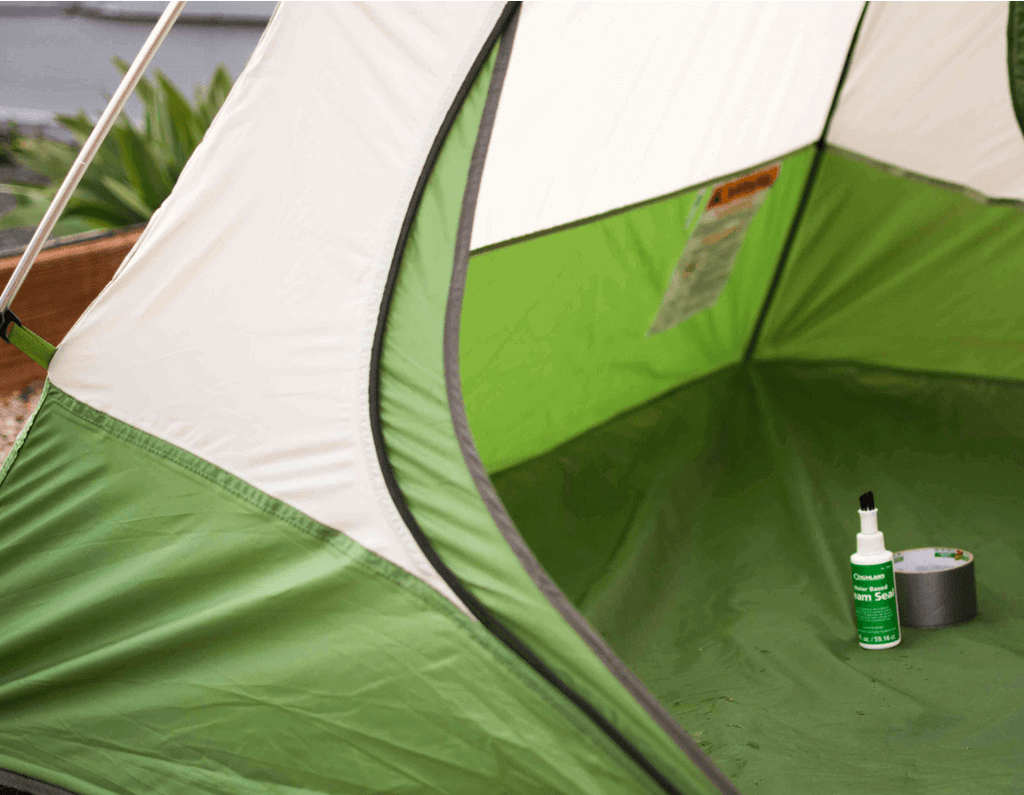
Mold on your tent isn’t just an eyesore—it can damage your gear and even affect your health. If you’ve spotted those stubborn black or green spots on your fabric, you’re probably wondering how to get rid of them safely and effectively.
Cleaning a moldy tent might seem tricky, but with the right steps, you can restore your tent to fresh and ready for your next adventure. Keep reading, and you’ll learn simple, proven methods to tackle mold and protect your investment.
Your tent deserves a deep clean, and you’re just moments away from making it happen.

Credit: www.reddit.com
Identify Mold On Tent
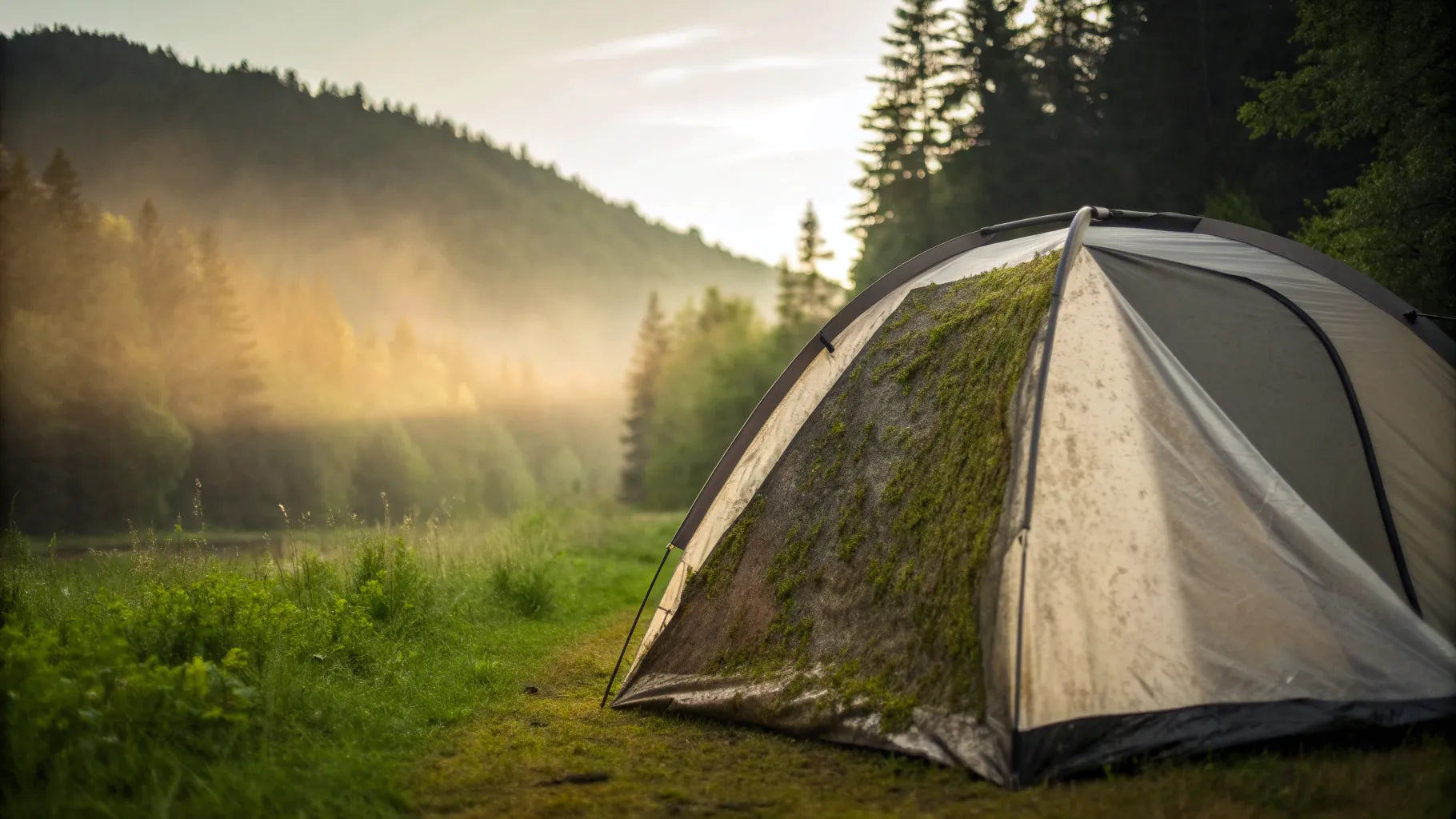
Mold can grow on tents if they stay damp for too long. It looks like fuzzy spots or stains. Identifying mold early helps keep your tent clean and safe.
Knowing where mold usually appears and how to spot it helps you act fast. This guide shows common mold signs and places on your tent to check.
Common Mold Signs
Mold on a tent shows in different ways. It can look like dark spots, fuzzy patches, or a musty smell. These signs mean mold is growing and needs cleaning.
- Dark green, black, or gray spots on fabric
- White or gray fuzzy patches that feel soft
- A strong, musty odor inside the tent
- Stains that do not wash out easily
- Areas that stay damp or wet for a long time
Areas Prone To Mold
Mold grows best in damp, dark, or poorly ventilated places. Knowing where mold usually forms helps you inspect your tent carefully.
| Area | Reason for Mold Growth |
|---|---|
| Inside corners | Moisture collects and air does not circulate well |
| Seams and stitching | Water can seep in and stay trapped |
| Floor of the tent | Contact with wet ground causes dampness |
| Storage bags | Tent may be stored damp and in dark places |
| Mesh windows and vents | Condensation builds up and stays wet |
Gather Cleaning Supplies
Cleaning a moldy tent needs special supplies. Having the right items makes the task easier.
Gathering these supplies beforehand saves time. It also ensures you clean effectively.
Safe Cleaning Agents
Choose cleaning agents that are safe for tent fabric. Harsh chemicals can damage the material.
Look for products labeled as safe for outdoor gear. Vinegar and mild soap are good options.
- White vinegar
- Mild dish soap
- Specialized tent cleaner
Tools Needed
Using the right tools helps clean mold without harming the tent. Soft brushes and sponges are ideal.
Ensure tools are gentle to avoid tearing the fabric. Having a bucket and clean water is also necessary.
- Soft brush
- Sponge
- Bucket
- Clean water
Prepare Tent For Cleaning
Cleaning a moldy tent starts with good preparation. This helps protect your tent and makes cleaning easier.
Taking the right steps before cleaning can keep mold from spreading and damage from getting worse.
Set Up In A Well-ventilated Area
Find an open space with good air flow to set up your tent. Fresh air helps dry the tent and stops mold spores from staying in the air.
Do not clean your tent inside a small room. This can make the mold spread and cause breathing problems.
Remove Loose Dirt And Debris
Before washing, take off any dirt, leaves, or small sticks from the tent’s surface. This stops dirt from mixing with water and spreading mold.
Use a soft brush or a dry cloth to gently clean the outside and inside of the tent. Avoid using hard tools that can damage the fabric.
- Brush off dirt from the tent floor and walls
- Shake out the tent to remove loose debris
- Check corners and seams for stuck dirt

Credit: www.reddit.com
Clean Moldy Spots
Mold can grow on tents if they stay damp for too long. Cleaning moldy spots helps keep your tent safe and fresh.
It is important to treat mold spots carefully. This stops mold from spreading and damaging the fabric.
Spot Treatment Techniques
Start by brushing off loose mold with a soft brush outside. Avoid breathing in mold spores by wearing a mask.
Apply a cleaning solution to the mold spots. Let it sit for a few minutes before scrubbing gently with a sponge or cloth.
- Brush off mold outside
- Use cleaning solution on spots
- Scrub gently without damaging fabric
- Rinse well with clean water
- Dry tent completely before storing
Using Natural Vs Chemical Cleaners
Natural cleaners use simple ingredients like vinegar or baking soda. They are safe for the environment and your tent fabric.
Chemical cleaners can kill mold quickly but may harm tent materials or leave strong smells. Use them carefully and follow instructions.
- Natural cleaners: vinegar, baking soda, lemon juice
- Chemical cleaners: mold removers, bleach solutions
- Natural cleaners are gentle but may need more time
- Chemical cleaners act fast but require caution
- Always rinse tent well after any cleaner use
Deep Clean Entire Tent
Cleaning a moldy tent is important to keep it safe and usable. Mold can cause damage and bad smells.
Deep cleaning removes mold spores and keeps your tent fresh for camping trips.
Washing Methods
Use gentle washing methods to protect the tent fabric. Avoid harsh chemicals or bleach.
Hand washing is best for moldy tents. Use a soft brush and mild soap or special tent cleaner.
- Set up the tent outside or in a large tub
- Mix mild soap with warm water
- Gently scrub moldy areas with a soft brush
- Clean all parts, including zippers and seams
- Do not machine wash or dry
Rinsing Tips
Rinse the tent well to remove all soap and mold residues. Use clean water.
Rinse several times if needed. Make sure no soap stays on the fabric.
- Use a gentle stream of water from a hose or bucket
- Check all areas for leftover soap or dirt
- Allow the tent to drip dry in shade
- Do not dry in direct sunlight to avoid damage
Credit: www.battlbox.com
Dry Tent Thoroughly
Drying your tent well stops mold from growing. Wet fabric keeps mold alive and spreads spores.
Proper drying protects your tent’s material and keeps it safe for your next trip.
Best Drying Practices
Set up your tent outside on a sunny day. Open all zippers and let air flow inside. Avoid folding the tent until it is fully dry.
- Choose a shady spot to prevent sun damage
- Use a clean tarp underneath to keep the tent clean
- Hang the tent on a line for faster drying of the rainfly
- Flip the tent occasionally for even drying
- Dry tent poles and stakes separately
Avoiding Residual Moisture
| Common Areas | How to Check | Action |
| Seams and stitching | Run fingers along seams | Let dry longer or use a fan |
| Floor corners | Lift and look under | Wipe with cloth and air dry |
| Storage bag | Feel inside bag | Air out before packing |
| Rainfly folds | Open folds fully | Spread out to dry |
Prevent Mold Growth
Mold can damage your tent fabric and smell bad. It grows in damp, dark places. Keeping your tent dry stops mold from growing.
Use smart storage and regular care to keep your tent fresh and mold-free for your next trip.
Proper Storage Solutions
Store your tent in a dry place with good air flow. Avoid tight bags that trap moisture. Use breathable storage bags or loose cotton sacks.
- Clean and dry your tent completely before storage
- Store in a cool, dry area away from sunlight
- Use moisture absorbers like silica gel packs
- Do not store your tent in plastic bags long-term
- Keep your tent off damp floors or basements
Regular Maintenance Tips
Check your tent often for damp spots or dirt. Clean it gently after each use. Dry it fully before packing away.
| Maintenance Task | Frequency | Notes |
| Dry tent after use | Every time | Hang in shade to dry fully |
| Clean tent fabric | After each trip | Use mild soap and water |
| Inspect for mold spots | Monthly | Wipe with vinegar solution if found |
| Air out storage bag | Every 3 months | Prevent stale air and moisture |
Frequently Asked Questions
How Do I Remove Mold From A Tent Safely?
To remove mold safely, use a mixture of water and mild detergent. Scrub gently with a soft brush. Rinse thoroughly and dry the tent completely in sunlight to prevent further mold growth.
Can Vinegar Kill Mold On Camping Tents?
Yes, vinegar is effective against mold. Spray white vinegar on moldy areas, let it sit for an hour, then scrub and rinse. Vinegar is natural, non-toxic, and safe for tent fabrics.
How Long Should I Dry A Tent After Cleaning Mold?
Dry your tent for at least 24 hours in direct sunlight. Ensure it is completely dry to prevent mold from returning. Avoid storing the tent while damp.
What Causes Mold To Grow Inside Tents?
Mold grows due to moisture, poor ventilation, and warmth inside tents. Wet gear or packing a damp tent encourages mold. Proper drying and storage prevent mold growth.
Conclusion
Cleaning a moldy tent keeps it safe and ready to use. Act quickly to stop mold from spreading further. Use gentle cleaners and dry the tent well. Store your tent in a dry place after cleaning. Regular care helps your tent last longer.
A clean tent means better camping experiences ahead. Take small steps today for fresh gear tomorrow.