If you want your fishing experience to be smooth and successful, knowing how to tie your fishing line to the reel knot correctly is a must. Imagine losing a big catch because your line slipped or broke at the reel—frustrating, right?
But don’t worry, mastering this simple skill will give you confidence every time you cast. You’ll discover easy steps to tie a strong, reliable knot that holds up under pressure. Keep reading, and soon you’ll be ready to fish like a pro without worrying about your line coming loose.
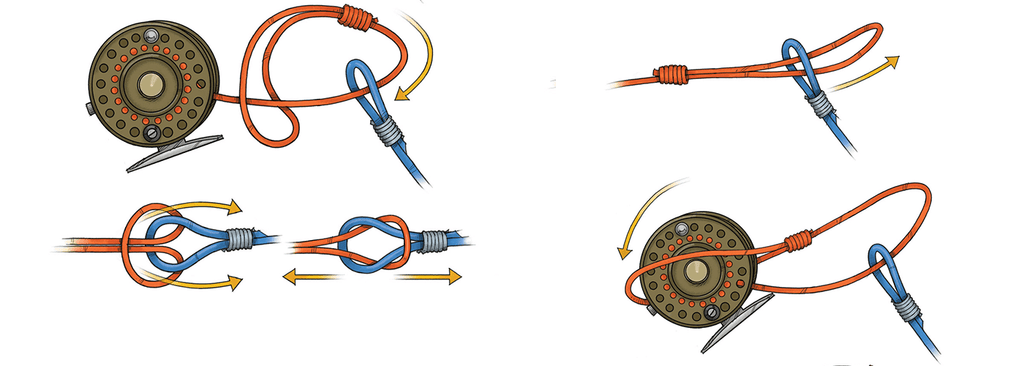
Credit: www.epicflyrods.com
Choosing The Right Knot
Tying the fishing line to the reel is important for a strong connection. The right knot keeps the line secure and helps you catch fish.
Different knots work best for various fishing conditions and line types. Picking the right knot makes fishing easier and safer.
Popular Knots For Fishing Reels
Many fishermen use specific knots to tie their lines to reels. These knots are easy to tie and hold well under tension.
- Improved Clinch Knot: Simple and strong for most lines
- Palomar Knot: Easy to tie and very reliable
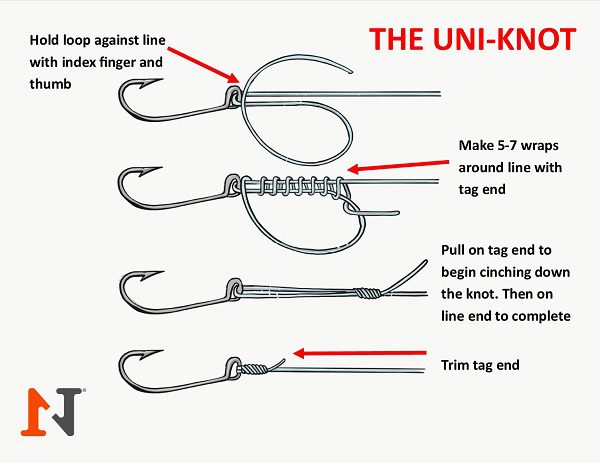
- Uni Knot: Versatile for many line types
- Arbor Knot: Designed to attach line to reel spool
Try different knots to see which one feels best for your fishing style.
Factors Affecting Knot Strength
Knot strength depends on several things. Knowing these helps you tie better knots.
- Type of fishing line: Some lines hold knots better than others
- Wet or dry line: Wetting the line before tightening prevents damage
- Number of wraps: More wraps usually mean stronger knots
- Tightening method: Pull knots slowly and evenly to avoid slipping
- Line diameter: Thicker lines may need different knots
Pay attention to these factors to improve your knot’s hold and fishing success.

Credit: www.youtube.com
Preparing The Line And Reel
Tying a fishing line to a reel knot is essential for a successful fishing experience. Start by preparing both the line and the reel carefully.
Proper preparation ensures that your fishing gear works smoothly and efficiently. Let’s explore how to get started.
Trimming And Inspecting The Line
Before you tie the knot, make sure your fishing line is in good condition. Trim any frayed ends for a clean start.
- Use sharp scissors to cut the line.
- Inspect the line for any weak spots.
- Ensure the line is the right length for your reel.
Setting Up The Reel Properly
Having your reel set up correctly is crucial. It helps in avoiding tangles and makes casting smoother.
| Reel Part | Action |
| Spool | Check for smooth rotation |
| Handle | Ensure it is tightly fixed |
| Drag System | Adjust to your preference |
Step-by-step Knot Tying
Tying the fishing line to your reel correctly is key for a strong hold. This guide shows you clear steps to tie the knot.
Follow these simple instructions to attach your line securely and avoid slipping while fishing.
Attaching The Line To The Spool
Start by threading the fishing line through the reel spool’s hole or eyelet. Pull enough line to work with.
Create a loop by doubling the line back toward the spool. This loop will help form the knot around the spool.
Securing The Knot With Wraps
Wrap the tag end of the line around the doubled main line five to seven times. Keep the wraps tight and neat.
Pass the tag end through the loop near the spool. This locks the wraps in place to form the knot.
- Wrap line 5-7 times around the doubled line
- Keep wraps close and tight
- Thread tag end through the loop
Tightening And Testing The Knot
Moisten the knot with water or saliva to reduce friction. Pull both ends slowly and firmly to tighten the knot.
Check the knot by tugging the line hard. Make sure it stays secure and does not slip on the spool.
- Wet the knot before tightening
- Pull both line ends firmly
- Test knot strength with a strong tug
Tips For A Stronger Hold
Tying your fishing line to the reel knot correctly helps keep the line secure. A stronger hold reduces the chance of losing fish or equipment. Simple habits improve your knot’s strength and reliability.
Use these tips to make sure your fishing line stays tight and safe during every catch. Avoid mistakes and maintain your knots for the best results.
Avoiding Common Mistakes
Many anglers make mistakes that weaken their knots. One common error is not wetting the line before tightening the knot. This causes friction and weakens the line.
- Always wet the line before pulling the knot tight.
- Do not pull the knot too fast or too hard.
- Trim the tag end close but leave a small tail.
- Use the right knot for your line type and reel.
- Practice tying the knot several times before fishing.
Using Knot Lubricants
Knot lubricants reduce friction and heat when tightening knots. They help the knot slide smoothly and tighten more evenly. You can use water, saliva, or special fishing lubricants.
| Type | Benefits | Notes |
|---|---|---|
| Water | Easy to access, safe for all lines | Just wet the line before tightening |
| Saliva | Natural lubricant, always available | Use with clean mouth to avoid dirt |
| Fishing Knot Lubricant | Specifically made to reduce heat and friction | May improve knot strength slightly |
Regular Knot Maintenance
Check your knots regularly during fishing trips. Knots can loosen or get damaged from water and movement. Keeping them tight avoids line breaks and lost catches.
- Inspect knots before each use for any wear or slips.
- Retighten knots if they feel loose or soft.
- Replace knots if the line looks frayed or damaged.
- Practice tying knots often to maintain skill and speed.
Troubleshooting Knot Issues
Tying fishing line to a reel knot can sometimes cause problems. These issues affect your fishing experience and catch rate.
Knowing how to fix common knot problems helps keep your line secure and strong. This guide covers slipping knots and line damage.
Fixing Slipping Knots
Slipping knots happen when the knot does not hold tight. This can cause your line to come loose while fishing.
- Wet the line before tightening the knot to reduce friction.
- Make extra wraps around the standing line to increase grip.
- Pull the knot slowly and firmly to set it properly.
- Check the knot after tying to ensure it is snug.
- Use knots suitable for your line type, like the Palomar or Improved Clinch knot.
Dealing With Line Damage
Damaged fishing line weakens your connection and can cause breaks. It is important to spot and fix damage early.
| Type of Damage | Cause | Fix |
| Abrasion | Rubbing against rocks or rough surfaces | Cut off damaged section and retie knot |
| Fraying | Repeated knot tying or pulling | Replace line if fraying is severe; retie knot carefully |
| Weak Spots | Sun exposure or old line | Use new line and check knots regularly |

Credit: www.wikihow.com
Frequently Asked Questions
How Do You Tie A Fishing Line To A Reel?
To tie a fishing line to a reel, thread the line through the reel’s guide. Make an arbor knot by wrapping the line around the spool and tying an overhand knot. Secure it with a second overhand knot and pull tight to fasten.
What Is The Strongest Knot For Fishing Line To Reel?
The arbor knot is the strongest and most reliable for attaching fishing line to a reel. It grips the spool firmly and resists slipping. This knot is simple, quick to tie, and works well with most fishing lines and reel types.
Can I Use Any Fishing Line For Reel Knots?
Yes, most fishing lines like monofilament, fluorocarbon, and braided lines work with reel knots. However, knot strength may vary. Choose a knot compatible with your line type for the best hold and durability when tying to your reel.
How Tight Should The Fishing Line Knot Be?
The fishing line knot should be pulled tight enough to prevent slipping but not so tight as to damage the line. Firm tension ensures the knot holds securely on the reel spool during casting and reeling without weakening the line.
Conclusion
Tying your fishing line to the reel knot is simple with practice. Use the right steps and take your time. A strong knot keeps your line secure and fishing fun. Try it a few times before going out. Soon, it will feel natural and quick.
Enjoy your fishing trips with confidence and good gear. Keep practicing to improve every time you fish.