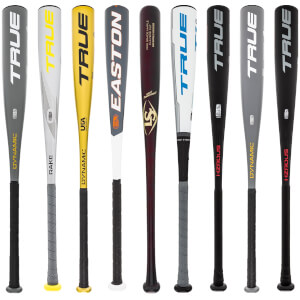
Have you ever wondered what makes a baseball bat strong enough to hit a home run but light enough to swing fast? The secret lies in the type of wood used to craft it.
Choosing the right wood isn’t just about tradition—it affects your game, your swing, and even how the bat feels in your hands. If you want to know which woods are best and why they matter, keep reading. By the end, you’ll understand what goes into every great hit and how the wood in your bat can give you an edge on the field.
Common Woods For Baseball Bats
Baseball bats are made from different types of wood. Each wood type has unique features. Players choose bats based on these features.
Here are four common woods used for making baseball bats. These woods affect the bat’s weight, strength, and performance.
Maple
Maple is a very hard wood. It is dense and strong, making it popular for baseball bats. Maple bats offer good power and durability.
Because maple is hard, it can break if hit in the wrong spot. Many professional players use maple bats.
Ash
Ash is lighter and more flexible than maple. This makes ash bats easier to swing. Ash also has a classic look and feel.
Ash bats can absorb shock well. They are less likely to break into sharp pieces. This wood is popular in amateur and pro leagues.
Birch
Birch is a mix between maple and ash. It is hard like maple but flexible like ash. Birch bats offer a good balance of power and control.
Birch bats break less often than maple. They have a smooth grain and a nice feel for players.
Hickory
Hickory is very strong and heavy. It was common in the past but is less used today. Hickory bats give strong hits but can be hard to swing fast.
Because of its weight, hickory is good for players who want power. It is tough and lasts a long time.

Credit: oldhickorybats.com
Characteristics Of Maple Bats
Maple bats are popular among baseball players for their durability and performance. Known for their dense wood, these bats offer unique advantages on the field.
Understanding the qualities of maple bats can help players choose the right equipment for their needs. Let’s explore their key characteristics.
Durability And Hardness
Maple is a hardwood that provides excellent durability. It can withstand the rigors of frequent use without breaking easily. Its dense nature makes it a preferred choice for professional players.
- High resistance to wear and tear
- Reduced risk of splintering
- Long-lasting performance
Performance Benefits
Maple bats offer several performance benefits that appeal to players at all levels. The hardness of the wood helps in transferring energy efficiently during a hit.
| Feature | Benefit |
| Hard Surface | Enhances ball speed off the bat |
| Dense Grain | Improves energy transfer |
Features Of Ash Bats
Ash wood is a popular choice for baseball bats. It offers a unique mix of strength and flexibility. Players often prefer ash bats for their feel and performance.
This wood type has distinct features that affect how the bat performs in a game. The wood’s structure and weight influence the swing and control.
Flexibility And Grain Structure
Ash wood has a straight grain, which helps make the bat flexible. This flexibility allows the bat to absorb the shock of hitting the ball. The grain structure also makes the bat durable and less likely to break.
- Straight grain helps with flexibility
- Flexible wood absorbs shock better
- Grain structure adds to the bat’s durability
- Visible grain lines give a classic look
Weight And Swing Speed
| Feature | Description |
| Weight | Ash bats are usually lighter than maple bats. |
| Swing Speed | Lighter weight helps players swing faster. |
| Balance | Weight is spread evenly for better control. |
| Power | Faster swings can generate good power. |
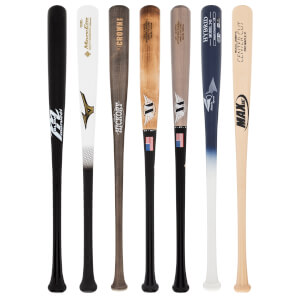
Players who want quick swings often choose ash bats. The lighter weight makes it easier to handle and speed up the swing. This can help improve hitting timing.
Credit: www.justbats.com
Birch Bats In Baseball
Birch wood is a popular choice for baseball bats. It offers a unique mix of strength and flexibility. This makes it a good option for many players.
Players often choose birch bats for their balance and feel. Birch wood provides a solid hit with less chance of breaking.
Balance Between Hardness And Flexibility
Birch has a firm hardness that helps with powerful hits. At the same time, it bends slightly on impact. This helps reduce the risk of cracks.
- Hard enough to hit the ball far
- Flexible enough to absorb shock
- Durable for longer use
- Offers a smooth swing feel
Popularity Among Players
Many players like birch bats for their performance and sound. The wood’s grain also makes the bats look good. Birch has grown in popularity over recent years.
| Player Type | Why They Like Birch Bats |
| Power Hitters | Strong hits with good bat control |
| Contact Hitters | Better feel and smooth swing |
| Amateurs | Durability and cost-effectiveness |
| Professionals | Balanced performance and reliability |
Hickory Bats: Pros And Cons
Hickory is a wood often used to make baseball bats. It is known for its toughness and durability. Many players like hickory bats for their strong build.
This wood type has some good points and some drawbacks. Understanding these can help players choose the right bat for them.
Strength And Weight
Hickory is very strong and hard. It can take many hits without breaking. This makes it a good choice for players who want a durable bat.
The weight of hickory bats is heavier than other woods. This can give more power but can also make the bat harder to swing fast.
- Strong and durable wood
- Can handle heavy impact
- Heavier than maple or ash bats
- May slow down swing speed
Historical Use
Hickory was the main wood used in baseball bats long ago. Many early players preferred it for its toughness. It was the standard before lighter woods became popular.
Today, hickory bats are less common but still made. Some players like them for a classic feel and strong performance.
- Primary wood in early baseball
- Used before maple and ash bats
- Known for toughness and durability
- Less common in modern baseball

Credit: oldhickorybats.com
Comparison Of Wood Types
Baseball bats are made from different types of wood. Each wood type has unique qualities.
This guide compares common woods used in bats based on durability, weight, performance, and cost.
Durability
Durability shows how well a bat resists breaking during use. Maple is very hard and strong. Ash is flexible but can break easier. Birch sits between maple and ash in toughness.
Weight
Weight affects how fast a player swings the bat. Ash is light, making swings quicker. Maple is heavier but offers solid hits. Birch has medium weight, balancing speed and power.
Performance
- Maple:Dense wood provides strong hits and less vibration.
- Ash:Flexible wood allows better control and feel.
- Birch:Combines strength and flexibility for balanced performance.
Cost
| Wood Type | Average Cost | Notes |
|---|---|---|
| Maple | High | Popular with pro players, dense wood costs more. |
| Ash | Medium | Widely available, usually less expensive. |
| Birch | Medium-High | Newer choice, cost varies by quality. |
Emerging Wood Alternatives
Baseball bats are usually made from ash, maple, or birch wood. New options have appeared recently. These options aim to improve strength and durability.
Some players and manufacturers look for woods that last longer or have unique features. These woods may change how bats perform on the field.
Composite Bats
Composite bats are made from a mix of materials like carbon fiber and resin. They are not pure wood but can feel similar. These bats are lighter and stronger in some cases.
Composite bats can have a larger sweet spot. This means players hit better even if the ball does not hit the center. They also reduce vibration, which helps with comfort.
- Made from carbon fiber and resin
- Lighter than traditional wood bats
- Larger sweet spot for hitting
- Less vibration on impact
- Not allowed in all leagues
Other Hardwood Options
Besides ash and maple, other hardwoods are used for bats. Hickory was popular long ago but is heavier. Bamboo is not a wood but is a strong, fast-growing option.
Bamboo bats are made by gluing strips together. They are tough and can last longer than some woods. Birch is another hardwood that offers flexibility and durability.
- Hickory: very strong but heavy
- Bamboo: strong, made from glued strips
- Birch: flexible and durable
- Beech: smooth grain and good hardness
Choosing The Right Wood For You
Baseball bats come in different types of wood. Choosing the right wood depends on your needs. This guide helps you pick the best wood for your bat.
Consider your skill, preferences, and league rules before deciding. Each factor affects which wood suits you best.
Player Skill Level
Beginners may want a lighter bat for better control. Skilled players might choose heavier wood for power. Different woods offer different weight and strength.
- Maple: Hard and dense, good for strong players.
- Ash: Lightweight and flexible, good for beginners.
- Birch: Balanced hardness and flexibility.
Personal Preference
Your feel and comfort with a bat matter most. Some prefer the smoothness of maple. Others like the grain of ash or birch. Try different woods to find what feels right.
| Wood Type | Feel | Weight |
| Maple | Hard and smooth | Heavier |
| Ash | Grainy and flexible | Lighter |
| Birch | Firm and springy | Medium |
League Regulations
Each league may have rules on what wood you can use. Some allow only certain types or weights. Check your league rules before buying a bat.
Common league rules include:
- Use only approved wood types like maple or ash.
- Maximum bat length and weight limits.
- Restrictions on bat finish and modifications.
Frequently Asked Questions
What Type Of Wood Is Best For Baseball Bats?
Maple and ash are the two most popular woods for baseball bats. Maple offers hardness and durability, while ash provides flexibility and a lighter weight. Both woods are widely used by professional and amateur players for their performance benefits.
Why Is Maple Preferred In Baseball Bats?
Maple is preferred for its density and hardness. It delivers more power on contact and resists cracking. Maple bats also provide a solid feel and greater durability, making them a favorite among power hitters.
How Does Ash Wood Affect Bat Performance?
Ash wood is lighter and more flexible than maple. This flexibility allows for quicker swing speeds and better control. Ash bats also absorb vibrations well, reducing sting and improving the overall hitting experience.
Are Other Woods Used In Baseball Bats?
Yes, besides maple and ash, birch and hickory are sometimes used. Birch offers a balance between hardness and flexibility, while hickory is very strong but heavier. However, maple and ash remain the most common choices.
Conclusion
Wood like ash, maple, and birch shapes baseball bats today. Each type offers unique strength and feel for players. Ash bats feel lighter and flex more on impact. Maple bats provide a harder, denser surface for power hits. Birch combines qualities from both ash and maple.
Choosing the right wood depends on personal comfort and playing style. Understanding these wood types helps players pick better bats. Quality wood makes a big difference in bat performance. Remember, the right bat can boost your confidence at the plate.