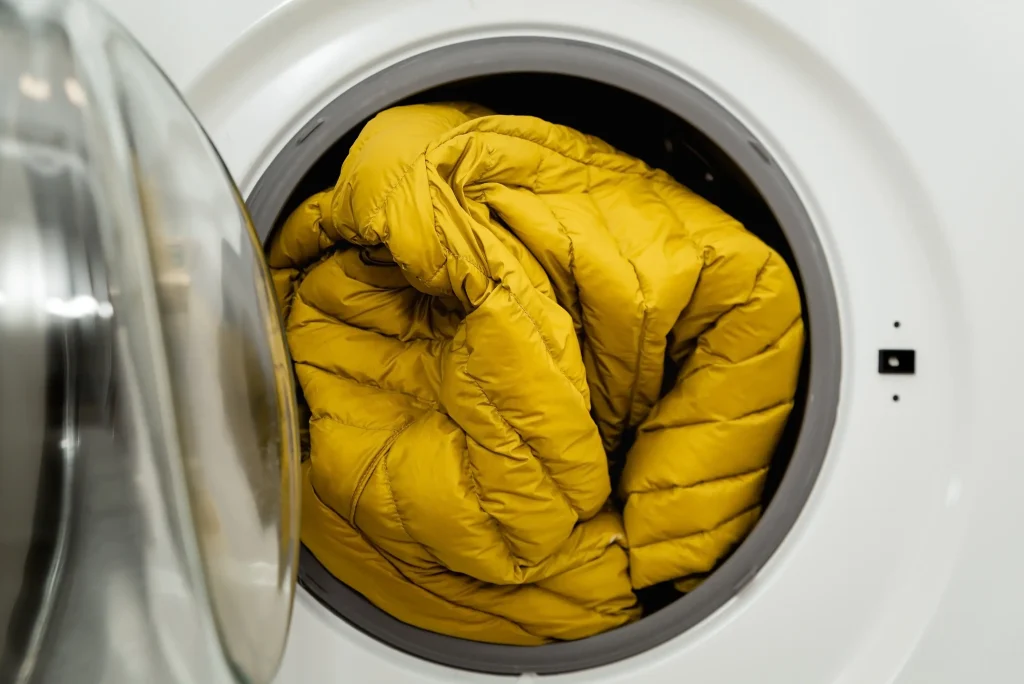
Have you ever wondered if you can wash your sleeping bag in a washing machine without ruining it? If you love camping or backpacking, keeping your sleeping bag clean is important for comfort and hygiene.
But the idea of tossing it into the washer can be nerve-wracking. What if it gets damaged, loses its warmth, or takes forever to dry? You’re not alone in asking these questions. You’ll discover simple, clear answers and easy steps to safely clean your sleeping bag at home.
Keep reading to learn how to refresh your gear without risk—and enjoy your next outdoor adventure even more.
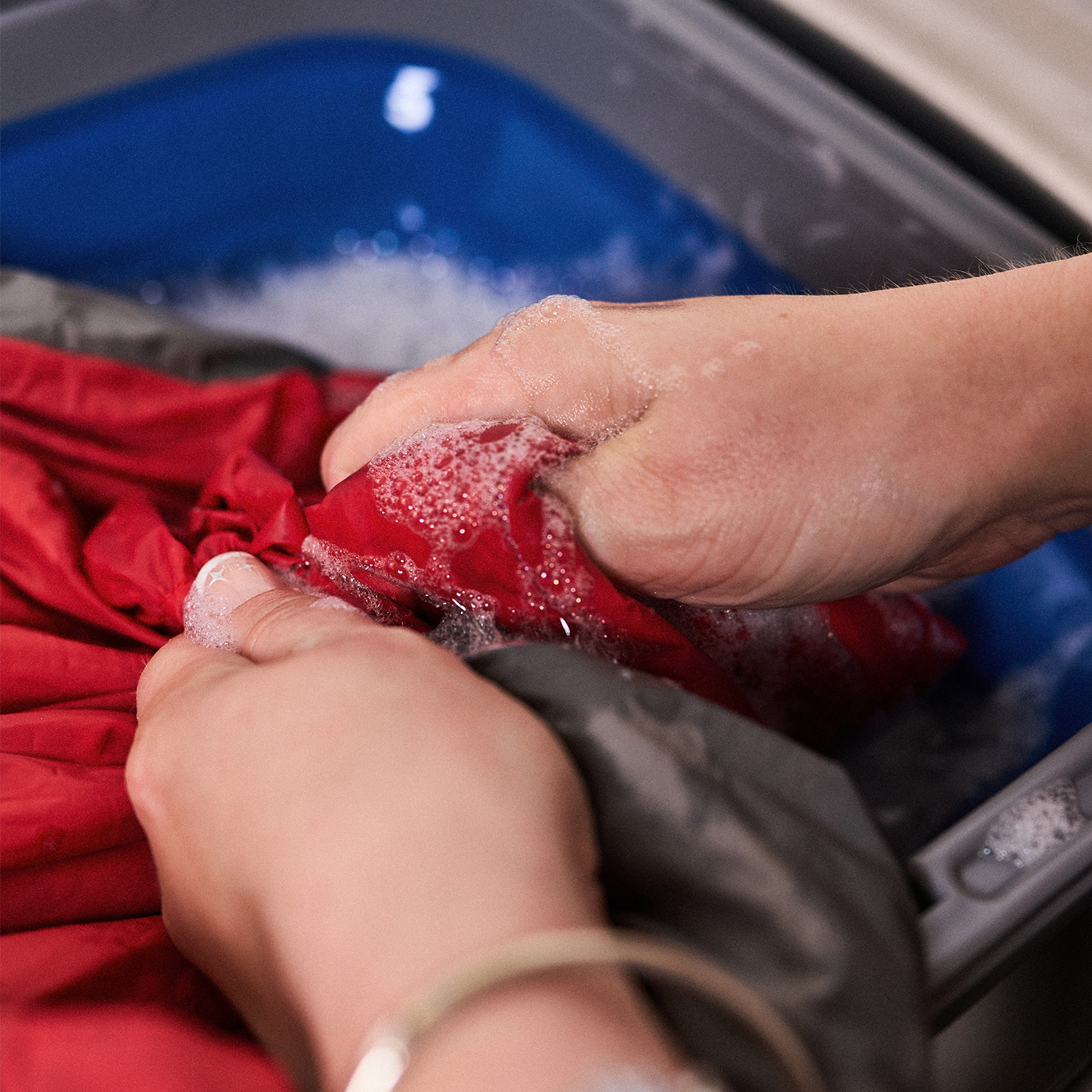
Credit: www.ellis-brigham.com
Choosing The Right Washing Machine
Washing a sleeping bag needs special care. Picking the right washing machine makes the process easier.
Not all machines clean sleeping bags well. You must consider the type and size of your washer.
Front-load Vs Top-load Machines
Front-load machines use less water and clean gently. They are good for delicate items like sleeping bags.
Top-load machines use more water and may be rougher. They can sometimes damage the filling inside a sleeping bag.
- Front-load washers spin faster, removing more water
- Top-load washers may have agitators that can harm fabric
- Front-load machines save energy and water
Capacity Considerations
Check your washing machine’s capacity before washing a sleeping bag. Too small a machine can cause poor cleaning.
Large capacity washers allow the sleeping bag to move freely. This helps remove dirt and soap better.
- Use a machine with at least 3.5 cubic feet capacity
- Overloading can prevent thorough cleaning
- Leave space for the sleeping bag to expand
Preparing Your Sleeping Bag
Washing a sleeping bag in a machine can be tricky. Proper preparation is key. This ensures your sleeping bag stays in good shape.
Follow these steps to get your sleeping bag ready for the wash. Taking the right steps protects your bag from damage.
Checking Care Labels
Start by reading the care label on your sleeping bag. The label gives important washing instructions. It tells you if machine washing is safe.
Some sleeping bags need special care. The label may suggest a gentle cycle or specific temperature. Always follow these guidelines.
Removing Loose Dirt And Debris
Shake out your sleeping bag to remove dirt and debris. This step prevents the washing machine from getting clogged. It also helps in cleaning the bag better.
Use a soft brush to gently remove any remaining dirt. Focus on areas with visible dirt. Avoid brushing too hard to protect the fabric.
Securing Zippers And Straps
Make sure all zippers are closed before washing. Open zippers can snag and cause damage. Secure any loose straps to prevent tangling.
Check for any small parts that might come off. Remove detachable items like hoods or liners. This keeps them from getting lost or damaged.
- Close all zippers
- Secure loose straps
- Remove detachable parts
Selecting The Best Detergent
Choosing the right detergent is important for washing a sleeping bag safely. The detergent must clean well without harming the fabric or insulation.
Using the wrong detergent can damage your sleeping bag, reduce its warmth, or cause clumping of the filling. Focus on gentle and effective options.
Avoiding Harsh Chemicals
Harsh chemicals can break down the fibers and reduce the loft of the sleeping bag. Avoid detergents with strong bleach or fabric softeners.
- Do not use bleach or chlorine-based cleaners
- Skip fabric softeners that leave residue
- Choose detergents labeled as gentle or for delicate fabrics
- Look for pH-neutral formulas to protect the material
Using Specialized Cleaners
Specialized cleaners keep your sleeping bag clean without harming down or synthetic insulation. These detergents help maintain loft and water resistance.
| Cleaner Type | Best For | Key Benefit |
| Down-specific detergent | Down sleeping bags | Preserves natural oils and loft |
| Synthetic fabric cleaner | Synthetic fill bags | Cleans without damaging fibers |
| Eco-friendly cleaner | All types | Free from harmful chemicals |
Washing Machine Settings
Washing a sleeping bag in a machine needs the right settings. Using the wrong cycle or temperature can damage the bag.
Choosing proper settings keeps the sleeping bag clean and safe. It helps keep the insulation and fabric in good shape.
Choosing The Right Cycle
Select a gentle or delicate cycle for washing your sleeping bag. These cycles use slow agitation to protect the fabric.
A regular or heavy cycle may cause tears or damage to the insulation inside the bag.
- Use “Delicate” or “Hand Wash” cycle
- Avoid “Heavy Duty” or “Normal” cycles
- Look for a cycle with slow agitation
Water Temperature Tips
Cold or lukewarm water is best for washing sleeping bags. Hot water can harm the insulation and fabric.
Using cold water saves energy and stops colors from fading. It also prevents shrinkage of the material.
- Use cold or lukewarm water (below 30°C/86°F)
- Avoid hot water to protect fabric and insulation
- Cold water helps keep colors bright
Spin Speed Recommendations
Choose a low spin speed to protect your sleeping bag. High spin speeds can cause damage and misshape the filling.
Low spin speeds remove water gently and reduce wrinkles. This helps your sleeping bag dry evenly and last longer.
- Select spin speed around 400-600 RPM
- Avoid high speeds above 800 RPM
- Low spin saves the bag’s shape and filling
Drying Your Sleeping Bag
After washing your sleeping bag, drying it properly is important. Drying keeps it warm and fluffy for your next trip.
There are two main ways to dry a sleeping bag: air drying and machine drying. Each has its own benefits and tips.
Air Drying Vs Machine Drying
Air drying is gentle and uses no heat. It takes longer but keeps the sleeping bag safe.
Machine drying is faster and uses heat. It helps restore loft but can damage the bag if done wrong.
- Air drying: hang in a shaded, well-ventilated spot
- Machine drying: use low heat and check often
- Both methods need patience for full drying
Using Dryer Balls
Dryer balls help speed up drying in a machine. They move the sleeping bag around to dry it evenly.
Use clean wool or rubber dryer balls. They prevent the filling from sticking together and improve air flow.
- Add 2-3 dryer balls to the dryer
- Check the bag often to avoid overheating
- Dry until the bag feels dry and fluffy
Preventing Clumping
Clumping happens when the filling sticks together, causing cold spots. It reduces warmth and comfort.
To avoid clumps, gently shake and fluff the bag during drying. This helps spread out the filling evenly.
- Pause drying to shake the bag every 20-30 minutes
- Use dryer balls to break up clumps
- After drying, manually fluff the bag before storage

Credit: www.familyhandyman.com
Maintaining Your Sleeping Bag Post-wash
Cleaning your sleeping bag is important to keep it fresh and functional. After washing, proper care helps keep its shape and warmth.
Follow these tips to store and clean your sleeping bag correctly. This way, it will last longer and stay comfortable.
Proper Storage Techniques
Store your sleeping bag loosely to keep the insulation fluffy. Avoid tight compression for long periods.
- Use a large cotton storage sack instead of a tight stuff sack.
- Hang your sleeping bag on a wide hanger in a dry place.
- Keep it away from direct sunlight to prevent fabric damage.
- Make sure it is completely dry before storing to stop mold growth.
Regular Cleaning Frequency
Cleaning your sleeping bag too often can wear it out. Clean it only when it is dirty or smells bad.
| Use | Cleaning Frequency |
| Occasional camping trips | Once per season |
| Frequent camping trips | Every few months |
| Indoor storage only | Once a year |
Common Mistakes To Avoid
Washing a sleeping bag in a machine needs care. Many people make errors that harm their bags.
Learn about common mistakes to keep your sleeping bag safe and clean.
Overloading The Machine
Putting a sleeping bag in a washing machine that is too full can cause damage. The bag needs space to move freely.
- Do not wash large items with the sleeping bag.
- Use a large-capacity washer for bulky bags.
- Overloading can stop the bag from cleaning well.
- Too much weight may break the machine.
Using Fabric Softener
Many people add fabric softener to soften clothes. It is bad for sleeping bags.
Fabric softeners can:
- Damage the waterproof coating.
- Reduce insulation ability.
- Cause clumping of filling inside the bag.
Always avoid fabric softeners when washing sleeping bags.
Ignoring Damage Before Washing
Checking your sleeping bag for tears or holes before washing is important. Washing with damage can make it worse.
| Damage Type | Effect if Ignored |
| Small tears | Tears can grow larger during washing |
| Loose seams | Filling may leak out |
| Broken zippers | May damage the machine or bag |

Credit: www.halfwayanywhere.com
Frequently Asked Questions
Can All Sleeping Bags Be Machine Washed?
Not all sleeping bags suit machine washing. Check the care label first. Some require hand washing or dry cleaning to maintain insulation and fabric quality.
What Washing Machine Settings Are Best For Sleeping Bags?
Use a gentle cycle with cold water. Avoid harsh detergents and fabric softeners. This protects the sleeping bag’s insulation and fabric integrity.
How Do You Dry A Sleeping Bag After Washing?
Air dry or use a low-heat tumble dryer. Add clean tennis balls to fluff insulation evenly while drying. Avoid direct sunlight to prevent fabric damage.
Can Washing A Sleeping Bag Ruin Its Insulation?
Improper washing can damage insulation. Use gentle cycles and proper detergents. Follow care instructions to keep loft and warmth intact.
Conclusion
Washing a sleeping bag in a machine can be safe and easy. Use a gentle cycle and mild detergent. Avoid high heat to protect the fabric and filling. Dry it slowly, preferably air drying or on low heat. Clean bags last longer and stay warm.
Treat your sleeping bag with care for many adventures. Simple steps keep it fresh and ready for use. Give your gear the attention it deserves.