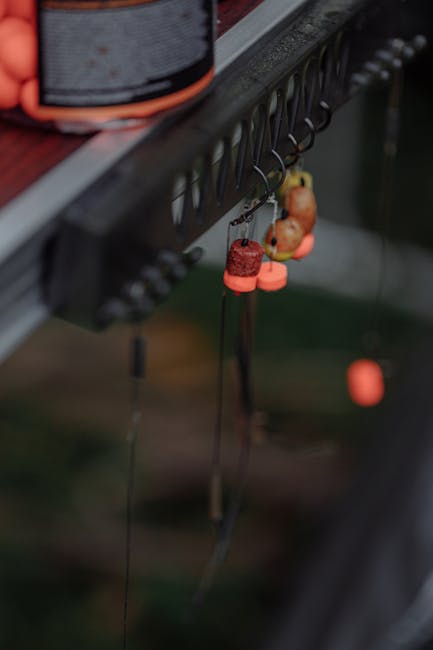
How often should you change your fishing line? It’s a question every angler faces, but many don’t know the answer.
Using old or worn-out line can mean missed catches and broken gear. You might think your line looks fine, but tiny damage can cost you the big fish. Knowing when to replace your line can save you time, money, and frustration on the water.
Keep reading to discover simple signs and expert tips that will help you fish smarter and catch more. Your next big catch might just depend on it.
Signs Your Fishing Line Needs Changing
Fishing line wears out over time and use. Knowing when to change it keeps you fishing well.
Look for clear signs that your line is no longer strong or reliable. This helps avoid lost fish.
Fraying And Abrasion
Check your fishing line for frays or worn spots. These happen when the line rubs against rocks or hooks.
- Look for small cuts or rough areas on the line
- Feel for weak spots by running your fingers along the line
- Replace line if it feels rough or damaged
Discoloration And Sun Damage
Sunlight can change the color of your fishing line. Faded or brittle line shows sun damage.
| Condition | What to Check |
| Normal | Clear or original color |
| Sun Damaged | Faded, yellowish, or chalky look |
| Brittle | Breaks easily when stretched |
Memory And Line Twist
Fishing line can develop “memory,” causing it to twist and tangle. This reduces casting quality.
Signs of line memory include:
- Loops or coils forming on the spool
- Line tangles more often
- Reduced smoothness when casting
Reduced Casting Distance
Old or damaged line casts shorter distances. This limits how far you can reach fish.
- Cast your line and note the distance
- Compare with previous casts or new line
- Change the line if distance drops significantly

Credit: www.reddit.com
Factors Affecting Line Longevity
Fishing line does not last forever. Many factors affect how long it stays strong. Knowing these factors helps you decide when to change your fishing line.
Understanding these elements ensures your fishing line is always reliable. Let’s explore the key factors that affect line longevity.
Type Of Fishing Line
There are three main types of fishing line: monofilament, fluorocarbon, and braided. Each type has different durability.
- Monofilament: Stretchy and affordable, but weakens with sun exposure.
- Fluorocarbon: Sinks faster, resists water absorption, but is more expensive.
- Braided: Strongest and lasts long, but can be visible in clear water.
Fishing Environment
The environment where you fish affects line life. Saltwater is harsher than freshwater. Sun and heat can weaken the line.
Fishing in rocky areas can cause abrasion. Clean and dry your line after fishing in salty water.
Frequency Of Use
The more you fish, the more wear your line endures. Frequent use means you should change your line more often.
If you fish daily, inspect your line regularly for signs of wear and tear.
Line Maintenance Practices
Proper care extends the life of your fishing line. Rinse your line after each use, especially in saltwater.
- Store your line away from direct sunlight.
- Check for nicks or frays before each use.
- Use line conditioner to keep the line smooth.
Recommended Replacement Intervals
Fishing line is a vital part of your gear. Changing it regularly keeps your fishing safe and effective.
Each type of line has its own lifespan. This guide helps you know when to replace your line.
Monofilament Lines
Monofilament lines are popular and affordable. They stretch under pressure but weaken over time.
- Replace every 3 to 6 months if you fish often.
- Change sooner if line shows cracks or stiffness.
- Store in a cool, dark place to extend life.
Fluorocarbon Lines
Fluorocarbon lines resist water and abrasion better than monofilament. They last longer but still need replacement.
| Condition | Replacement Time |
| Heavy use | 6 to 12 months |
| Light use | Up to 1 year |
| Visible damage | Replace immediately |
Braided Lines
Braided lines are very strong and have little stretch. They last the longest but still need checking.
Signs to replace braided line:
- Fraying or broken fibers
- Loss of color or stiffness
- Line feels rough or weak
Replace braided line every 1 to 2 years depending on use.

Credit: www.reddit.com
Tips To Extend Fishing Line Life
Fishing line can last longer if you take good care of it. Changing it too often can be costly. Learn how to keep your line strong and useful for many trips.
Simple steps help prevent damage and wear. Follow these tips to get the most from your fishing line.
Proper Storage Techniques
Store fishing line in a cool, dry place. Avoid tight coils that can cause twists and weak spots. Use a spool or a line holder to keep it neat.
Keep the line away from sharp objects that might cut or damage it. Proper storage helps keep the line flexible and strong.
- Use original spool or a line holder
- Store line in a dry, cool area
- Avoid tight or uneven coils
- Keep away from sharp edges
Regular Cleaning
Dirt and salt can weaken fishing line. Rinse your line with fresh water after each use, especially if you fish in saltwater. This keeps the line clean and strong.
Use a soft cloth to wipe the line gently. Avoid harsh chemicals that can damage the material.
- Rinse line with fresh water after fishing
- Wipe gently with a soft cloth
- Do not use strong chemicals
Avoiding Overexposure To Sunlight
Sunlight breaks down fishing line over time. UV rays weaken the material and cause it to lose strength. Keep your line covered or stored away from direct sunlight.
Use a tackle box or bag to protect your line. This helps prevent fading and damage that reduce line life.
- Store line out of direct sunlight
- Use a tackle box or protective bag
- Avoid leaving line on rods in the sun
Choosing The Right Line For Your Needs
Choosing the right fishing line is important for a good fishing trip. The line affects how well you catch fish and how long your gear lasts.
Different fishing situations need different types of line. Think about what kind of fish you want to catch and where you will fish.
Matching Line Strength To Target Species
Pick a line strong enough for the fish you want to catch. Bigger fish need thicker, stronger lines to hold them.
Using a weak line can cause it to break easily. A line that is too strong may be hard to cast well.
- Small fish: 2-6 pound test line
- Medium fish: 8-12 pound test line
- Large fish: 15-30 pound test line or more
Considering Water Conditions
Water type affects your choice of line. Clear water needs thinner, less visible line to avoid spooking fish.
In rough or weedy water, use a stronger or more abrasion-resistant line. This helps prevent breaks from rocks and plants.
- Clear water: low visibility, thin line
- Muddy water: thicker, more visible line is okay
- Rocky or weedy water: strong, abrasion-resistant line
Balancing Sensitivity And Durability
Sensitivity helps you feel bites. Thin, light lines give better feel but may break easily.
Durability means the line can handle wear and tough fish. Stronger lines may feel less sensitive but last longer.
- Fluorocarbon lines: good sensitivity, resistant to water
- Monofilament lines: flexible, less sensitive, durable
- Braid lines: very sensitive and strong, less stretch

Credit: www.youtube.com
Tools And Techniques For Line Inspection
Fishing line wears out over time and with use. Checking your line often helps avoid breaks and lost fish.
There are simple tools and ways to inspect your fishing line. These help you find damage early.
Visual Inspection Methods
Look closely at your fishing line under good light. Watch for cracks, nicks, or discoloration.
Check the line near the hooks and guides. These spots often show wear first.
- Use a bright light or sunlight
- Look for fraying or small cuts
- Notice any fading or color changes
- Inspect knots for damage
Tactile Tests
Feel the line with your fingers to find rough or weak spots. Run the line slowly between thumb and forefinger.
Soft or thin areas may mean the line is worn out and needs changing.
- Check for roughness or bumps
- Feel for thin or weak sections
- Test knots for tightness and strength
Using Line Testers
Line testers measure the strength of your fishing line. They help decide if the line can hold weight.
These tools pull the line until it breaks or reaches a set force. You then know how strong your line is.
- Use a line tester suitable for your line type
- Attach the line and slowly apply force
- Note the breaking point or stretch limit
- Compare results to the line’s rated strength
Frequently Asked Questions
How Often Should Fishing Line Be Replaced?
Fishing line should be replaced every 3 to 6 months with regular use. Frequent anglers may need to change it more often. Always inspect the line for damage or wear before fishing.
What Signs Indicate Fishing Line Needs Changing?
Look for fraying, discoloration, stiffness, or nicks on the line. These signs reduce strength and casting performance. If the line feels weak or damaged, replace it immediately.
Does Saltwater Affect Fishing Line Lifespan?
Yes, saltwater can degrade fishing line faster due to corrosion and UV exposure. Rinse your line with fresh water after each use and consider more frequent replacements if you fish in saltwater.
Can Old Fishing Line Cause Lost Catches?
Absolutely, old or damaged line snaps easily under stress. It reduces your chances of landing fish. Keeping your line fresh ensures better strength and reliability during fishing.
Conclusion
Changing your fishing line regularly keeps your gear strong and ready. Old line can break easily and cause lost fish. Check your line after every few trips or if it looks worn. Fresh line helps you cast better and catch more fish.
Don’t wait for problems to happen. Keep your fishing fun and stress-free by changing line on time. Simple steps like this improve your fishing experience a lot. Remember, good care makes your gear last longer and work well.