Your sleeping bag is your trusted companion on every adventure, keeping you warm and cozy. But after countless nights under the stars, it’s bound to get dirty.
Wondering how to clean it without ruining its insulation or fabric? You’re in the right place. This guide will show you exactly how to wash your sleeping bag in a washing machine safely and effectively. By following these simple steps, you’ll keep your gear fresh and ready for your next trip.
Keep reading to learn the easy way to care for your sleeping bag and extend its life.

Credit: www.halfwayanywhere.com
Choosing The Right Washing Machine
Washing a sleeping bag in a washing machine needs care. Picking the right machine helps keep it safe and clean.
Different machines work better for different sleeping bags. Let’s look at two main types of washing machines and their capacity.
Front-load Vs Top-load Machines
Front-load machines use a tumbling action that is gentle on fabrics. They usually clean better and use less water.
Top-load machines have a central agitator that can be rough on delicate items. They wash faster but might damage your sleeping bag.
- Front-load machines are better for bulky sleeping bags.
- Top-load machines may cause more wear and tear.
- Front-load machines use less detergent and water.
- Top-load machines often have shorter wash cycles.
Capacity Considerations
Check the washing machine’s drum size before washing your sleeping bag. The bag needs enough space to move freely.
| Machine Type | Recommended Capacity | Why It Matters |
| Front-Load | 4.5 cubic feet or more | Allows gentle tumbling and thorough cleaning |
| Top-Load | 5.0 cubic feet or more | Needs extra space due to agitator |
A machine that is too small can compress the sleeping bag. This stops water and detergent from reaching all parts.
Preparing Your Sleeping Bag
Washing a sleeping bag in a machine requires some preparation. Proper preparation ensures your sleeping bag stays in good condition.
Follow these steps to get your sleeping bag ready for a wash. Each step is important for maintaining the bag’s quality.
Checking The Care Label
Before washing, always check the care label on your sleeping bag. The label provides washing instructions and material information.
Some sleeping bags require special care. Always follow the instructions to avoid damage.
Removing Loose Dirt And Debris
Remove any loose dirt or debris from the sleeping bag. This helps prevent clogging your washing machine.
Shake the bag outside or use a soft brush to clean the surface. Be gentle to avoid tearing the fabric.
Closing Zippers And Velcro
Close all zippers and Velcro straps before washing. This prevents them from snagging or damaging the bag.
Zipping up the bag also helps it retain its shape during washing. Ensure all fasteners are secure before placing it in the machine.
Selecting Detergents And Cleaning Agents
Washing sleeping bags in a machine needs the right detergent. The wrong cleaner can harm the fabric and filling. Choose detergents that clean well but are gentle on materials.
It is also important to avoid some products that can damage your sleeping bag. Picking the best cleaning agents helps keep your bag soft and warm for many trips.
Using Mild Detergents
Mild detergents clean sleeping bags without hurting the fabric. They do not contain strong chemicals that can break down the filling. Use detergents made for delicate or outdoor gear.
These detergents help keep the bag’s insulation fluffy and effective. They also protect the outer shell from damage and wear.
- Look for detergents labeled “mild” or “gentle”
- Choose soap-free or low-suds formulas
- Avoid detergents with perfumes or dyes
- Use the right amount to avoid residue
Avoiding Fabric Softeners And Bleach
Fabric softeners make sleeping bags less breathable. They leave a coating that stops the insulation from working well. Bleach can weaken fibers and cause colors to fade.
Both fabric softeners and bleach shorten the life of your sleeping bag. Skip these to keep your bag warm and durable for a long time.
- Do not use fabric softeners in the wash cycle
- Avoid bleach even for tough stains
- Choose detergents without brighteners or additives
- Spot clean stains with gentle soap instead
Washing Settings And Techniques
Washing your sleeping bag in a machine requires care to keep it clean and safe. Using the right settings helps protect the fabric and filling. This guide covers the best cycle, water temperature, and rinse options.
Following simple steps can keep your sleeping bag fresh without damage. Adjust your washing machine properly for good results.
Choosing The Right Cycle
Selecting the correct washing cycle is important. Use a gentle or delicate cycle to avoid rough spinning. This reduces wear on the bag’s fabric and insulation.
- Use the gentle or delicate cycle
- Avoid heavy or bulky cycles
- Set the spin speed to low or medium
- Choose a cycle that allows a longer wash time with slow agitation
Water Temperature Guidelines
Water temperature affects how clean your sleeping bag gets and how well it stays in shape. Use cold or warm water to protect the insulation and fabric.
| Water Temperature | Effect |
| Cold (30°C / 86°F) | Gentle on fabric, prevents shrinking |
| Warm (up to 40°C / 104°F) | Better stain removal, still safe for most bags |
| Hot (above 40°C / 104°F) | Can damage insulation and fabric, avoid |
Extra Rinse Options
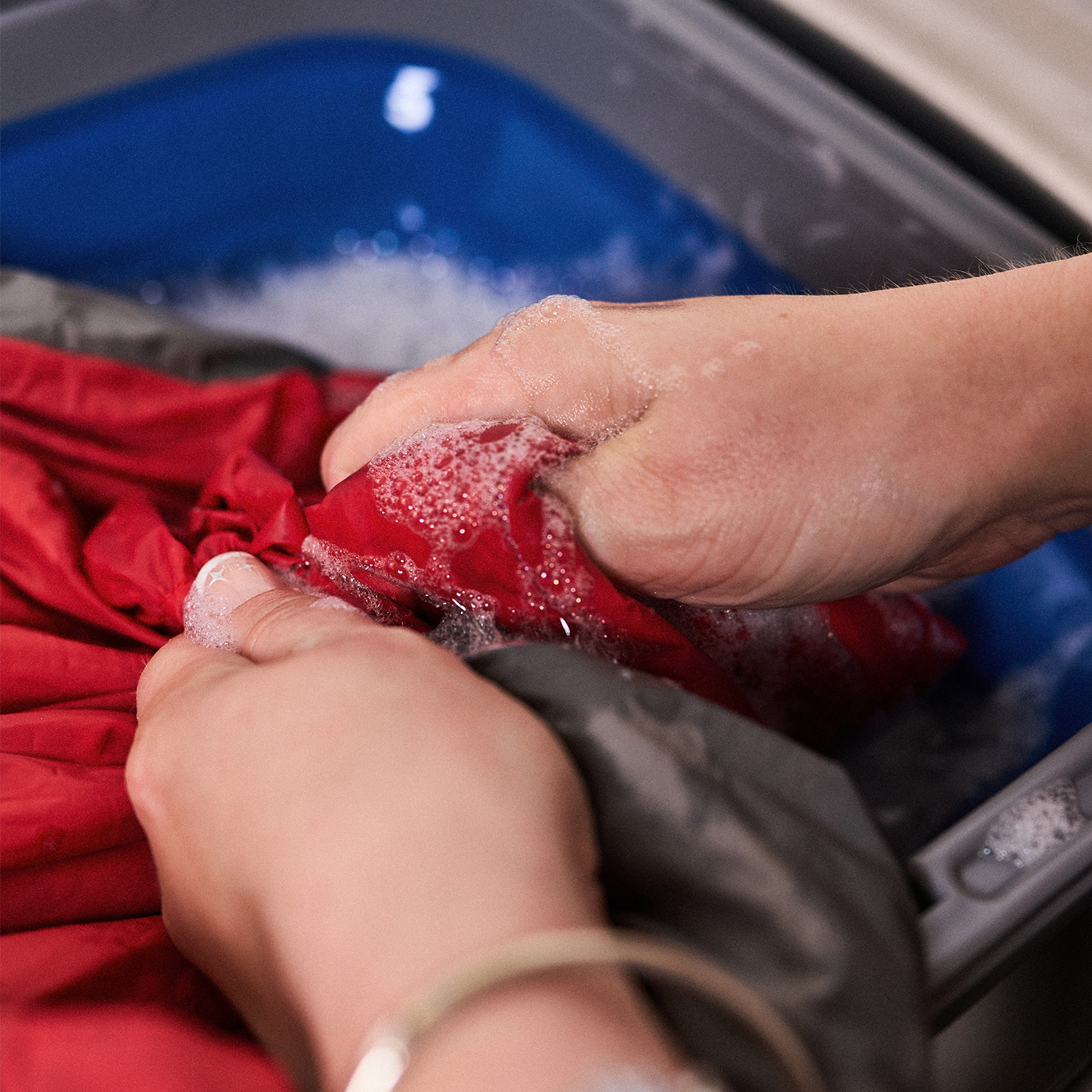
Extra rinses help remove all detergent residue from your sleeping bag. This keeps the filling soft and prevents skin irritation.
Use these tips for rinsing your sleeping bag:
- Enable the extra rinse cycle if your machine has one
- Run a second rinse cycle manually if needed
- Make sure no soap remains trapped in the fabric
Drying Your Sleeping Bag
Drying your sleeping bag correctly keeps it warm and comfortable. Wet sleeping bags can develop bad smells and lose their loft.
Choose the right drying method based on your sleeping bag’s material. This helps protect it and extend its life.
Using A Dryer Safely
Use a dryer only if the sleeping bag’s care label allows it. Set the dryer to low heat or air fluff to avoid damage.
Add clean tennis balls or dryer balls to the dryer. They help break up clumps and keep the insulation fluffy.
- Check the care label before drying
- Use low heat or air fluff setting
- Add tennis balls or dryer balls
- Pause and shake the bag during drying
- Dry completely to prevent mold
Air Drying Tips
Air drying is gentle and safe for all sleeping bags. Find a dry, shaded area with good airflow to hang your bag.
Lay the bag flat or hang it by the loops. Avoid direct sunlight, which can weaken the fabric and colors.
- Choose a shaded, ventilated spot
- Hang by loops or lay flat
- Turn the bag occasionally
- Keep it away from direct sun
- Allow enough time to dry fully
Maintaining Loft And Fluffiness
Loft is the thickness that keeps you warm. Fluff your sleeping bag gently during drying to keep its loft.
Use your hands to break apart any clumps in the insulation. This helps the bag dry evenly and stay soft.
- Shake and fluff the bag often
- Break up insulation clumps gently
- Dry the bag completely
- Store the bag loosely to keep loft
Credit: www.ellis-brigham.com
Common Mistakes To Avoid
Washing sleeping bags in a machine can be tricky. Avoiding common errors helps keep them clean and safe.
Learn what mistakes to skip for best washing results and longer sleeping bag life.
Overloading The Machine
Putting too many items or a big sleeping bag in the washer hurts cleaning. It stops water and soap from reaching all parts.
Overloading also stresses the machine and may cause damage. It can leave the sleeping bag wet and heavy inside.
- Use a large washing machine for big sleeping bags
- Wash one sleeping bag at a time
- Leave space for the bag to move freely
Using Harsh Chemicals
Strong detergents and bleach can harm sleeping bag fabric and insulation. They reduce warmth and durability.
Use mild detergent made for delicate fabrics. Avoid fabric softeners that damage water resistance.
- Choose gentle, non-detergent soap
- Skip bleach and fabric softeners
- Follow detergent instructions carefully
Improper Drying Methods
Drying sleeping bags wrong can ruin insulation and cause mildew. Air drying too slowly or using high heat is risky.
Use a low heat setting if you tumble dry. Add clean tennis balls to keep filling fluffy. Make sure the bag is fully dry before storing.
- Avoid direct sunlight when air drying
- Use low heat for machine drying
- Check dryness by feeling thickness and weight
Storing Your Clean Sleeping Bag
After washing your sleeping bag in the washing machine, proper storage is important. Good storage keeps your sleeping bag fresh and lasts longer.
Storing a sleeping bag wrong can damage its insulation and shape. Learn the best ways to store it safely.
Proper Storage Techniques
Store your sleeping bag in a large, breathable bag. Avoid tight stuff sacks for long-term storage. This helps the insulation keep its loft and warmth.
Keep the sleeping bag in a cool, dry place. Avoid damp areas that can cause mold or mildew. Hanging it loosely is also a good idea.
- Use a cotton or mesh storage sack
- Keep away from direct sunlight
- Store in a dry, ventilated space
- Hang on a wide hanger or lay flat
Avoiding Compression Damage
Compression can harm the sleeping bag’s insulation. Avoid storing it in small, tight bags for a long time. This flattens the filling and reduces warmth.
Let your sleeping bag rest fully expanded after washing. Only compress it when packing for trips, then unpack immediately after use.
- Do not keep in tight stuff sacks long-term
- Let insulation dry and fluff up before storage
- Use large storage bags or hang it loosely
- Compress only when traveling, not for storage

Credit: www.familyhandyman.com
Frequently Asked Questions
How Do I Prepare My Sleeping Bag For Washing?
Zip up your sleeping bag and check for damage. Remove dirt or debris by brushing it off. Use a front-loading washing machine for best results.
What Detergent Is Best For Washing Sleeping Bags?
Use a mild, non-detergent soap or a cleaner designed for outdoor gear. Avoid regular detergents and bleach to protect insulation and fabric.
Which Washing Machine Cycle Is Ideal For Sleeping Bags?
Choose a gentle or delicate cycle with cold water. This prevents damage to the fabric and insulation inside your sleeping bag.
How Should I Dry My Sleeping Bag After Washing?
Air dry by laying it flat in a shaded area. Use a large dryer on low heat with clean tennis balls to restore loft.
Conclusion
Washing your sleeping bag in a machine keeps it clean and fresh. Use gentle cycles and mild detergent to protect the fabric. Always dry it slowly to keep its shape and warmth. Clean sleeping bags last longer and stay comfortable on trips.
Follow these simple steps to care for your gear. Ready for your next adventure with a fresh sleeping bag?