Getting the right fit for your bike helmet is more important than you might think. If your helmet is too loose, it won’t protect you properly.
If it’s too tight, it will be uncomfortable and distracting while you ride. So, how do you measure for a bike helmet the right way? You’ll learn simple steps to find the perfect size for your head. Once you get it right, you’ll feel safer and more confident every time you hit the road or trail.
Keep reading to discover easy tips that make choosing your helmet a breeze.
Why Helmet Fit Matters
A properly fitting bike helmet keeps you safe during rides. It protects your head from injuries.
Knowing how to measure for a bike helmet helps you find the right size. This ensures comfort and safety.
Comfort And Safety
A helmet that fits well feels comfortable and stays in place. A loose helmet can fall off in an accident.
- Prevents helmet from sliding during a fall
- Reduces pressure points on your head
- Improves protection by covering the right areas
- Encourages wearing the helmet consistently
How To Measure Your Head
Use a soft measuring tape to find your head size. Wrap it around your head above your eyebrows and ears.
Note the measurement in centimeters or inches. This number helps you pick the helmet size.
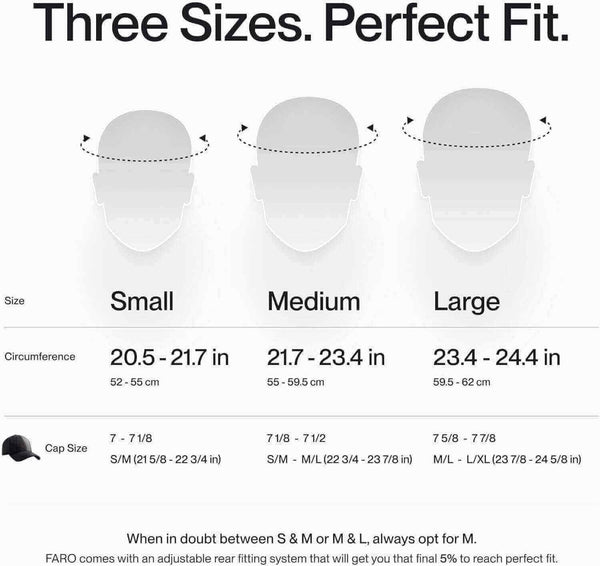
Helmet Size Chart
| Head Circumference | Helmet Size |
| 50-54 cm (19.7-21.3 in) | Small |
| 55-58 cm (21.7-22.8 in) | Medium |
| 59-62 cm (23.2-24.4 in) | Large |
| 63-66 cm (24.8-26.0 in) | Extra Large |
Adjusting The Helmet Fit
Most helmets have straps and pads to adjust the fit. Tighten straps so the helmet feels snug but not tight.
Check the fit by:
- Shaking your head side to side
- Making sure the helmet does not move too much
- Ensuring the front covers your forehead
- Adjusting the chin strap to fit securely

Credit: www.btosports.com
Tools Needed For Measuring
Measuring for a bike helmet is important for safety. You need the right tools to get accurate measurements.
Having the right tools ensures your helmet fits well. This guide will help you gather what you need.
Measuring Tape
A soft measuring tape is ideal for measuring your head. It wraps around easily and gives an accurate reading.
- Use a flexible measuring tape for best results.
- Ensure the tape is not twisted while measuring.
- Keep the tape snug but not tight.
Mirror
A mirror helps you check the positioning of the measuring tape. It ensures the tape is level around your head.
Notebook And Pen
Recording your measurements is crucial. A notebook and pen make it easy to jot down numbers.
| Tool | Purpose |
| Notebook | Record measurements |
| Pen | Write down sizes |
Step-by-step Measuring Process
Choosing the right bike helmet size helps keep you safe and comfortable. Measuring your head correctly is the first step.
This guide explains how to measure your head, find your helmet size, and check if the helmet shape fits your head.
Measuring Head Circumference
Use a flexible tape measure to find your head size. Measure just above your eyebrows and ears around the widest part of your head.
- Place the tape measure about 1 inch above your eyebrows.
- Wrap it around your head above the ears.
- Keep the tape snug but not tight.
- Note the number where the tape meets.
- Repeat twice to confirm accuracy.
Identifying Helmet Size Charts
Helmet brands use size charts based on head circumference. Check the chart to find your helmet size.
| Head Circumference (cm) | Helmet Size |
|---|---|
| 51-54 | Small |
| 55-58 | Medium |
| 59-62 | Large |
| 63-66 | Extra Large |
Checking Helmet Shape Compatibility
Helmet shapes vary. Find one that fits your head shape well for comfort and safety.
Common helmet shapes include:
- Round:Fits heads with similar width and length.
- Oval:Fits longer heads front to back.
- Intermediate Oval:Fits most head shapes.
Try helmets in your size and shape to see what feels best.
Trying On The Helmet
Trying on a bike helmet helps you find the right fit for safety and comfort. A good fit protects your head during rides.
Follow simple steps to make sure your helmet fits well before you buy or ride.
Positioning The Helmet Correctly
Place the helmet level on your head. It should sit low on your forehead, just above your eyebrows.
A helmet that tilts back or forward may not protect your head properly in a fall.
Adjusting Straps And Pads
Use the straps to secure the helmet tightly but comfortably. The side straps should form a “V” shape below your ears.
Adjust the pads inside the helmet to fill any gaps. This stops the helmet from moving around on your head.
- Check that straps are snug but not too tight
- Make sure the chin strap fastens securely
- Use pads to improve fit and comfort
Performing Fit Tests
Shake your head side to side and up and down. The helmet should stay in place without slipping.
Try opening your mouth wide. You should feel the helmet pull slightly downward.
- Helmet stays steady during head movement
- Chin strap feels snug when mouth opens
- No pressure points or discomfort
Common Fit Issues And Fixes
Wearing a bike helmet that fits well is important for safety and comfort. Many people face problems with helmet fit. Some helmets feel too tight or too loose. Others cause pressure points that hurt during rides.
This guide explains common fit issues and how to fix them. Proper adjustments can make your helmet safe and comfortable.
Helmet Too Tight
A helmet that feels too tight can cause headaches and leave marks on your skin. It may squeeze your head uncomfortably and make you want to take it off.
- Check if the helmet size matches your head circumference.
- Use the adjustment dial at the back to loosen the fit slightly.
- Adjust or remove extra padding inside the helmet.
- Try a different helmet model that fits your head shape better.
Helmet Too Loose
A loose helmet moves when you shake your head. This reduces protection and can be distracting. Fixing a loose helmet improves safety.
| Fix | How to Do It |
| Use Adjustment Dial | Turn the dial clockwise to tighten the helmet fit. |
| Adjust Chin Straps | Tighten the straps so the helmet stays snug under your chin. |
| Replace Padding | Add thicker pads if the helmet feels loose inside. |
| Try a Smaller Size | Consider a smaller helmet if adjustments don’t help. |
Pressure Points And Discomfort
Some helmets cause pain in certain spots on your head. These pressure points make riding uncomfortable and can cause headaches.
To reduce pressure points, try these tips:
- Identify where the helmet presses too hard.
- Move or remove padding in those areas.
- Adjust the helmet position slightly forward or backward.
- Wear a thin cycling cap under the helmet for extra cushioning.
- Test different helmet brands and shapes to find one that fits your head better.

Credit: www.amazon.com
Tips For Different Helmet Types
Measuring your head correctly is key to finding a safe bike helmet. Different helmet types need specific fits.
Use a soft tape measure to get the right size. Wrap it around your head above your eyebrows.
Road Bike Helmets
Road bike helmets are light and aerodynamic. They should fit snugly but not feel tight.
Measure your head at the widest point. Check the helmet’s fit by shaking your head gently.
- Measure just above your eyebrows
- Try the helmet on with straps fastened
- Adjust fit pads for comfort
- Helmet should not move when you shake your head
Mountain Bike Helmets
Mountain bike helmets offer more coverage on the back of your head. Measure carefully for full protection.
Make sure the helmet sits level on your head. The front should cover your forehead without blocking vision.
- Measure around the largest part of your head
- Check that the helmet covers the back of your head
- Ensure the chin strap fits snugly
- Move your head to test helmet stability
Kids’ Helmets
Kids’ helmets need to fit well for safety and comfort. Children’s heads grow fast, so measure often.
Choose a helmet that fits without gaps. Look for adjustable straps and padding to grow with your child.
- Measure just above the eyebrows
- Pick a helmet with adjustable sizing
- Check the fit regularly as kids grow
- Make sure the helmet does not tilt forward or backward
When To Replace Your Helmet
Knowing when to replace your bike helmet keeps you safe. Helmets protect your head during crashes. But they do not last forever.
Helmets wear down over time and after impacts. This guide helps you learn when to get a new helmet.
Check The Helmet’s Age
Most helmet makers say to replace helmets every 3 to 5 years. Materials inside break down even if the helmet looks fine.
Look for the manufacturing date inside the helmet. If it is older than 5 years, it is time to buy a new one.
Replace After A Crash
Any impact can damage the helmet, even if you see no cracks. The foam inside may be crushed and less protective.
- Replace the helmet after a fall or crash
- Do not try to fix or reuse a damaged helmet
- Keep the receipt or note the crash date for records
Look For Visible Damage
Check for cracks, dents, or broken straps. Damaged parts reduce helmet safety and comfort.
| Damage Type | What to Do |
| Cracks in shell | Replace helmet immediately |
| Crushed foam | Replace helmet immediately |
| Broken straps | Replace helmet or repair strap if safe |
| Loose fit | Adjust or replace helmet |
Consider Changes In Fit
Helmets should fit snugly. If your helmet feels loose or uncomfortable, it may be time for a new one.
Kids especially need new helmets as they grow. Make sure the helmet covers the forehead and does not move easily.

Credit: www.amazon.ca
Frequently Asked Questions
How Do I Measure My Head For A Bike Helmet?
Use a soft measuring tape around your head, about 1 inch above your eyebrows. Measure in centimeters for accuracy. This size helps find the right helmet fit.
Why Is Helmet Size Important For Safety?
A properly sized helmet offers better protection in crashes. It stays securely in place, reducing injury risk. An ill-fitting helmet can slide or cause discomfort.
Can I Use A Hat Size To Buy A Helmet?
Hat size is a rough guide but not precise. Helmet sizes vary by brand and shape. Always measure your head circumference for the best fit.
How Tight Should A Bike Helmet Fit?
A helmet should feel snug but not tight. It shouldn’t move more than an inch when you shake your head. Comfort and security are key.
Conclusion
Measuring your head correctly ensures your bike helmet fits well. A good fit keeps you safe and comfortable while riding. Use a soft tape measure around your head, just above your eyebrows. Check the size chart on the helmet brand you choose.
Try the helmet on before buying if possible. Adjust the straps so the helmet stays snug but not tight. Remember, a well-fitted helmet protects your head better in case of a fall. Take your time measuring—it’s worth the effort for safety.