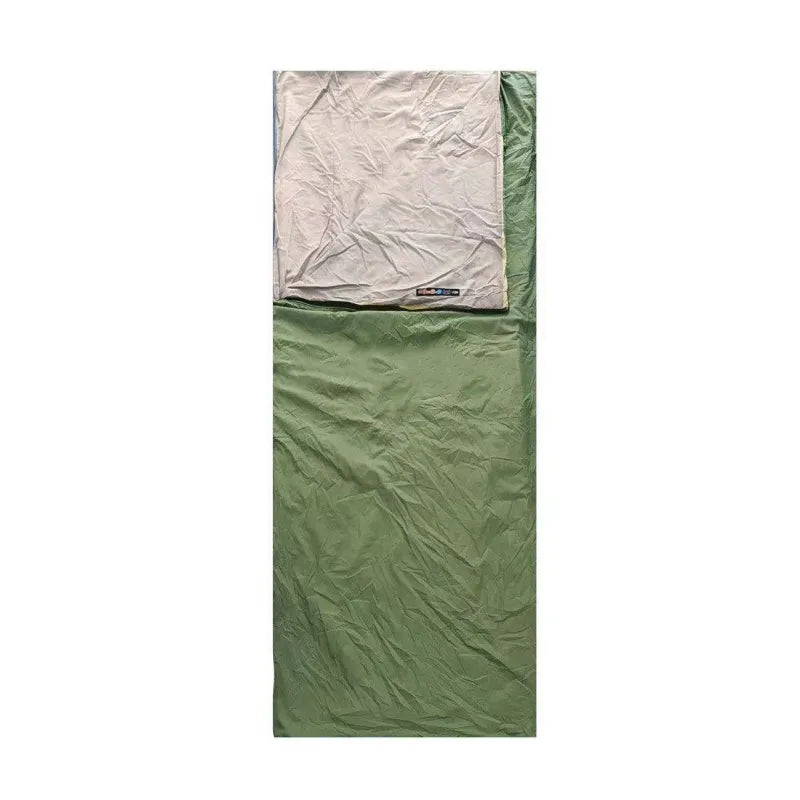
Have you ever wondered if your sleeping bag is washable? You rely on it for a good night’s sleep during camping trips, but keeping it clean can be tricky.
If you don’t wash it properly, you risk damaging the material or losing its warmth. But don’t worry—this article will guide you step-by-step on how to clean your sleeping bag safely. By the end, you’ll know exactly what to do to keep your sleeping bag fresh and ready for your next adventure.
Keep reading to protect your gear and enjoy a cozy night outdoors every time.
Can You Wash Sleeping Bags?
Sleeping bags can get dirty after camping trips or outdoor use. It is important to clean them to keep them fresh and safe.
Washing sleeping bags is possible, but you must know the right way. Washing depends on the bag’s material and type.
Materials And Washing Compatibility
Sleeping bags are made from different materials like down, synthetic fibers, or cotton. Each material needs special care when washing.
Down bags are warm but delicate. Synthetic bags dry faster and handle washing better. Cotton bags are rare but easy to clean.
- Down bags need gentle washing with special detergent
- Synthetic bags can usually be machine washed on a gentle cycle
- Cotton bags can be washed normally but may take longer to dry
- Avoid harsh chemicals and bleach for all materials
Types Of Sleeping Bags And Care
There are mummy, rectangular, and semi-rectangular sleeping bags. Each type has different shapes but similar care needs.
Check the care label before washing. Use a large washing machine if possible. Dry bags completely to avoid mold.
- Mummy bags: Handle with care due to tight shape and insulation
- Rectangular bags: Easier to wash because of simple shape
- Semi-rectangular bags: Follow label instructions closely
- Dry bags flat or hang in a dry, ventilated area
When To Clean Your Sleeping Bag
Sleeping bags are essential for camping trips. They keep you warm and comfortable at night. Over time, they can get dirty and lose effectiveness.
It’s important to know when to wash your sleeping bag. Cleaning it at the right time helps maintain its quality and extends its life.
Signs It Needs Washing
Look for signs that your sleeping bag needs a wash. These signs can help you decide when it’s time to clean it.
- It smells bad.
- There are visible stains.
- The fabric feels sticky.
- It has lost some of its warmth.
Frequency Of Cleaning
Knowing how often to clean your sleeping bag is important. Too much washing can damage the fabric. Not enough can leave it unhygienic.
For regular campers, wash your sleeping bag once every season. If you camp less, washing it once a year is enough.
| Usage Frequency | Cleaning Frequency |
| Regular Camping | Every Season |
| Occasional Camping | Once a Year |
Preparing Your Sleeping Bag For Washing
Washing a sleeping bag helps keep it clean and fresh. Proper preparation is important for the best results.
Before washing, you need to check labels, remove dirt, and treat stains carefully.
Checking Care Labels
Look at the care label inside your sleeping bag. It tells you how to wash it safely.
Follow the instructions about water temperature, washing methods, and drying to avoid damage.
Removing Loose Dirt And Debris
Before washing, shake out your sleeping bag to get rid of dirt and leaves.
You can also use a soft brush or vacuum cleaner with a brush attachment to clean off dirt.
- Shake the bag outside to remove loose dirt
- Brush gently to avoid tearing the fabric
- Use vacuum cleaner on low suction if needed
Spot Cleaning Stains
Check your sleeping bag for spots or stains before washing. Clean these areas first.
Use a mild soap and warm water with a soft cloth or sponge to gently scrub the stains.
- Mix mild soap with warm water
- Apply to stain with soft cloth
- Rub gently and rinse with clean water
- Let the area dry before washing the whole bag

Credit: alpkit.com
Best Washing Methods
Sleeping bags collect dirt and sweat during camping trips. Cleaning them is important to keep them fresh and lasting longer.
There are two main ways to wash sleeping bags: using a washing machine or hand washing. Each method needs special care.
Machine Washing Tips
Machine washing can be safe if done correctly. Use a front-loading washer to avoid damage to the sleeping bag.
- Use a gentle cycle with cold water.
- Choose a mild, non-detergent soap designed for down or synthetic fabrics.
- Do not use bleach or fabric softeners.
- Rinse thoroughly to remove all soap.
- Spin dry on low speed or air dry to keep the filling fluffy.
Hand Washing Techniques
Hand washing gives you more control and is gentler on the sleeping bag. It is best for delicate bags or those with special care labels.
| Step | Action |
|---|---|
| 1 | Fill a bathtub or large basin with cold water. |
| 2 | Add a small amount of gentle soap. |
| 3 | Submerge the sleeping bag and gently squeeze to clean. |
| 4 | Let it soak for 30 minutes. |
| 5 | Rinse with clean water until no soap remains. |
| 6 | Press out excess water without wringing. |
| 7 | Lay flat or hang to dry away from direct sunlight. |
Choosing The Right Detergent
Washing sleeping bags needs care to keep them clean and safe. Picking the right detergent helps protect the fabric and insulation.
Using the wrong detergent can damage your sleeping bag or reduce its warmth. Choose products made for delicate gear.
Detergents To Avoid
Avoid detergents with strong chemicals. These can harm the fabric or remove waterproof coatings.
- Do not use bleach or products with chlorine
- Avoid fabric softeners that reduce insulation loft
- Skip detergents with strong fragrances or dyes
- Do not use harsh or heavy-duty laundry soaps
These substances can weaken the sleeping bag fibers and lower its ability to keep you warm.
Recommended Cleaning Products
Choose detergents designed for outdoor gear or delicate fabrics. These keep the insulation safe and clean.
- Use mild, non-detergent soaps made for sleeping bags
- Products labeled for down or synthetic insulation work best
- Look for pH-neutral and biodegradable options
- Specialty cleaners that restore water repellency are good
These products clean without damaging your sleeping bag’s material or warmth.

Credit: www.coreequipment.com
Drying Your Sleeping Bag Properly
Drying your sleeping bag the right way keeps it warm and comfortable. Wet sleeping bags can get damaged or smelly.
Proper drying helps keep the insulation fluffy. This makes your sleeping bag last longer and work better.
Air Drying Tips
Air drying is gentle and safe for most sleeping bags. It takes longer but helps keep the bag in good shape.
Hang your sleeping bag in a dry, shady spot. Avoid direct sunlight to stop color fading and fabric damage.
- Use a wide hanger or a clothesline to spread the bag evenly
- Turn the bag over every few hours to dry both sides
- Make sure air flows well around the sleeping bag
- Do not squeeze or wring the bag to remove water
Using A Dryer Safely
You can use a dryer if the sleeping bag label allows it. Use low heat to avoid melting or shrinking.
Add clean tennis balls or dryer balls inside the dryer. They help keep the insulation fluffy and spread out.
- Set the dryer to low or no heat
- Check the bag often to avoid overheating
- Remove the bag when it feels mostly dry
- Finish drying by air drying if needed
Maintaining Your Sleeping Bag After Washing
Cleaning your sleeping bag keeps it fresh and ready for use. After washing, proper care helps keep its warmth and shape.
Learn how to store and care for your sleeping bag to extend its life and comfort.
Storage Tips
Store your sleeping bag in a dry, cool place to avoid damage. Avoid tight compression for long times.
- Use a large cotton or mesh storage sack instead of a small stuff sack
- Hang your sleeping bag on a sturdy hook or lay it flat
- Keep it away from direct sunlight and moisture
- Ensure the bag is completely dry before storing
Regular Care Practices
Taking small steps regularly keeps your sleeping bag in top shape and prevents damage.
| Care Action | Frequency | Why It Matters |
| Air out after each use | Every time | Removes moisture and odors |
| Spot clean minor stains | As needed | Prevents buildup and fabric wear |
| Deep wash | Once or twice a season | Restores loft and hygiene |
| Check zippers and seams | Monthly | Ensures functionality and durability |
Common Washing Mistakes To Avoid
Sleeping bags need special care when washing. Washing them wrong can damage their material. It also reduces their warmth and comfort.
Learn the common washing mistakes to avoid. This helps keep your sleeping bag clean and safe for many uses.
Using Hot Water
Hot water can harm the fabric and insulation inside your sleeping bag. It may cause the materials to shrink or clump together.
Always wash your sleeping bag in cold or warm water. This keeps the bag’s shape and warmth intact.
Using Regular Detergents
Normal detergents can leave residues that damage the sleeping bag’s filling. They can also reduce water resistance if your bag has a waterproof shell.
Use detergents made for outdoor gear or gentle, non-detergent soaps. These keep the bag clean without damage.
Drying In Direct Sunlight
Sunlight can fade colors and weaken fabric fibers. It can also dry out and break down the insulation inside the bag.
Dry your sleeping bag in the shade or indoors. Use a low heat setting if using a dryer to protect the materials.
Using A Small Washing Machine
Small washers can squeeze and twist the sleeping bag too much. This can damage the insulation and fabric.
Use a large front-loading washer or hand wash your sleeping bag. This gives it enough space to move gently.
Skipping The Rinse Cycle
Not rinsing well leaves soap inside the sleeping bag. Soap residue can cause skin irritation and reduce fabric breathability.
Always run a full rinse cycle to remove all detergent from your sleeping bag.
Not Storing Properly After Washing
Storing a sleeping bag when it is still damp can cause mold and bad smells. Folding it tightly for long periods can crush the insulation.
Make sure your sleeping bag is fully dry before storing. Store it loosely in a large bag or hang it up if possible.

Credit: www.amazon.com
Frequently Asked Questions
Can All Sleeping Bags Be Washed Safely At Home?
Most sleeping bags can be washed at home, but always check the care label first. Use a gentle cycle with cold water and mild detergent. Avoid harsh chemicals and high heat to prevent damage to insulation and fabric.
How Often Should You Wash A Sleeping Bag?
Washing frequency depends on use and conditions. Generally, wash your sleeping bag after every 3 to 5 uses. Spot clean minor stains to extend time between washes. Proper washing helps maintain insulation and prolongs the bag’s lifespan.
What Is The Best Method To Wash A Sleeping Bag?
Hand washing or machine washing on a gentle cycle is best. Use cold water and a special down or synthetic cleaner. Rinse thoroughly to remove all soap. Avoid fabric softeners and bleach to preserve the bag’s performance.
Can Washing Damage A Sleeping Bag’s Insulation?
Improper washing can damage insulation, especially down feathers. Use gentle detergents and avoid high heat drying. Follow manufacturer guidelines to maintain loft and warmth. Proper care keeps insulation effective and sleeping bags comfortable.
Conclusion
Sleeping bags need cleaning to stay fresh and last longer. Most sleeping bags can be washed carefully at home. Use gentle soap and cool water for best results. Avoid harsh detergents and high heat drying. Always follow the care label instructions closely.
Regular washing helps remove dirt, sweat, and odors. Clean sleeping bags improve comfort and hygiene on trips. Taking simple steps keeps your gear ready for adventure. Keep your sleeping bag fresh, clean, and cozy every time.