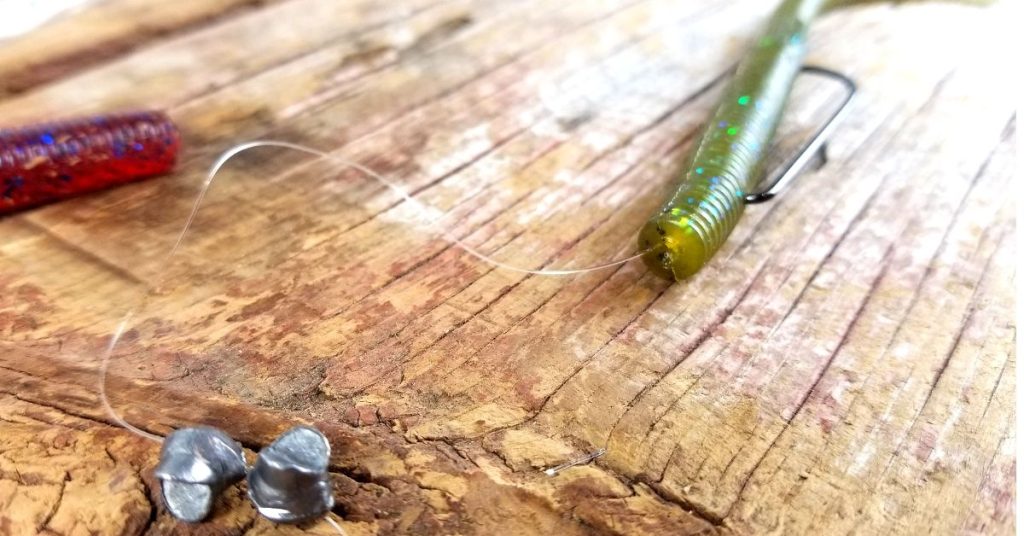
If you want to catch more fish, knowing how to rig fishing lures the right way is key. The way you set up your lure can make all the difference between a slow day and a fishing trip full of action.
Whether you’re a beginner or looking to sharpen your skills, this guide will show you simple, effective techniques to rig your lures like a pro. By the end, you’ll have the confidence to choose the best rig for your bait and the conditions, giving you an edge every time you cast.
Ready to improve your catch? Let’s dive in.

Credit: www.youtube.com
Choosing The Right Lure
Choosing the right fishing lure is key to catching fish. The right lure attracts fish and improves your chances.
Many factors affect your choice, such as lure type, fish species, and lure size and color.
Types Of Fishing Lures
Fishing lures come in many types. Each type works best in different water and fish conditions.
Some common lure types include:
- Crankbaits: Hard plastic lures that dive and wobble.
- Spinnerbaits: Lures with spinning blades that flash and vibrate.
- Soft plastics: Flexible lures that imitate worms or small fish.
- Jigs: Weighted hooks with soft or feathered bodies.
- Spoons: Curved metal lures that flash and flutter.
Matching Lures To Fish Species
Different fish like different lures. Choose a lure that mimics the food your target fish eat.
For example, bass prefer soft plastics and crankbaits. Trout often go for spoons and spinners.
- Bass: Soft plastics, crankbaits, jigs
- Trout: Spoons, spinners, small crankbaits
- Pike: Large spoons, spinnerbaits, big crankbaits
- Walleye: Jigs, live bait rigs, crankbaits
Lure Size And Color
Choose lure size based on the fish size and water clarity. Small lures work well for small fish or clear water.
Color helps fish see the lure. Bright colors work in murky water. Natural colors fit clear water.
- Small lures attract small or shy fish
- Large lures attract big or hungry fish
- Bright colors like chartreuse work in cloudy water
- Natural colors like brown or green work in clear water

Credit: mysterytacklebox.com
Essential Rigging Tools
Fishing requires the right tools to rig lures effectively. Rigging tools ensure your lure works well in water. Let’s explore the essential tools needed for rigging fishing lures.
Hooks And Knots
Hooks are vital for catching fish. They come in different sizes and shapes. Choose the right hook for your target fish. Knots secure your hook to the line. A strong knot is crucial for successful fishing.
- Choose hooks based on fish size
- Use strong knots like the improved clinch knot
- Practice knot tying to avoid line breaks
Swivels And Weights
Swivels prevent line tangling and make lure movement natural. They are small but important. Weights help your lure sink to the desired depth. Use them to adjust lure position in water.
- Use swivels to reduce line twist
- Adjust weights based on water depth
- Combine with lures for better control
Pliers And Line Cutters
Pliers are useful for bending hooks and removing them from fish. They are essential for safe handling. Line cutters make it easy to trim excess line. A clean cut helps in tying knots.
- Use pliers to handle sharp hooks
- Cut lines with precision using line cutters
- Keep tools handy for quick adjustments
Basic Rigging Techniques
Rigging fishing lures is important for catching fish. Proper rigging helps your lure move naturally in the water.
Using the right techniques makes your lure last longer. It also keeps fish from escaping after they bite.
Attaching Hooks Securely
Hooks must be attached tightly to avoid losing fish. Loose hooks can come off when a fish pulls hard.
Use strong split rings or wire loops to connect hooks. Check the hook eye for any damage before attaching.
- Align the hook eye with the lure’s attachment point
- Close split rings fully to hold the hook in place
- Test the hook connection before fishing
Using Split Rings
Split rings connect hooks to lures and allow free movement. They reduce stress on the hook and line.
Choose split rings that match the size of your lure and hook. Use pliers to open and close rings safely.
- Open the ring by twisting, not pulling it apart
- Slide the hook eye onto the ring gently
- Close the ring tightly to avoid gaps
Tying Strong Knots
A strong knot keeps your lure attached to the fishing line. Weak knots can break under tension.
Use knots like the improved clinch or Palomar knot. These knots are easy to tie and hold well.
- Thread the line through the lure eye
- Wrap the line around itself 5-7 times
- Pull the knot tight and trim the excess line
Credit: www.wired2fish.com
Popular Rig Setups
Fishing lures work best when rigged properly. Different rigs help catch fish in different ways. This guide covers three popular rig setups.
Each rig has unique parts and methods. Learning them can improve your fishing success.
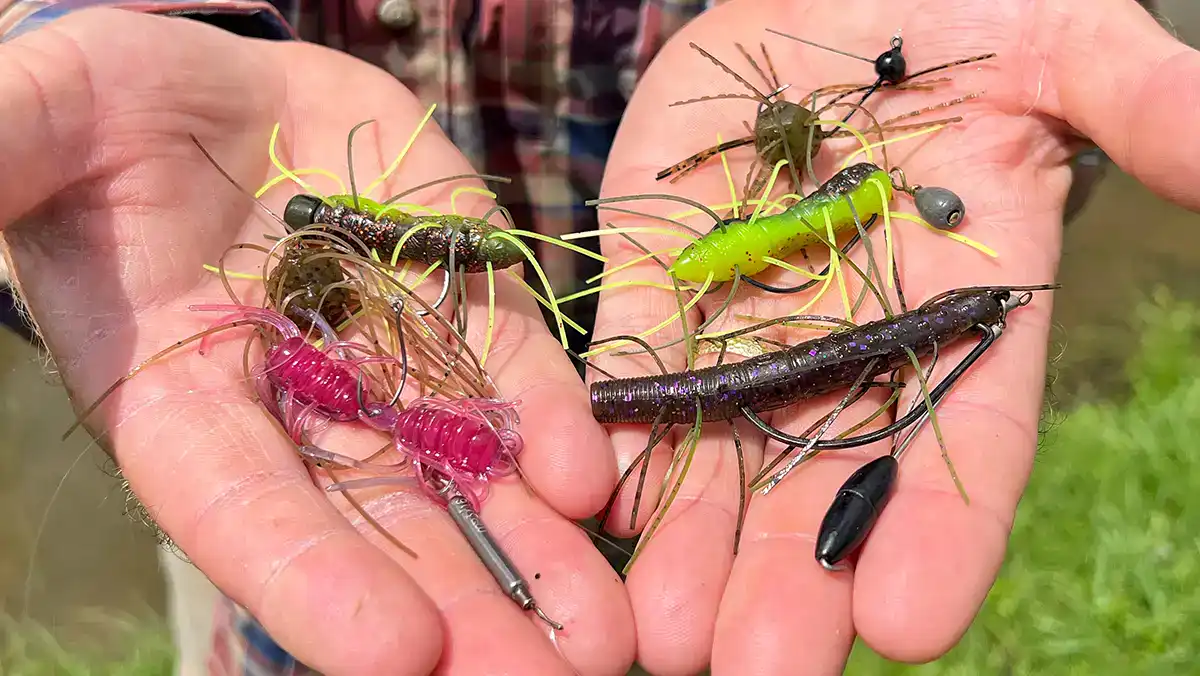
Texas Rig
The Texas Rig is great for fishing in heavy cover. It hides the hook well and reduces snags. This rig works well with soft plastic baits.
- Start by sliding a bullet weight onto the line.
- Tie a strong hook after the weight.
- Insert the hook point into the head of the soft plastic bait.
- Push the hook through and out the side of the bait.
- Slide the bait up to cover the hook eye.
- Rotate the hook and bury the point back into the bait to make it weedless.
Carolina Rig
The Carolina Rig is good for fishing on open water or rocky bottoms. It uses a heavier weight and a leader to keep the bait off the bottom.
| Part | Purpose |
| Egg sinker | Lets the bait slide freely |
| Swivel | Prevents line twist |
| Leader line | Keeps bait away from weight |
| Hook | Holds the bait |
| Soft plastic bait | Attracts fish |
Tie the egg sinker to the main line, then the swivel. Attach the leader line to the other end of the swivel. Tie the hook on the leader and add the bait.
Drop Shot Rig
The Drop Shot Rig is effective for suspending bait off the bottom. It uses a weight tied at the end and a hook tied above it.
- Tie a Palomar knot leaving a long tag end.
- Thread a drop shot weight onto the tag end.
- Pinch the tag end to keep the weight in place.
- Attach a hook on the tag end with the point facing up.
- Hook your soft plastic bait through the nose.
This rig lets the bait float just above the bottom, attracting fish in clear water.
Adjusting Rig For Conditions
Fishing lure rigs need changes to work well in different conditions. Adjusting your rig helps catch more fish.
Small changes can make a big difference depending on water, wind, and seasons.
Adapting For Water Depth
Water depth changes how your lure moves. Use lighter rigs in shallow water to avoid scaring fish.
In deep water, add weight to reach the right level quickly. Adjust hook size for better presentation.
- Shallow water: use light weights and small hooks
- Medium depth: medium weights for steady fall
- Deep water: heavier weights to reach bottom fast
Handling Current And Wind
Strong currents need heavier rigs to keep your lure stable. Use streamlined rigs to reduce drag.
Wind can push your line off course. Shorten your rig or use heavier weights to stay on target.
- Fast current: add weight and use strong line
- Slow current: lighter rigs work well
- Windy days: shorten rig length, increase weight
Seasonal Rig Modifications
Fish behavior changes with seasons. Adjust your rig to match fish habits and water temperature.
Use slow sinking rigs in cold months. In warm months, try faster sinking or floating rigs to mimic prey.
- Spring: use light rigs for active fish
- Summer: medium weight rigs for varied depth
- Fall: heavier rigs for deep, slow fish
- Winter: slow sinking rigs to reach cold water fish
Tips For Lure Presentation
Fishing lures work best when you present them well. Proper rigging helps your lure move naturally in the water.
This guide shares tips to improve your lure presentation. Focus on speed, rod action, and natural movement.
Retrieval Speed And Style
Changing your retrieval speed can attract different fish. Slow pulls work for shy fish, while fast pulls trigger strikes.
Try using a stop-and-go style. Reel in, pause, then reel again. This mimics injured prey and catches fish attention.
- Slow steady retrieve for cautious fish
- Fast retrieve to excite aggressive fish
- Stop-and-go to imitate dying bait
- Twitch the lure to add erratic action
Using Rod Action
Your rod helps control lure movement. Use soft rod tips to make subtle actions that look real.
Lift and drop the rod tip to create a natural swimming motion. This makes the lure more attractive to fish.
- Soft rod tips add gentle movements
- Lift rod to make lure rise
- Drop rod to let lure fall naturally
- Combine lifts and drops for realistic action
Adding Natural Movement
Natural movement fools fish into thinking your lure is real prey. Rig your lure so it moves freely in water.
Use swivels or soft joints to prevent stiffness. Let the lure wiggle and swim like a live baitfish.
- Choose rigs that allow free lure movement
- Use swivels to reduce line twist
- Keep hooks light to avoid sinking too fast
- Test lure action before fishing
Common Rigging Mistakes
Rigging fishing lures correctly helps you catch more fish. Many anglers make simple mistakes that cause problems.
Fixing these common errors improves your fishing experience and lure performance.
Avoiding Tangled Lines
Tangled lines waste time and can scare fish away. They happen when lines twist or knots are too tight.
Use smooth knots and check your line often. Let your lure sink naturally to avoid twisting.
- Use swivel connectors to reduce line twist
- Keep your line tight but not too tight
- Avoid casting into strong wind or heavy cover
- Regularly inspect and replace old or damaged line
Preventing Lure Damage
Lures break or lose paint if handled roughly. Damage lowers their ability to attract fish.
Store lures in a dry box and avoid dropping them. Be gentle when tying knots and casting.
- Use soft pliers to remove hooks carefully
- Keep lures away from sharp objects
- Dry lures after use to prevent rust and decay
- Check hooks for rust or bending and replace if needed
Ensuring Hook Exposure
Hooks must be easy for fish to bite. Covering hooks with line or lure parts lowers hook-up chances.
Attach hooks so they hang freely and point out. Check for snags before casting.
- Use hooks that fit your lure size
- Tie knots that keep hooks straight and visible
- Adjust split rings or connectors to prevent hook hiding
- Test lure action in water to see hook position
Maintaining Your Rigs
Taking care of your fishing rigs helps them last longer. Proper maintenance keeps lures working well.
Regular checks and cleaning prevent damage and improve fishing success.
Cleaning After Use
After fishing, rinse your lures and rigs with fresh water. This removes salt, dirt, and debris.
Dry them well to stop rust and corrosion. Use a soft cloth to wipe off moisture.
- Rinse lures and hooks in fresh water
- Use a soft brush to clean tight spots
- Dry completely before storing
Replacing Worn Components
Check hooks, split rings, and line regularly. Replace parts that are rusty or bent.
Sharp hooks catch more fish. Keep your rigs in good shape by swapping old parts out.
- Inspect hooks for rust or dullness
- Replace split rings if they look weak
- Change fishing line if it is frayed
Storing Lures Properly
Store lures in a dry, cool place to avoid damage. Use tackle boxes with separate compartments.
Keep lures separated to stop hooks from tangling. Proper storage saves time before your next trip.
- Use tackle boxes with dividers
- Keep lures dry to prevent rust
- Store away from direct sunlight
Frequently Asked Questions
How Do I Choose The Right Lure For Rigging?
Choose a lure based on target fish species and water conditions. Match lure size and color to natural prey for better attraction.
What Are The Basic Steps To Rig Fishing Lures?
Start by tying a secure knot on the line. Attach the lure using split rings or snaps for easy changes. Ensure the lure moves naturally.
Which Knots Are Best For Rigging Fishing Lures?
Use strong knots like improved clinch, Palomar, or loop knots. These knots provide durability and allow the lure to swim freely.
How Do I Rig A Soft Plastic Lure Effectively?
Insert the hook through the head of the soft plastic. Push it out halfway, then slide the lure up to the hook eye for a natural look.
Conclusion
Rigging fishing lures correctly helps catch more fish. Each rig suits different fishing spots and fish types. Practice tying knots and attaching lures carefully. Small details make a big difference in fishing success. Keep your gear organized and check it often.
Enjoy the process and learn from each trip. Fishing becomes more fun with the right rig. Try different methods to find what works best. Stay patient and keep improving your skills. Good rigging leads to better fishing days ahead.