Are you tired of your fishing line slipping off the reel or getting tangled every time you cast? Knowing how to tie the fishing line to the reel correctly can make all the difference in your fishing experience.
With the right technique, you’ll enjoy smoother casts, fewer snags, and more time catching fish instead of fixing your gear. In this guide, you’ll learn a simple, step-by-step method to secure your line quickly and firmly. Keep reading, and soon you’ll feel confident setting up your reel like a pro.
Choosing The Right Line And Reel
Picking the correct fishing line and reel is important for a good fishing experience. The right pair helps you catch fish smoothly.
Different fishing lines and reels work best for different fish and conditions. Learn about types of lines and how to match them to reels.
Types Of Fishing Lines
Fishing lines come in several types. Each has its own strength and use. Knowing these helps you pick the right line.
- Monofilament:Made from one type of plastic. It is flexible and easy to handle.
- Fluorocarbon:Less visible in water. It sinks fast and resists abrasion.
- Braided:Made of woven fibers. It is very strong and thin.
Matching Line To Reel
Different reels work well with certain lines. Match the line type and strength to your reel for best results.
| Reel Type | Best Line Type | Recommended Line Strength (lbs) |
|---|---|---|
| Spinning Reel | Monofilament or Fluorocarbon | 6-12 |
| Baitcasting Reel | Braided or Monofilament | 12-20 |
| Spincast Reel | Monofilament | 6-10 |
Credit: www.epicflyrods.com
Preparing The Reel
Getting your fishing reel ready is essential for a successful trip. Proper preparation ensures smooth casting and reeling.
Let’s look at the steps to prepare your reel before hitting the water.
Opening The Reel Spool
Start by opening the reel spool. This is where your fishing line will go. Be careful to avoid tangles.
Cleaning And Inspecting
Cleaning and inspecting your reel is crucial for its longevity. Dirt and debris can cause issues.
- Remove dirt using a soft cloth.
- Inspect the reel for any visible damage.
- Check the handle and bail for smooth operation.
- Ensure no rust is present on metal parts.
Regular maintenance keeps your reel in top condition. It helps avoid problems while fishing.
Attaching The Line To The Reel
Attaching the fishing line to the reel is the first step in setting up your fishing gear. Doing it correctly helps avoid line slips and tangles.
This guide will help you choose the right knot and tie it securely to your reel.
Selecting The Knot
Picking the right knot is key to keeping the line tight on the reel. Some knots hold better on smooth surfaces.
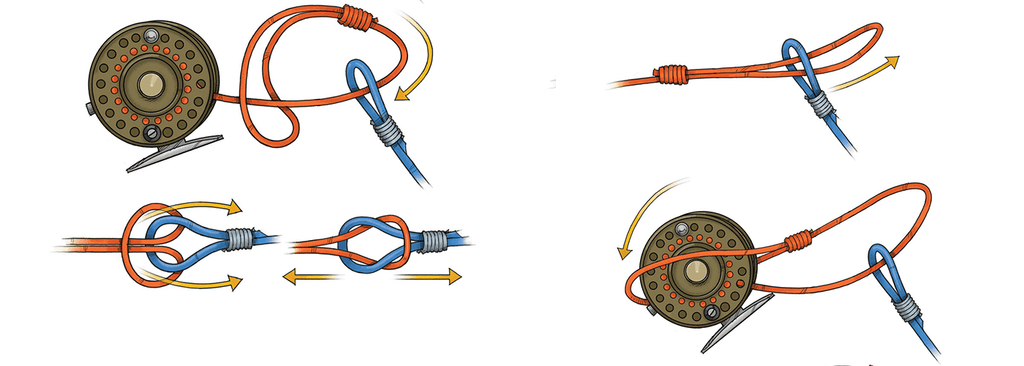
The Arbor knot is popular for attaching line to the reel spool. It is simple and strong for most types of fishing lines.
- Arbor knot: good for braided and monofilament lines
- Improved clinch knot: strong for most situations
- Pallet knot: easy to tie and reliable
Tying The Knot Step-by-step
Follow these steps to tie the Arbor knot and attach your line to the reel spool.
- Pass the line through the reel spool eye.
- Wrap the line around the spool once.
- Tie an overhand knot around the main line.
- Make a second overhand knot with the tag end.
- Pull both knots tight against the spool.
- Trim the tag end close to the knot.
Make sure the knot is tight and secure before you start fishing.

Credit: windrider.com
Spooling The Line Correctly
Tying the fishing line to the reel is the first step to spooling it correctly. Proper spooling helps your line last longer and fish better.
Two key points keep the line strong and smooth: maintaining tension and filling the spool evenly.
Maintaining Tension
Keeping the right tension on the line while spooling stops twists and tangles. Too loose line causes knots. Too tight line can break.
- Hold the line firmly with your fingers or a cloth.
- Have a partner hold the spool with slight resistance.
- Turn the reel handle slowly to wind the line evenly.
- Check tension often to avoid slack or snapping.
Filling The Spool Evenly
Fill the spool from edge to edge without piling the line in one spot. Uneven spooling causes line tangles and casting problems.
| Tip | Reason |
|---|---|
| Guide the line evenly across the spool | Prevents line bunching |
| Stop filling before the line reaches the spool edge | Avoids line slipping off |
| Use a line conditioner or wet the line | Reduces friction during spooling |
| Check the spool often during spooling | Ensures even coverage |
Common Mistakes To Avoid
Tying the fishing line to the reel may seem simple. Small mistakes can cause big problems while fishing.
Knowing which errors to avoid helps keep your gear working well and makes fishing easier.
Overfilling The Spool
Putting too much line on the spool can cause tangles and line damage. It makes casting harder and less smooth.
Leave some space between the line and spool edge. This space stops line from slipping off or bunching up.
- Fill spool to about 1/8 inch below the edge
- Check spool capacity before adding line
- Too much line causes bird nests and tangles
Loose Knots
Tying the line with loose knots will make it slip or break easily. A secure knot keeps the line tight and strong.
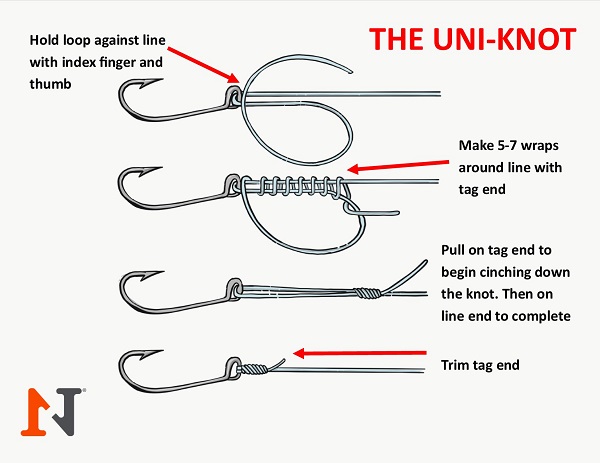
Pull the knot firmly after tying. Test it by giving a strong tug to make sure it holds well.
- Use recommended knots like improved clinch or Palomar
- Make sure knots are tight and neat
- Trim excess line close to the knot
Twisted Line
Twisting the line while tying causes it to tangle easily. Twisted line also weakens and frays faster.
Hold the line straight and avoid spinning the reel too fast when tying. This helps keep the line smooth and strong.
- Keep the line straight during spool attachment
- Use line conditioner to reduce twists
- Check for twists before casting
Credit: n1outdoors.com
Tips For Line Maintenance
Keeping your fishing line in good shape helps you catch more fish. Proper care makes your line last longer.
Check your line often and replace it when needed. This stops breaks and tangles during fishing.
Checking Line Wear
Look closely at your fishing line for signs of wear. Look for frays, nicks, or weak spots along the line.
Run your fingers along the line to feel for rough areas. These spots can snap when you cast or reel in fish.
- Check near the reel and rod guides
- Look for discoloration or cracks
- Feel for thin or weak sections
- Inspect after every fishing trip
Replacing The Line
Change your fishing line if it looks worn or old. Fresh line helps you fish better and avoids unexpected breaks.
Remove the old line carefully from the reel. Wind new line evenly and tightly to avoid tangles and knots.
- Cut old line close to the spool
- Attach new line with a secure knot
- Fill the spool without overfilling
- Test the line by pulling firmly
Frequently Asked Questions
How Do I Tie Fishing Line To A Reel Properly?
Start by threading the line through the reel’s spool hole. Tie an Arbor knot around the spool. Pull tight and trim excess. This secure knot prevents slipping and ensures smooth casting.
What Knot Is Best For Attaching Line To Reel?
The Arbor knot is the most reliable for securing line to the reel. It’s simple, strong, and prevents the line from slipping during use.
How Much Fishing Line Should I Spool On The Reel?
Fill the reel spool to about 1/8 inch below the rim. This prevents overfilling, reduces tangles, and allows smooth line release during casting.
Can I Use Any Fishing Line With My Reel?
Most reels work with monofilament, fluorocarbon, or braided lines. Check your reel’s specifications for line type and weight to ensure compatibility.
Conclusion
Tying the fishing line to the reel is simple with practice. Use the right knot and tighten it well. Check the line for any slips before fishing. A secure line helps avoid losing your catch. Keep your tools ready and stay patient.
Soon, this task will feel easy and fast. Enjoy your time fishing with confidence and care.