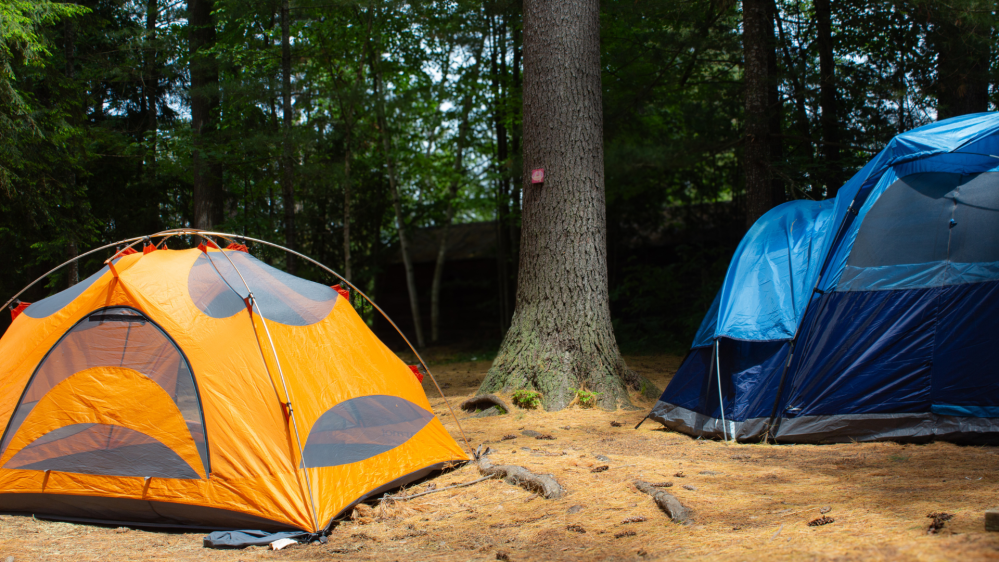
Are you thinking about tent camping but wondering if it’s really safe? You’re not alone.
Many people worry about the risks before setting up their tent in the wild. What if the weather turns bad? What about wild animals or bugs? And how do you protect yourself from unexpected dangers at night? These questions can make you hesitate.
But understanding the real risks and learning simple safety tips can help you feel confident and enjoy your outdoor adventure. Keep reading to discover how you can make your tent camping experience safe and stress-free.
Assessing Camping Risks
Tent camping offers a chance to enjoy nature closely. It is important to know the risks before camping.
Understanding risks helps you stay safe and prepared outdoors. This guide covers common dangers you may face.
Wildlife Encounters
Wild animals live near many camping areas. Some animals can be dangerous if surprised or threatened.
Keep food stored safely away from your tent. Avoid feeding or approaching wild animals to reduce risks.
- Store food in sealed containers or bear-proof lockers
- Keep a clean campsite to avoid attracting animals
- Make noise while hiking to warn animals of your presence
- Know which animals live in the area and how to react
Weather Challenges
Weather changes can happen quickly outdoors. Rain, wind, and cold can affect your safety and comfort.
Check weather forecasts before your trip. Bring clothing and gear that fit the expected weather conditions.
- Carry rain gear to stay dry
- Wear layers to adjust for temperature changes
- Secure your tent against strong winds
- Have a plan for shelter during storms
Terrain Hazards
Rough or uneven ground can cause falls or injuries. Watch your step and choose a safe tent spot.
Avoid camping near cliffs, unstable slopes, or flood-prone areas. Check the ground for rocks and roots.
- Pick flat, clear areas for your tent
- Stay away from riverbanks or low spots that can flood
- Use a flashlight to check the area at night
- Wear sturdy shoes when hiking or exploring
Credit: creators.yahoo.com
Choosing A Safe Campsite
Tent camping can be a fun outdoor activity. Safety starts with picking the right campsite.
Consider factors like location, water proximity, and natural dangers to ensure a safe experience.
Location Factors
Choose a campsite away from cliffs and steep drops. Flat and stable ground is ideal for setting up a tent.
Check the weather forecast for the area. Avoid places prone to flooding or strong winds.
Proximity To Water
Camp near water for convenience, but not too close. A safe distance prevents flooding risks and wildlife encounters.
Water sources can attract animals. Keep a safe buffer to avoid unwanted visitors to your campsite.
Avoiding Natural Dangers
Stay clear of areas with dead trees or branches. These can fall and cause injury during strong winds.
Be aware of local wildlife and insects. Set up your tent in areas known to have fewer pests.
- Check for poison ivy or other harmful plants
- Avoid setting up near animal trails
- Stay away from rocky or unstable surfaces
Essential Gear For Safety
Tent camping is fun but needs safety gear. Good gear keeps you safe in the wild.
This guide covers gear to protect you during camping trips. It helps you stay ready for problems.
Reliable Tent Features
A strong tent protects you from weather and bugs. Look for tents with good materials and design.
Check for waterproof fabric and sturdy poles. A tent with a rainfly and mesh windows is best.
- Waterproof and tear-resistant fabric
- Strong, flexible poles for wind resistance
- Rainfly for extra rain protection
- Mesh windows for ventilation and bug protection
- Easy to set up and secure stakes
First Aid Kit Must-haves
A first aid kit helps you treat injuries fast. Pack a kit with basic and camping-specific items.
Include supplies for cuts, burns, bites, and allergies. Check your kit before every trip.
- Bandages of different sizes
- Antiseptic wipes and ointment
- Pain relievers and allergy medicine
- Tweezers for splinters or ticks
- Burn cream and insect bite relief
- Medical tape and scissors
Lighting And Navigation Tools
Good lighting keeps you safe at night. Navigation tools help you find your way outdoors.
Bring flashlights or headlamps with extra batteries. Carry a map and compass for backup.
- Flashlight or headlamp with spare batteries
- Extra light sources like lanterns
- Physical map of the area
- Compass for direction
- GPS device or smartphone with offline maps
Campfire Safety Tips
Campfires add warmth and light to tent camping. They create a cozy place to gather. Knowing how to keep campfires safe protects you and nature.
Follow simple rules to enjoy your fire without risks. This guide covers fire setup, putting out fires, and legal rules.
Fire Setup And Maintenance
Choose a safe spot for your campfire. Use existing fire rings if possible. Clear the area around the fire of leaves and sticks. Keep water nearby to control the fire.
- Build the fire at least 15 feet from tents and gear
- Use small sticks and dry wood to start the fire
- Never leave the fire unattended
- Keep the fire small and manageable
- Watch the wind direction to avoid sparks
Extinguishing Fires Properly
Putting out your campfire completely is very important. A fire that seems out can still burn underground. Use water to douse the fire. Stir ashes and add more water until cool.
- Pour water over the fire slowly
- Stir the ashes with a stick or shovel
- Repeat pouring water and stirring until no steam rises
- Check that ashes are cool to the touch
- Never bury hot coals as they can reignite
Fire Regulations And Permits
Many parks require permits for campfires. Follow local fire rules to avoid fines and danger. Check for fire bans during dry seasons. Respect signs and rangers’ instructions.
| Area | Permit Required | Fire Ban Season |
| National Parks | Yes | Summer to early Fall |
| State Forests | Varies | Dry months |
| Private Campgrounds | Usually no | Rare |
Food Storage And Wildlife
Tent camping is fun but needs care to keep food safe from animals. Wildlife can be curious and attracted to food smells.
Proper food storage helps protect both campers and animals. It reduces the chance of animals coming near your tent.
Bear-resistant Containers
Bear-resistant containers are special boxes that bears cannot open. They keep your food safe and stop bears from getting close.
These containers are made of strong materials and have secure locks. Use them whenever bears live nearby or in national parks.
- Store all food and trash inside the container
- Place the container away from your tent
- Check the container’s seal before leaving it unattended
Avoiding Food Scents
Food smells attract wildlife to your camping site. Avoid strong-smelling foods to keep animals away.
Always keep food sealed in airtight bags or containers. Clean up any crumbs or spills quickly.
- Use resealable bags or plastic containers
- Keep food inside your car or bear box
- Do not store food inside your tent
- Clean cooking and eating areas after use
Safe Cooking Practices
Cook food at least 100 feet away from your tent. This helps keep cooking smells away from your sleeping area.
Never leave cooking food unattended. Keep a clean cooking spot and store all leftovers properly.
- Use portable stoves or grills
- Dispose of food scraps in sealed trash bags
- Wash dishes away from your tent
- Store leftover food in bear-resistant containers
Credit: creators.yahoo.com
Personal Safety Measures
Tent camping is a fun way to enjoy nature. It is important to take safety steps to stay safe.
Being careful helps prevent accidents and keeps you calm in emergencies.
Traveling With A Group
Camping with others is safer than going alone. Groups can watch out for each other.
Always plan your trip with friends or family. Agree on meeting spots and times.
- Stay close to the group at all times
- Share your camping plan with someone not going
- Check on each other regularly
Communication Devices
Bring devices to stay in touch. Phones or radios help in case of trouble.
Make sure your devices are charged. Carry extra batteries or power banks.
- Cell phones with good signal
- Two-way radios for remote areas
- Whistles to signal for help
Emergency Preparedness
Prepare for emergencies before camping. Know the nearest help location.
Pack a first-aid kit and learn basic first aid skills. Keep important numbers handy.
- First-aid supplies like bandages and antiseptics
- Flashlight with extra batteries
- Maps and compass for navigation
- Emergency contact numbers written down
Weather Preparedness
Camping in a tent can be safe if you prepare for the weather. Knowing the weather helps you stay comfortable and secure. You must plan your gear and actions based on weather conditions.
Being ready for rain, wind, or cold keeps you safe during your camping trip. Check weather updates often and pack smart clothes and shelter.
Monitoring Forecasts
Check weather forecasts before and during your trip. Use apps or websites for local updates. Watch for warnings about storms or strong winds. Early alerts help you avoid danger.
- Look at daily and hourly forecasts.
- Note any severe weather alerts.
- Keep a battery-powered radio for updates.
- Inform someone about your camping location and plans.
Clothing And Shelter
Wear clothes that protect you from cold, rain, and wind. Layering helps you adjust to changes. Your tent should be strong and waterproof to keep you dry and warm.
| Item | Purpose | Tips |
| Waterproof Jacket | Keep dry | Choose breathable fabric |
| Thermal Layers | Retain heat | Wear multiple thin layers |
| Rainfly for Tent | Protect tent from rain | Check for no holes |
| Sturdy Tent Stakes | Secure tent in wind | Use extra stakes if windy |
Handling Sudden Changes
Weather can change fast. Stay calm and follow safety steps. Have an emergency plan and know where to go if the weather gets bad.
- Secure loose items around your tent.
- Put on extra clothing quickly.
- Move to a safe shelter if needed.
- Keep emergency supplies handy.
- Listen to weather updates and warnings.
Credit: www.battlbox.com
Frequently Asked Questions
Is Tent Camping Safe For Beginners?
Yes, tent camping is safe for beginners with proper preparation. Choose a safe campsite, use quality gear, and follow safety guidelines to ensure a secure experience.
What Are Common Safety Risks In Tent Camping?
Common risks include weather changes, wildlife encounters, and improper fire handling. Awareness and preparation minimize these hazards and keep campers safe.
How Can I Protect Myself From Wildlife While Camping?
Store food securely, use bear-proof containers, and keep a clean campsite. Avoid attracting animals by not leaving food or trash inside your tent.
Is Tent Camping Safe During Bad Weather?
Tent camping can be safe in bad weather if your tent is waterproof and sturdy. Always check weather forecasts and have an emergency plan.
Conclusion
Tent camping can be safe with the right steps. Choose a good spot away from danger. Keep food stored to avoid animals. Check weather forecasts before you go. Always carry a first aid kit. Stay aware of your surroundings at all times.
Trust your instincts and be prepared. Camping lets you enjoy nature without worry. Safety comes from planning and paying attention. Enjoy your outdoor adventure with peace of mind.