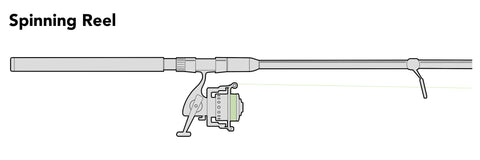
If you want to get the most out of your fishing rod, learning how to thread it properly is a must. You might think it’s a tricky step, but once you know the right way, it becomes quick and simple.
Threading your fishing rod correctly can make a huge difference in how smoothly you cast and how well your line holds up. You’ll discover easy, step-by-step instructions that anyone can follow. Keep reading, and you’ll be ready to fish like a pro in no time.
Choosing The Right Fishing Rod
Choosing the right fishing rod is important before you start fishing. A good rod helps you catch fish easier and makes fishing fun.
There are many types of rods and sizes. Picking the right one depends on the type of fish you want to catch and where you fish.
Types Of Fishing Rods
Fishing rods come in different types. Each type works best for certain fishing styles and fish sizes.
- Spinning rods are easy to use and good for beginners.
- Baitcasting rods offer better control for heavier lures.
- Fly rods are designed for fly fishing and light lures.
- Trolling rods are strong and used for fishing from boats.
Selecting Rod Length And Power
Rod length affects how far you can cast and how you control the fish. Short rods are easier to handle in small spaces. Long rods cast farther.
Rod power means how strong the rod is. Light power rods work for small fish. Heavy power rods are for big, strong fish.
- Light power: small fish like trout or panfish
- Medium power: good for bass and walleye
- Heavy power: best for big fish like catfish or pike
Gathering Necessary Tools And Materials
Threading a fishing rod requires the right tools and materials. With the correct equipment, your fishing experience will be smoother and more enjoyable.
Let’s explore what you need to gather before you start threading your fishing rod.
Fishing Line Types
Fishing lines come in different types. Each type serves a specific purpose. Knowing the right line helps in catching more fish.
- Monofilament line is versatile and easy to handle.
- Braided line is strong and durable.
- Fluorocarbon line is nearly invisible underwater.
Additional Accessories
Besides the fishing line, you need extra accessories. These tools help in the threading process and improve your fishing setup.
Having the right accessories makes threading easier and more efficient.
- Scissors for cutting the fishing line
- Fishing rod with guides
- Swivels to prevent line twisting
Preparing The Rod For Threading
Before threading your fishing rod, you need to get it ready. Proper preparation helps the line move smoothly.
Preparing the rod includes checking the guides and attaching the reel securely. These steps make threading easier.
Inspecting The Guides
Look at each guide carefully. Make sure they are clean and not bent or broken.
Damaged guides can cut or tangle the fishing line. Clean guides help the line slide smoothly during casting.
- Check for cracks or bends on each guide ring
- Remove dirt or salt buildup with a soft cloth
- Replace any guides that are damaged
- Make sure guides are tightly attached to the rod
Securing The Reel
Attach the reel firmly to the rod’s reel seat. A loose reel makes threading difficult and unsafe.
Check that the reel locks tightly without wobbling. This keeps the reel steady when you pull the line.
- Slide the reel foot into the reel seat
- Tighten the reel seat rings until the reel is secure
- Test the reel by gently pulling to confirm it does not move

Credit: anglersresource.net
Threading The Fishing Line Through Guides
Threading the fishing line through the guides is a key step in setting up your fishing rod. Proper threading helps your line flow smoothly when casting and retrieving.
Each guide on the rod keeps the line aligned and reduces friction. Following the right method protects your line and improves your fishing experience.
Starting From The Tip
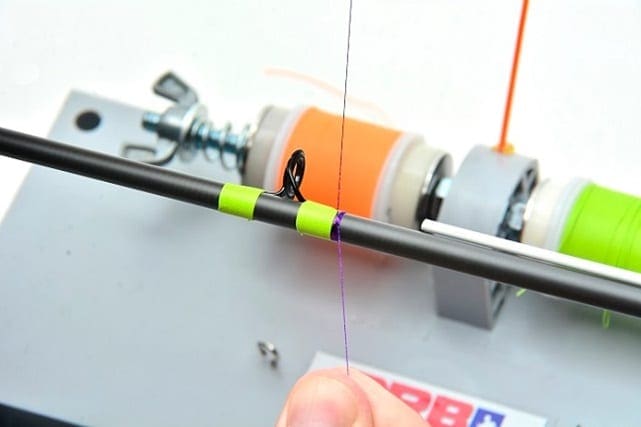
Begin threading by feeding the fishing line through the tip guide. This is the smallest guide at the very end of the rod.
Hold the rod upright and carefully push the line through the tip. Make sure the line does not tangle or twist at this stage.
Passing Through Each Guide
After the tip, pass the line through each guide along the rod. These guides get bigger as you move down toward the handle.
- Hold the rod steady and pull the line through the first guide after the tip.
- Continue threading through each guide in sequence until you reach the reel.
- Keep the line tight to avoid slack inside the guides.
- Check each guide to ensure the line runs smoothly without twisting.
Common Threading Mistakes
| Mistake | Effect | How to Fix |
|---|---|---|
| Skipping a guide | Line tangles easily | Start over and thread through all guides |
| Line twisted in guides | Line weakens and may break | Keep line tight and untwisted as you thread |
| Loose line in guides | Casting accuracy drops | Pull line tight through each guide |
| Not checking guides | Line rubs on damaged guides | Inspect guides before threading |
Attaching The Line To The Reel
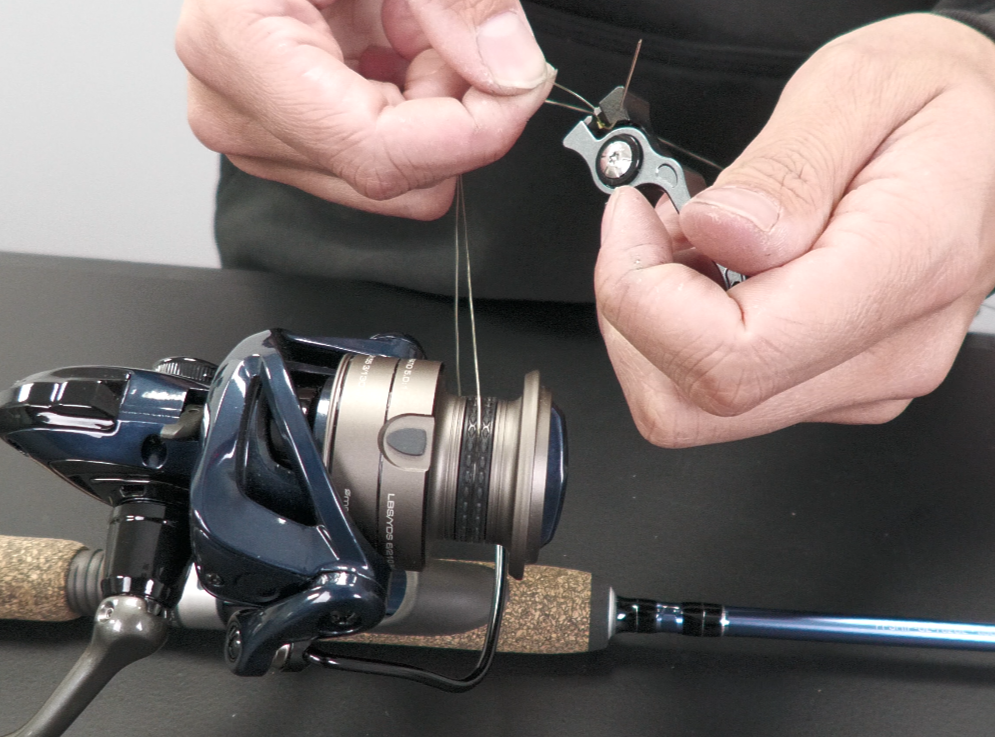
Attaching the fishing line to the reel is the first step in threading your rod. This process ensures the line stays secure while casting and reeling.
Using the right knot and securing it properly helps prevent the line from slipping or breaking during use.
Types Of Knots
Several knots work well for attaching the line to the reel. The choice depends on your fishing style and the line type.
- Arbor Knot:Simple and strong for tying line to the reel spool.
- Pallet Knot:Creates a firm hold with minimal slippage.
- Uni Knot:Versatile and easy to tie, good for monofilament lines.
- Improved Clinch Knot:Common knot that offers good strength.
Securing The Line Properly
After choosing a knot, you must secure the line correctly to avoid issues while fishing. Tighten the knot firmly and check it before spooling.
| Action | Purpose |
|---|---|
| Moisten the line before tightening | Reduces friction and prevents line damage |
| Pull the knot tight slowly | Ensures a secure hold without slipping |
| Trim excess line close to the knot | Prevents tangling and loose ends |
| Test knot strength by pulling firmly | Confirms the knot will hold under pressure |
Credit: www.fishusa.com
Spooling The Reel With Line
Spooling the reel means putting fishing line onto the reel. It is an important step before fishing.
Proper spooling helps the line come off smoothly when you cast. It also stops tangles and breaks.
Maintaining Tension
Keep the line tight while spooling the reel. This stops loose loops from forming on the reel.
You can hold the line with your fingers or use a cloth to keep steady pressure. This helps the line wrap evenly.
- Hold the line firmly but don’t pull too hard.
- Ask someone to help by holding the spool if needed.
- Keep the reel’s spool turning slowly for even line layering.
Avoiding Line Twists
Line twists cause tangles and knots. They make fishing harder and can break the line.
Make sure the line comes off the spool the right way. The label on the spool often shows the direction.
- Place the spool on a flat surface or use a spool holder.
- Let the line come off the spool freely without spinning.
- Check the line for twists as you spool and fix them quickly.
Final Checks Before Fishing
Before you cast your line, make sure your fishing rod setup is ready. Checking the rod and reel helps avoid problems on the water.
Take a few minutes to test your gear and adjust settings. This will improve your fishing experience and keep your equipment safe.
Testing The Setup
Start by pulling the line through the guides to check for snags or twists. Make sure the reel spins smoothly and the line flows freely.
- Check that the rod guides are clean and aligned
- Pull the line gently to test smooth movement
- Turn the reel handle to ensure it rotates without noise
- Look for any loose parts on the rod and reel
- Make sure the hook is securely tied to the line
Adjusting Drag And Tension
The drag controls how much resistance a fish feels when pulling the line. Adjust it to prevent line breakage and help tire the fish.
| Drag Setting | Use When |
| Light | Small fish or light line |
| Medium | Average size fish |
| Heavy | Large fish or strong current |
Also adjust the reel tension to match the lure weight. This helps the lure cast farther and prevents backlash.
- Turn the drag knob clockwise to increase resistance
- Turn the drag knob counterclockwise to decrease resistance
- Adjust reel tension before casting the lure
- Test adjustments by pulling the line with your hand
Credit: www.classicbass.com
Frequently Asked Questions
How Do You Start Threading A Fishing Rod?
Begin by securing the reel to the rod. Pull the fishing line through the first guide closest to the reel. Continue threading the line through each guide towards the rod tip carefully.
What Tools Are Needed To Thread A Fishing Rod?
You only need the fishing rod, reel, and fishing line. No special tools are necessary. A small cloth can help handle the line if needed.
How Do You Avoid Tangles While Threading A Rod?
Keep the line taut and guide it smoothly through each rod guide. Avoid sudden jerks or slack to prevent tangles. Work slowly and carefully for best results.
Can You Thread A Fishing Rod Without A Reel?
Threading is easier with a reel, but you can do it without one. Hold the line firmly and pass it through each guide carefully to avoid tangles.
Conclusion
Threading a fishing rod takes patience and steady hands. Start slow and guide the line through each guide carefully. Keep the line tight but not too tight. Check for knots or tangles as you go. Practice will help you get faster and more confident.
Soon, threading your fishing rod will feel easy and natural. Enjoy your time fishing with a properly threaded rod. Remember, every great catch starts with good preparation.