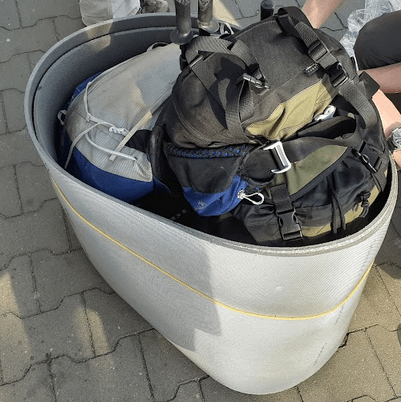
Are you planning your next adventure and wondering if you can take a tent on an airplane? You might be asking yourself if it’s allowed, how to pack it, or if there are special rules to follow.
Knowing the answers before you fly can save you from surprises at the airport. Keep reading to discover everything you need to know about traveling with a tent on a plane—so you can focus on enjoying your trip without any hassle.
Airline Tent Policies
Taking a tent on an airplane depends on the airline rules. Different airlines have different policies for tents.
It is important to know what you can carry as carry-on and what you need to check in. This helps avoid problems at the airport.
Carry-on Vs Checked Luggage Rules
Most airlines do not allow full tents as carry-on items. Carry-on bags must fit in overhead bins or under the seat.
You can usually bring tent poles and small parts in your carry-on if they fit size rules. The tent fabric often goes in checked luggage.
- Carry-on tents must follow size limits set by the airline.
- Checked luggage is better for large tents and frames.
- Some airlines restrict sharp tent stakes in carry-on bags.
- Always check airline rules before packing your tent.
Size And Weight Restrictions
| Item | Typical Carry-On Size Limit | Checked Luggage Weight Limit |
| Tent Fabric Bag | 22 x 14 x 9 inches (56 x 36 x 23 cm) | 50 lbs (23 kg) |
| Tent Poles | Must fit inside carry-on or checked bag | 50 lbs (23 kg) |
| Stakes | Often not allowed in carry-on | Included with checked luggage |
Each airline has its own weight limits. Overweight bags might need extra fees.
Material And Design Considerations
Tent material should be lightweight and compact for easy travel. Heavy or bulky tents are hard to carry on planes.
Consider these design points for airplane-friendly tents:
- Use tents with thin, foldable poles.
- Choose tents made of light nylon or polyester.
- Avoid metal stakes in carry-on bags.
- Pick tents that pack into small, soft bags.

Credit: www.reddit.com
Packing Your Tent For Air Travel
Traveling with a tent can be fun and adventurous. Preparing it for air travel is important to ensure it arrives safely.
Follow these steps to pack your tent efficiently and securely for your flight. Keep your tent safe from damage and loss.
Disassembling And Compact Packing
Start by taking apart your tent carefully. Make sure you do not lose any parts.
Roll or fold the tent fabric tightly to save space. Place poles and stakes in a separate bag.
- Label bags with your name
- Use rubber bands to keep poles together
- Pack smaller parts in ziplock bags
Protective Covers And Cases
Using protective covers helps prevent damage. Choose a durable cover or case for your tent.
Hard cases can provide extra protection. Soft covers are lighter and easier to carry.
- Check for water-resistant covers
- Ensure covers fit snugly
- Consider padded cases for fragile parts
Avoiding Damage And Loss
Securely pack all tent components. Make sure nothing is loose or could fall out.
Attach a luggage tag with your contact details. This helps if your tent gets lost.
- Check weight restrictions for airlines
- Use locks on zippers for extra security
- Take photos of your packed tent for reference
Security Screening Tips
Taking a tent on an airplane can be tricky. Airport security checks tents closely. It is important to know what to expect.
This guide gives tips on how to pass security with your tent gear. Follow these rules to avoid delays.
What Tsa Looks For
TSA officers check tents for sharp objects and potential threats. They scan for items that could be used as weapons. Poles and stakes often get extra attention.
- Sharp tent poles may look like weapons
- Metal stakes can trigger alarms
- Large or bulky tents might need extra screening
- Always pack tent parts in clear bags if possible
Handling Tent Poles And Stakes
Properly pack poles and stakes to make screening easier. Use padded bags or cases. Label your gear clearly to show what it is.
| Item | Packing Tip | Screening Advice |
| Tent Poles | Bundle and wrap in cloth | Place in checked luggage if possible |
| Metal Stakes | Store in small container | Declare to TSA if carrying onboard |
| Tent Fabric | Fold neatly | Pack in carry-on or checked bag |
Dealing With Security Questions
TSA agents may ask about your tent and its parts. Answer clearly and stay calm. Explain what the items are and why you carry them.
- Tell officers you have tent poles and stakes
- Show any packing labels or instructions
- Be patient during extra screening
- Follow all TSA instructions
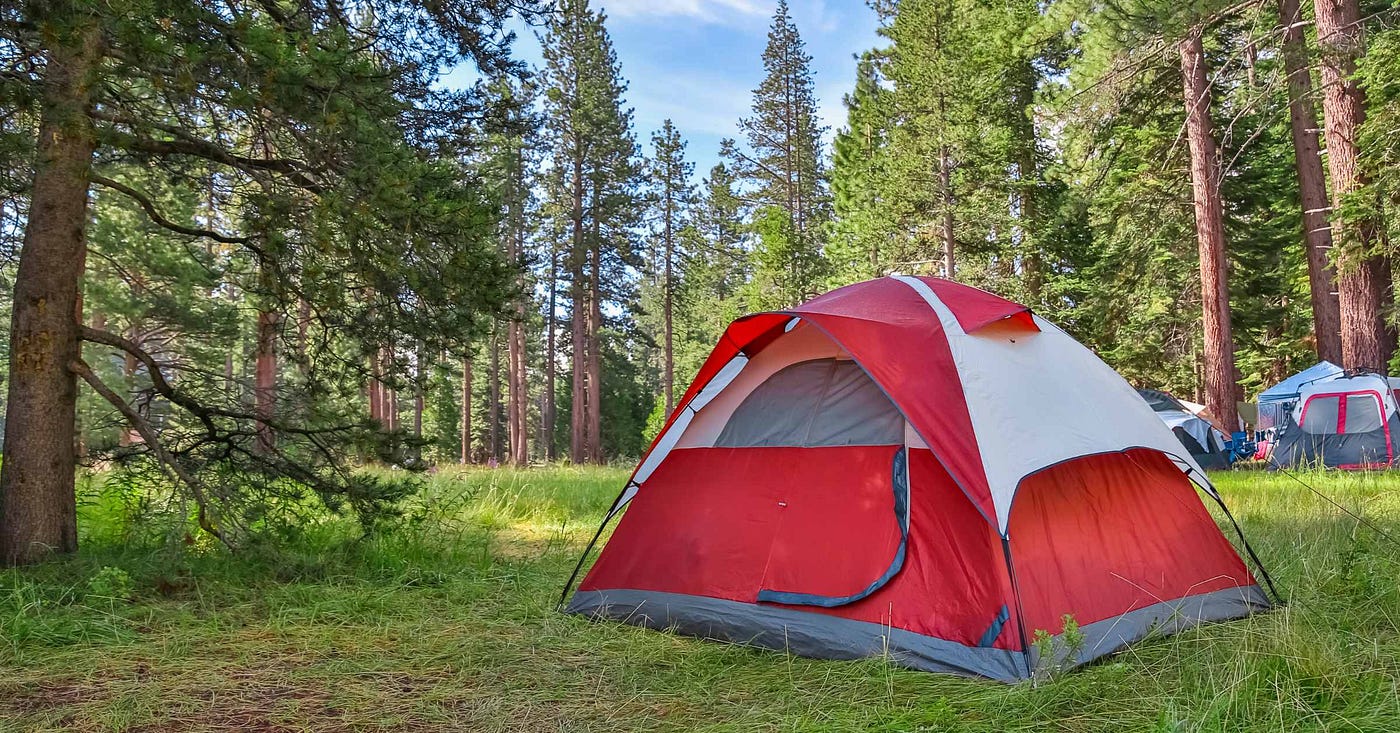
Credit: veronicahanson.medium.com
Choosing The Right Tent For Flying
Taking a tent on an airplane requires careful choice. You want a tent that fits airline rules and your travel needs.
Think about size, weight, and how easy it is to carry. These factors help you pick the best tent for flying.
Lightweight And Compact Options
Lightweight tents make flying easier. Smaller tents fit better in your luggage and meet airline size limits.
- Look for tents weighing under 5 pounds
- Choose tents with compact carry bags
- Pick models designed for quick packing
Durability Vs Portability
Durable tents protect you well but may weigh more. Portable tents are light but can be less strong.
| Feature | Durability | Portability |
| Weight | Heavier | Lighter |
| Setup | Often complex | Usually simple |
| Material | Thick and tough | Thin and light |
| Best Use | Long trips, rough weather | Short trips, fair weather |
Popular Brands For Travelers
Some brands make tents that travelers trust. These brands balance weight, durability, and size well.
- REI Co-op – Known for quality and value
- MSR – Offers strong, lightweight tents
- Big Agnes – Focuses on compact designs
- Kelty – Popular for budget-friendly tents
- Naturehike – Great for ultralight tents
Additional Travel Gear Considerations
Traveling with a tent on an airplane needs careful planning. You must think about extra gear for camping trips.
Choosing the right gear keeps your trip smooth and comfortable. It also helps to pack smart and stay organized.
Packing Camping Essentials
Bring only the camping items you need for your trip. Focus on basics like shelter, sleeping gear, and cooking tools.
Check airline rules for size and weight limits. Lightweight and compact gear makes flying easier.
- Tent and rainfly
- Sleeping bag and pad
- Portable stove and fuel
- Light source like a headlamp
- Basic first aid kit
Organizing Your Gear Efficiently
Use packing cubes or bags to separate items. This helps find things quickly and saves space.
Keep heavy items near your back in your backpack. Balance weight for easier carrying during hikes.
- Group items by use or size
- Place fragile gear in padded sections
- Use compression bags for bulky gear
- Keep travel documents accessible
Balancing Convenience And Comfort
Choose gear that is easy to carry but still comfortable to use. Avoid overpacking heavy or bulky items.
Think about the length of your trip and weather. Pack items that help you stay safe and relaxed.
- Lightweight tent with easy setup
- Compact sleeping gear for warmth
- Multi-use tools to save space
- Comfortable clothing for weather
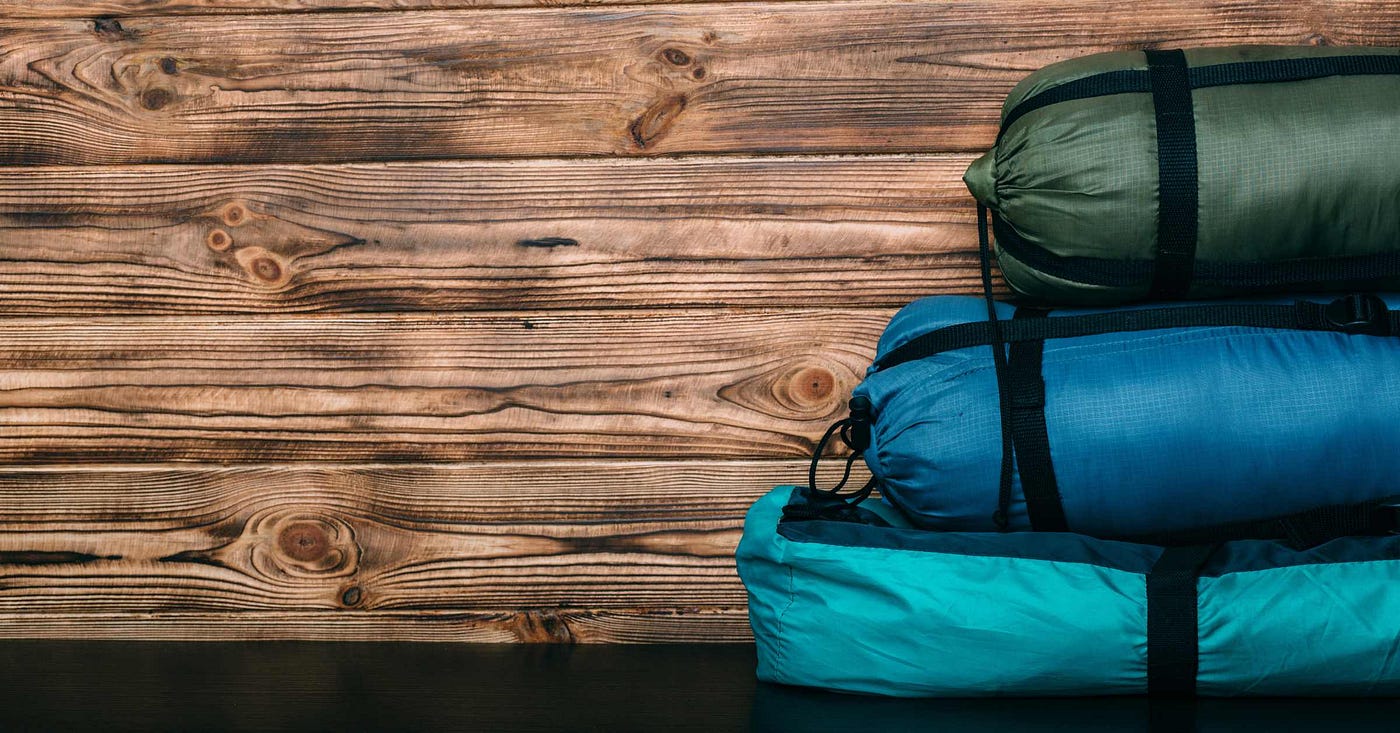
Credit: veronicahanson.medium.com
Alternative Options To Carrying A Tent
Carrying a tent on an airplane can be tricky due to size and weight limits. Many travelers look for other ways to have shelter while camping.
There are good options that let you enjoy camping without bringing your own tent on the plane. These options can save space and reduce hassle.
Renting Tents At Destination
Many campgrounds and outdoor shops rent tents to travelers. You can reserve a tent before you arrive at your camping spot.
This option lets you avoid carrying bulky gear. The tents are often set up and ready to use, which saves time.
- Reserve tents online or by phone
- Choose tent size that fits your group
- Some rentals include sleeping bags and mats
- Pick up and drop off tents at the site
Using Campsites With Facilities
Some campsites offer cabins or shelters for rent. These places provide a roof and basic comfort without needing your own tent.
These facilities often include beds, electricity, and bathrooms. They are a good choice if you want less gear and more comfort.
- Book cabins ahead of time
- Enjoy access to restrooms and showers
- Some campsites offer kitchen areas
- Good for families or longer stays
Exploring Shelter Alternatives
You can try other types of shelters like hammocks, bivy sacks, or tarp setups. These are lighter and easier to carry on planes.
These alternatives can protect you from weather and insects. They take less space and weigh less than tents.
- Hammocks with mosquito nets
- Small bivy sacks for solo camping
- Tarp shelters with ropes and stakes
- Use natural shelter spots for extra cover
Frequently Asked Questions
Can You Bring A Tent As Carry-on Luggage?
Most airlines do not allow tents as carry-on due to size. It’s best to pack tents in checked baggage instead for air travel.
Is It Safe To Check A Tent On A Plane?
Yes, tents can be safely checked in. Use a durable, waterproof bag to protect your tent during handling.
Are There Airline Restrictions For Tent Size And Weight?
Airlines have size and weight limits for checked bags. Ensure your tent’s packed size and weight meet airline rules.
Do I Need To Declare My Tent At Airport Security?
Tents generally don’t require special declaration. Just follow normal baggage screening processes to avoid delays.
Conclusion
Taking a tent on an airplane is possible but needs planning. Check the airline’s rules about size and weight limits. Pack your tent carefully to fit in carry-on or checked bags. Remember, some airlines may charge extra fees for bulky items.
Always declare your tent at security checkpoints to avoid delays. Traveling with a tent can make your outdoor trips easier and more fun. Prepare well, and you will enjoy your adventure without stress. Safe travels and happy camping!