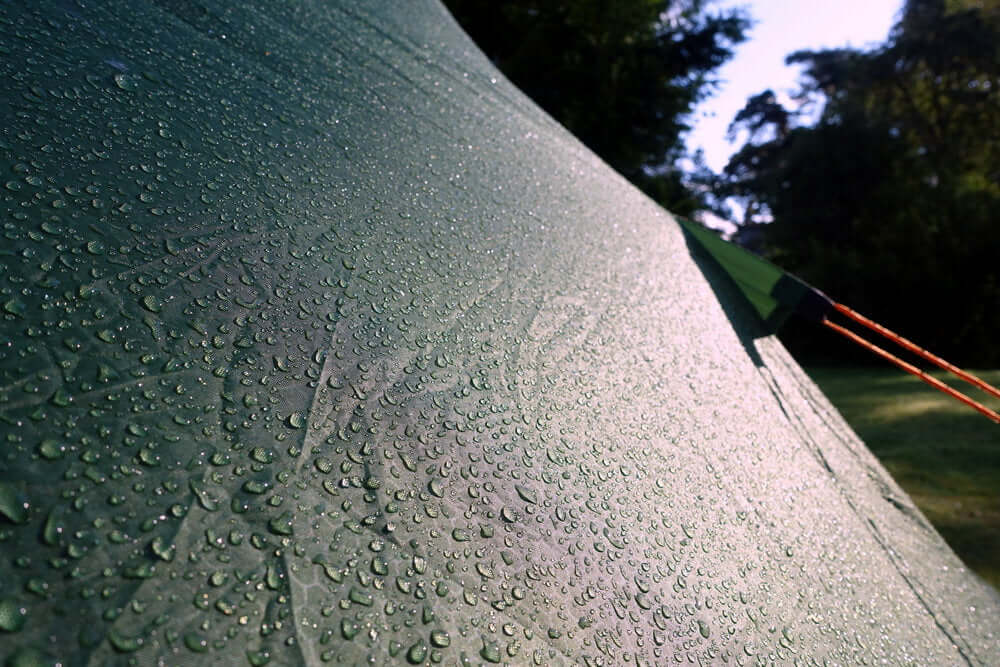
Have you ever woken up inside your tent to find everything dripping wet? Tent condensation can turn a cozy camping trip into a frustrating, soggy experience.
But what if you could stop that annoying moisture from ruining your adventure? You’ll discover simple, practical tips to keep your tent dry and comfortable. Imagine waking up refreshed, with no damp gear or chilly air. Keep reading, and you’ll learn exactly how to make that happen on your next trip.

Credit: hot-tent.com
Causes Of Tent Condensation
Tent condensation happens when moisture builds up inside your tent. This moisture comes from different sources. Understanding these causes helps reduce wetness inside your tent.
We will look at the main causes of condensation. These include moisture inside the tent, weather effects, and the materials used in the tent.
Moisture Sources Inside The Tent
Moisture inside the tent mainly comes from people and items inside. Breathing, sweating, and wet clothes add moisture to the air. Cooking or drying wet gear also increases humidity.
- Human breath and sweat release water vapor.
- Wet clothes and shoes inside the tent add moisture.
- Cooking inside or near the tent creates steam.
- Snow or rain on gear adds water to the air.
Effect Of Weather Conditions
Weather plays a big role in tent condensation. Cold air outside cools the tent walls. Warm air inside meets the cold walls and forms water droplets. Wind and rain also affect moisture levels.
| Weather Condition | Effect on Condensation |
| Cold temperatures | Increase condensation by cooling tent walls |
| High humidity | Raise moisture inside the tent |
| Wind | Can reduce moisture by ventilation or increase if wet |
| Rain or snow | Add moisture to tent fabric and gear |
Role Of Tent Materials
Tent fabric and design affect how moisture moves. Some materials trap moisture inside. Others let air flow to reduce condensation. The tent’s shape and vents also help control wetness.
Materials and design features that affect condensation:
- Waterproof fabrics block water but can trap moisture inside.
- Breathable fabrics allow moisture to escape.
- Mesh panels improve airflow and reduce condensation.
- Double-wall tents separate rainfly from inner tent to reduce wetness.
Ventilation Techniques
Tent condensation can make camping uncomfortable. Proper ventilation helps reduce moisture inside the tent.
Understanding different techniques can keep your tent dry and cozy. Let’s explore some effective methods.
Using Tent Vents Effectively
Tent vents are designed to promote airflow. Open them to allow fresh air in and push moist air out.
- Locate all vents and make sure they are not blocked.
- Use guy lines to keep rain flaps open for better airflow.
- Adjust vents based on wind direction for maximum effect.
Creating Cross Breezes
Cross breezes improve air circulation. This technique is simple but effective in reducing condensation.
Keep windows on opposite sides of the tent slightly open. This setup helps air flow through easily.
Opening Tent Doors Strategically
Opening tent doors helps in ventilating the space. Be strategic to maintain privacy while improving airflow.
| Time of Day | Door Opening Strategy |
| Morning | Open doors to let in fresh air |
| Night | Partially open doors for airflow |
| Rainy | Open doors at the top to avoid water entry |
These techniques can help you enjoy a dry and comfortable camping experience.
Choosing The Right Campsite
Picking the right place to set up your tent helps reduce condensation. Good campsite choices keep your tent dry and comfortable.
Look for spots that avoid moisture buildup and allow good airflow. This helps stop water from forming inside your tent.
Avoiding Low-lying Areas
Low-lying areas collect cold air and moisture. This makes tents more likely to get damp inside.
Choose higher ground that stays dry. This prevents water from pooling around your tent.
- Look for flat, elevated spots
- Avoid valleys and dips
- Check if ground feels damp
Selecting Wind-exposed Locations
Wind helps move moist air away from your tent. This lowers the chance of condensation inside.
Pick spots where the wind can flow freely. Avoid places blocked by trees or rocks.
- Find open areas with good airflow
- Face tent openings toward the wind
- Do not camp behind large obstacles
Considering Ground Moisture
Wet ground adds moisture near your tent floor. This increases inside humidity and condensation.
Check the soil before you set up. Avoid soft, muddy, or damp areas for camping.
- Test soil with your hand or foot
- Choose dry and firm ground
- Use a groundsheet to keep moisture out
Managing Moisture Inside The Tent
Condensation inside a tent can make camping uncomfortable. Managing moisture helps keep the tent dry and cozy. Simple steps reduce wetness and improve your camping experience.
Moisture comes from wet gear, breathing, and cooking. Controlling these sources lowers condensation inside your tent.
Drying Wet Gear Before Entry
Bring wet clothes and shoes outside before entering the tent. Let them dry in the sun or hang them under a shelter. Wet gear inside adds moisture to the air and causes more condensation.
- Set up a clothesline near your tent.
- Use a tarp or canopy to dry items in bad weather.
- Store wet boots outside the tent door.
- Shake off snow or rain before going inside.
Using Moisture Absorbers
Moisture absorbers help reduce dampness inside your tent. They pull water from the air and keep the space dry. Use absorbent products safely to avoid spills.
| Type | Use | Benefit |
| Silica Gel Packs | Place near tent corners | Absorbs moisture effectively |
| Charcoal Briquettes | Wrap in cloth and hang | Neutralizes odors and moisture |
| Calcium Chloride | Use in sealed container | Draws moisture quickly |
Limiting Cooking Inside The Tent
Cooking produces steam that raises humidity. Limit cooking inside your tent to reduce moisture buildup. Cook outside or under a shelter if possible.
- Use a camp stove outside the tent.
- Keep tent vents open during cooking.
- Avoid boiling water inside the tent.
- Store food outside to prevent spills and moisture.
Tent Setup Tips
Tent condensation can make camping uncomfortable. Setting up your tent properly helps reduce moisture inside. Follow these tips to keep your tent dry and cozy.
Good tent setup improves airflow and stops water from building up. Focus on tension, ground protection, and tent direction for best results.
Pitching With Proper Tension
Keep your tent fabric tight but not overstretched. Proper tension stops sagging, which traps moisture and causes condensation. Adjust guy lines and stakes evenly.
- Start by staking corners tightly
- Tighten rainfly and tent body separately
- Use adjustable guy lines for better control
- Check tension after wind or rain changes
Using Footprints And Ground Tarps
Place a footprint or ground tarp under your tent to protect from damp soil. It also helps reduce moisture rising from the ground, lowering inside condensation.
| Material | Benefit |
| Polyethylene tarp | Waterproof and durable |
| Silicone-coated nylon | Lightweight and water-resistant |
| Custom tent footprint | Perfect fit, protects tent floor |
Positioning Tent Orientation
Place your tent to catch wind and avoid moisture build-up. Proper orientation improves airflow and reduces condensation inside the tent.
Try these placement tips:
- Face the tent door away from prevailing wind to prevent rain entering.
- Set tent on a gentle slope to allow water runoff.
- Avoid low spots where cold air collects and moisture settles.
- Keep tent vents clear and open for airflow.

Credit: www.youtube.com
Advanced Solutions
Tent condensation happens when moisture builds inside your tent. It can make your gear wet and uncomfortable.
Simple ways to reduce condensation might not always work. Advanced solutions can help keep your tent dry.
Installing A Tent Heater
A tent heater warms the air inside your tent. Warm air holds more moisture, reducing condensation on surfaces.
Choose heaters made for tents with safety features. Keep heaters away from flammable materials and follow instructions carefully.
- Use electric or propane heaters designed for tents
- Place heater near tent center for even heat
- Always ventilate your tent to avoid carbon monoxide
- Turn off heater before sleeping or leaving the tent
Using Dehumidifiers
Dehumidifiers remove moisture from the air inside your tent. This lowers humidity and stops condensation from forming.
Battery-powered or small electric dehumidifiers work best for camping. They are easy to carry and use inside tents.
- Select a compact dehumidifier for tent use
- Empty water tank regularly to keep it working
- Place near damp areas or sleeping space
- Check power source and battery life before use
Applying Waterproof Sprays
Waterproof sprays help stop water from entering your tent fabric. They reduce dampness and help lower condensation.
Spray your tent before trips or after washing it. Reapply sprays regularly to keep the fabric protected from moisture.
- Use sprays made for outdoor tents and gear
- Apply evenly on outer tent surface
- Allow tent to dry fully before packing
- Follow safety instructions on spray label

Credit: www.reddit.com
Frequently Asked Questions
What Causes Tent Condensation And How To Prevent It?
Tent condensation happens when warm, moist air meets cold tent walls. To prevent it, improve ventilation, use breathable fabrics, and avoid drying wet clothes inside the tent.
How Can Ventilation Reduce Tent Condensation Effectively?
Ventilation allows moist air to escape, reducing condensation. Keep windows or vents open slightly, even in cold weather, to maintain airflow and prevent moisture buildup inside your tent.
Does Using A Tent Footprint Help With Condensation?
Yes, a tent footprint acts as a barrier between the ground and tent floor. It reduces moisture seepage from the ground, helping to minimize condensation inside the tent.
Can Tent Condensation Be Reduced By Managing Internal Heat?
Managing heat inside your tent helps reduce condensation. Avoid excessive body heat, cook outside, and remove damp items promptly to lower humidity levels inside your tent.
Conclusion
Stopping tent condensation keeps your camping dry and comfortable. Ventilate your tent well to let moisture escape. Use a rainfly and groundsheet to reduce dampness. Avoid cooking or drying wet clothes inside the tent. Small steps make a big difference.
Enjoy your outdoor trips without worrying about wet gear. Simple habits help you stay cozy all night. Keep your tent fresh and moisture-free for better camping.