
Have you noticed strange, silky tents hanging from the branches of your trees? Those are likely made by tent caterpillars.
But are these creepy crawlers just a natural part of your garden, or are they invasive pests threatening your plants? Understanding whether tent caterpillars are invasive is key to protecting your yard and keeping your trees healthy. You’ll discover the truth about these insects and learn what you can do to manage them before they take over.
Keep reading to find out how to spot, control, and prevent tent caterpillar infestations in your own space.
Tent Caterpillar Basics
Tent caterpillars are common moth larvae known for building silk tents in trees. They can often be seen in spring and early summer.
These insects feed on leaves and can sometimes cause damage to trees. Understanding their types and life stages helps manage them.
Species And Varieties
There are several species of tent caterpillars. Each species builds tents on different types of trees. Some common species include:
- Eastern Tent Caterpillar – found mostly in the eastern United States
- Western Tent Caterpillar – common in the western states
- Forest Tent Caterpillar – prefers deciduous forests
Each species has unique colors and patterns. They all create silk tents but differ in their location and behavior.
Life Cycle Stages
Tent caterpillars go through four main stages in their life cycle. These stages affect how they look and behave.
| Stage | Description |
| Egg | Laid in clusters on tree branches during late summer |
| Larva | Hatches in spring, builds tents, and eats leaves |
| Pupa | Forms a cocoon, usually near the tent or on the tree |
| Adult | A moth that emerges to mate and lay eggs |
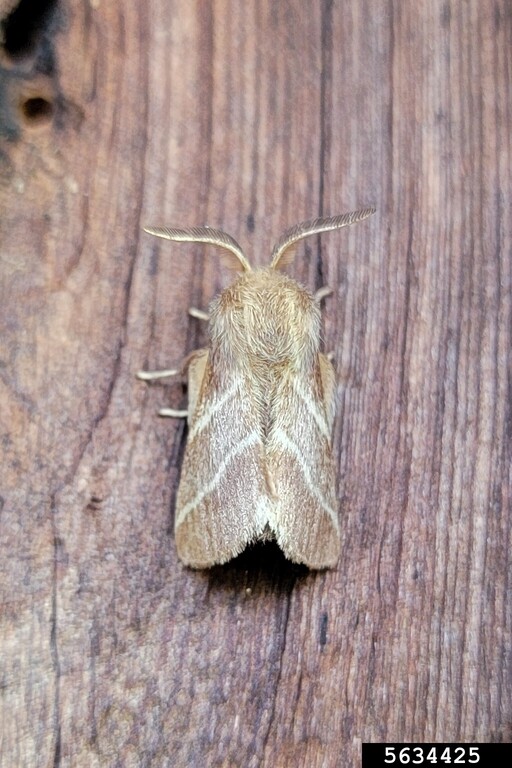
Credit: www.tn.gov
Habitat And Distribution
Tent caterpillars are known for their silky webs and unique behavior. They are often found in regions with ample vegetation.
These caterpillars live in various habitats across different continents. Their presence can impact local plant life and ecosystems.
Native Regions
Tent caterpillars are native to North America. They are common in the United States and Canada.
In these regions, they thrive in forests and wooded areas. They prefer places with a lot of deciduous trees.
- Eastern tent caterpillar: Found in eastern United States.
- Western tent caterpillar: Common in the western United States.
- Forest tent caterpillar: Present in northern forests.
Spread Patterns
Tent caterpillars can spread quickly. They move from tree to tree in search of food.
Their spread is influenced by environmental factors. Weather and food availability play significant roles.
- Travel in groups to new feeding grounds.
- Adapt to different climates and conditions.
- Can cause defoliation of trees in large numbers.
Impact On Ecosystems
Tent caterpillars are known for their large silk tents in trees. They can affect the balance of nature in many ways. Understanding their impact helps us see their role in ecosystems.
These insects feed on leaves and serve as food for many animals. Their presence can change how plants grow and how food chains work.
Effects On Trees And Plants
Tent caterpillars eat the leaves of many trees and shrubs. This can cause damage, especially if many caterpillars feed at once. Trees may lose their leaves early, which can slow their growth.
- Leaves eaten by caterpillars reduce photosynthesis
- Repeated defoliation weakens trees over time
- Some trees can recover fully after one attack
- Young trees and shrubs are more vulnerable
- Severe damage may lead to tree death
Role In Food Chains
Tent caterpillars are a food source for many birds and insects. They help transfer energy from plants to other animals. This makes them important in food webs.
| Animal | Type | Role with Tent Caterpillars |
| Blue Jay | Bird | Eats caterpillars to feed young |
| Paper Wasp | Insect | Preys on caterpillars for protein |
| Spider | Arachnid | Captures caterpillars in webs |
| Small Mammals | Mammal | Sometimes feed on caterpillars |

Credit: www.reddit.com
Invasive Or Not?
Tent caterpillars are common insects found in many forests and gardens. People often wonder if they are invasive species.
This article explains if tent caterpillars meet the criteria to be called invasive and their current status.
Criteria For Invasiveness
An invasive species spreads quickly outside its native area. It causes harm to the environment, economy, or human health.
To be invasive, tent caterpillars must:
- Live outside their natural habitat
- Multiply rapidly in new areas
- Damage native plants or animals
- Cause economic problems for farmers or gardeners
Current Status
Tent caterpillars are native to North America and parts of Asia. They do not usually spread far beyond their home range.
They can cause damage to trees by eating leaves. But they rarely kill the trees or upset the ecosystem badly.
- Tent caterpillars stay mostly in their native areas
- They do not outcompete other species significantly
- Their populations rise and fall naturally
- They are not considered invasive by scientists
Signs Of Infestation
Tent caterpillars are common pests in many areas. They can cause damage to trees and plants.
Recognizing early signs of infestation helps protect your trees. Look for nests and damage on leaves.
Identifying Tent Caterpillar Nests
Tent caterpillars build silk nests in tree branches. These nests are easy to spot in spring.
- Nests look like white or gray webs.
- They are often found in forked branches.
- The nests protect many caterpillars inside.
- They grow larger as the caterpillars feed.
- Check fruit trees and hardwood trees for nests.
Damage Indicators
Tent caterpillars eat leaves, which weakens trees. You can see several signs of damage on infested trees.
| Damage Sign | Description |
| Defoliation | Leaves are eaten, leaving bare branches. |
| Skeletonized Leaves | Leaf edges remain but centers are gone. |
| Frass | Small black droppings found on leaves and ground. |
| Slow Tree Growth | Trees grow weak due to loss of leaves. |
| Visible Caterpillars | Caterpillars seen crawling on branches or leaves. |
Control And Management
Tent caterpillars can damage trees by eating leaves. Managing them helps keep trees healthy.
Controlling tent caterpillars is possible with natural and chemical options. Both help reduce their numbers.
Natural Predators
Many birds and insects eat tent caterpillars. These natural predators help control their population.
Encouraging these predators can lower caterpillar damage without chemicals.
- Birds like robins and chickadees feed on caterpillars
- Wasps and beetles attack caterpillar eggs and larvae
- Spiders catch caterpillars in their webs
Effective Treatment Methods
There are several ways to treat tent caterpillars. Choose a method that fits your situation.
Early treatment helps stop caterpillars before they cause much damage.
- Remove and destroy egg masses on branches in late winter
- Use insecticidal soaps or neem oil to kill young caterpillars
- Apply Bacillus thuringiensis (Bt), a safe bacteria that targets caterpillars
- Prune branches with tents to reduce caterpillar numbers
- Keep trees healthy with watering and fertilizing to resist damage
Surprising Facts
Tent caterpillars are often seen as pests. They build large silk tents in trees. Many people wonder if they are invasive species. The truth is more interesting than most expect.
Tent caterpillars have unique behaviors and important roles in nature. Learning about these can change how we see them.
Unique Behaviors
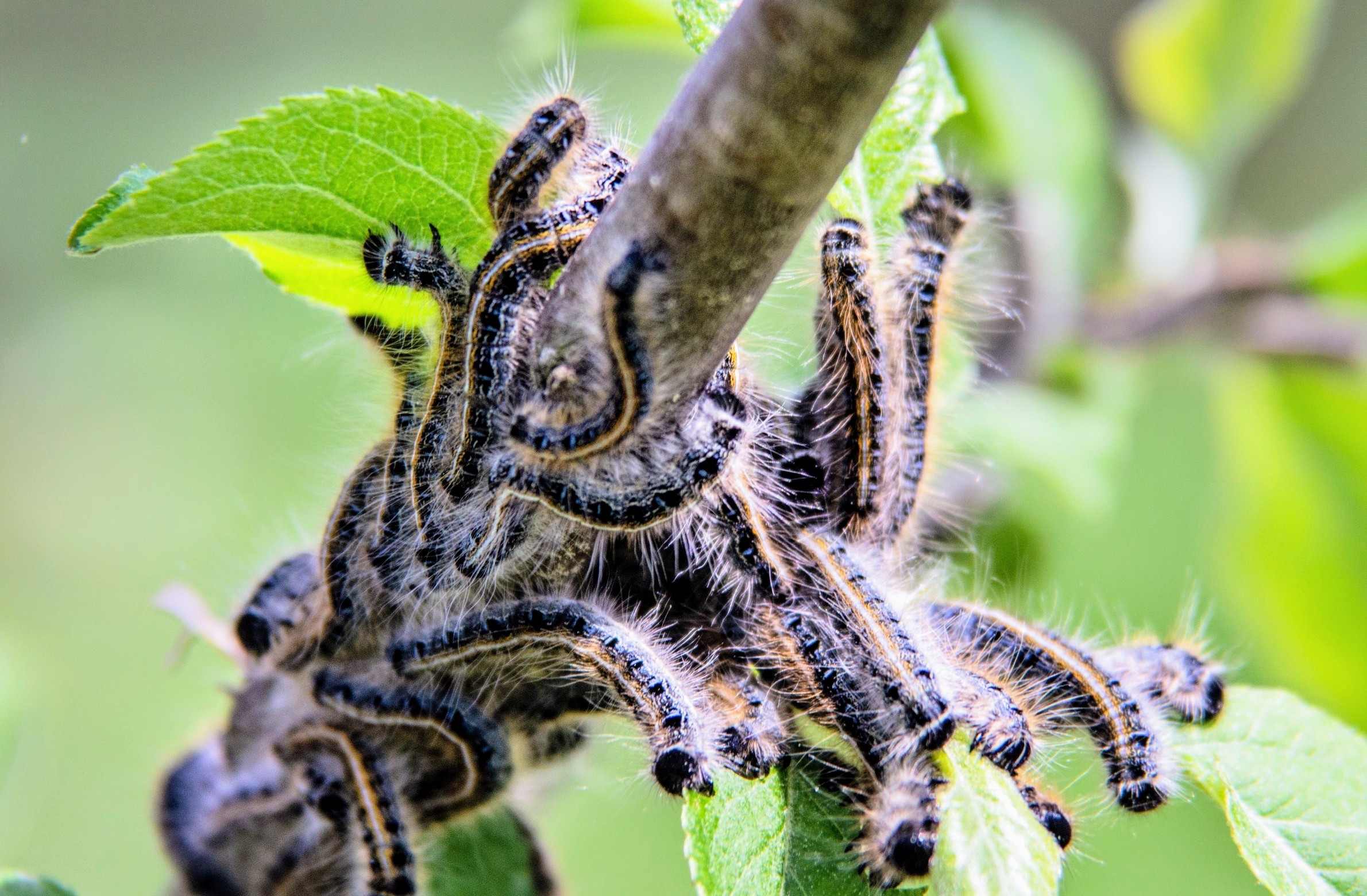
Tent caterpillars live in groups inside silk tents. These tents help protect them from predators and bad weather. They also use them to stay warm during cold nights.
They come out of the tents to feed on leaves during the day. The caterpillars work together and move as a group. This social behavior is rare among insects.
- Build silk tents in tree branches
- Live and feed together in groups
- Use tents for warmth and safety
- Move as a coordinated group
Ecological Benefits
Tent caterpillars help many animals by providing food. Birds, small mammals, and insects eat them. This supports the local food chain.
Their leaf-eating also helps trees grow new leaves. This can make the forest healthier over time. They are part of nature’s recycling system.
- Food source for birds and animals
- Help trees grow fresh leaves
- Support forest health and balance
- Part of natural recycling
Credit: www.earth.com
Frequently Asked Questions
Are Tent Caterpillars Considered Invasive Species?
Tent caterpillars are native to North America and not truly invasive. However, they can cause significant defoliation in trees, impacting local ecosystems temporarily.
How Do Tent Caterpillars Affect Trees And Plants?
They feed on leaves, causing defoliation that weakens trees. Repeated infestations may stunt growth but rarely kill healthy trees.
Can Tent Caterpillars Spread To New Regions?
While they primarily stay local, wind and human activity can occasionally spread them to new areas, potentially causing outbreaks.
What Natural Controls Limit Tent Caterpillar Populations?
Birds, parasitic wasps, and diseases naturally reduce their numbers, helping maintain ecological balance without human intervention.
Conclusion
Tent caterpillars often spread quickly and affect many trees. They can damage forests and gardens by eating leaves. People worry because these insects change natural areas. Still, they are part of nature’s cycle in some places. Managing their numbers helps protect plants and keeps balance.
Watching for signs early can reduce their harm. Understanding tent caterpillars helps us care for the environment better. Nature is complex, and every creature has a role to play.