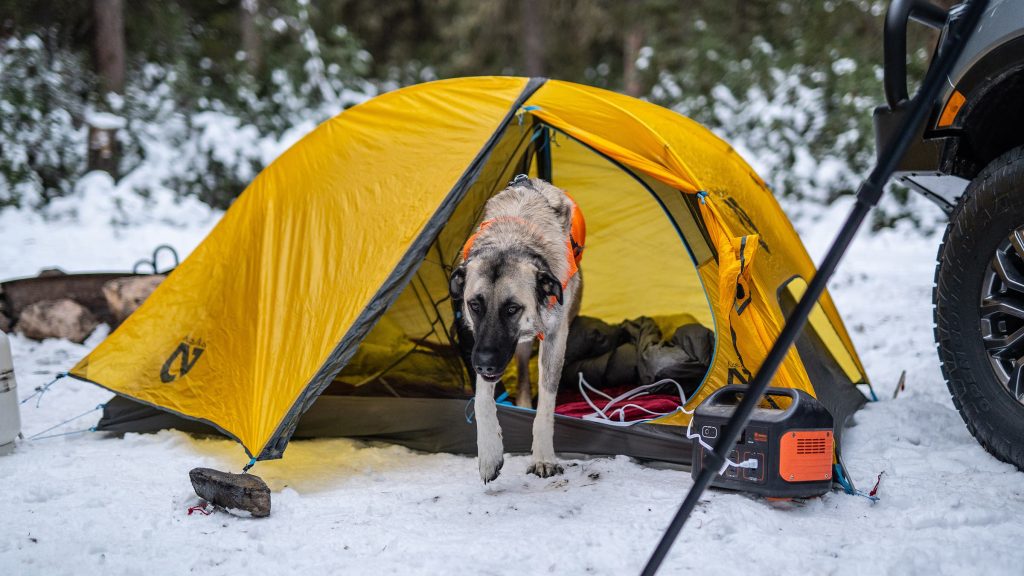
When you’re camping in chilly weather, staying warm inside your tent isn’t just about comfort—it’s about safety. But how do you safely heat a tent without risking fire or harmful fumes?
You might be wondering if that portable heater is a good idea or if there are better ways to keep cozy. You’ll discover simple, effective methods to heat your tent safely. By the end, you’ll know exactly how to stay warm and protected, so your outdoor adventure stays enjoyable from start to finish.
Keep reading to find out how to make your tent a safe, warm haven no matter how cold it gets outside.
Choosing The Right Heater
Heating a tent safely requires picking the right heater. You want warmth without risking fire or carbon monoxide.
Consider the size of your tent, fuel type, and ventilation before choosing any heater. Safety should be your top priority.
Types Of Tent Heaters
Tent heaters come in many types. Some use gas, others use electricity, and some burn solid fuel. Each type has its pros and cons.
- Propane heaters warm quickly but need ventilation.
- Butane heaters are compact but less powerful.
- Electric heaters are safe indoors but need power.
- Wood stoves give cozy heat but require space and care.
Fuel Options And Safety
| Fuel Type | Safety Tips | Use Notes |
|---|---|---|
| Propane | Use only in well-ventilated tents. Keep away from flammable items. | Good heat output, check for leaks before use. |
| Butane | Ventilate tent and monitor oxygen levels. | Portable and lightweight, less heat than propane. |
| Electric | Use heaters with automatic shutoff. Avoid water contact. | Safe indoors if power source is reliable. |
| Wood | Install on stable surface. Keep chimney clear. | Requires space and constant attention. |
Portable Electric Heaters
Electric heaters are easy to use and safer indoors. They do not produce fumes or open flames. This makes them a good choice for many tents.
- Choose a heater with tip-over protection.
- Use heaters with overheat shutoff features.
- Place heater on a flat, stable surface.
- Keep heater away from fabrics and water.

Credit: www.reddit.com
Setting Up Your Tent For Heating
Heating a tent can be safe if done correctly. Proper setup is key to staying warm and safe.
This guide will help you prepare your tent for heating by focusing on ventilation, insulation, and heater placement.
Ventilation And Airflow
Ventilation is important to prevent carbon monoxide build-up. It keeps fresh air circulating inside your tent.
- Open vents or windows slightly to allow airflow.
- Avoid blocking air pathways with gear.
- Check that your heater is designed for indoor use.
Insulating Your Tent
Insulating your tent helps retain heat. This can be done using simple materials.
| Material | Benefit |
| Thermal blankets | Reflects heat inside |
| Foam pads | Insulates floor |
| Extra sleeping bags | Adds warmth |
Safe Placement Of Heaters
Correct heater placement reduces fire risk. Always prioritize safety when using heaters inside tents.
Fire Safety Measures
Heating a tent safely is important to avoid fire hazards. You need to take steps to protect yourself and others.
Using the right tools and following safety rules helps prevent accidents. Always plan before you heat your tent.
Using Carbon Monoxide Detectors
Carbon monoxide is a silent, deadly gas. It can build up quickly in a tent with heaters or stoves. A carbon monoxide detector warns you if levels get too high.
Place the detector near your sleeping area. Test it before each use. Replace batteries regularly to keep it working well.
Avoiding Flammable Materials
Keep flammable items away from heat sources. This reduces the risk of fire starting inside your tent.
- Do not store fuel or gas inside the tent.
- Keep curtains, sleeping bags, and clothes far from heaters.
- Use a fire-resistant mat under heating devices.
- Check for holes or tears in your tent fabric.
Emergency Preparedness
Be ready to act fast if a fire starts. Knowing what to do saves lives and property.
| Emergency Action | Details |
|---|---|
| Extinguish Fire | Use a fire extinguisher or water if safe to do so. |
| Evacuate | Leave the tent quickly and calmly. |
| Call for Help | Contact emergency services immediately. |
| Have a First Aid Kit | Treat minor burns or injuries on site. |
Alternative Warming Techniques
Keeping warm inside a tent is important for comfort and safety. Using a heater can be risky. There are safer ways to stay warm while camping.
These techniques do not need electricity or open flames. They help you stay cozy and reduce the chance of accidents.
Using Hot Water Bottles
Hot water bottles provide steady heat for hours. Fill them with hot water before going to bed. Place them inside your sleeping bag or near your feet.
Make sure the bottle is sealed tightly to avoid leaks. Wrap it in a cloth to prevent burns. This method is simple and effective.
- Use boiled water, not boiling hot
- Check the bottle for cracks before use
- Keep the bottle away from tent fabric
Thermal Sleeping Bags
Thermal sleeping bags trap body heat to keep you warm. They use special materials that block cold air. Choose a sleeping bag rated for low temperatures.
These bags are light and easy to carry. Use a sleeping pad underneath for extra insulation from cold ground.
- Look for bags with good insulation
- Use a liner inside for more warmth
- Keep the bag dry for best results
Layering Clothing Effectively
Wearing layers helps keep your body heat inside. Start with a thin base layer that moves sweat away. Add an insulating middle layer to trap heat.
Finish with a windproof outer layer to block cold air. Remove or add layers to control your temperature. Avoid cotton because it holds moisture.
- Base layer: wool or synthetic fabric
- Middle layer: fleece or down jacket
- Outer layer: waterproof and windproof shell
- Wear warm socks, hats, and gloves
Maintaining Heater Performance
Keeping your tent heater in good shape is important for safety and warmth. Regular care helps the heater work well.
Check your heater often to avoid problems and keep it running safely inside your tent.
Regular Cleaning And Inspection
Clean your heater before each use. Dust and dirt can block the heater’s parts and reduce heat.
Look for cracks, loose parts, or rust. Fix any damage to keep the heater safe and strong.
- Wipe the outside with a dry cloth
- Remove dust from vents and grills
- Check the power cord or fuel lines for damage
- Test the heater in a safe area before using it in the tent
Fuel Storage Tips
Store fuel in a cool, dry place away from heat sources. Proper storage stops leaks and fires.
Use only the fuel type recommended by the heater maker. Using the wrong fuel can damage the heater.
- Keep fuel containers tightly closed
- Label fuel containers clearly
- Store fuel away from open flames and electrical devices
- Do not store fuel inside the tent
Troubleshooting Common Issues
If your heater won’t start or stops working, check simple problems first. Many issues have easy fixes.
Look for fuel supply, power source, and cleanliness to find the cause of the problem.
- Make sure there is enough fuel
- Check if the power cord is plugged in
- Clean dirty filters or vents
- Look for error lights or sounds and follow the heater’s manual
Credit: www.battlbox.com
Credit: www.battlbox.com
Frequently Asked Questions
How Can I Heat A Tent Safely?
Use a tent heater designed for indoor use. Ensure proper ventilation to avoid carbon monoxide buildup. Always follow the heater’s safety instructions and never leave it unattended.
What Are The Best Tent Heaters For Camping?
Propane heaters with safety features or electric heaters are ideal. Look for models with automatic shut-off and tip-over protection. Choose heaters suitable for your tent size and ventilation.
How Do I Prevent Carbon Monoxide Poisoning In Tents?
Keep a window slightly open for fresh air. Use carbon monoxide detectors inside the tent. Avoid using fuel-burning heaters without proper ventilation.
Can I Use A Campfire To Heat A Tent?
No, heating a tent directly with a campfire is dangerous. Sparks and smoke can cause burns and inhalation risks. Use designated heaters inside the tent instead.
Conclusion
Heating a tent safely keeps you warm and protects your health. Use heaters made for tents and follow all instructions carefully. Always keep vents open to avoid dangerous gas buildup. Never leave a heater unattended while sleeping or away. Choose safe fuel and check your gear before each trip.
Simple steps make camping cozy without risks. Stay safe, enjoy warmth, and have a great outdoor experience. Safety first, comfort next.