Choosing the right bike helmet isn’t just about style—it’s about your safety. But how do you know if a helmet fits you perfectly?
If it’s too loose, it won’t protect you properly. If it’s too tight, it will be uncomfortable and distracting. You might think measuring your head is tricky, but it doesn’t have to be. In this guide, you’ll learn simple, step-by-step ways to measure for a bike helmet that fits just right.
By the end, you’ll feel confident picking a helmet that keeps you safe and comfortable every time you ride. Keep reading to find out how easy it can be!
Why Helmet Fit Matters
A helmet protects your head in a crash. If it does not fit well, it cannot protect you properly.
Wearing a helmet that fits right keeps you safe and comfortable during your rides.
Safety And Protection
A snug helmet stays in place during a fall. A loose helmet can slip off or move. This leaves your head open to injury.
Comfort And Wearability
A helmet that fits well feels comfortable. It avoids pressure points and does not cause headaches. You will want to wear it every time you ride.
How To Check Helmet Fit
- Place the helmet level on your head, covering the forehead.
- Adjust the straps so they form a V shape under your ears.
- Fasten the buckle and tighten the chin strap so only two fingers fit.
- Try to move the helmet side to side and front to back. It should not shift.
Helmet Fit Comparison Chart
| Fit Type | Signs | Effect |
| Too Tight | Red marks, headaches | Uncomfortable, hard to wear long |
| Too Loose | Moves on head, easily slips | Low protection, unsafe |
| Just Right | Snug, no pain, stable | Good protection and comfort |
Credit: www.amazon.in
Tools Needed For Measurement
Measuring for a bike helmet is important. It ensures the helmet fits well and keeps you safe.
Using the right tools makes the process easy. Here are the tools you need.
Flexible Measuring Tape
A flexible measuring tape is essential. It easily wraps around the head for accurate measurement.
- Easy to use for precise results
- Available at most stores
- Soft and comfortable on the skin
Mirror
A mirror helps you see the tape position. It ensures the tape is level across the forehead.
- Use a wall or handheld mirror
- Check for even tape placement
- Helpful if measuring alone
Helper
A helper makes measuring easier. They can hold the tape and read the measurement.
- Ensures accuracy
- Reduces measurement errors
- Makes the process faster
Measuring Your Head Size
Finding the right bike helmet starts with knowing your head size. This helps you pick a helmet that fits well and feels comfortable. Measuring your head is easy with the right tools and technique.
Use a soft tape measure and follow simple steps. Accurate measurement ensures safety and comfort while riding.
Choosing The Right Tape Measure
Use a flexible tape measure made for sewing or tailoring. Avoid metal tape measures as they do not bend well around your head. A soft tape makes it easier to get a close fit.
- Soft cloth or plastic tape measure works best
- Ensure tape is not stretched or damaged
- Have a mirror or helper to assist with measuring
Finding The Correct Measurement Spot
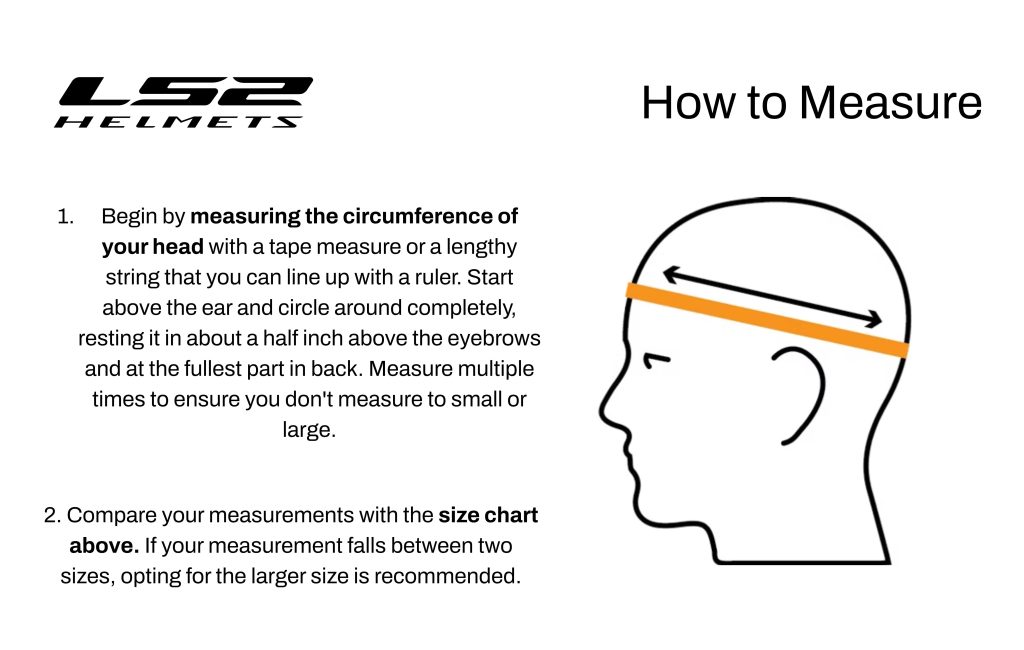
Place the tape measure around your head where the helmet will sit. This is usually just above your eyebrows and ears. The tape should rest evenly all around your head.
| Measurement Area | Description |
|---|---|
| Forehead | Just above the eyebrows and across the widest part |
| Above Ears | Wrap tape over the top and around the back of your head |
| Back of Head | At the widest point near the base of your skull |
Taking Accurate Measurements
Keep the tape snug but not tight. It should touch the skin without pressing into it. Look in a mirror or ask someone to help you read the number.
- Wrap tape measure around the head at the correct spot
- Keep the tape level and snug, not loose or too tight
- Note the measurement in centimeters or inches
- Measure twice for accuracy

Credit: www.amazon.com
Interpreting Helmet Sizes
Choosing the right bike helmet size is important for safety and comfort. Helmet sizes often use numbers or letters that can be confusing.
Understanding how to read these sizes helps you pick a helmet that fits well. This guide explains size charts and unit conversions.
Understanding Size Charts
Helmet size charts show head measurements linked to helmet sizes. They help you match your head size to the correct helmet.
Sizes can be given in small, medium, large or numbers like 54-58 cm. Each brand might have its own chart.
- Measure your head with a tape measure above your eyebrows.
- Compare the measurement to the size chart.
- Pick the size range that covers your head size.
- Try the helmet to check the fit before buying.
Converting Between Units
Helmet sizes can be in centimeters or inches. Knowing how to convert helps you understand size charts better.
To convert centimeters to inches, divide by 2.54. To convert inches to centimeters, multiply by 2.54.
| Centimeters (cm) | Inches (in) |
|---|---|
| 54 cm | 21.3 in |
| 56 cm | 22.0 in |
| 58 cm | 22.8 in |
| 60 cm | 23.6 in |
Trying The Helmet On
Putting on a bike helmet helps you check if it fits right. You want a helmet that feels secure and comfortable. This guide shows how to try the helmet on properly.
Follow these simple steps to make sure your helmet fits well and protects you during your rides.
Checking For Proper Fit
Place the helmet on your head so it sits level and covers your forehead. It should feel snug but not tight. Shake your head gently to see if it moves too much.
- The helmet should rest about one inch above your eyebrows.
- It should touch all around your head without gaps.
- You should not feel pressure points after wearing it a few minutes.
- The helmet must not tilt back or forward when you move.
Adjusting Straps And Padding
Straps keep the helmet in place. Adjust them so they form a “V” shape under each ear. Use the buckle to fasten the chin strap firmly but comfortably.
| Adjustment | How It Should Feel |
| Side Straps | Form a snug “V” under your ears |
| Chin Strap | Snug enough to hold helmet but lets you open mouth |
| Padding | Fills gaps and adds comfort without pressure |
Ensuring Comfort And Security
Wear the helmet for several minutes to test comfort. Adjust padding or straps if you feel any discomfort. The helmet should feel secure but not squeeze your head.
- Move your head side to side and front to back
- The helmet should stay steady without shifting
- Breathing and vision must feel natural and clear
- No pinching or tight spots on your scalp or face
Common Fit Issues And Fixes
Wearing the right bike helmet keeps you safe and comfortable. A poor fit can cause problems while riding.
This guide covers common helmet fit issues and simple fixes to make your helmet fit better.
Helmet Too Tight
If your helmet feels too tight, it can cause headaches and discomfort. Tight helmets press hard on your head.
Try loosening the straps and adjusting the fit system at the back. You can also choose a larger helmet size.
- Loosen chin straps to reduce pressure
- Use the dial or pad system to adjust fit
- Try a helmet one size larger if needed
Helmet Too Loose
A loose helmet moves around and does not protect well. It may slide off during a ride or crash.
Use the adjustment dial or pads to tighten the fit. Make sure the chin straps are snug but not tight.
- Turn the rear dial to tighten the helmet
- Add extra padding inside for a snug fit
- Fasten chin straps firmly without choking
Uneven Pressure Points
Uneven pressure means some spots on your head hurt more. This can happen if the helmet is not centered.
Adjust the helmet so it sits level on your head. Use pads to balance pressure evenly around your scalp.
- Center the helmet on your head, not tilted
- Shift padding to relieve pressure spots
- Check fit by moving helmet side to side
Special Considerations For Different Helmet Types
Measuring your head correctly is key to getting a comfortable helmet. Different helmet types have unique features. These features affect how you should measure your head.
Knowing what to watch for helps you pick the right size and shape. This guide covers road bike, mountain bike, and kids’ helmets.
Road Bike Helmets
Road bike helmets are light and aerodynamic. They fit snugly to reduce wind resistance. Measure your head at the widest part, usually just above the eyebrows.
Because road helmets are close-fitting, check the helmet’s shape. Some brands have rounder or longer fits. Try measuring your head length and width for best results.
- Measure circumference above eyebrows and ears
- Note the head shape (round or oval)
- Compare measurements to helmet size charts
Mountain Bike Helmets
Mountain bike helmets often have more coverage at the back of the head. They may include visors to block sun and debris. Measure your head around the widest point and consider extra length.
Make sure the helmet covers the back of your head well. Some mountain helmets fit a bit looser for ventilation. Check if the helmet shape matches your head size and shape.
- Measure head circumference at widest point
- Check helmet coverage, especially at back
- Look for adjustable fit systems
Kids’ Helmets
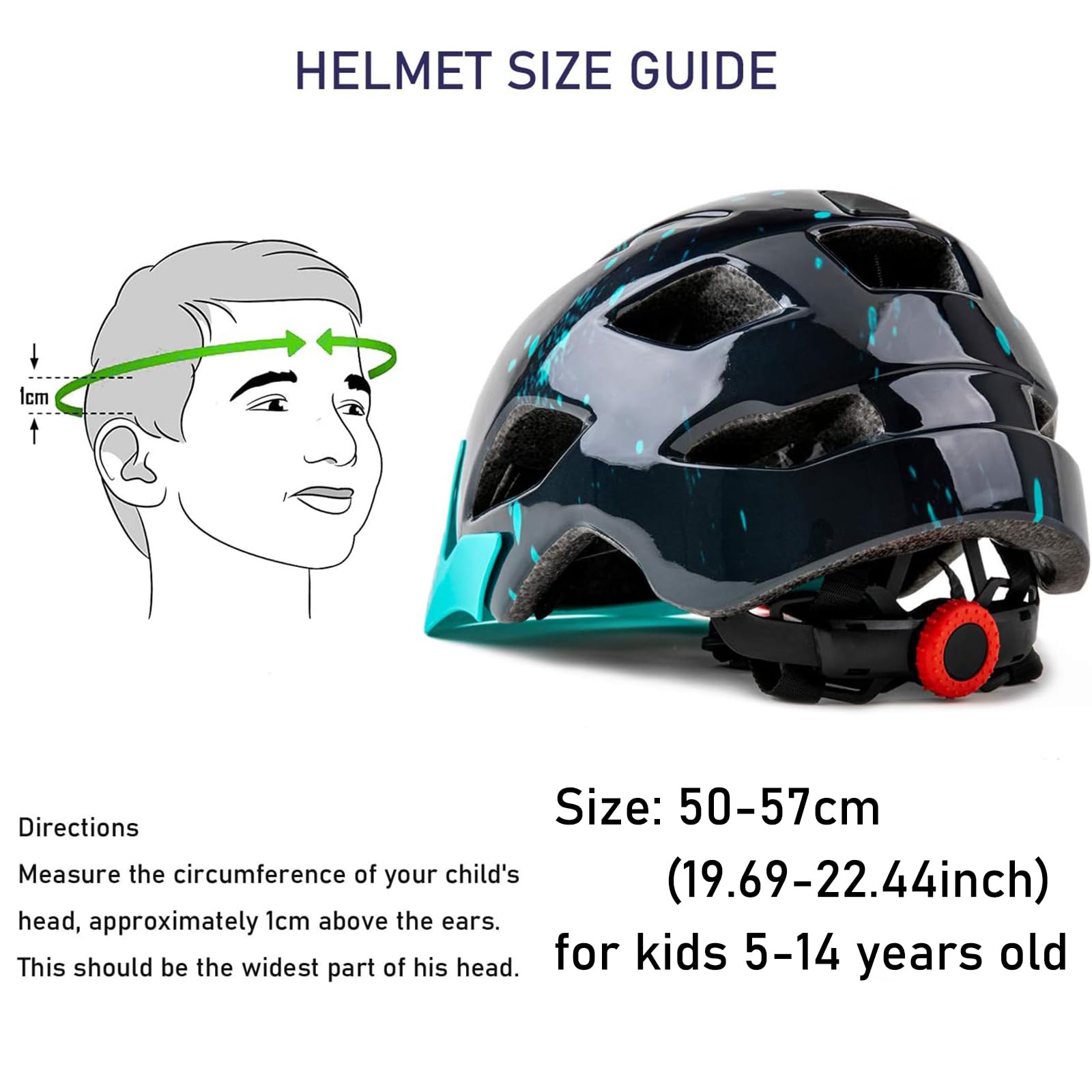
Kids’ helmets must fit well for safety and comfort. Children’s heads grow fast, so measure often. Use a soft tape to measure around the head above the eyebrows.
Choose helmets with adjustable straps and padding. This helps the helmet grow with the child. Always check the helmet size before each ride.
- Measure head circumference regularly
- Pick helmets with adjustable features
- Ensure helmet fits snugly without pressure points
When To Replace Your Helmet
Bike helmets protect your head during crashes. They lose strength over time. Knowing when to replace your helmet keeps you safe.
Damage, age, and fit affect helmet safety. Check your helmet often to decide if it needs replacing.
After A Crash Or Impact
Always replace your helmet after a crash. Even small impacts can cause invisible damage. The helmet may not protect you well in another crash.
When Your Helmet Shows Visible Damage
Look for cracks, dents, or crushed foam. Any visible damage means the helmet’s safety is compromised. Replace the helmet immediately if you see these signs.
Replace Your Helmet Based On Age
Most helmets last about five years. Materials weaken over time from sun, sweat, and wear. Replace helmets older than five years even if undamaged.
| Helmet Age | Replacement Advice |
| Less than 3 years | Check for damage, usually safe |
| 3 to 5 years | Inspect carefully, consider replacement |
| More than 5 years | Replace helmet regardless of condition |
When Your Helmet No Longer Fits Properly
A helmet must fit snugly to protect you. If it feels loose or uncomfortable, it may not protect well. Replace helmets that do not fit correctly.
- Helmet slides easily on your head
- Straps are loose or broken
- Padding is worn out or missing
- Helmet sits too high or tilts

Credit: unit1gear.com
Frequently Asked Questions
How Do I Measure My Head For A Bike Helmet?
Use a soft measuring tape to measure around your head. Place it about 1 inch above your eyebrows. Keep it snug but not tight. This measurement helps you find the right helmet size for a secure fit.
Why Is Helmet Sizing Important For Safety?
Proper helmet sizing ensures the helmet stays in place during a crash. A well-fitted helmet absorbs impact better. It reduces the risk of head injuries. Always choose a helmet that fits your head measurement.
Can Helmet Sizes Vary Between Brands?
Yes, helmet sizes can differ between brands. Always check the brand’s sizing chart before buying. Try the helmet on if possible. This helps you find the best fit and comfort.
How Tight Should A Bike Helmet Fit?
A bike helmet should fit snugly without causing discomfort. It should not move when you shake your head. Straps should be adjusted to keep the helmet secure. A proper fit maximizes protection.
Conclusion
Measuring your head size correctly helps find the best helmet fit. A good fit keeps you safe and comfortable while riding. Use a soft tape measure around your head, just above the eyebrows. Check the size chart of the helmet brand you choose.
Try the helmet on to make sure it feels snug but not tight. Adjust the straps for a secure hold. Taking these steps makes your bike rides safer and more enjoyable. Always remember, a well-measured helmet protects your most important asset—your head.