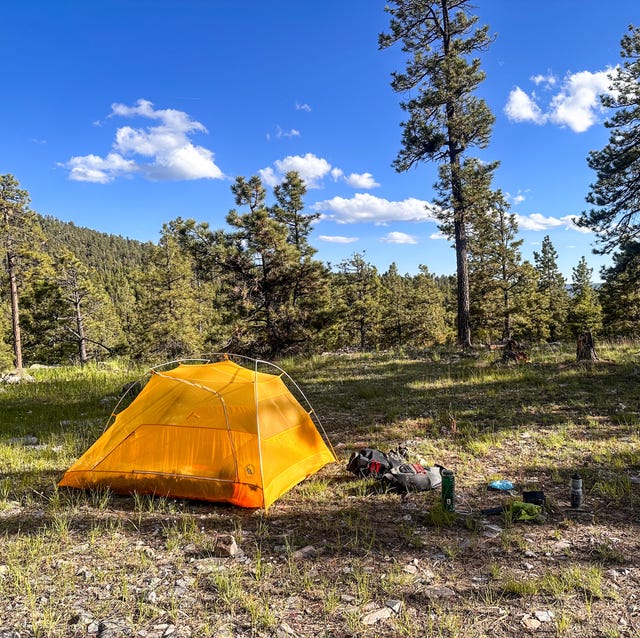
You’ve just finished an amazing camping trip, and now your tent is covered in dirt, mud, and sweat. You’re probably wondering, “Can I just throw my tent in the washing machine and make cleanup easy?” It’s a tempting idea—who wouldn’t want a quick and simple way to clean their tent?
But before you toss it in, there are important things you need to know. Keep reading to find out if machine washing your tent is safe, what risks you might face, and how to keep your gear in perfect shape for your next adventure.
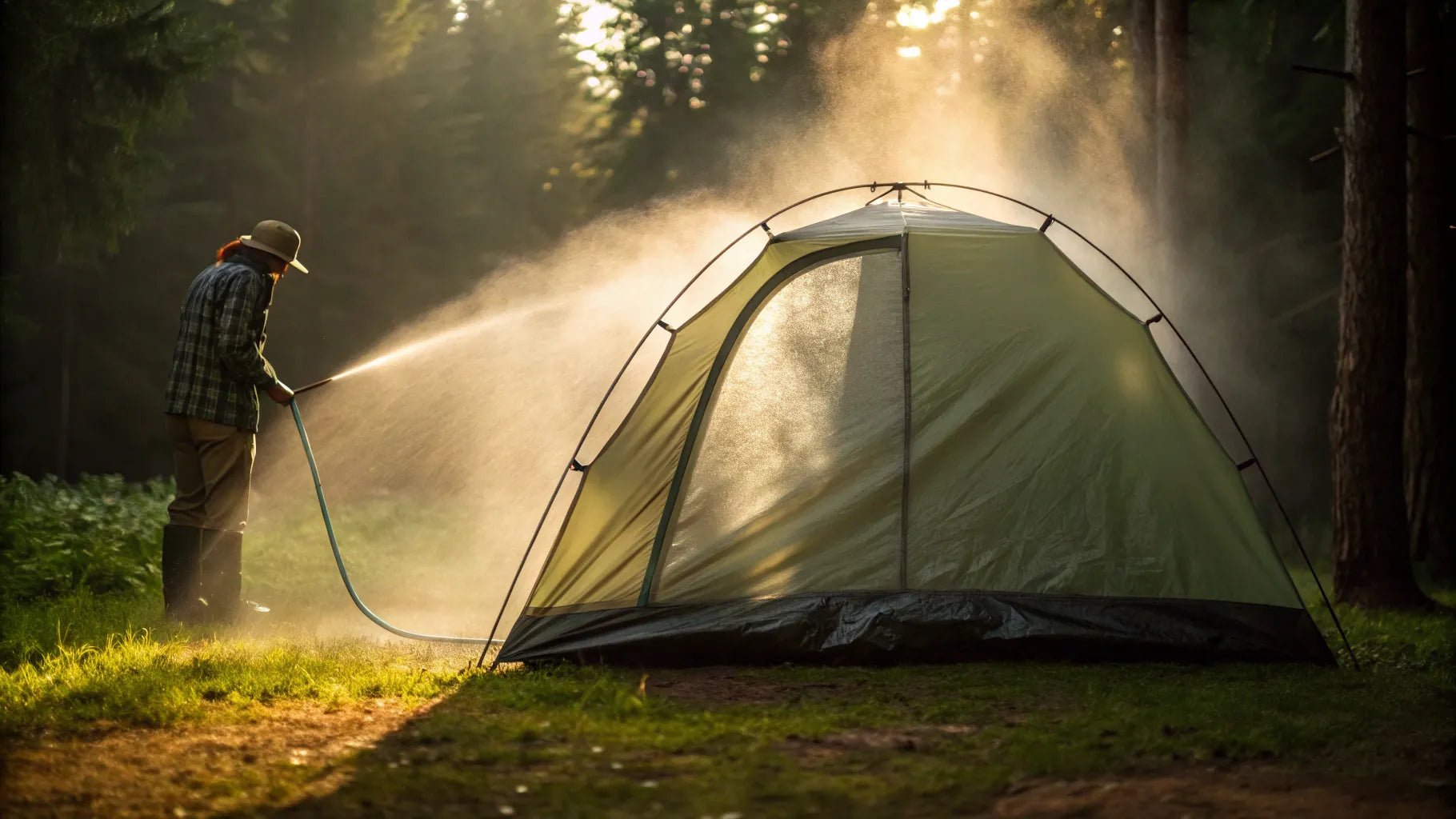
Credit: www.battlbox.com
Machine Washing Tents
Cleaning your tent is important to keep it in good shape. Machine washing can be an option for some tents. It saves time and effort compared to hand washing.
Not all tents are safe for machine washing. Knowing when and which types to wash in a machine helps protect your gear.
When To Machine Wash
Machine washing should be done only when your tent is very dirty. Mud, sand, or stains that hand cleaning cannot remove are signs.
- After long camping trips with heavy dirt
- When mildew or mold spots appear
- If you notice strong odors that soap alone won’t remove
- Before storing the tent for a long time
Types Of Tents Suitable For Machines
Some tents handle machine washing better than others. Lightweight and durable fabrics work best. Avoid washing tents with delicate coatings.
| Tent Type | Machine Wash Safe | Notes |
| Nylon Tents | Yes | Use gentle cycle, mild detergent |
| Polyester Tents | Yes | Avoid high heat drying |
| Canvas Tents | No | Machine washing can damage fabric |
| Silicone-Coated Tents | No | Coating may peel off in machine |
Preparation Before Washing
Washing a tent requires careful preparation. Proper steps ensure your tent stays in good shape. Follow these guidelines to get your tent ready for washing.
Removing Dirt And Debris
Before washing, you need to remove dirt and debris. This prevents damage to the tent fabric. Start by shaking the tent gently to loosen dirt.
- Lay the tent flat on the ground.
- Use a soft brush to sweep off dirt.
- Check corners and seams for hidden debris.
Detaching Poles And Accessories
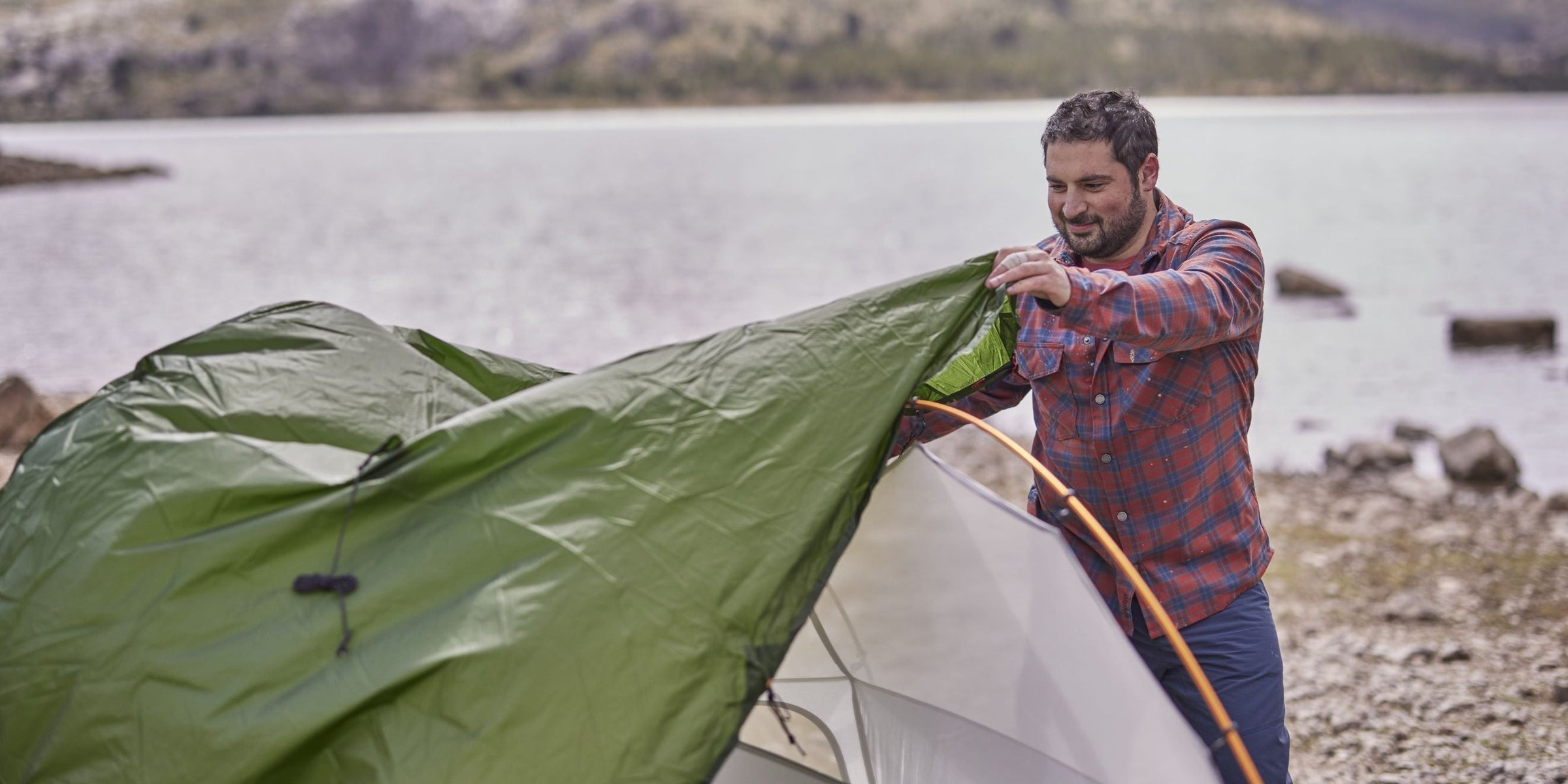
Remove all poles and accessories before washing. This helps to protect the washing machine and the tent. Store them safely to avoid losing any parts.
- Unclip poles from the tent body.
- Detach stakes and ropes.
- Place all accessories in a bag or container.
Choosing The Right Detergent
Cleaning your tent in a washing machine needs care. The detergent you pick is very important for the tent’s fabric.
Using the wrong detergent can harm the fabric or its waterproof coating. Choose a gentle detergent made for delicate fabrics.
Avoiding Harsh Chemicals
Harsh chemicals can damage your tent’s material and reduce its lifespan. They can also remove waterproof layers.
Stay away from bleach, fabric softeners, and strong detergents. These products can weaken the tent fabric and cause tears.
- Do not use bleach or chlorine-based cleaners
- Avoid detergents with fabric softeners
- Skip strong chemical detergents
- Use mild, eco-friendly detergents
Recommended Cleaning Products
Choose detergents made for delicate fabrics or outdoor gear. These keep your tent clean without damage.
Some good options include gentle liquid detergents and special tent or gear cleaners. These help keep the waterproof coating intact.
- Mild liquid detergents labeled for delicate fabrics
- Special cleaning products for tents and camping gear
- Eco-friendly detergents without dyes or perfumes
- Detergents that do not leave residues
Washing Machine Settings
Cleaning your tent in a washing machine can be safe if you use the right settings. Choosing the correct water temperature and cycle helps protect the fabric and seams.
Using improper settings may damage your tent or reduce its lifespan. Follow these guidelines to keep your tent clean and intact.
Optimal Water Temperature
Always use cold or lukewarm water to wash your tent. Hot water can harm the fabric and waterproof coatings.
Cold water helps remove dirt without shrinking or weakening the material. Lukewarm water is okay if the tent is very dirty.
- Use cold water for regular cleaning
- Use lukewarm water for tough stains
- Avoid hot water to protect fabric and seams
Gentle Cycle Selection
Select a gentle or delicate cycle on your washing machine. This setting uses slow agitation and less spinning.
Gentle cycles reduce stress on tent fabric and prevent tears. Avoid heavy or fast cycles that can damage your tent.
- Choose gentle or delicate cycle
- Use slow spin speed to protect fabric
- Skip heavy or aggressive wash cycles
Drying Your Tent
After washing your tent, drying it well is very important. A wet tent can get moldy and smell bad. You should dry your tent carefully to keep it in good shape.
Proper drying helps keep the fabric strong and stops damage. It also makes your tent ready to use next time you camp.
Air Drying Tips
Air drying is the best way to dry your tent. It is gentle and safe for the fabric. Find a shady spot outside to hang your tent.
Spread the tent out fully so air can reach all parts. Make sure the tent is not folded or bunched up. Flip the tent after a few hours to dry both sides.
- Choose a dry, shady place with good airflow
- Use a clothesline or hang the tent on a sturdy branch
- Spread the tent flat to avoid wet spots
- Turn the tent over during drying for even air flow
- Keep tent poles and rainfly separate to dry
Avoiding Heat Damage
Heat can harm your tent’s fabric and coatings. Avoid drying your tent in direct sunlight for long hours. Strong sun can cause colors to fade and materials to weaken.
Do not use dryers or heaters to speed up drying. High heat can melt or warp the tent fabric and damage waterproof layers. Always dry your tent in cool air.
- Keep your tent out of direct sunlight for too long
- Do not use a tumble dryer or heat source
- Choose a shaded spot with good air circulation
- Dry your tent slowly to protect fabric coatings
- Store your tent dry to avoid damage and mold
Alternative Cleaning Methods
Machine washing tents is not always safe. It can damage the fabric or waterproof coating. Many people prefer other ways to clean tents.
These alternative methods are gentle and keep tents in good shape. They help remove dirt and stains without causing harm.
Hand Washing Techniques
Hand washing is a safe way to clean tents. Use a soft brush or sponge with mild soap and cool water. Avoid strong detergents or bleach.
Work gently on the tent fabric to avoid tearing or removing waterproof coatings. Rinse well with clean water to remove all soap.
- Set up the tent or lay it flat
- Mix mild soap with cool water
- Use a soft brush or sponge
- Gently scrub dirty areas
- Rinse with clean water
- Air dry away from direct sunlight
Spot Cleaning For Stains
Spot cleaning targets small stains without washing the whole tent. Use a cloth or sponge with mild soap and water. Dab the stain gently.
For stubborn stains, apply a bit of diluted vinegar or baking soda paste. Test on a small area first to avoid damage.
- Identify the stain location
- Mix mild soap and water
- Dab the stain with a cloth or sponge
- Use diluted vinegar or baking soda for tough stains
- Rinse the spot with clean water
- Let the area air dry
Maintaining Tent Longevity
Tents are important for camping and outdoor fun. Taking care of your tent helps it last longer. Proper cleaning and storage keep the fabric strong and safe.
Machine washing tents is often not recommended. It can damage the material or coating. Learning how to clean and store your tent right will protect it over time.
Regular Cleaning Schedule
Clean your tent after every trip. Dirt and debris can wear out the fabric. Use gentle hand washing with mild soap and water. Avoid harsh chemicals or machine wash cycles.
- Shake out dirt and leaves before cleaning
- Spot clean stains with a soft cloth
- Rinse with clean water to remove soap
- Let the tent dry fully before packing
Regular cleaning stops mold and mildew. These can weaken tent walls and cause bad smells. Always dry the tent in shade to protect colors and coatings.
Storage Best Practices
Store your tent in a dry, cool place. Avoid leaving it in direct sunlight or damp areas. This prevents damage to the fabric and zippers. Keep the tent loosely folded or rolled.
- Do not store the tent when wet or dirty
- Use a breathable storage bag, not plastic
- Keep away from rodents and insects
- Check the tent occasionally for damage
Good storage keeps the tent fresh and ready to use. It also helps keep the waterproof coating active. Proper care saves money and makes camping more fun.

Credit: www.popularmechanics.com
Credit: alpkit.com
Frequently Asked Questions
Can You Machine Wash Tents Safely?
Yes, you can machine wash tents, but only on a gentle cycle. Use cold water and mild soap. Avoid harsh detergents and fabric softeners to protect the tent’s material and waterproof coating.
What Settings Are Best For Washing Tents?
Use a delicate or hand-wash cycle with cold water. Select slow spin speed to prevent damage. Always remove tent poles and accessories before washing.
How Often Should Tents Be Machine Washed?
Wash tents only when heavily soiled or after muddy trips. Frequent washing can wear out fabric and coatings. Spot clean regularly to maintain tent condition.
Can Machine Washing Damage Tent Waterproofing?
Machine washing can weaken waterproof coatings if done improperly. Use mild soap and gentle cycles. Air dry tents fully before applying waterproof sprays to restore protection.
Conclusion
Machine washing tents can be safe with the right care. Always check the tent’s label for washing instructions. Use gentle cycles and mild soap to protect the fabric. Avoid harsh detergents and high heat drying. Hand washing often works best for delicate tents.
Clean tents last longer and stay strong on trips. Taking time to wash tents properly saves money. Keep your tent fresh and ready for your next adventure. Small steps make a big difference in tent care.