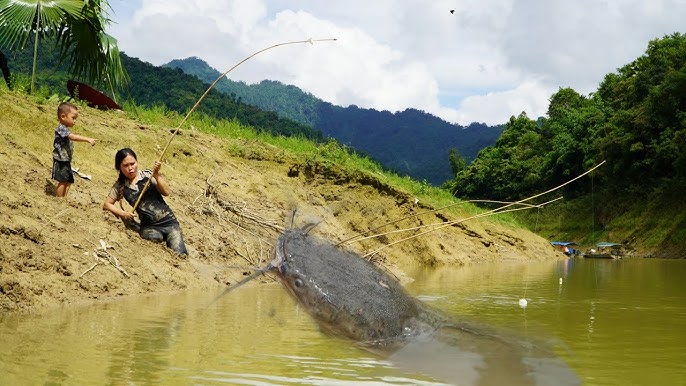
Imagine standing in the middle of a forest, surrounded by nature’s beauty, and knowing you can catch your own fish using just what’s around you. You don’t need fancy gear or a store-bought rod.
What if you could make a fishing rod yourself, right here, right now? In this guide, you’ll discover simple steps to craft your own fishing rod from natural materials found in the forest. Whether you’re an outdoor enthusiast or just curious, this easy-to-follow process will have you ready to fish in no time.
Keep reading, and unlock the skill that turns the forest into your personal fishing spot.

Credit: www.youtube.com
Choosing The Right Materials
Making a fishing rod in the forest needs the right materials. Choosing good parts will make fishing easier.
This guide helps you find natural materials to build a strong fishing rod.
Selecting A Suitable Branch
Look for a straight branch about six feet long. It should be sturdy but light to hold easily.
A branch from hardwood trees like oak or hickory works best. Avoid branches with cracks or soft spots.
Finding Natural Fishing Line
Natural lines come from plants and animal fibers. You can twist fibers to make a strong line.
- Use inner bark from trees like basswood or cedar.
- Find dry spider silk in webs for a thin, strong line.
- Twist thin grass or roots tightly for extra strength.
Gathering Hooks And Bait
Hooks can be made from small bones, thorns, or shaped wood pieces. Bait attracts fish to your hook.
| Hook Material | How to Use |
| Small bones | Sharpen and bend into a hook shape |
| Thorns | Pick curved thorns, attach to line securely |
| Wood pieces | Carve a small hook shape with a knife |

Credit: www.sportskeeda.com
Crafting The Rod
Making a fishing rod in the forest is simple and fun. You need a sturdy branch, fishing line, and a hook.
Follow these steps to craft your own fishing rod and enjoy fishing in the wild.
Shaping And Smoothing The Branch
Find a branch that is about as tall as you are. It should be strong and flexible.
- Remove any twigs or leaves from the branch.
- Use a knife to smooth out rough spots.
- Check for cracks or weak points and avoid them.
Attaching The Fishing Line
Secure the fishing line firmly to the end of your branch. The line should be about twice the length of the branch.
Wrap the line around the end of the branch several times and tie it securely with a strong knot, like a clinch knot.
Securing The Hook
Attach the hook to the end of the fishing line. Ensure it is sharp and clean.
| Hook Type | Best For |
| Barbed Hook | Holding bait securely |
| Circle Hook | Catch and release |
With your fishing rod ready, you can now try your hand at catching fish in the forest streams or lakes.
Setting Up The Reel
Setting up the reel is an important step to make a fishing rod in the forest. A good reel helps you control the line and catch fish easily.
This guide shows you how to create a simple reel mechanism and wind the line properly for best results.
Creating A Simple Reel Mechanism
Start with a sturdy stick or branch about 8 inches long. This will be your reel spool. Attach it firmly to the rod using strong vines or thin strips of bark.
- Find a straight stick for the spool.
- Secure it near the handle of the rod.
- Make sure the spool can turn freely.
- Tie it tightly with natural cordage.
Winding The Line Properly
Proper winding of the fishing line prevents tangles and makes casting easier. Use thin, strong plant fibers or fishing line if available.
| Winding Tip | Description |
| Keep tension | Hold the line tight while winding to avoid loose loops. |
| Even layers | Wrap the line evenly across the spool surface. |
| Secure end | Tie the line end to the rod to prevent slipping. |
| Check frequently | Look for knots or tangles during winding. |
Choosing The Best Fishing Spot
Finding the right place to fish is important before making your fishing rod. The spot decides how many fish you might catch.
Look for places in the forest where fish like to stay. Knowing their habits helps you pick a good fishing spot.
Identifying Fish Habitats
Fish live in places with food and shelter. They often hide near rocks, fallen trees, or plants in the water.
Look for calm spots where water moves slowly. Fish stay there to rest and find food easily.
- Near underwater plants for cover
- Close to rocks or logs for shelter
- Where insects or small animals gather
- In shaded areas to stay cool
Reading Water Conditions
Clear water helps you see fish and their movements. Murky water can hide fish but may also mean more food.
Check the water temperature and flow. Fish like cooler water and slower currents for resting and feeding.
- Look for slow-moving water or small pools
- Notice if water is clear or cloudy
- Check if water feels cool to touch
- Watch for insect activity on the surface
Casting And Fishing Techniques
Casting well helps you reach the right spot in the water. Good fishing needs the right techniques to catch fish.
This guide shares simple tips for casting and fishing in the forest. Use these to improve your time by the water.
Proper Casting Methods
Hold the fishing rod firmly but not too tight. Pull the line back smoothly before casting forward. Try to aim for clear water spots where fish hide.
- Check your surroundings for obstacles like trees and rocks.
- Use your wrist to flick the rod, not just your arm.
- Practice short casts first, then try longer ones.
- Keep the line tight to feel when a fish bites.
Patience And Timing Tips
Fishing takes patience. Wait quietly and watch the water carefully. Fish often bite early in the morning or just before sunset.
| Best Time | Reason |
| Early Morning | Cool water, active fish |
| Late Afternoon | Fish feed before night |
| Cloudy Days | Fish come closer to surface |
Credit: 99-nights-in-the-forest.fandom.com
Maintaining Your Rod
Taking care of your fishing rod helps it last longer. Proper maintenance keeps it working well in the forest.
Simple checks and storage habits can prevent damage. This guide shows how to fix common problems and store your rod safely.
Repairing Common Issues
Fishing rods may face small issues like loose guides or broken tips. Fixing them quickly keeps the rod ready to use.
- Tighten loose guides with waterproof glue or tape.
- Replace broken tips using a rod tip repair kit.
- Clean dirt and sap from the rod with a soft cloth and mild soap.
- Check the reel seat for cracks and fix with epoxy if needed.
Storing The Rod Safely
Store your rod in a dry, cool place away from sunlight. Proper storage stops warping and material damage.
| Storage Tip | Reason |
| Use a rod sleeve or case | Protects from scratches and dust |
| Keep rod horizontal or upright | Prevents bending or warping |
| Avoid damp areas | Stops rust and mold growth |
| Remove the reel before storing | Reduces pressure on rod joints |
Frequently Asked Questions
What Materials Do I Need To Make A Fishing Rod In The Forest?
You need a flexible, sturdy stick, strong fishing line, a hook, and bait. Natural materials like vines can replace lines.
How Do I Choose The Best Fishing Rod Stick?
Select a straight, lightweight stick about 5-7 feet long. It should be flexible but not easily breakable.
Can I Use Natural Items As Fishing Hooks?
Yes, sharpened thorns or small bones can work as hooks. Make sure they are strong and securely attached.
How Do I Attach The Fishing Line To The Rod?
Tie the line tightly to the stick’s tip using secure knots. Ensure it won’t slip during casting or reeling.
Conclusion
Making a fishing rod in the forest is simple and fun. Gather a strong stick, some string, and a hook or sharp point. Tie the string tightly to the stick. Find a good spot near water. Patience helps catch fish.
This skill can keep you busy and help you enjoy nature. Try it once, and you will see how easy it is. Fishing with your own rod feels special and rewarding. Give it a try on your next outdoor trip!