If you want to catch more fish, knowing how to put weight and a hook on your fishing line is a skill you need. It might seem simple, but doing it the right way can make a huge difference in your fishing success.
Whether you’re a beginner or looking to improve, this guide will walk you through easy steps to set up your line perfectly. By the end, you’ll feel confident and ready to fish like a pro. Keep reading, and discover the secrets that can help you catch more fish every time you cast.
Choosing The Right Weight
Choosing the right weight for your fishing line is important. It helps you cast better and catch fish more easily.
The right weight keeps your bait at the right depth. It also helps you control the fishing line in different water conditions.
Types Of Fishing Weights
Fishing weights come in many shapes and sizes. Each type works best for certain fishing styles and water types.
- Split Shot: Small and easy to attach. Good for light fishing.
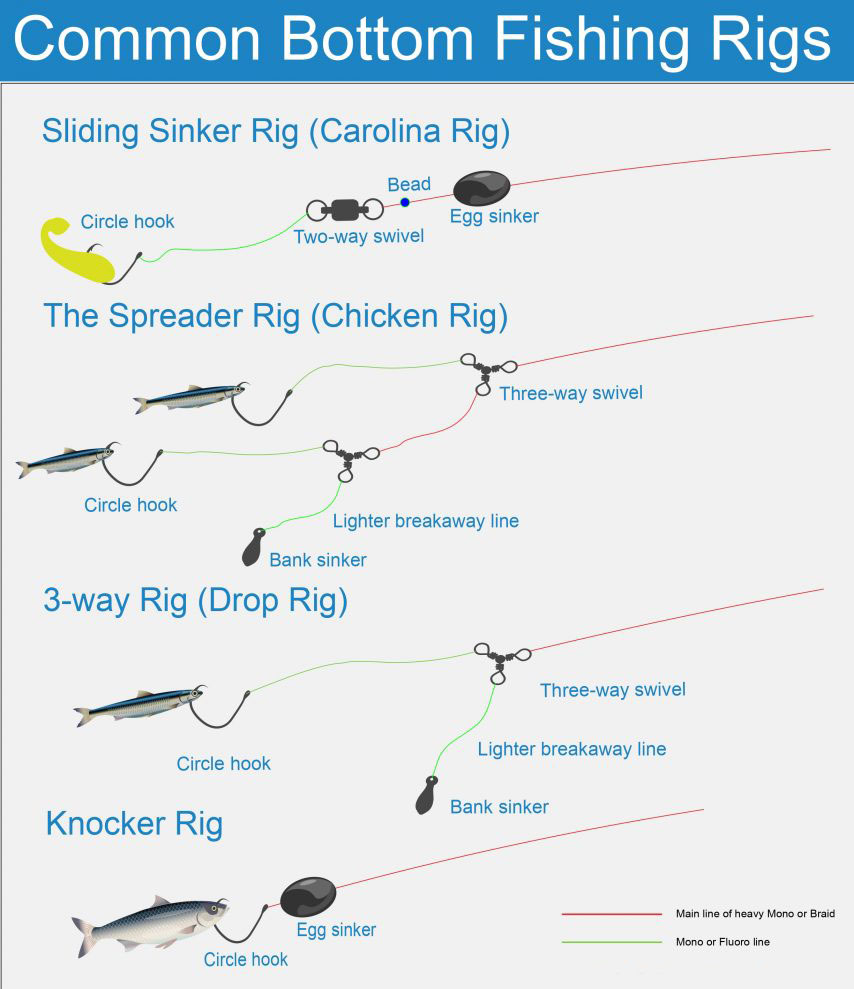
- Egg Sinkers: Oval shape that slides on the line. Works well in rivers.
- Bullet Weights: Pointed shape. Best for fishing in weeds or heavy cover.
- Bank Sinkers: Heavy and long. Good for strong currents.
- Drop Shot Weights: Small and flat. Keeps bait just above the bottom.
Matching Weight To Fishing Conditions
Pick a weight that fits the water and fishing style. The right weight helps your bait move naturally.
Use lighter weights in calm water. Heavier weights work better in fast currents or deep water.
- Calm water: Use light weights for gentle bait movement.
- Strong currents: Use heavier weights to keep bait in place.
- Deep water: Heavier weights help reach the bottom faster.
- Weedy areas: Use weights that slide or fit through cover easily.

Credit: mysterytacklebox.com
Selecting The Best Hook
Choosing the right hook is crucial for successful fishing. The hook size and style depend on the type of fish you want to catch.
Understanding different hooks helps you make informed decisions. Let’s explore how to choose the best hooks for your fishing needs.
Hook Sizes And Styles
Hooks come in various sizes and styles. Each is designed for specific fishing situations. It’s important to match the hook to your bait and target fish.
- Circle Hooks: Great for catch and release.
- J-Hooks: Versatile and widely used.
- Treble Hooks: Best for artificial lures.
Choosing Hooks For Different Fish
Different fish require different hooks. Consider the fish’s mouth size and feeding habits when selecting a hook.
| Fish Type | Recommended Hook Size |
| Trout | 10 – 14 |
| Bass | 2 – 6 |
| Catfish | 1/0 – 5/0 |
Attaching Weights To The Line
Adding weight to your fishing line helps your bait sink to the right depth. It also keeps your line steady in the water.
There are different types of weights you can use. Knowing how to attach them well is important for a good fishing experience.
Slip Sinkers Vs Fixed Weights
Slip sinkers slide freely on the line. This lets the fish take the bait without feeling heavy weight.
Fixed weights stay in one place. They stop the bait from moving too much in the water.
- Slip sinkers allow more natural bait movement
- Fixed weights offer better control of bait depth
- Slip sinkers need a stopper knot or bead to work properly
- Fixed weights are easier to attach and remove
Step-by-step Weight Attachment
Start by choosing the right weight size for your fishing spot. Too heavy can scare fish away.
Follow these steps to attach the weight securely to your line.
- Slide a stopper knot or bead onto the line (for slip sinkers).
- Thread the slip sinker onto the line after the stopper.
- For fixed weights, tie the weight directly to the line using a knot.
- Attach your hook or lure below the weight.
- Check that the weight moves or stays in place as needed.

Credit: mysterytacklebox.com
Tying Hooks To The Line
Tying hooks to the fishing line is a key skill for anglers. A strong knot keeps the hook secure and prevents losing fish.
This guide explains popular fishing knots and how to ensure they hold tight. Learn simple ways to tie hooks safely.
Popular Fishing Knots
Many knots work well to tie hooks. Some are easier to tie, while others offer more strength.
- Improved Clinch Knot:Easy to tie and very strong. It wraps the line around itself for a tight hold.
- Palomar Knot:Simple and reliable. It passes the hook through a loop for extra security.
- Snell Knot:Ideal for strong hooks. It ties the line along the hook’s shank for better force distribution.
Ensuring Knot Strength And Security
Proper knot strength helps prevent line breaks and lost hooks. Follow these tips to keep knots secure.
| Tip | Explanation |
| Wet the Line | Moisten the line before tightening to reduce friction and damage. |
| Tighten Slowly | Pull the knot tight with steady pressure to avoid slipping. |
| Trim Excess | Cut the tag end close to the knot to prevent snagging. |
| Test the Knot | Pull firmly to check if the knot holds before fishing. |
Balancing Weight And Hook Placement
Proper balance between the weight and hook on your fishing line helps catch more fish. It affects how the bait moves and stays in the water.
Placing the weight and hook correctly ensures the bait looks natural and attracts fish better.
Optimizing Bait Presentation
Keep the weight a short distance from the hook to let the bait move naturally. Too close or too far can scare fish or make bait sink too fast.
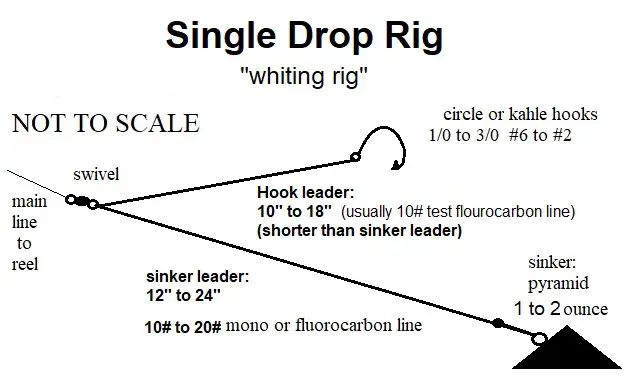
- Place the weight 6 to 12 inches from the hook for most setups.
- Use lighter weights for slow sinking and natural movement.
- Choose heavier weights for strong currents or deep water.
- Match the hook size to the bait to keep it steady and natural.
Adjusting For Different Fishing Techniques
Different fishing styles need different weight and hook setups. Adjust placement to fit the method and water conditions.
| Technique | Weight Placement | Hook Placement |
| Bottom Fishing | Close to hook (3-6 inches) | Near bait for steady hold |
| Float Fishing | Far from hook (12-18 inches) | Allows free bait movement |
| Drop Shot | At the end of line | Hook tied above weight |
| Spinner Fishing | Depends on spinner size | Hook near spinner |
Credit: greatdaysoutdoors.com
Common Mistakes To Avoid
Putting the weight and hook on your fishing line seems easy. Many anglers still make errors that hurt their catch chances. Avoiding these mistakes helps your fishing gear work well.
This guide covers two common mistakes: improper knot tying and using incorrect weight sizes. Learn what to watch for to improve your setup.
Improper Knot Tying
Tying knots wrongly can cause your hook or weight to slip off. Many anglers tie knots too loose or use the wrong knot type. Both reduce strength and reliability.
- Do not leave knots loose; tighten firmly but gently.
- Avoid knots that are too complex for your line type.
- Check knots by pulling hard before fishing.
- Use knots recommended for your line and hook style.
Using Incorrect Weight Sizes
Choosing wrong weight sizes affects casting and bait presentation. Too heavy weights can scare fish. Too light weights may not sink properly. Match the weight size to your fishing conditions.
| Weight Size | Best Use | Common Mistake |
|---|---|---|
| Light (1-5 grams) | Small fish, calm water | Used in strong currents, poor casting |
| Medium (6-15 grams) | General fishing, moderate currents | Too heavy for light fish, scares them |
| Heavy (16+ grams) | Deep water, strong currents | Used in shallow water, poor bait action |
Expert Tips For Success
Putting weight and a hook on your fishing line is a key skill for catching fish. The right setup helps your bait sink and stay in place.
Use simple steps to make sure your line works well. These tips will improve your fishing experience.
Testing Your Setup Before Fishing
Check your line setup before you fish. This helps avoid problems on the water.
Cast your line in a safe place. Watch how the weight and hook move in the water.
- Make sure the weight sinks smoothly
- Check the hook stays in the right spot
- Look for tangles or twists in the line
- Adjust weight size if the line sinks too fast or slow
Adapting To Water And Weather Conditions
Water and weather affect how your setup works. Change your weight and hook to match conditions.
Use heavier weights in strong currents. Light weights work better in calm water.
- On windy days, heavier weights keep your line steady
- In clear water, smaller hooks look more natural
- Use bigger hooks for larger fish in murky water
- Adjust weight to keep bait near the fish’s feeding zone
Frequently Asked Questions
How Do I Attach A Weight To Fishing Line?
To attach a weight, slide it onto the line before tying the hook. Use split shot weights or bullet sinkers for easy placement. Position the weight about 6-12 inches above the hook for balanced bait presentation.
What Is The Best Knot For Tying A Hook?
The improved clinch knot is ideal for tying hooks. It is strong, simple, and reliable. Thread the line through the hook eye, wrap around the line, then pass the tag end through the loop before tightening firmly.
Where Should I Place The Weight On The Line?
Place the weight 6-12 inches above the hook. This distance allows natural bait movement and optimal sinking. Adjust based on water depth and current strength to keep your bait in the strike zone.
Can I Use Multiple Weights On One Line?
Yes, you can use multiple weights to reach deeper water. Distribute them evenly to avoid tangling. However, avoid excess weight, as it can reduce sensitivity and scare fish away.
Conclusion
Adding weight and hook on a fishing line is simple and effective. Choose the right weight for your fishing spot and type of fish. Secure the hook properly to avoid losing your catch. Practice tying knots to get better and faster.
Small details make a big difference in fishing success. Keep trying, and enjoy your time by the water. Fishing becomes easier with each attempt. Patience and practice lead to better results. Now, you are ready to fish with confidence.