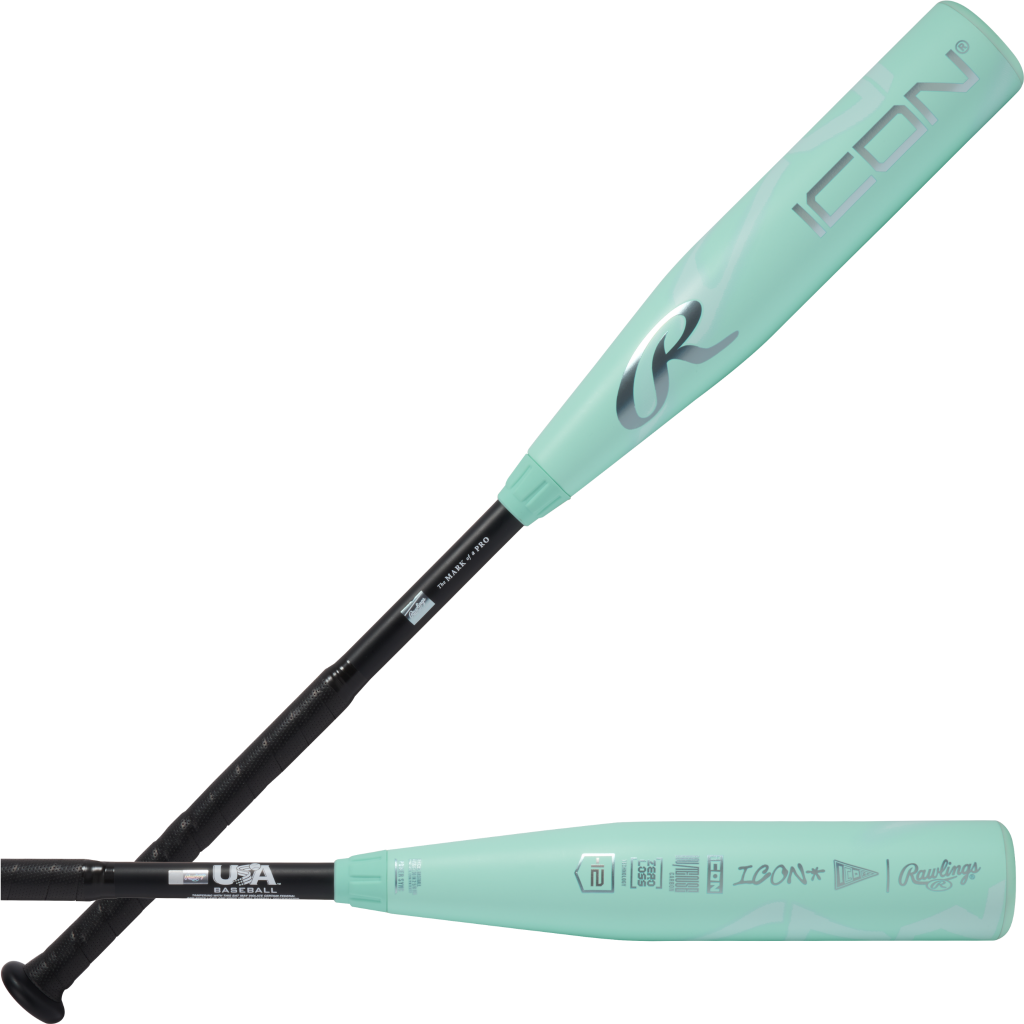
Have you ever wondered why some baseball bats feel lighter or heavier in your hands, even when they look similar? The secret lies in something called the “drop” of the bat.
Understanding the drop can change the way you choose your bat and improve your game. If you want to know how this simple number affects your swing, power, and control, keep reading. By the end, you’ll have the confidence to pick the perfect bat that matches your style and helps you play your best.
Drop Explained
The drop of a baseball bat is a number that shows the difference between the bat’s length and weight. It helps players choose bats that fit their strength and style.
Understanding drop helps players find a bat that is easier to swing and control. This number is important for all ages and skill levels.
What Drop Means In Baseball Bats
Drop is the result of subtracting the bat’s weight from its length. It is written as a negative number, like -10 or -5.
If a bat is 30 inches long and weighs 20 ounces, its drop is -10. The bigger the drop, the lighter the bat feels compared to its length.
- Length is measured in inches
- Weight is measured in ounces
- Drop = Length – Weight (negative number)
How Drop Affects Bat Performance
A bat with a higher drop number is lighter and easier to swing fast. This helps young players or those who want quick swings.
Lower drop bats are heavier and give more power but need more strength to swing well. Experienced players often choose these for stronger hits.
- High drop: lighter, faster swing, better control
- Low drop: heavier, more power, needs strength
- Choose drop based on player age and skill

Credit: www.justbats.com
Types Of Bat Drops
Baseball bats have different drop values. The drop of a bat is the difference between its length and weight. A higher drop number means a lighter bat, which can be easier to swing.
Choosing the right bat drop is important for players. It affects how well they play the game. Players need to know which drop is best for their age and skill level.
Common Drop Values
Common drop values range from -3 to -12. Each value suits different types of players. It is crucial to pick the right one for your needs.
- -3: Often used in high school and college leagues
- -5: Suitable for stronger, older youth players
- -8: Good for intermediate players
- -10: Common for younger players
- -12: Best for very young players or beginners
Drop Differences By Age And Skill Level
Younger players often use bats with higher drop numbers. These bats are lighter and easier to control. As players grow, they may need a bat with a lower drop number.
Skill level also affects the choice of bat drop. Beginners usually benefit from lighter bats. Experienced players can handle heavier bats with lower drop values.
| Age Group | Suggested Drop |
| 6-8 years | -10 to -12 |
| 9-12 years | -8 to -10 |
| 13-15 years | -5 to -8 |
| 16+ years | -3 |
Choosing The Right Drop
The drop on a baseball bat is the difference between the bat’s length and weight. It helps players find a bat that feels comfortable and effective. Choosing the right drop can improve your swing and overall play.
Different players need different drops based on their strength and style. Understanding key factors helps you pick the best drop for your needs.
Factors To Consider
Consider your age, size, and skill level before selecting a bat drop. Younger or smaller players usually need a higher drop number for easier swinging. Stronger players may choose a lower drop for more power.
- Age and height affect the right bat length and weight.
- Skill level influences control and swing speed needs.
- League rules may limit allowed bat drops.
- Personal comfort is key to good performance.
Balancing Power And Control
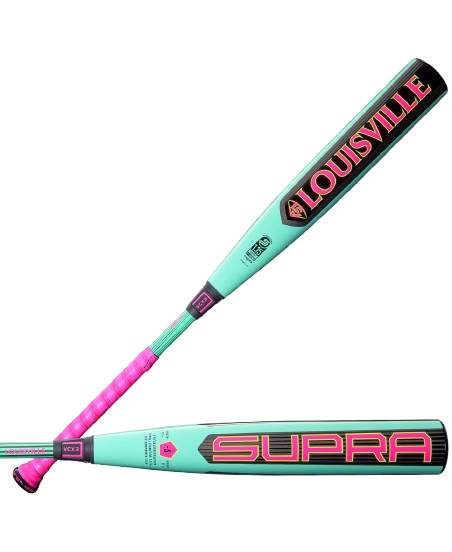
Choosing the right drop means balancing power and control. A lower drop means a heavier bat, which can add power but may reduce swing speed. A higher drop means a lighter bat, helping control and quick swings.
| Drop Value | Weight | Effect |
| -3 | Heavier | More power, less control |
| -8 | Lighter | Less power, more control |
| -10 | Lightest | Fast swing, best control |
Credit: www.longballbats.com
Impact On Swing Mechanics
The drop of a baseball bat affects how the player swings it. Drop means the difference between the bat’s length and weight.
Understanding this helps players choose bats that fit their swing style and strength.
Weight Distribution And Swing Speed
The drop influences the bat’s weight distribution. A bigger drop usually means a lighter bat.
- Lower drop bats feel heavier and shift weight toward the barrel.
- Higher drop bats feel lighter and allow faster swings.
- Weight location changes balance and control during the swing.
Faster swings can increase bat speed but may reduce control if the bat feels unbalanced.
Adjusting To Different Drops
| Drop Value | Player Age/Size | Effect on Swing |
| -3 | Adult, Strong Players | More power, slower swing |
| -8 to -10 | Younger Players | Lighter bat, faster swing |
| -12 or higher | Kids and Beginners | Easiest to swing, less power |
Players must practice with different drops to find what feels best. Adjusting helps improve timing and comfort.
Drop And League Regulations
The drop of a baseball bat is the difference between its length and weight. It affects how players swing the bat. Different leagues have rules about the drop allowed in bats.
Understanding these rules helps players choose the right bat. This guide explains drop rules for youth leagues and high school or college standards.
Rules For Youth Leagues
Youth baseball leagues set limits on the drop to keep the game safe and fair. The drop usually ranges from -10 to -13 for younger players. This means the bat is lighter compared to its length.
- Most leagues require a drop of -10 or less.
- The bat length cannot exceed 33 inches in many leagues.
- Weight must be light enough for players to control easily.
- Some leagues use special certification marks on bats.
High School And College Standards
High school and college leagues use stricter rules for drop and bat weight. The drop is usually fixed at -3. This means the bat is heavier and longer.
| League | Allowed Drop | Bat Length Limit |
| High School (NFHS) | -3 | 34 inches |
| College (NCAA) | -3 | 34 inches |
| Wood Bats | Varies | Usually 34 inches |

Credit: www.betweenthelinesaz.com
Material And Drop Relationship
The drop on a baseball bat is the difference between its length and weight. This number affects how the bat feels during a swing. The material of the bat plays a big role in this drop value.
Different materials like aluminum and composite change the bat’s weight and balance. This changes the drop and how players use the bat.
Aluminum Vs. Composite Bats
Aluminum bats tend to be lighter than composite bats of the same length. This results in a larger drop value for aluminum bats. Composite bats are usually heavier but offer better balance.
- Aluminum bats have a drop range from -10 to -13
- Composite bats usually have a drop between -8 and -11
- Aluminum bats feel lighter and quicker to swing
- Composite bats provide more power but can be heavier
Durability And Performance
| Material | Typical Drop | Durability | Performance |
|---|---|---|---|
| Aluminum | -10 to -13 | High resistance to dents | Fast swing speed |
| Composite | -8 to -11 | Can crack with heavy use | Better energy transfer |
Tips For Testing Bats
The drop on a baseball bat is the difference between its length and weight. It helps players find the right balance for their swing.
Testing bats with different drop values helps you choose the best bat for your style and strength. Try various bats to see what feels right.
Trying Different Drop Values
Pick bats with different drop numbers to test how they swing. A higher drop means a lighter bat for its length. A lower drop means a heavier bat.
Try swinging bats with drops like -10, -8, and -5. Notice how easy or hard each bat feels to swing and control.
- High drop bats are easier to swing fast
- Low drop bats offer more power but need more strength
- Find a drop that fits your strength and swing speed
Evaluating Comfort And Control
Comfort means how natural the bat feels in your hands. Control means how well you can move and aim the bat.
Hold each bat and take practice swings. Pay attention to how your hands and arms feel. Choose a bat that feels steady and easy to guide.
- Check if the bat feels balanced in your hands
- Notice if your wrists and elbows feel relaxed
- Pick a bat that lets you swing smoothly without strain
Common Mistakes To Avoid
Choosing the right baseball bat drop is important for your performance. Many players make mistakes that affect their game.
Understanding these mistakes helps you pick a bat that fits your needs and skills.
Choosing Based On Trends
Some players pick bats just because they are popular. Trends can change quickly and may not suit your style.
Following trends can lead to using a bat that feels wrong or is too hard to control.
- Trendy bats might be too heavy or too light for you
- Not every popular bat fits your swing or strength
- Choosing by trend ignores your personal comfort
Ignoring Personal Strength And Skill
Picking a bat without thinking about your strength causes problems. A bat that is too heavy slows your swing.
Using a bat that is too light may reduce your power. Your skill level also matters when choosing the drop.
- Strong players can handle bats with smaller drop numbers
- Beginners often need bats with bigger drop for control
- Match the bat drop to your swing speed and strength
Frequently Asked Questions
What Does “drop” Mean On A Baseball Bat?
The “drop” is the difference between a bat’s length and weight. It shows how light or heavy the bat feels. A higher drop means a lighter bat, which is easier to swing, especially for younger players.
Why Is Bat Drop Important For Players?
Bat drop affects swing speed and control. Lighter bats with higher drop allow faster swings. Heavier bats with lower drop offer more power but less speed. Choosing the right drop helps players perform better based on age and skill.
How Do I Choose The Right Bat Drop?
Consider your age, strength, and league rules. Younger players often use bats with higher drop (-10 or more). Older players or professionals prefer lower drop (-3) for power. Always check league regulations for allowed bat drop.
Does Bat Drop Affect Hitting Power?
Yes, bat drop influences hitting power indirectly. Lower drop bats are heavier, generating more power but slower swing speed. Higher drop bats are lighter, enabling faster swings but less power. Balance between speed and power is key.
Conclusion
The drop on a baseball bat affects how it feels and performs. It helps balance weight and swing speed. Choosing the right drop improves your comfort and control. Bat drop matters for players of all ages and sizes. Understand it well to pick the best bat for you.
This simple number guides your game without confusion. Remember, the right bat makes playing more fun and effective. Keep practicing and enjoy every moment on the field.