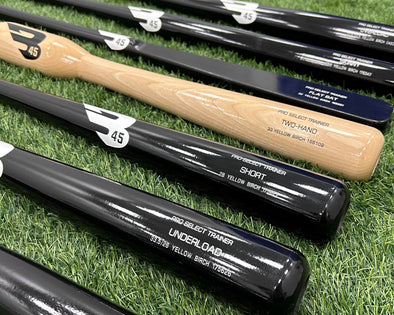
Choosing the right baseball bat can make all the difference in your game. But with so many options out there, how do you know which one fits you best?
Your perfect bat isn’t just about looks—it’s about comfort, control, and power. If you want to swing confidently and improve your performance, you need to pick a bat that feels like an extension of your own arm. Keep reading, and you’ll discover simple tips to help you find the bat that matches your style, skill level, and budget.
Let’s make sure your next hit is a home run!

Credit: homerunderbybatsonly.com
Types Of Baseball Bats
Choosing the right baseball bat helps improve your hitting. There are different types of bats made from various materials.
Each type has its own features, weight, and feel. Knowing these can help you pick the best bat for your style.
Wood Bats
Wood bats are traditional and used in many leagues. They offer a natural feel and a solid hit sound.
- Made from maple, ash, or birch wood
- Heavier than metal or composite bats
- Break more easily but give good feedback
- Preferred in professional baseball
Metal Bats
Metal bats are lighter and stronger than wood bats. They help players swing faster and hit farther.
| Material | Weight | Durability | Typical Use |
| Aluminum | Light | High | Youth and amateur leagues |
| Alloy | Medium | High | High school and college |
| Steel | Heavier | Very high | Practice and training |
Composite Bats
Composite bats use a mix of materials for better performance. They reduce vibration and increase swing speed.
- Made from carbon fiber and resin
- Can be more expensive than metal or wood
- Require a break-in period before best use
- Popular in high school and college baseball
Key Factors To Consider
Selecting the right baseball bat can make a big difference in your game. It’s essential to consider several factors to ensure you choose the best bat for your needs.
Let’s explore the key factors to help you make an informed decision when picking a baseball bat.
Bat Length
The length of the bat affects your swing and hitting power. A longer bat gives more reach, but it might be harder to control.
To find the right length, stand the bat upright next to you. It should reach your hip or waist, depending on comfort.
Bat Weight
Bat weight influences your swing speed. A lighter bat allows faster swings, but a heavier bat can provide more power.
- Test different weights to see what feels right.
- Consider your strength and hitting style.
- Balance between weight and control for best results.
Barrel Size
A larger barrel size offers a bigger sweet spot, which can help with hitting the ball more consistently.
| Barrel Diameter | Benefits |
| 2 1/4 inches | Standard for youth leagues |
| 2 5/8 inches | Offers a larger sweet spot |
| 2 3/4 inches | Maximum size allowed in most leagues |
Material Durability
Baseball bats are made from various materials, each with unique benefits. Wood bats offer traditional feel, while composite bats are known for durability.
Aluminum bats are lightweight and provide good control. Evaluate your needs and preferences when choosing the bat material.
Matching Bats To Player Skill
Choosing the right baseball bat depends on the player’s skill level. A bat that fits a player can improve their swing and comfort.
Different players need different bat features. Factors like weight, length, and material matter for each skill group.
Youth Players
Youth players need lightweight bats that are easy to handle. Safety and control are top priorities for beginners.
- Look for a bat with a balanced weight
- Choose a length that matches the player’s height
- Pick a bat made from durable but light materials
- Ensure the bat meets league safety standards
High School And College Players
These players need bats that offer power and control. Bat choice can affect performance in games and practices.
| Bat Feature | Recommendation |
| Weight | Heavier for more power, but still manageable |
| Length | Choose based on player height and arm length |
| Material | Composite or alloy for better performance |
| Drop Weight | Usually between -3 to -5 for balance |
Professional Players
Professional players pick bats that match their hitting style and strength. Customization is common at this level.
Important factors for pros include:
- Exact weight and length for optimal swing speed
- Material quality for durability and performance
- Grip style that suits their hand and swing
- Personal preferences for balance or end-loaded bats

Credit: spcsports.com
Grip And Comfort
Choosing the right baseball bat is not just about weight and length. Grip and comfort play a big role in your performance. A good grip helps you swing better and avoid injuries.
Let’s look at some key parts that affect grip and comfort. These include handle types, grip materials, and ways to reduce vibration.
Handle Types
The handle of a baseball bat comes in different shapes. The shape can change how you hold the bat and how it feels in your hands.
- Standard Handle:This is round and smooth. It fits most hand shapes well.
- Thin Handle:Good for players with smaller hands. It allows a tighter grip.
- Knobbed Handle:This handle has a wider knob at the end. It stops your hands from slipping during a swing.
- Tapered Handle:It gets thinner near the barrel. This can help improve bat control and speed.
Grip Materials
The material wrapped around the handle affects comfort and grip quality. Some materials also help reduce sweat and slipping.
| Material | Benefits | Drawbacks |
| Leather | Feels natural and soft | Can get slippery when wet |
| Rubber | Offers good grip and shock absorption | May wear out faster |
| Tape | Customizable thickness and texture | Needs replacing often |
| Composite | Lightweight and durable | Can be expensive |
Reducing Vibration
Vibration can cause discomfort after hitting the ball. Some bats include features to reduce this feeling.
Ways to reduce vibration include:
- Shock-absorbing inserts inside the handle
- Flexible grip materials that absorb impact
- Using a vibration dampener accessory on the bat
- Choosing a bat with a composite handle design
Bat Regulations And Standards
Choosing the right baseball bat means following rules. These rules keep players safe and fair. Bats must meet certain standards before use.
Bat regulations vary by league and level. Knowing these rules helps you pick a bat that fits your game.
League Rules
Each league has its own rules for bats. These rules cover bat length, weight, and material. Using a bat that breaks the rules can lead to penalties.
Check your league’s rulebook before buying a bat. Some leagues allow only wood bats. Others accept metal or composite bats.
- Little League limits bat length and weight
- High school bats must meet specific safety standards
- College bats follow NCAA rules on bat types
- Professional leagues usually require wood bats
Certification Marks
Bats need certification marks to show they meet rules. These marks come from official testing organizations. A bat without a mark may not be legal.
Look for marks on the bat barrel or handle. These show the bat passed safety and performance tests. Common marks include USA Baseball and BBCOR.
- USA Baseball stamp for youth leagues
- BBCOR sticker for high school and college
- USSSA mark for certain travel leagues
- Non-certified bats are not allowed in official play
Performance Standards
Performance standards control bat speed and power. These keep the game balanced and safe. Standards limit how fast the ball can come off the bat.
Bats are tested for impact, durability, and speed. Meeting these standards means the bat performs well but does not give unfair advantage.
- BBCOR standard measures bat’s trampoline effect
- USA Baseball tests bat for youth player safety
- USSSA uses BPF rating to check performance
- Bats must pass tests to be approved for games
Testing Bats Before Purchase
Choosing the right baseball bat takes more than just looking at its size or brand. Testing the bat before buying helps you find one that fits your style and strength.
Trying different bats lets you feel the difference in weight, balance, and how the bat moves when you swing it.
Swinging Techniques
When testing a bat, try swinging it like you would in a real game. Use your normal grip and stance to see how it feels.
Take slow swings first, then faster ones. This helps you notice if the bat is easy to control or too heavy to swing smoothly.
Weight Distribution
Weight distribution means how the bat’s weight spreads along its length. Some bats feel heavier at the end, others near the handle.
Try holding the bat at the handle and see if it feels balanced or if the end pulls your hand down. This affects your swing speed and power.
- End-loaded bats give more power but need more strength
- Balanced bats offer better control and faster swings
- Choose based on what feels comfortable and suits your hitting style
Balance And Feel
Balance is how well the bat feels in your hands. A well-balanced bat feels natural and easy to swing without strain.
Hold the bat as if you are ready to hit. Check if it feels steady and if you can move it quickly. The right bat will feel like an extension of your arm.
Maintaining Your Baseball Bat
Keeping your baseball bat in good shape helps it last longer. Proper care keeps the bat strong and ready to use.
Learn simple ways to store, clean, and repair your bat. These tips will protect your equipment.
Storage Tips
Store your bat in a dry place away from extreme heat or cold. Avoid leaving it in a car or outside.
Keep the bat off the ground to prevent moisture damage. Use a bat rack or hang it on a wall.
- Use a bat sleeve or cover for extra protection
- Keep bats separate to avoid dents and scratches
- Avoid stacking heavy items on top of the bat
Cleaning Methods
Clean your bat after every use to remove dirt and sweat. Use a soft cloth and mild soap with water.
Wipe the bat gently and dry it completely. Do not use strong chemicals or abrasive materials.
- Use a damp cloth for the bat surface
- Dry the bat with a towel after cleaning
- Clean grips with a soft brush if needed
Repair And Replacement
Check your bat often for cracks, dents, or loose parts. Small damage can worsen if ignored.
Replace grips that wear out and tighten any loose screws or bolts. For major damage, consider replacing the bat.
- Inspect the barrel and handle regularly
- Fix minor dents with gentle sanding
- Replace grips to improve comfort and control
- Stop using bats with deep cracks or breaks

Credit: www.slugger.com
Frequently Asked Questions
What Is The Best Baseball Bat Length For Beginners?
Beginners should choose a bat length that matches their height and weight. Typically, 29-31 inches works well for youth players. Proper length ensures better control and swing speed, helping to improve hitting skills gradually.
How Do I Choose The Right Baseball Bat Weight?
Select a bat weight that feels comfortable and allows fast swings. Lighter bats offer better speed, while heavier bats provide more power. Balance your strength and hitting style for optimal performance.
What Materials Are Baseball Bats Made From?
Baseball bats are commonly made from wood, aluminum, or composite materials. Wood bats provide traditional feel, aluminum bats are lighter and durable, while composite bats offer a mix of power and control. Choose based on league rules and personal preference.
How Important Is Bat Grip For Performance?
A good bat grip enhances control and reduces slippage during swings. It helps increase accuracy and power by ensuring a firm hold. Choose grips with comfortable texture and thickness suited to your hands.
Conclusion
Choosing the right baseball bat takes time and care. Think about your size, strength, and skill level. Test different bats to see what feels best. The right bat helps you hit better and enjoy the game more. Remember, comfort and control matter most.
Keep practicing and adjusting your choice as you grow. Your perfect bat is out there. Take your time to find it. Play smart, play safe, and have fun on the field!