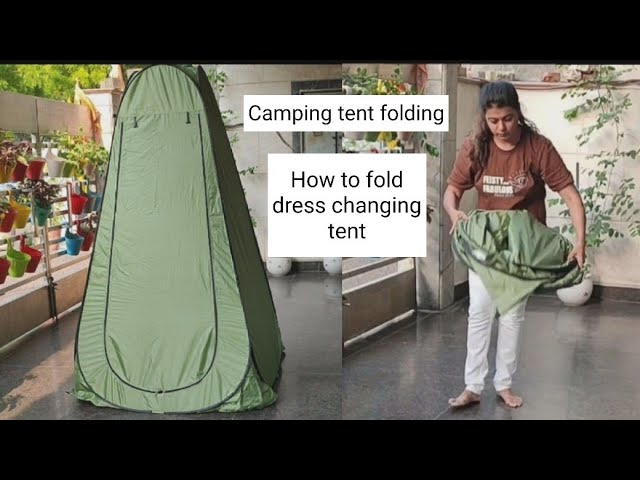
Closing your tent properly might seem simple, but it can make a big difference the next time you set it up. If you rush or skip steps, you risk damaging your gear or making your next camping trip harder.
Imagine returning to a tent that’s wet, wrinkled, or missing parts—frustrating, right? This guide will show you exactly how to close your tent the right way, so it stays safe, clean, and ready for your next adventure. Keep reading to learn the easy steps that protect your tent and save you time.

Credit: www.amazon.ca
Prepare The Tent
Closing your tent properly keeps it in good shape for future use. Take time to prepare the tent well before packing it away.
Follow these steps to get your tent ready to close. Each part helps protect your gear and the tent fabric.
Remove Personal Items
Take out all your belongings from the tent. This prevents damage and loss of items.
- Check the floor and pockets for clothes and gear
- Remove trash and leftover food to avoid pests
- Double-check corners and under sleeping bags
- Keep small items like keys and phones together
Clean And Dry The Tent
Cleaning and drying prevents mold and damage. It keeps the tent fresh and ready for next use.
| Action | Reason |
|---|---|
| Brush off dirt and leaves | Stops stains and fabric wear |
| Wipe inside with a damp cloth | Removes dust and spills |
| Air dry fully before packing | Prevents mold and bad smells |
Unfasten Doors And Windows
Open all doors and windows to let air flow inside. This helps dry the tent and stops moisture buildup.
- Undo zippers carefully to avoid damage
- Roll up doors and secure them with ties
- Open mesh windows to improve ventilation
- Check that no fabric is caught in zippers
Collapse The Tent Structure
Packing up a tent requires care to ensure it lasts. Each step is important for a smooth process.
By following these guidelines, you will maintain the tent’s condition and be ready for your next adventure.
Detach Poles Carefully
Start by removing the poles from the tent fabric. This prevents damage and makes the tent easier to handle.
Fold Tent Walls
Lay the tent flat on the ground. This helps in folding it neatly and efficiently.
- Fold the tent lengthwise into a narrow strip.
- Ensure the fabric is smooth and free of wrinkles.
- Roll the tent tightly for compact storage.
Handle Stakes And Guy Lines
Gather all stakes and guy lines before packing them away. This keeps everything organized and easy to find later.
| Item | Action |
| Stakes | Clean and bundle |
| Guy Lines | Coil and secure with a knot |
| Tent Bag | Store all components inside |
Fold The Tent Neatly
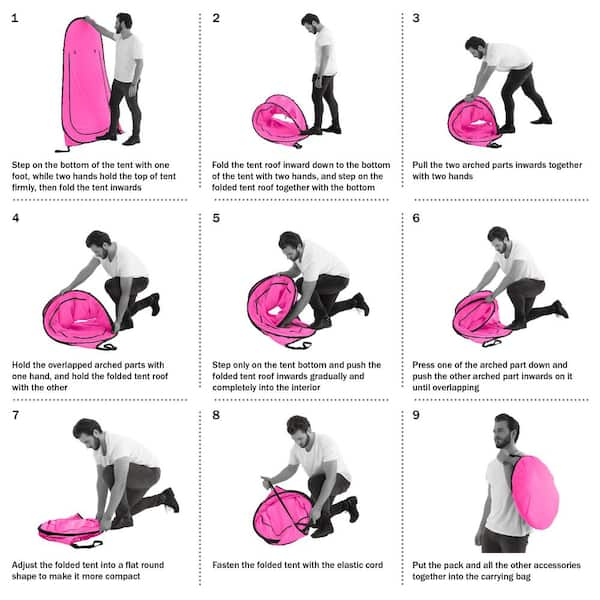
Folding a tent neatly helps keep it in good shape. It makes packing and carrying easier. Taking time to fold properly prevents damage.
Follow simple steps to fold your tent carefully. This guide focuses on laying it flat, folding lengthwise, and avoiding sharp creases.
Lay The Tent Flat
Start by spreading the tent flat on the ground. Smooth out wrinkles and remove dirt or debris. Make sure the tent fabric is clean and dry.
- Find a clean, flat surface
- Spread the tent evenly
- Straighten all corners and edges
- Remove any sticks, stones, or leaves
Fold Lengthwise
Fold the tent in half or thirds along its length. Align edges carefully to keep it tidy. This reduces the tent’s width for easier packing.
| Fold Type | Description |
|---|---|
| In Half | Fold the tent once lengthwise, matching long edges |
| In Thirds | Fold the tent twice to make three equal sections |
| Check Edges | Ensure edges line up and fabric is flat |
Avoid Sharp Creases
Sharp creases can damage tent fabric and waterproof coating. Fold gently and avoid tight bends. Use soft folds to preserve the material.
Tips to avoid sharp creases:
- Roll the tent instead of folding tightly
- Use your hands to smooth fabric folds
- Avoid folding over poles or thick areas
- Store tent loosely to keep folds soft
Credit: www.homedepot.com
Pack The Tent Securely
Packing your tent properly keeps it safe and ready for next use. It also saves space and prevents damage.
Follow these simple steps to pack your tent securely and keep all parts together.
Use The Carry Bag
Place your folded tent inside the carry bag carefully. Make sure the tent fits snugly without forcing it.
Close the bag fully to keep dirt and moisture out during storage and transport.
Organize Poles And Stakes
Keep poles and stakes in separate compartments or small bags. This prevents loss and makes setup easier next time.
- Bundle tent poles together with a strap or elastic band.
- Place stakes in a mesh or zippered pouch.
- Store these items inside the carry bag or a separate small bag.
Check For Missing Items
Before packing, verify that all tent parts are present. This avoids surprises on your next trip.
| Item | Check |
|---|---|
| Tent body | Folded and clean |
| Rainfly | Dry and folded |
| Poles | All sections bundled |
| Stakes | All accounted for |
| Guy lines | Untangled |
Store The Tent Properly
Closing your tent correctly helps it last longer. Storing it well keeps it safe from damage. This guide explains how to store your tent after use.
Follow these tips to keep your tent dry and in good shape. Proper storage prevents mold and tears.
Choose A Dry Location
Always store your tent in a dry place. Moisture can cause mold and bad smells. A dry spot helps keep the fabric strong and clean.
- Pick a shelf or closet away from damp areas.
- Keep the tent bag open slightly to air it out.
- Avoid basements or garages with high humidity.
- Use silica gel packets to absorb moisture inside the bag.
Avoid Compression Over Time
Do not keep the tent tightly packed for long periods. Compression can damage the fabric and waterproof coating. Let the tent relax to keep it in good condition.
| Storage Method | Effect on Tent |
| Tightly rolled and packed | May weaken fabric and cause creases |
| Loosely folded and stored in a large bag | Preserves fabric and coating |
| Hanging or spread out | Best for long-term storage |
Inspect Before Next Use
Check your tent before packing for your next trip. Look for tears, dirt, or mold. Fix small problems early to avoid bigger damage.
- Unfold the tent and let it air out.
- Look over seams and zippers carefully.
- Clean off dirt with a soft brush or cloth.
- Repair holes with patch kits if needed.

Credit: www.youtube.com
Frequently Asked Questions
How Do You Properly Close A Tent After Camping?
To close a tent properly, remove all belongings first. Zip up all doors and windows securely. Fold the tent neatly, keeping poles and stakes together. Store everything in the tent bag to prevent damage and make your next setup easier.
What Are The Steps To Fold A Tent Correctly?
Start by removing stakes and poles. Lay the tent flat, then fold it evenly lengthwise. Roll the tent tightly from one end to avoid wrinkles. Secure it with straps or ties, and place it in its storage bag.
How Can I Prevent Damage When Closing A Tent?
Always clean the tent before packing to avoid dirt damage. Avoid folding sharp creases that weaken fabric. Handle poles gently to prevent bending. Store the tent in a dry place to prevent mold and mildew growth.
Why Is It Important To Dry A Tent Before Closing?
Drying a tent prevents mold, mildew, and bad odors. Moisture weakens fabric and zippers over time. Always air-dry your tent thoroughly after use before packing it away.
Conclusion
Closing your tent properly saves time and effort next trip. Fold the fabric neatly to avoid wrinkles or damage. Store poles and stakes carefully to keep them safe and ready. Dry your tent fully before packing to prevent mold and smell.
Keep your gear organized for easier setup later. Practice makes closing your tent faster and smoother. Remember, taking good care helps your tent last longer. Simple steps lead to a stress-free camping experience.