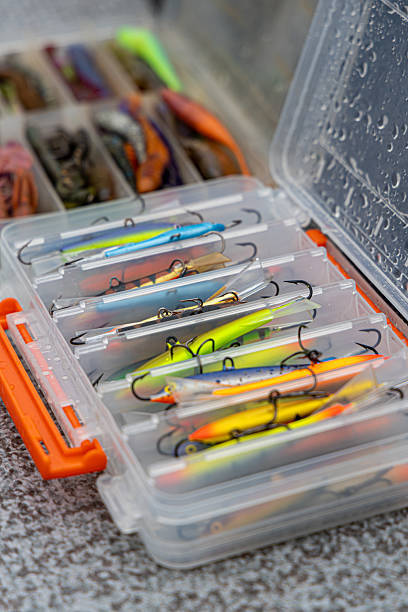
Are your fishing lures tangled, lost, or scattered everywhere? You’re not alone.
Organizing your fishing lures can save you time, reduce frustration, and even improve your catch rate. Imagine opening your tackle box and instantly finding the perfect lure for the moment—no mess, no hassle. You’ll discover simple, effective ways to keep your lures neat and ready to use.
Stick with me, and you’ll turn chaos into order, making every fishing trip smoother and more enjoyable. Ready to take control of your gear? Let’s dive in.
Choosing The Right Storage
Organizing fishing lures keeps them safe and easy to find. Picking the right storage can save time and protect your gear.
There are many storage options. Each has features that suit different fishing needs and styles.
Tackle Boxes Vs. Bags
Tackle boxes and bags are the main choices for storing fishing lures. Tackle boxes are hard cases with fixed compartments. Bags are soft and flexible with many pockets.
- Tackle Boxes:Durable and protect lures well.
- Bags:Lightweight and easy to carry.
- Tackle Boxes:Organize lures by size and type.
- Bags:Can hold extra gear like pliers and lines.
- Tackle Boxes:Stackable and keep lures dry.
- Bags:Offer quick access to lures on the move.
Custom Compartments
Custom compartments help keep lures neat and untangled. They let you group lures by size, color, or type.
| Compartment Type | Benefit |
| Adjustable Dividers | Change size to fit different lures |
| Fixed Slots | Keep lures in place securely |
| Removable Trays | Easy to clean and rearrange |
| Foam Inserts | Protect delicate lures from damage |
Waterproof Options
Waterproof storage protects lures from water and rust. This is important if you fish in wet conditions or store lures for a long time.
Look for these waterproof features:
- Sealed lids or zippers to keep water out
- Water-resistant materials like nylon or plastic
- Drain holes to remove trapped water
- Rust-proof metal parts
Sorting By Lure Type
Organizing fishing lures can be a fun task. It helps you find the right tool quickly. Sorting by type is a smart way to start.
Each lure type attracts different fish. Let’s explore how to arrange them for easy access.
Crankbaits And Jigs
Crankbaits and jigs are popular for catching bass. They mimic the movement of prey. Store them in a section of your tackle box.
| Lure Type | Best Use |
| Crankbaits | Deep waters |
| Jigs | Shallow waters |
Soft Plastics
Soft plastics are versatile and come in many shapes. They are great for imitating worms or small fish. Keep them in a separate container to avoid tangling.
Tip: Use resealable bags to keep soft plastics organized.
Spinnerbaits And Spoons
Spinnerbaits and spoons flash and vibrate to lure fish. They are effective in murky waters. Hang them on hooks or pegs for easy access.
- Spinnerbaits are best for cloudy days
- Spoons work well in clear waters
- Store them separately to prevent damage
Labeling And Inventory
Keeping your fishing lures organized saves time and effort on fishing trips. Labeling and inventory help you find the right lure fast.
There are simple ways to label your lures and keep track of your collection. This guide covers two useful methods for organizing your lures.
Using Tags And Stickers
Tags and stickers are easy tools to label your fishing lures. You can add important details like type, size, and color on each lure.
- Attach small tags with string to each lure.
- Use waterproof stickers for durability.
- Write clearly with permanent markers.
- Group similar lures with matching colors or shapes of tags.
- Keep tags updated if you change lure details.
Digital Inventory Apps
Digital apps help track your lure inventory on your phone or tablet. They can store pictures, details, and locations of each lure.
| Feature | Benefit |
| Photo Upload | See lure images for easy ID |
| Search Function | Find lures quickly by type or color |
| Notes Section | Record tips or usage history |
| Quantity Tracking | Know how many lures you have |
| Cloud Backup | Access data from any device |
Maintaining Lure Condition
Keeping your fishing lures in good shape helps them last longer. Proper care keeps them working well for every fishing trip.
Organizing lures the right way helps prevent damage and keeps them ready to use. Simple steps can protect your investment.
Cleaning After Use
Always clean your lures after fishing to remove dirt, salt, and debris. This prevents buildup that can harm the lure’s finish and hooks.
Use fresh water and a soft cloth or brush to clean each lure. Dry them completely before storing to avoid moisture damage.
- Rinse lures in fresh water immediately after use
- Use a soft brush to clean hard-to-reach spots
- Dry thoroughly with a clean cloth
- Check hooks and replace if dull or rusty
Preventing Rust And Damage
Rust can ruin your lures and hooks. Store lures in a dry place to keep them safe. Use tackle boxes with compartments to avoid tangling and scratches.
Applying a thin coat of oil on metal parts helps stop rust. Avoid leaving lures in direct sunlight for long periods to protect colors and materials.
- Keep lures dry before storage
- Store lures in organized compartments
- Use light oil on hooks and metal parts
- Protect lures from direct sunlight and heat
Organizing By Fishing Conditions
Organizing fishing lures by conditions helps you find the right lure fast. It also keeps your gear neat and ready to use.
Different fishing conditions need different lures. Sorting lures this way saves time and improves your fishing success.
Freshwater Vs. Saltwater Lures
Freshwater and saltwater lures are made for different environments. Saltwater lures resist corrosion better than freshwater ones.
Keep freshwater and saltwater lures in separate boxes. This prevents damage and makes it easy to pick the right lure.
- Use plastic containers with labels for each type
- Store saltwater lures in corrosion-resistant boxes
- Keep freshwater lures clean and dry
Seasonal Adjustments
Fish behave differently in each season. Organize lures by the season you plan to fish in.
Move seasonal lures to the front of your tackle box. Store off-season lures separately to avoid clutter.
- Spring: Use bright and fast-moving lures
- Summer: Try topwater and slow-moving lures
- Fall: Focus on deep-diving and natural colors
- Winter: Use small and subtle lures

Credit: www.reddit.com
Maximizing Space Efficiency
Fishing lures come in many shapes and sizes. Organizing them well saves space and keeps them easy to find.
Using smart storage options helps keep your fishing gear tidy. It also protects your lures from damage.
Stackable Containers
Stackable containers are great for saving space. They fit neatly on shelves or in tackle boxes. Clear containers let you see lures without opening them.
- Choose containers with adjustable dividers
- Label each container for quick access
- Stack containers by lure type or size
- Use small containers for tiny lures and hooks
- Keep frequently used lures in the top containers
Diy Storage Hacks
DIY hacks can create custom storage to fit your needs. Use materials you already have at home to build simple organizers.
| DIY Hack | Materials Needed | Benefits |
|---|---|---|
| Egg Carton Organizer | Empty egg cartons | Holds small lures securely |
| Magnetic Strip Holder | Magnetic strips, wood board | Keeps metal lures in place |
| Ice Cube Tray Storage | Plastic ice cube trays | Separates lures by type |
| Foam Board Inserts | Foam board, scissors | Prevents lures from tangling |
Quick Access Strategies
Organizing fishing lures helps you find the right one fast. This saves time and keeps your fishing trip smooth.
Good organization means you can grab your favorite lures quickly. It also prepares you for unexpected fishing needs.
Prioritizing Favorite Lures
Keep your favorite lures in a special, easy-to-reach box. Place this box on top of other gear or in a separate compartment.
Sort these lures by type or size to find them quickly. Use clear containers so you can see each lure without opening it.
- Use small tackle boxes for favorites
- Label each section by lure type
- Store in a spot you access first
- Keep them clean and dry
Emergency Tackle Kits
Create a small emergency kit with essential lures and tools. This kit helps if your main tackle box is not nearby.
Include versatile lures that catch many fish types. Add extra hooks, line, and pliers for quick repairs.
- Choose a small, portable container
- Pack a few top-performing lures
- Add basic tools and spare parts
- Keep the kit in your bag or boat

Credit: sevenstripesfishing.com

Credit: www.finfeatherfur.com
Frequently Asked Questions
What Is The Best Way To Organize Fishing Lures?
Using tackle boxes with adjustable compartments is the best way. It keeps lures separated, prevents tangling, and makes access easy. Categorize lures by type, size, or color for quick selection during fishing trips.
How Do I Prevent Fishing Lures From Rusting?
Store lures in a dry, ventilated tackle box with moisture-absorbing packets. Rinse lures with fresh water after use, dry thoroughly, and apply a light coat of oil to metal parts to prevent rust.
Can I Use Household Items To Organize Fishing Lures?
Yes, you can repurpose pill organizers, ice cube trays, or small plastic containers. These items help separate lures by size or type, making them easy to find and keeping them tangle-free.
How Often Should I Clean And Organize My Fishing Lures?
Clean and organize lures after every fishing trip or at least monthly. Regular maintenance prevents rust, removes debris, and ensures lures are in good condition for your next outing.
Conclusion
Organizing fishing lures saves time and reduces frustration. Neat storage keeps your gear safe and ready. Simple boxes or trays work well for most anglers. Clear labels help you find the right lure fast. Keep similar types together for easy access.
Regularly check and clean your lures to extend their life. A tidy tackle box makes fishing trips more fun. Start organizing today to enjoy your next catch even more.