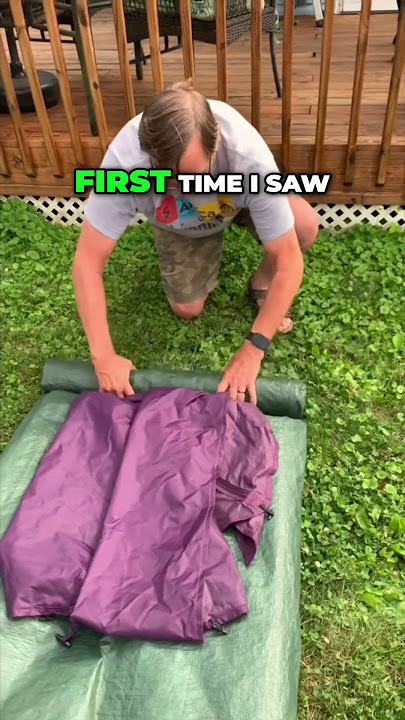
Packing up your tent might seem like a simple task, but if you don’t do it right, it can lead to frustration, wasted time, and even damage to your gear. You want to make sure your tent stays clean, dry, and compact so it’s easy to carry and ready for your next adventure.
In this guide, you’ll learn exactly how to roll up a tent the smart way—saving space, protecting your equipment, and making your camping experience smoother. Keep reading, and you’ll never dread packing up your tent again.
Credit: www.montbell.com
Prepare The Tent
Rolling up a tent properly helps keep it safe and dry. You need to prepare the tent carefully before packing it away.
This preparation includes clearing the area around the tent and removing all accessories attached to it.
Clear The Area
Start by clearing the space around the tent. Remove sticks, rocks, and other sharp objects that could damage the fabric.
- Pick up any debris near the tent
- Brush off dirt and leaves from the tent surface
- Make sure the ground is dry and clean
- Check the tent floor for moisture or mud
Remove Accessories
Take off all accessories before rolling the tent. This includes stakes, poles, and ropes.
| Accessory | What to Do |
| Stakes | Pull out gently and clean off dirt |
| Poles | Disassemble and dry before storing |
| Ropes | Untie and coil neatly |
| Rainfly | Remove and dry separately |
Dry The Tent
Drying your tent properly is key to its longevity. Moisture can cause mold and damage the fabric.
Follow these simple steps to ensure your tent is completely dry before storing it away.
Air Out Moisture
Find a sunny spot to air out your tent. Sunlight helps eliminate moisture trapped in the fabric.
- Set up the tent in your backyard or open area.
- Open all doors and windows to allow airflow.
- Leave it in the sun for several hours.
Wipe Down Surfaces
Use a clean cloth to wipe down the tent surfaces. This removes any remaining moisture.
Pay special attention to seams and corners where water collects. Dry these areas thoroughly.
Collapse The Tent Structure
Folding up a tent starts with collapsing its structure. This makes the tent flat and easy to pack.
Taking your time helps avoid damage to the tent and poles. Follow simple steps to collapse it properly.
Detach Poles
Remove all poles from the tent carefully. This helps the fabric lay flat for folding.
Be gentle when disconnecting poles to avoid bending or breaking them.
- Start by loosening any clips or ties
- Slide poles out of their sleeves or connectors
- Keep poles together to avoid losing parts
Fold Tent Walls
Lay the tent fabric flat on the ground. Smooth out wrinkles and folds as you go.
Fold the walls inward in sections. Make the folds as neat and straight as possible.
- Bring opposite sides together to reduce width
- Fold lengthwise until the tent is narrow
- Keep the fabric flat and avoid bunching

Credit: www.wilko.com
Lay Out The Tent Flat
Before rolling up your tent, spread it out flat on the ground. This helps you fold it neatly without damage.
Make sure the tent is clean and dry to avoid mold and dirt inside the folds.
Smooth Wrinkles
Remove all wrinkles by gently pulling the fabric smooth. Wrinkles can cause uneven folding.
Smooth fabric makes rolling easier and keeps the tent compact for storage.
Align Edges
Make sure all edges line up evenly. This helps create a straight roll.
Check corners and seams so they match up before you start rolling the tent.
Fold The Tent
Folding a tent properly helps keep it neat and ready for the next use. It also saves space when packing.
Focus on folding the tent evenly and making it compact. This makes carrying and storing easier.
Create Even Folds
Start by laying the tent flat on the ground. Smooth out wrinkles and align the edges carefully. Folding along straight lines keeps the tent tidy.
- Flatten the tent fabric completely
- Fold one side toward the center
- Repeat with the opposite side
- Adjust folds to keep width consistent
- Make sure the tent’s shape is rectangular
Keep It Compact
After folding evenly, roll or fold the tent tightly. Compact size helps fit it into bags or backpacks easily.
| Tip | Reason |
| Remove air pockets | Reduces bulk and keeps tent small |
| Roll from one end | Keeps folds tight and neat |
| Secure with straps or ties | Prevents unfolding during transport |
Roll The Tent
Rolling up a tent correctly helps keep it clean and safe. It also makes it easier to carry and store.
Follow simple steps to roll your tent neatly. This protects the fabric and saves space.
Start From The Bottom
Lay your tent flat and smooth out wrinkles. Begin rolling from the bottom edge closest to the tent door.
Rolling from the bottom keeps the tent compact and avoids trapping air inside the roll.
Roll Tightly
Press down as you roll to remove extra air. Roll the tent tightly but do not force it.
A tight roll saves space and prevents damage. Use your hands to keep the roll firm and even.
Secure The Roll
After folding your tent, it is important to secure the roll. A tight roll keeps your tent safe and easy to carry.
Securing the roll stops it from unraveling during transport or storage. Use simple tools to keep it tight.
Use Straps Or Bands
Wrap straps or bands around the rolled tent to hold it firmly. This keeps the fabric from loosening.
You can use Velcro straps, rubber bands, or rope. Make sure they are strong and adjustable.
- Place straps evenly along the roll
- Tighten straps without damaging the fabric
- Use multiple straps for bigger tents
Double Check Tightness
After securing, test the roll’s tightness by gently pressing it. It should feel firm and compact.
If the roll feels loose, tighten the straps again. A secure roll keeps your tent clean and dry.

Credit: www.cbc.ca
Store The Tent
Storing your tent properly helps keep it safe and ready for your next trip. It also stops damage and bad smells.
Follow simple tips to keep your tent dry and avoid pressure on the fabric. This keeps it in good shape for a long time.
Choose A Dry Spot
Pick a dry place to store your tent. Moisture can cause mold and weaken the material. Avoid damp basements or places near water pipes.
- Use a breathable storage bag to let air flow.
- Keep the tent away from direct sunlight to stop fading.
- Store in a cool, dry cupboard or shelf.
- Air the tent out before storing to remove any wetness.
Avoid Heavy Pressure
Do not put heavy things on top of the stored tent. Pressure can damage the fabric and poles.
| What to Avoid | Reason |
| Stacking heavy boxes on tent | Crushes fabric and frame |
| Folding tent too tightly | Breaks fibers and causes creases |
| Leaving tent compressed for months | Reduces waterproofing and weakens material |
Frequently Asked Questions
How Do You Start Rolling Up A Tent Properly?
Begin by cleaning and drying the tent to avoid mold. Fold the tent flat, align edges neatly, then start rolling tightly from one end to the other. This ensures compact storage and protects the fabric.
What’s The Best Technique To Avoid Wrinkles When Rolling?
Fold the tent evenly and roll it smoothly without rushing. Avoid sharp creases by keeping folds gentle. Rolling tightly but carefully reduces wrinkles and saves space.
How Can I Store A Rolled Tent To Keep It Fresh?
Store the rolled tent in a cool, dry place. Use a breathable bag or sack, not plastic, to prevent moisture buildup. Proper storage extends your tent’s lifespan.
How Do I Roll Up A Tent With Poles Inside?
Remove all poles before rolling to avoid damage. Rolling with poles inside can cause tears and stress on fabric. Always pack poles separately for safety and compactness.
Conclusion
Rolling up a tent can be quick and simple. Keep the fabric clean and dry before folding. Fold the tent in straight lines to save space. Roll tightly from one end to the other. Secure it with straps or ties to avoid unfolding.
Practice this a few times to get better. A neat roll makes packing and carrying easier. Enjoy your camping trips with less hassle.