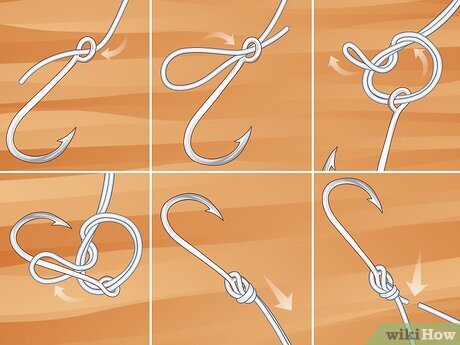
If you love fishing, knowing how to tie a hook to your fishing line is one skill you can’t afford to miss. A strong, reliable knot means your hook stays secure, helping you catch more fish without losing your gear.
Whether you’re a beginner or just need a quick refresher, this guide will show you simple, step-by-step instructions that anyone can follow. By the end, you’ll feel confident tying knots that hold tight every time. Ready to improve your fishing game?
Let’s dive in and master this essential skill together.

Credit: www.ohero.com
Choosing The Right Hook And Line
Choosing the correct hook and line is important for successful fishing. The right tools help catch fish easily and keep the line strong.
Different fish need different hooks and lines. Knowing what to pick makes your fishing trip better and more fun.
Types Of Fishing Hooks
Fishing hooks come in many shapes and sizes. Each type is made for certain fishing needs and fish species.
- J-Hook:Classic shape, good for many fish types.
- Circle Hook:Helps catch fish without deep hooking.
- Treble Hook:Three points, used for lures and big fish.
- Siwash Hook:Single hook, often used for replacing treble hooks on lures.
- Bait Holder Hook:Has barbs on the shank to hold bait better.
Selecting The Proper Fishing Line
The fishing line must match the hook and the fish you want to catch. Line strength and type matter a lot.
| Line Type | Best Use | Strength Range |
| Monofilament | Good for beginners and general use | 4 to 20 lbs |
| Fluorocarbon | Invisible in water, good for clear water | 6 to 30 lbs |
| Braided | Strong and thin, for heavy cover fishing | 10 to 80 lbs |
Essential Tools For Knot Tying
Tying a hook to a fishing line is important for successful fishing. The right tools make this task easy and efficient. Let’s explore the essential tools you need.
These tools help ensure your knots are secure and reliable. Having them on hand makes fishing more enjoyable and less stressful.
Needle-nose Pliers
Needle-nose pliers are a versatile tool in your fishing kit. They are useful for holding small items and tightening knots.
Their long, narrow shape allows you to reach tight spaces. This helps when handling tiny hooks and lines.
- Use them to grip and twist hooks
- Perfect for securing knots tightly
- Helps prevent finger injuries
Scissors And Line Clippers
Scissors and line clippers are essential for cutting fishing line. They provide clean cuts, which are important for knot strength.
Choose tools made from rust-resistant materials. This ensures they last longer, even in wet conditions.
- Scissors offer precise line cutting
- Clippers are compact and handy
- Essential for trimming tag ends
Popular Knots For Hook Tying
Tying a hook to a fishing line is important for a strong catch. Using the right knot keeps your hook secure.
Many knots work well, but some are more popular because they are easy and reliable. Learn about three common knots below.
Improved Clinch Knot
The Improved Clinch Knot is popular for tying hooks and lures. It holds tight and is simple to tie.
To tie it, thread the line through the hook eye. Wrap the tag end around the main line five times. Pass the tag end through the small loop near the eye. Then pull tight.
- Thread line through hook eye
- Wrap 5 times around main line
- Pass tag end through loop by eye
- Pull tight and trim excess
Palomar Knot
The Palomar Knot is very strong and easy to tie. It works well with braided and monofilament lines.
Double about six inches of line and pass it through the hook eye. Tie a loose overhand knot with the doubled line. Pass the hook through the loop. Pull the knot tight and trim the tag end.
- Double 6 inches of line
- Pass through hook eye
- Tie loose overhand knot
- Pass hook through loop
- Pull knot tight and trim
Uni Knot
The Uni Knot is versatile and strong. It works for tying hooks, lures, and joining lines together.
Pass the line through the hook eye and double back. Make a loop by laying the tag end alongside the doubled line. Wrap the tag end around the doubled line five times. Pull the tag end to tighten the coils. Slide the knot down to the eye and pull tight.
- Pass line through hook eye and double back
- Make loop with tag end
- Wrap tag end 5 times around doubled line
- Pull tag end to tighten coils
- Slide knot to hook eye and pull tight

Credit: n1outdoors.com
Step-by-step Knot Tying Guide
Tying a hook to a fishing line is an essential skill for any angler. A strong knot keeps the hook secure while fishing.
This guide shows you how to tie a reliable knot in easy steps. Follow along to prepare your line and hook properly.
Preparing The Line And Hook
Start by selecting a hook that fits your fishing needs. Use a fishing line suitable for the size of the hook and fish.
Cut about 12 inches of line to work with. Wet the line slightly to reduce friction when tying the knot.
Tying The Knot
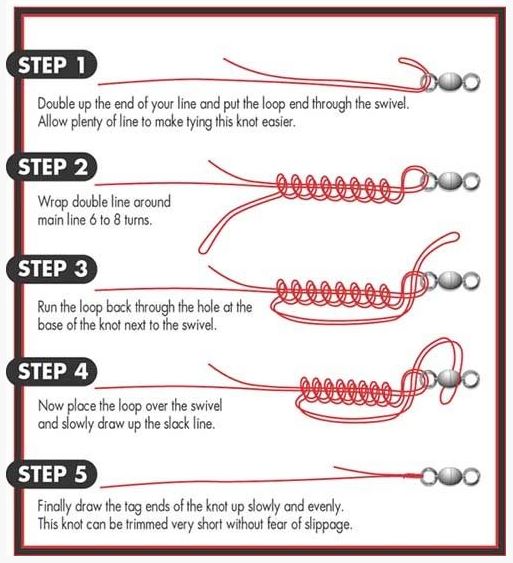
- Pass the end of the line through the eye of the hook.
- Wrap the loose end around the standing line 5 to 7 times.
- Thread the loose end back through the small loop near the hook’s eye.
- Pass the loose end again through the large loop you just created.
- Hold the hook and pull the standing line to tighten the knot slowly.
Securing And Trimming The Line
After tightening, check the knot for any slipping. It should feel firm and secure.
| Action | Details |
|---|---|
| Pull Tight | Pull the standing line and loose end firmly to secure the knot. |
| Inspect | Look for any loose coils or slipping line. |
| Trim | Use scissors to cut the excess loose end close to the knot. |
| Final Check | Test the knot by pulling hard before fishing. |
Tips For Stronger Knots
Tying a hook to a fishing line needs care. Strong knots keep fish from escaping.
Use simple tricks to make your knots tighter and more reliable. This guide helps you avoid common errors.
Moistening The Line
Before tightening your knot, wet the fishing line with water or saliva. Moistening reduces friction and heat. This prevents the line from weakening or breaking.
Checking Knot Strength
- Pull the tag end and main line slowly.
- Feel for any slipping or loosening.
- If the knot slips, retie it.
- Repeat the test until the knot feels firm.
Testing knots before fishing saves time and frustration later.
Avoiding Common Mistakes
| Mistake | Effect | How to Fix |
|---|---|---|
| Not moistening the line | Line can burn and weaken | Always wet the line before tightening |
| Pulling too fast | Knot slips or breaks | Pull slowly and evenly |
| Using wrong knot for line type | Weak hold or slipping knot | Choose knots that fit your line material |
Credit: www.beadinggem.com
Maintaining Your Fishing Gear
Taking care of your fishing gear helps it last longer and work better. Regular checks keep you ready for fishing trips.
Good maintenance protects your hooks and lines from damage. This guide shows how to inspect hooks and replace old lines.
Inspecting Hooks Regularly
Check your hooks before every fishing trip. Look for rust, bends, or dull points. A damaged hook can lose fish or break easily.
- Look for rust spots or corrosion on the hook.
- Make sure the hook point is sharp and not bent.
- Check the eye of the hook for any cracks or weakness.
- Replace hooks that show any damage or dullness.
Replacing Worn Lines
Fishing lines get weak after use and exposure to sun or water. Replace lines regularly to avoid losing fish or gear.
| Signs of Worn Lines | Actions to Take |
| Frayed spots or cuts | Cut out damaged section or replace line |
| Discoloration or stiffness | Replace the entire line |
| Line slips or knots fail | Check knots and retie or replace line |
| Old line with cracks | Discard and install new line |
Frequently Asked Questions
How Do You Securely Tie A Hook To A Fishing Line?
To securely tie a hook, use a reliable knot like the Improved Clinch Knot. Thread the line through the hook eye, wrap it around five times, then pass the tag end through the loop and tighten. This ensures strong, slip-resistant attachment for fishing.
What Is The Best Knot For Tying Hooks To Line?
The Improved Clinch Knot is the best for tying hooks. It is simple, strong, and widely used. It holds well under tension and is suitable for most fishing lines and hooks, providing a dependable connection for various fishing situations.
Can I Tie A Hook To Braided Fishing Line?
Yes, you can tie a hook to braided line. Use knots like the Palomar Knot, which works well with braided lines. It maintains strength and prevents slipping, making it ideal for braided fishing lines where traditional knots may fail.
How Tight Should The Knot Be When Tying A Hook?
The knot should be pulled tight enough to prevent slipping but not so tight that it weakens the line. Tighten gradually while moistening the knot to reduce friction, ensuring a secure and durable connection between the hook and fishing line.
Conclusion
Tying a hook to a fishing line is simple with practice. Use the right knot and pull tight to keep it secure. A strong connection helps catch more fish and avoids losing them. Take your time and follow each step carefully.
Soon, you will tie hooks quickly and confidently. Enjoy your fishing trips with better gear setup. Keep trying, and fishing will become more fun and rewarding.