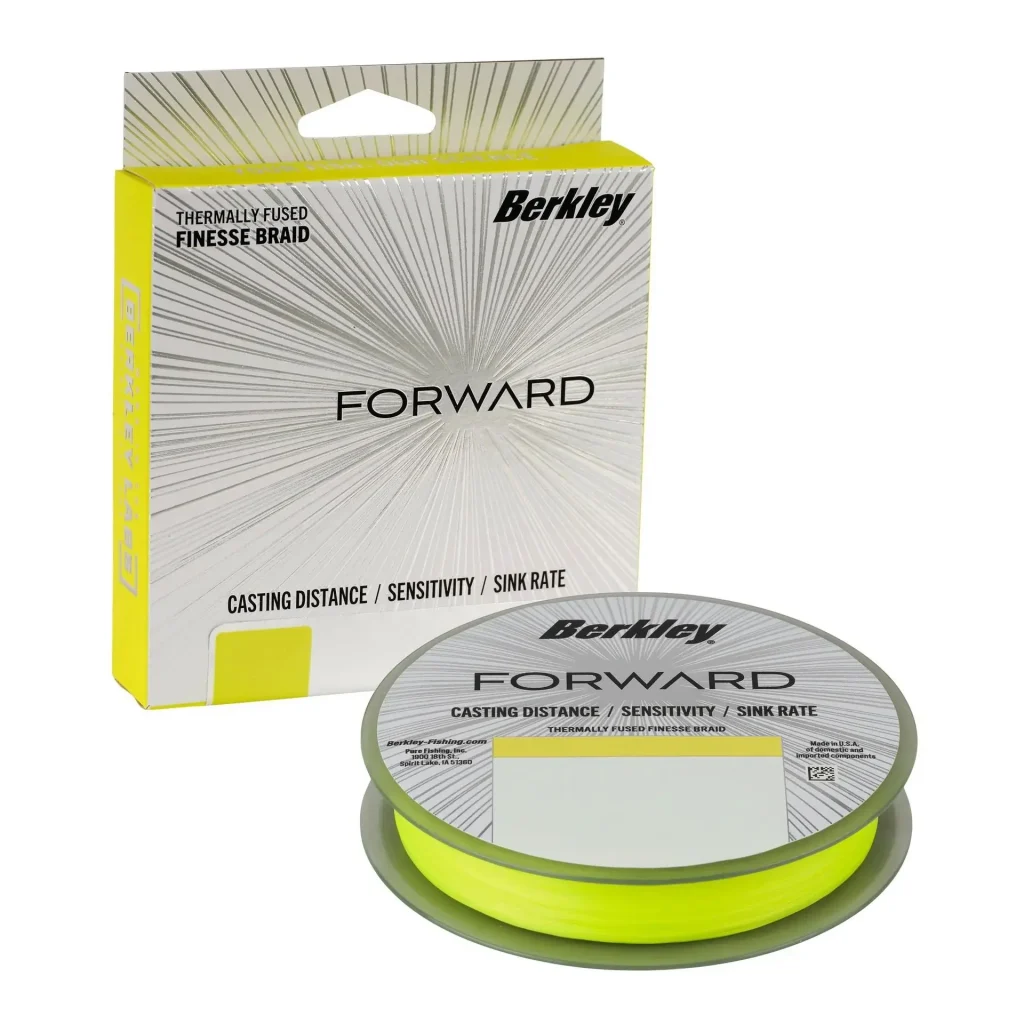
If you’ve ever wondered what makes braid fishing line so strong and popular among anglers, you’re not alone. Understanding what braid fishing line is made of can change the way you choose your gear and improve your fishing experience.
You’ll discover the materials behind braid fishing line and why they matter to your fishing success. Ready to find out what gives braid line its unique strength and durability? Keep reading to get the full scoop.
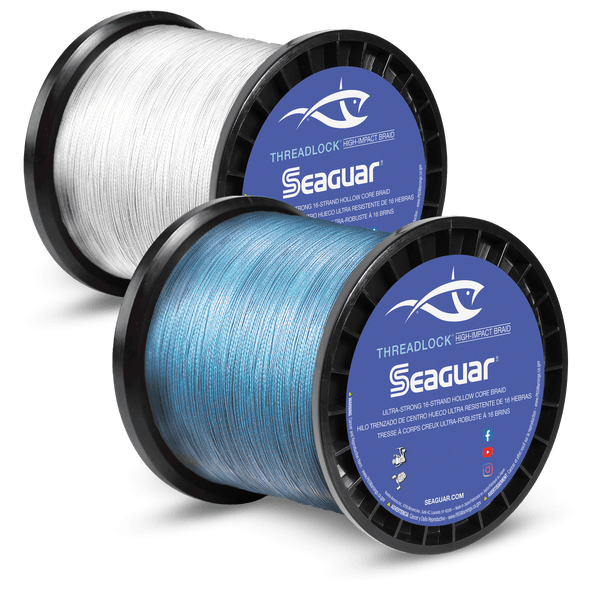
Credit: seaguar.com
Types Of Braid Materials
Braid fishing lines use different materials to make them strong and thin. Each material has special features for fishing.
Understanding these materials helps you pick the right line for your fishing needs.
Spectra Fiber
Spectra fiber is a strong, lightweight material used in braid lines. It is made from ultra-high-molecular-weight polyethylene.
This fiber resists abrasion and stretches very little, giving anglers better control and sensitivity.
Dyneema Fiber
Dyneema is another type of polyethylene fiber used in braided lines. It is known for its high strength-to-weight ratio.
Dyneema fibers are thin but very strong, making the line durable and smooth to cast.
Polyethylene Fibers
Polyethylene fibers are common in braided lines. They include both Spectra and Dyneema types.
These fibers resist water and chemicals, which helps the line last longer in tough conditions.
Other Synthetic Fibers
Some braided lines use other synthetic fibers like nylon or polyester blends. These materials add flexibility and durability.
They are less common but may offer special features like better knot strength or abrasion resistance.
Properties Of Braid Fibers
Braid fishing lines are popular for their unique properties. They are made from special fibers that offer various benefits for anglers.
These lines have distinct characteristics that make them suitable for different fishing situations. Let’s explore these properties in detail.
Strength And Durability
Braid fibers are known for their high strength and durability. This makes them ideal for catching large fish that put up a fight.
Abrasion Resistance
Abrasion resistance is a key feature of braid fishing lines. These fibers can withstand rough surfaces and structures underwater.
| Feature | Benefit |
| High Strength | Handles big fish |
| Durability | Long-lasting use |
| Abrasion Resistance | Reduces line wear |
Sensitivity And Flexibility
Braid fishing lines are sensitive, allowing anglers to feel even the slightest bites. Their flexibility helps in casting and retrieving.
- Detects light bites easily
- Flexible for smooth casting
- Enhances angler control
Uv Resistance
UV resistance is another important property of braid fibers. This helps in maintaining the strength of the line under sunlight exposure.
Braiding Techniques
Braid fishing lines are made using special braiding techniques. These methods join many fibers tightly.
The way fibers are woven affects the line’s strength and feel. Let’s explore these techniques closely.
Weaving Patterns
Weaving patterns show how fibers cross each other in the braid. Different patterns change the line’s texture.
Common patterns include diamond and square braids. Each pattern gives unique strength and flexibility.
- Diamond braid: Fibers cross diagonally, making a smooth line.
- Square braid: Fibers form right angles, creating a rounder line.
- Hollow braid: Leaves a hollow core, making the line lighter.
Number Of Strands
The number of strands in a braid affects its strength and smoothness. More strands mean a rounder line.
Lines usually have 4, 8, or 16 strands. Higher strand counts produce thinner and softer lines.
- 4-strand braid: Thicker and rougher, but strong.
- 8-strand braid: Balanced strength and smoothness.
- 16-strand braid: Very smooth and thin, ideal for casting.
Impact On Line Performance
Braiding style changes how the fishing line performs in water. It affects casting distance and sensitivity.
Tighter braids offer better strength and less stretch. This helps anglers feel bites more clearly.
- Smooth braids reduce friction on guides for longer casts.
- Stronger braids resist abrasions from rocks and debris.
- Less stretch improves hook setting and control.
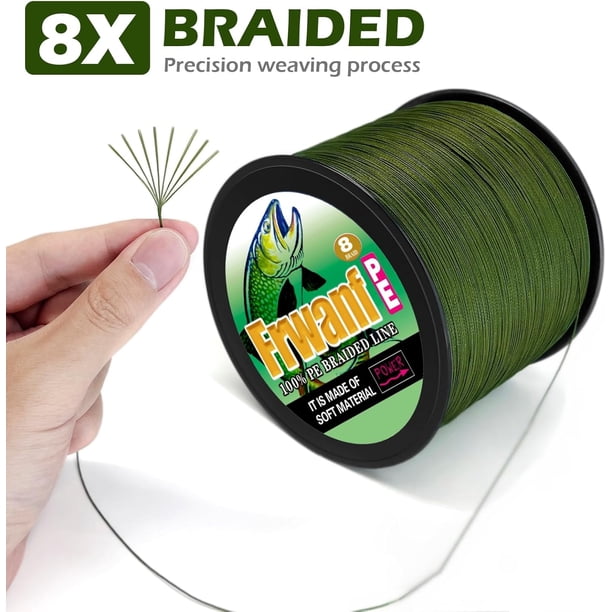
Credit: www.walmart.ca
Comparison With Other Fishing Lines
Braid fishing line is made from many thin strands of strong fibers. These fibers are woven together tightly. This makes the line very strong and thin.
To understand braid better, it helps to compare it with monofilament and fluorocarbon lines. Each type has its own features and uses.
Monofilament Vs Braid
Monofilament line is made from a single strand of nylon. It is thicker and stretches more than braid. This stretch helps absorb fish strikes.
Braid has almost no stretch. It is thinner but very strong. Anglers use braid for better sensitivity and longer casts.
- Monofilament stretches, braid does not
- Monofilament is thicker for the same strength
- Braid offers more sensitivity and distance
Fluorocarbon Vs Braid
Fluorocarbon line is made from a special plastic that sinks fast. It is nearly invisible underwater. This helps to avoid spooking fish.
Braid floats on water and is more visible than fluorocarbon. But braid is stronger and thinner. Anglers often use fluorocarbon as a leader with braid main line.
- Fluorocarbon sinks, braid floats
- Fluorocarbon is less visible underwater
- Braid is stronger and thinner
Cost And Longevity
Braid is usually more expensive than monofilament. It also costs more than some fluorocarbon lines. This is because braid uses strong woven fibers.
Braid lasts longer and resists damage better. Monofilament can weaken and stretch over time. Fluorocarbon can break down in sunlight but is abrasion resistant.
- Braid is costlier but lasts longer
- Monofilament is cheaper but wears out faster
- Fluorocarbon is mid-priced and durable
Choosing The Right Braid Material
Braid fishing lines come from different materials. Each type has its own strength and feel. Choosing the right braid helps you fish better.
This guide will help you pick the best braid material for your needs. Think about where you fish, what you catch, and what you like.
Fishing Conditions
Your fishing spot affects the braid material you need. Some materials work better in saltwater. Others are best for freshwater.
Consider the water type, temperature, and obstacles like rocks or weeds. Tougher braid resists abrasion better in rough places.
- Saltwater: Choose braided lines with good UV resistance
- Freshwater: Softer braids are easier to handle
- Heavy cover: Use abrasion-resistant braid
- Clear water: Low visibility braid helps avoid spooking fish
Target Species
Different fish need different braid strengths and stretch. Big fish need stronger braid with less stretch.
Smaller fish do well with lighter braid that feels more natural in the water.
- Big fish: Use high-strength, low-stretch braid
- Medium fish: Balanced strength and flexibility
- Small fish: Light, soft braid for better bite detection
Personal Preference
Your comfort with the braid matters. Some anglers like slick, smooth lines. Others want a braided line with more grip.
Try different braid materials to see what fits your style. The feel and handling can change how you enjoy fishing.
- Slick braid: Casts far and resists water absorption
- Textured braid: Easier to grip and knot
- Thin braid: Good for long casts and light tackle
- Thick braid: Stronger but may need bigger reels

Credit: www.amazon.ca
Frequently Asked Questions
What Materials Make Up Braid Fishing Line?
Braid fishing lines are primarily made from synthetic fibers like Spectra or Dyneema. These fibers are ultra-strong and thin. They provide high strength, low stretch, and excellent abrasion resistance, making them ideal for fishing.
How Is Braid Fishing Line Different From Monofilament?
Braid line consists of woven synthetic fibers, unlike monofilament’s single nylon strand. This makes braid thinner, stronger, and more sensitive. Braid also has minimal stretch, which improves hook-setting and bite detection.
Why Is Dyneema Used In Braid Fishing Lines?
Dyneema is used due to its exceptional strength-to-weight ratio. It is lightweight, durable, and resists UV damage. These qualities make braid fishing lines strong, long-lasting, and reliable for various fishing conditions.
Can Braid Fishing Line Be Made From Other Fibers?
Yes, besides Dyneema and Spectra, some braid lines use polyethylene fibers. These offer similar strength and durability. However, Dyneema and Spectra remain the most popular due to superior performance.
Conclusion
Braid fishing line is made from strong synthetic fibers like polyethylene. These fibers are tightly woven to create a thin, durable line. This design helps the line resist stretching and stay sensitive to fish bites. Anglers choose braid for its strength and long-lasting use.
Understanding its material helps you pick the right line for fishing. It offers benefits that many other lines cannot match. Simple and effective, braid line suits many fishing needs. Now you know what makes braid fishing line special.