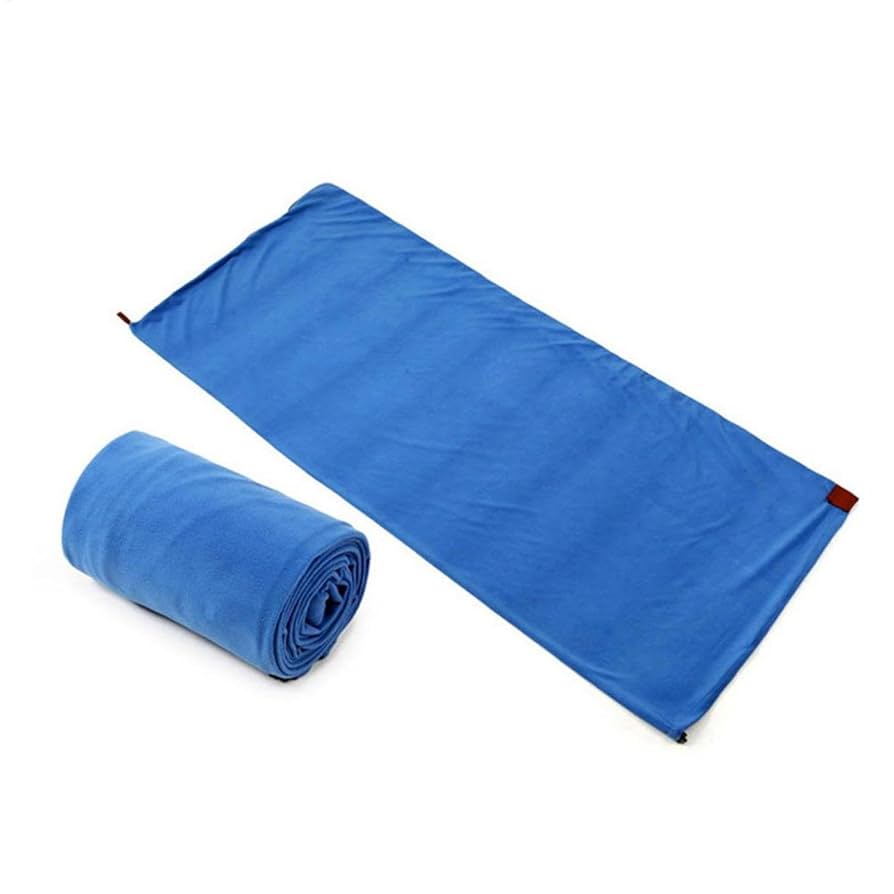
Have you ever wondered how to make your sleeping bag warmer, cleaner, and more comfortable? That’s where a sleeping bag liner comes in.
It’s a simple, lightweight piece of gear that can change the way you sleep outdoors. Whether you’re camping, hiking, or just staying at a friend’s place, a sleeping bag liner can boost your comfort and protect your sleeping bag at the same time.
Keep reading, and you’ll discover exactly what a sleeping bag liner is and why it might be the best addition to your gear collection.

Credit: alpkit.com
Purpose Of A Sleeping Bag Liner
A sleeping bag liner is a thin layer of fabric used inside a sleeping bag. It helps improve your sleeping experience during camping or hiking trips.
Linens come in different materials and sizes. They add warmth, keep the sleeping bag clean, and increase comfort.
Enhancing Warmth
A sleeping bag liner adds extra warmth by trapping heat close to your body. It can raise the temperature inside the sleeping bag by a few degrees.
This is useful in cold weather or when your sleeping bag is not warm enough on its own.
Keeping Sleeping Bags Clean
The liner acts as a barrier between your body and the sleeping bag. It stops sweat, dirt, and oils from reaching the bag’s interior.
This helps keep the sleeping bag fresh and reduces the need for washing it often, which can damage the bag.
Adding Comfort
Sleeping bag liners are made from soft materials like cotton, silk, or fleece. These fabrics feel nice against your skin.
The liner can make a rough or scratchy sleeping bag feel much more comfortable to sleep in.

Credit: www.amazon.ca
Types Of Sleeping Bag Liners
Sleeping bag liners are essential for enhancing comfort and hygiene. They come in various materials, each serving unique purposes.
Explore the types of sleeping bag liners available to find the best fit for your outdoor adventures.
Cotton Liners
Cotton liners are soft and breathable, perfect for warm weather camping. They are easy to wash and maintain.
- Comfortable against the skin
- Affordable and widely available
- Heavier than other options
Silk Liners
Silk liners are lightweight and compact, making them ideal for backpackers. They add warmth without extra bulk.
| Feature | Advantage |
| Weight | Extremely light |
| Packing | Easy to pack |
| Warmth | Moderate warmth |
Fleece Liners
Fleece liners provide excellent warmth, suitable for colder climates. They are bulky but offer great insulation.
Synthetic Liners
Synthetic liners are durable and quick-drying, ideal for wet conditions. They are versatile and cost-effective.
- Resistant to moisture
- Easy to clean
- Available in various thicknesses
Materials And Their Benefits
A sleeping bag liner is a thin layer you place inside your sleeping bag. It adds extra warmth and keeps your bag clean. Liners come in different materials, each with unique benefits.
Choosing the right material helps improve comfort and performance during sleep outdoors. Let’s explore the key features of popular materials used in sleeping bag liners.
Breathability And Moisture Management
Breathable materials allow air to pass through. This helps reduce sweat inside the sleeping bag. Moisture-wicking fabrics pull sweat away from your skin. This keeps you dry and warm.
Common breathable materials include cotton, silk, and polyester. Cotton is soft but holds moisture. Silk feels smooth and dries fast. Polyester dries quickly and moves moisture well.
- Cotton: Soft but absorbs moisture, slower to dry
- Silk: Lightweight, smooth, dries faster than cotton
- Polyester: Dries quickly, wicks moisture away
Weight And Packability
Lightweight liners are easier to carry on trips. They take less space in your backpack. Some materials compress small for better packability. This is helpful for hiking and camping.
Silk liners are very light and pack small. Polyester liners are usually lightweight but bulkier. Cotton liners tend to be heavier and bigger when packed.
- Silk: Very light, packs small
- Polyester: Light, moderate pack size
- Cotton: Heavier, larger when packed
Durability
Durability means how well the liner lasts over time. Some materials resist tears and wear better. Durable liners save money by lasting many trips.
Polyester is strong and resists damage well. Silk is delicate and needs careful handling. Cotton is fairly durable but can wear faster when wet.
- Polyester: Strong, resists tears
- Silk: Delicate, needs care
- Cotton: Durable but weaker when wet
Choosing The Right Liner For Your Trip
Sleeping bag liners add comfort and warmth during camping trips. Picking the right liner helps you stay cozy and clean. This guide helps you choose a liner that fits your needs.
Consider where and how long you will camp. Also, check if your liner matches your sleeping bag. These factors make a big difference in your sleep quality.
Climate Considerations
Think about the weather when choosing a liner. Some liners are better for warm climates, while others suit cold weather. Material and thickness matter most.
- Silk liners are light and good for hot weather.
- Fleece liners add warmth for cooler nights.
- Cotton liners are soft but not good for wet conditions.
- Thermal liners work well in cold climates.
Trip Duration
How long you camp affects the type of liner you need. Short trips may only need a simple liner. Longer trips require something durable and easy to clean.
| Trip Length | Liner Type | Key Feature |
| 1-3 days | Silk or Cotton | Lightweight and compact |
| 4-7 days | Fleece or Thermal | Extra warmth and comfort |
| More than 7 days | Durable Synthetic | Easy to wash and dry |
Sleeping Bag Compatibility
Your liner should fit well inside your sleeping bag. A tight fit keeps warmth inside. A loose fit may reduce insulation.
Check these points for a good fit:
- Match liner size to your sleeping bag size.
- Choose a liner with a shape that fits your bag (rectangular or mummy).
- Make sure the liner material slides easily inside the bag.
- Look for liners with zippers or drawstrings for secure closure.
How To Use A Sleeping Bag Liner
A sleeping bag liner is a thin layer that goes inside your sleeping bag. It adds warmth and keeps your sleeping bag clean.
Using a liner is easy and helps you sleep better outdoors or while traveling. Follow these tips to use it correctly.
Fitting Inside Your Sleeping Bag
Choose a liner that matches your sleeping bag size. It should fit snugly without being tight.
Open your sleeping bag fully. Lay the liner inside so it covers the entire length.
- Place the liner’s head end at the sleeping bag’s head end
- Align the sides to avoid bunching
- Get inside the liner first, then zip your sleeping bag
Proper Care And Maintenance
Keep your liner clean to protect your sleeping bag. Use it only inside your bag and avoid dirt.
Store your liner loosely in a dry place. Avoid crushing it to keep its shape and fabric strong.
- Air out your liner after use
- Fold it gently, do not stuff it tightly
- Check for any tears or damage before storing
Cleaning Tips
Wash your liner regularly to remove sweat and dirt. Use mild soap and cold water.
Dry your liner fully before storing to prevent mold. Avoid direct sunlight to keep colors fresh.
- Hand wash or use gentle machine cycle
- Use mild detergent without bleach
- Air dry on a flat surface or hang loosely
Additional Benefits Of Sleeping Bag Liners
Sleeping bag liners add more than comfort to your camping experience. They offer extra warmth and keep your sleeping bag clean. These benefits make them a useful accessory for many outdoor adventures.
Let’s explore some key benefits of using sleeping bag liners beyond basic use.
Extra Warmth Layer
Sleeping bag liners provide an extra layer of insulation. This helps trap heat close to your body. They are especially helpful in cold weather or at high altitudes.
Adding a liner can raise the temperature rating of your sleeping bag by a few degrees. This means you stay warmer without needing a heavier sleeping bag.
Hygiene On Multi-day Trips
Using a liner keeps your sleeping bag cleaner for longer trips. It acts as a barrier against sweat, dirt, and oils from your skin. This reduces the need to wash your sleeping bag often.
- Easy to wash and dry
- Prevents buildup of odors
- Extends the life of your sleeping bag
- Reduces exposure to dust mites and allergens
Versatility For Other Uses
Sleeping bag liners are useful beyond camping. They can serve as lightweight blankets or emergency shelters. Some liners also work as travel sheets in hostels or hotels.
| Use | Description |
| Travel Sheet | Clean layer to sleep on in shared beds |
| Light Blanket | Cool nights when a full sleeping bag is too warm |
| Emergency Shelter | Protects from wind or rain in unexpected situations |
| Beach or Picnic Mat | Provides a clean, dry surface outdoors |
Common Mistakes To Avoid
Sleeping bag liners add comfort and warmth to your camping sleep. Avoiding common errors helps you get the best use of your liner.
Learn what to watch for when choosing and caring for a sleeping bag liner. These tips prevent discomfort and damage.
Choosing The Wrong Material
Picking the wrong material affects warmth and comfort. Some fabrics trap heat poorly or cause skin irritation.
- Cotton liners absorb moisture and dry slowly.
- Silk liners are lightweight but less durable.
- Fleece liners offer warmth but add bulk.
- Polyester liners dry quickly and resist wrinkles.
Ignoring Size And Fit
A liner too small or large can reduce warmth and comfort. Proper fit keeps heat close to your body.
| Size Issue | Effect |
| Too Small | Restricts movement, uncomfortable sleep |
| Too Large | Creates air gaps, reduces warmth |
| Right Size | Maximizes comfort and heat retention |
Neglecting Cleaning
Failing to clean your liner causes odors and fabric damage. Regular washing keeps it fresh and long-lasting.
- Check care label for washing instructions.
- Use mild detergent to avoid fabric wear.
- Air dry to keep fabric shape.
- Wash liners after every few uses.
Popular Brands And Models
Sleeping bag liners add extra warmth and keep your sleeping bag clean. Many brands make liners with different materials and sizes.
Choosing the right liner depends on your budget and camping style. Some liners are simple and affordable, while others offer advanced features.
Budget-friendly Options
Budget-friendly liners provide basic warmth and comfort. They are often made from cotton or polyester blends. These liners suit casual campers and beginners.
- REI Co-op Lightweight Travel Sheet
- Sea to Summit Reactor Liner
- Kelty Noah’s Tarp Liner
High-end Liners
High-end liners use premium materials like silk or merino wool. They offer better warmth and moisture control. These liners are ideal for cold weather camping.
- Sea to Summit MicroLite Silk Liner
- Hammock Gear Burrow 40F Liner
- Therm-a-Rest Premium Silk Liner
Best For Ultralight Camping
Ultralight liners focus on low weight and small pack size. They often use silk or lightweight synthetic fabrics. These liners help reduce your backpack weight.
- Sea to Summit Reactor Thermolite Liner
- Enlightened Equipment 20D Silnylon Liner
- MontBell U.L. Thermawrap Liner

Credit: www.wildernesssupply.ca
Frequently Asked Questions
What Is A Sleeping Bag Liner Used For?
A sleeping bag liner adds extra warmth and comfort inside your sleeping bag. It also keeps your sleeping bag clean by acting as a barrier against dirt and sweat.
How Does A Sleeping Bag Liner Improve Warmth?
Sleeping bag liners trap body heat and provide an additional insulation layer. This helps increase the overall temperature rating of your sleeping bag.
Can A Sleeping Bag Liner Be Used Alone?
Yes, lightweight liners can be used alone in warm weather. They offer comfort and hygiene when a full sleeping bag isn’t necessary.
What Materials Are Sleeping Bag Liners Made From?
Common materials include silk, cotton, fleece, and synthetic fabrics. Each material offers different levels of warmth, weight, and moisture-wicking properties.
Conclusion
A sleeping bag liner adds comfort and warmth on any trip. It keeps your sleeping bag clean and lasts longer. Liners are light and easy to carry. They can help you stay warm in cold weather. Some liners also keep you cool in summer.
Choosing the right liner depends on your needs. It is a simple way to improve your camping experience. Try one to enjoy a better night’s sleep outdoors.