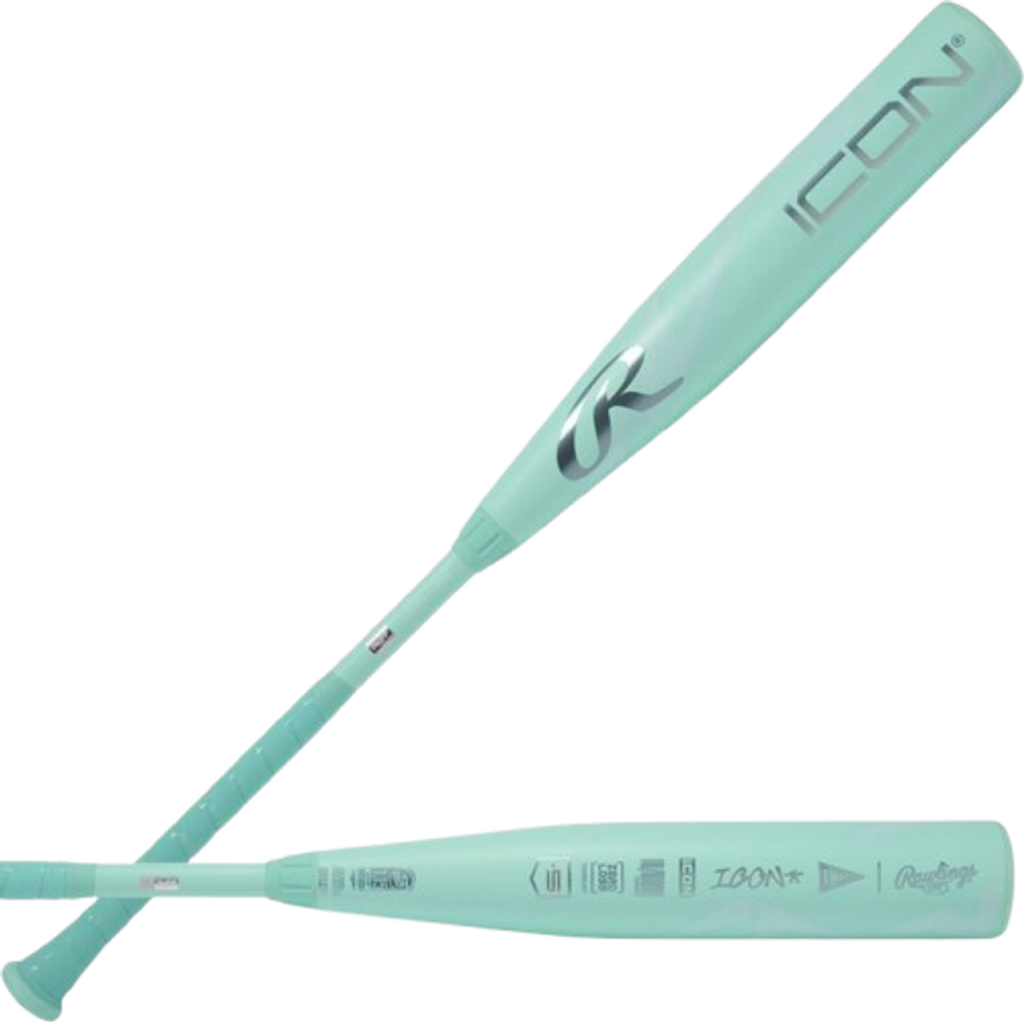
Have you ever picked up a baseball bat and wondered what the numbers on it really mean? If so, you’re not alone.
Understanding the “drop” of a baseball bat can make a huge difference in your game. It’s a simple concept that affects how the bat feels in your hands and how well you can swing. Knowing what drop means will help you choose the perfect bat for your style and skill level.
Keep reading, and you’ll discover how this small detail can improve your performance on the field.

Credit: batdigest.com
Drop In Baseball Bats
Drop is an important measurement for baseball bats. It helps players choose the right bat weight and length. Knowing the drop can improve comfort and control during play.
This guide explains what drop means, how it is calculated, and common drop values for baseball bats.
What Drop Means
Drop is the difference between a bat’s length and weight. It shows how heavy the bat feels compared to its size. A bigger drop means a lighter bat for its length.
Players use drop to find a bat that suits their strength and hitting style. A bat with the right drop helps swing faster and with more control.
How Drop Is Calculated
To calculate the drop, subtract the bat’s weight from its length. Both numbers use the same units: length in inches and weight in ounces.
The formula looks like this: Drop = Length (in inches) – Weight (in ounces). For example, a 32-inch bat weighing 22 ounces has a drop of -10.
- Length is measured from the handle to the end of the bat
- Weight is how heavy the bat feels when you hold it
- Drop is always a negative number or zero
Common Drop Values
Drop values vary depending on the player’s age and skill level. Younger players use bats with bigger drops to swing easier. Older players use smaller drops for more power.
| Player Type | Typical Drop Value |
|---|---|
| Youth Players | -10 to -13 |
| High School Players | -3 to -5 |
| College and Pro Players | -3 to 0 |

Credit: www.longballbats.com
Impact Of Drop On Performance
The “drop” on a baseball bat is the difference between its length and weight. This number affects how players swing and control the bat.
Understanding the impact of drop helps in choosing the right bat for your style and needs. It affects bat speed, control, power, and mechanics.
Bat Speed And Control
A lower drop number generally means a heavier bat. This can affect your swing speed and control when hitting.
- Heavier bats may slow down swing speed.
- Light bats can be easier to control.
- Choosing the right drop helps in maintaining balance.
Power And Distance
The drop influences how far you can hit the ball. A heavier bat can provide more power, but it requires strength to swing.
| Drop | Effect on Power |
| -3 | High power, requires strength |
| -5 | Moderate power, balanced |
| -10 | Less power, easier to swing |
Swing Mechanics
Proper swing mechanics depend on the right bat drop. It affects how well you can maintain form throughout the swing.
Choosing The Right Drop
Drop on a baseball bat is the difference between the bat’s length and weight. It affects how easy the bat is to swing. Picking the right drop helps players perform better and stay comfortable.
Several factors influence which drop is best. Age, skill, league rules, and personal comfort all matter. This guide will help you understand these points.
Age And Skill Level
Younger players usually need bats with a bigger drop. That means the bat is lighter compared to its length. It helps them swing faster and control the bat better.
- Kids under 12 often use drops from -10 to -13
- Teen players may use drops from -3 to -10
- Advanced players prefer smaller drops, like -3 or -4
League Regulations
Different leagues have rules about bat drop to keep the game fair and safe. Knowing these rules helps you pick a legal bat.
| League | Allowed Drop Range |
| Little League | -8 to -13 |
| High School | -3 only |
| College | -3 only |
| Adult Amateur | Varies by league |
Personal Preferences
Players choose drops based on comfort and hitting style. Some like lighter bats for faster swings. Others want heavier bats for more power.
Consider these points:
- Try different drops to see what feels best
- Light bats help with speed and control
- Heavy bats add power but may tire your arms
- Balance your swing speed and strength
Types Of Bats And Drop Options
The drop of a baseball bat is the difference between its length and weight. It helps players find the right bat for their size and strength.
Different levels of play use different types of bats and drop values. This guide explains the common types and their drop options.
Youth Bats
Youth bats are lighter to help young players swing fast. They have larger drop numbers to keep the weight low.
Common drop values for youth bats range from -10 to -13. The bigger the number, the lighter the bat feels.
- Drop -13: Very light, good for beginners
- Drop -12: Standard for youth leagues
- Drop -10: Heavier, for stronger players
High School And College Bats
High school and college players use bats that follow specific rules. These bats are usually -3 drop to balance power and control.
A -3 drop means the bat’s weight is three ounces less than its length in inches. This helps players swing faster and hit harder.
- -3 drop is the standard for high school and college
- Bats must meet league safety and performance rules
- Made from aluminum, composite, or hybrid materials
Adult And Senior Bats
Adult and senior bats are heavier to provide more power. These bats often have smaller drop numbers or no drop at all.
Drop values can range from -3 to 0. A drop of 0 means the bat’s weight equals its length in ounces.
- -3 drop for faster swings and good control
- -1 to 0 drop for maximum power and weight
- Usually made from metal or wood
Testing And Adjusting Your Bat
Choosing the right baseball bat involves more than just picking a model. Testing the bat helps you find one that fits well and feels comfortable. Adjusting your bat to suit your needs makes a big difference in your play.
This guide covers how to try bats before buying, signs of a good fit, and how to adjust to different drop weights. These tips help you make the best choice.
Try Before You Buy
Testing bats means holding and swinging them to see how they feel. Try bats of different weights and lengths. Swing several times to check comfort and control.
- Hold the bat with your normal grip
- Take practice swings at different speeds
- Check if the bat feels balanced in your hands
- Make sure you can swing without strain
Signs Of A Good Fit
| Sign | What It Means |
| Comfortable Grip | Your hands feel natural on the bat handle |
| Good Control | You can easily control the bat during swings |
| Balanced Weight | The bat is not too heavy or too light |
| Proper Length | The bat length suits your height and stance |
| No Strain | You do not feel tired or sore after swinging |
Adjusting To Different Drops
The drop of a bat is the difference between its length and weight. Different drops affect your swing speed and power. Adjust to new drops by practicing regularly and listening to your body.
Tips to adjust to different drops:
- Start with light swings to get used to the feel.
- Increase swing speed gradually.
- Check your balance during swings.
- Rest if you feel any discomfort.
Maintenance And Longevity
Understanding the drop on a baseball bat helps with bat care. Proper maintenance keeps the bat strong and lasting longer.
Each bat type needs specific care to protect its shape and performance. Knowing when to replace your bat saves money and improves play.
Care Tips For Different Bats
Bats come in wood, aluminum, and composite types. Each needs special attention to maintain its drop and feel.
- Wood Bats: Keep dry and avoid cracks by storing in a cool place.
- Aluminum Bats: Clean regularly and check for dents or bends.
- Composite Bats: Avoid extreme temperatures and store in a bat bag.
When To Replace Your Bat
Replacing your bat at the right time keeps your game safe and effective. Watch for signs that your bat’s drop or shape is off.
| Sign | Reason | Action |
| Cracks or Splits | Wood bats lose strength | Replace immediately |
| Dents or Warping | Aluminum bats lose balance | Consider replacement |
| Loss of Pop | Composite bats lose bounce | Check manufacturer guidelines |

Credit: www.longballbats.com
Frequently Asked Questions
What Does Drop Mean On A Baseball Bat?
Drop is the numerical difference between bat length and weight. It helps players choose the right bat balance for hitting power and control.
Why Is Drop Important For Baseball Players?
Drop affects swing speed and control. A higher drop means lighter bats, ideal for younger players. Lower drop suits power hitters and older athletes.
How Do I Choose The Right Drop For Me?
Consider your age, strength, and hitting style. Younger players usually use higher drops, while adult players prefer lower drops for power and durability.
Can Drop Affect My Hitting Performance?
Yes, drop impacts your swing speed and bat control. Choosing the right drop enhances your hitting power, accuracy, and overall performance at the plate.
Conclusion
Understanding the drop on a baseball bat helps you choose the right one. It shows the difference between length and weight. A lower drop means a heavier bat; a higher drop means a lighter bat. This affects how you swing and control the bat.
Knowing this makes playing baseball easier and more fun. Choose a bat that fits your strength and skill. Keep practicing with the right bat to improve your game. Simple but important for every player.