Are you ready to enjoy fishing but not sure how to use a fish rod? You’re in the right place.
Learning to handle your fishing rod correctly can make all the difference between a frustrating day and a successful catch. This guide will show you simple, clear steps to get you casting like a pro in no time. Whether you’re a beginner or just need a quick refresher, by the end of this article, you’ll feel confident and excited to head out and fish with ease.
Keep reading to unlock the secrets of using your fish rod like a true angler.
Choosing The Right Rod
Choosing the right fishing rod is important for a good fishing experience. The right rod helps you catch fish more easily and enjoy fishing.
This guide explains how to pick the best rod by looking at rod types, fish species, and rod length and power.
Types Of Fishing Rods
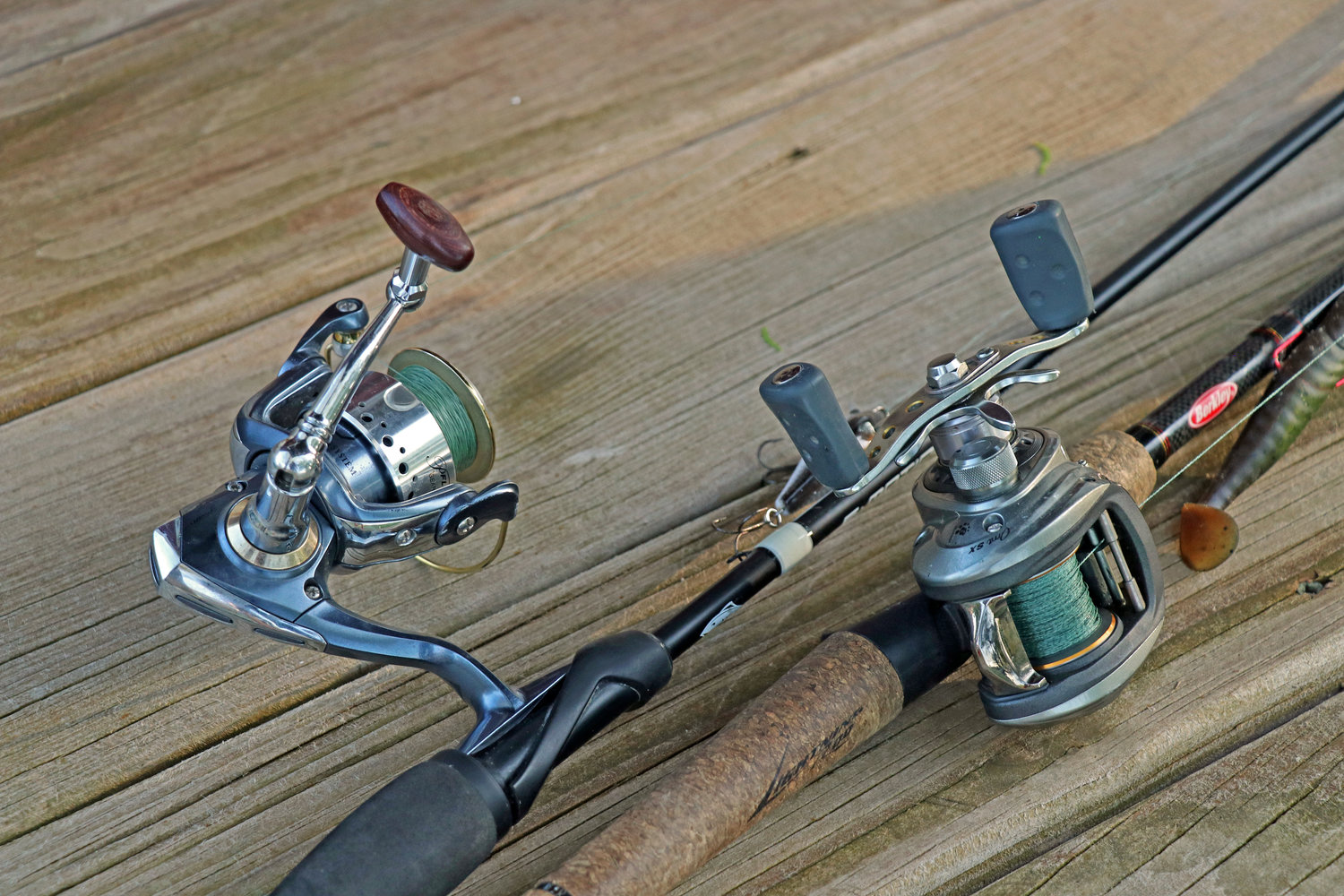
Fishing rods come in different types. Each type fits a style of fishing and water condition. Knowing the types helps you choose better.
- Spinning rods: Good for beginners and light lures.
- Baitcasting rods: Used for accuracy and heavy lures.
- Fly rods: Made for fly fishing with light lines.
Matching Rod To Fish Species
Different fish need different rods. Small fish need light rods. Bigger fish need stronger rods. Matching rod to fish helps catch fish well.
Choose a rod that fits the fish size and strength. This helps you fight the fish without breaking the rod.
- Small fish: Use light or ultralight rods.
- Medium fish: Use medium power rods.
- Large fish: Use heavy or extra-heavy rods.
Considering Rod Length And Power
Rod length affects casting distance and control. Longer rods cast farther but can be harder to handle. Short rods give more control.
Rod power means how much force the rod can handle. Choose power based on fish size and fishing style.
| Rod Length | Use |
|---|---|
| 5-6 feet | Good for small streams and control |
| 7-8 feet | Good all-around length for many fishing types |
| 9-12 feet | Best for long casting and big water |
Setting Up Your Rod
Setting up your fishing rod is the first step to a good fishing experience. A properly set rod helps you cast better and catch fish more easily.
Follow the steps carefully to make sure your rod is ready for the water.
Attaching The Reel
Start by attaching the reel to the rod. Place the reel foot into the reel seat on the rod. Tighten the seat until the reel is secure and does not move. This keeps your reel steady while fishing.
Spooling The Line
Spooling the line means putting fishing line onto your reel. This step is important to avoid tangles and knots.
- Open the bail arm of the reel.
- Attach the line to the spool with a knot.
- Close the bail arm.
- Hold the line tight and start turning the reel handle slowly.
- Fill the spool until it is about 1/8 inch from the edge.
Selecting The Right Line And Hook
| Type | Best Use | Strength |
| Monofilament | General fishing, easy to handle | Light to medium |
| Fluorocarbon | Clear water, less visible | Medium to strong |
| Braided | Heavy cover, deep water | Strongest |
Choose a hook size that matches the type of fish you want. Use smaller hooks for small fish and bigger hooks for large fish. The right hook helps catch fish without scaring them.
Casting Basics
Casting is the skill of throwing the fishing line into the water. Good casting helps you reach the right spot.
Learning the basics of casting makes fishing easier and more fun. Practice these tips to improve your casting.
Proper Grip And Stance
Hold the rod firmly but not too tight. Your thumb should rest on top of the rod handle.
Stand with your feet shoulder-width apart. Face the direction you want to cast.
- Use your dominant hand to hold the rod
- Keep your elbow close to your body
- Balance your weight evenly on both feet
Smooth Casting Motion
Start with the rod tip low and behind you. Bring it forward smoothly to throw the line.
Release the line at the right moment. Practice a steady and controlled motion.
- Keep your wrist firm but flexible
- Use your forearm and shoulder to move the rod
- Let the rod do the work by bending naturally
Common Casting Mistakes
Many beginners make the same errors when casting. Avoid these to improve your fishing.
Watch out for jerky motions or holding the rod too tight. These can cause poor casts.
- Casting too hard or too fast
- Releasing the line too early or too late
- Not watching the rod tip during the cast
- Standing unbalanced or awkwardly

Credit: fishingbooker.com
Advanced Casting Techniques
Learning advanced casting techniques can improve your fishing experience. Mastering these skills helps you catch more fish and enjoy your time on the water.
Here, we explore three popular casting methods: the Overhead Cast, Sidearm Cast, and Roll Cast. Each has its own benefits and is useful in different situations.
Overhead Cast
The overhead cast is the most common technique. It is great for distance and accuracy. This method is useful when you have plenty of space behind you.
- Stand with your feet shoulder-width apart.
- Grip the rod firmly with your dominant hand.
- Swing the rod back over your shoulder.
- Flick your wrist to propel the line forward.
Sidearm Cast
The sidearm cast is ideal when trees or other obstacles are behind you. It allows you to cast parallel to the water surface.
Key tips for a successful sidearm cast:
- Keep the rod low and parallel to the ground.
- Use your wrist to guide the rod sideways.
- Release the line when the rod is level with the horizon.
Roll Cast
The roll cast is perfect for tight spots. It helps when there is no room for a backcast. This cast uses the water’s resistance to load the rod.
| Step | Description |
| 1 | Position the rod tip close to the water. |
| 2 | Lift the line slowly to form a loop. |
| 3 | Push the rod forward, rolling the line onto the water. |
Adjusting For Different Conditions
Fishing with a rod means changing your way based on the weather and place. Different conditions need different actions.
Knowing how to adjust helps you catch more fish and enjoy your time outdoors. Here are tips for windy weather, tight spaces, and fishing from shore or boat.
Casting In Windy Weather
Wind can push your line off course. To cast better, use heavier lures and lower your casting angle.
- Hold the rod lower to reduce wind effect
- Use heavier bait for more control
- Cast with the wind, not against it
- Shorten your casts to keep accuracy
Casting In Tight Spaces
Tight spots need careful casting to avoid snags. Use light lures and sidearm casts to fit in small areas.
| Technique | Why Use It |
| Sidearm Cast | Fits in narrow spots without overhead swing |
| Roll Cast | Good for areas with trees behind |
| Underhand Cast | Works under branches or low ceilings |
Fishing From Shore Vs. Boat
Fishing from shore and boat need different setups. You have more space on a boat but less stability.
| Factor | Shore Fishing | Boat Fishing |
|---|---|---|
| Space | Limited, be careful with your casts | More room to move and cast |
| Stability | Stable ground | Boat moves, balance is key |
| Access | Near land only | Can reach deep water |
| Gear | Lighter rods work well | Stronger rods handle bigger fish |

Credit: fishingbooker.com
Maintaining Your Rod
Keeping your fishing rod in good shape helps it last longer. Regular care avoids damage and keeps it working well. Simple steps after each use protect your investment.
Follow these tips on cleaning, storing, and fixing common problems. This makes your fishing trips more enjoyable and your rod ready each time.
Cleaning After Use
Always clean your rod after fishing to remove dirt and salt. Use fresh water and a soft cloth. Avoid harsh chemicals that can damage the finish.
- Rinse the rod with fresh water carefully
- Wipe down with a soft cloth to dry
- Check guides and reel seat for dirt or sand
- Use mild soap if needed, then rinse again
- Dry the rod completely before storing
Storage Tips
Store your rod in a dry, cool place. Keep it away from direct sunlight to avoid damage. Use a rod rack or holder to prevent bending or warping.
| Storage Method | Benefit |
| Rod rack or holder | Keeps rod straight and safe |
| Cloth or rod sock | Protects from dust and scratches |
| Cool, dry area | Prevents rust and warping |
| Away from sunlight | Stops fading and material damage |
Troubleshooting Common Issues
Fishing rods can face problems like loose guides or reel seat issues. Early fixes keep your rod working well and safe to use.
- Tighten loose guides using a small screwdriver
- Check reel seat for cracks or looseness
- Replace worn-out line guides promptly
- Clean reel seat threads to ensure smooth fit
- Inspect the rod for cracks after heavy use
Credit: www.texaskayakfisher.com
Frequently Asked Questions
What Is The Best Way To Hold A Fish Rod?
Hold the rod firmly but comfortably with your dominant hand. Place your thumb on top for control. Keep your wrist relaxed to reduce fatigue and improve casting accuracy.
How Do You Cast A Fish Rod Properly?
Start with the rod tip low, pull back smoothly, then flick forward. Release the line at the right moment for distance. Practice timing to improve precision and avoid tangles.
When Should I Use A Fish Rod With Spinning Reel?
Use a spinning reel rod for lightweight lures and finesse fishing. It works well for beginners and freshwater fishing. It offers smooth casting and easy line management.
How Do You Maintain A Fish Rod For Longevity?
Rinse the rod with fresh water after use, especially in saltwater. Dry it completely before storage. Check guides and reel seats regularly for damage or wear.
Conclusion
Using a fish rod can make fishing simple and fun. Choose the right rod for your needs. Hold it firmly but relaxed. Cast the line smoothly to avoid tangles. Pay attention to the fish’s bites and reel carefully. Practice often to improve your skills.
Enjoy the calm and beauty of nature while fishing. Patience and practice bring better results. Fishing with the right rod feels rewarding and peaceful. Keep these tips in mind for a good fishing experience.