Have you ever wondered if wearing a bike helmet really matters? You might think it’s just an extra hassle or that it’s only for serious cyclists.
But what if that small piece of gear could be the difference between a minor scrape and a life-changing injury? Your safety on the road or trail depends on choices you make every time you ride. Keep reading to discover why wearing a bike helmet might be the smartest decision you make before your next ride.
Why Helmets Matter
Wearing a bike helmet helps protect your head during crashes. Helmets reduce the chance of serious injury.
Many riders skip helmets, but safety experts stress their importance. Let’s look at why helmets matter.
Impact On Head Injuries
Helmets absorb the force during a fall or collision. This lowers the risk of brain damage and skull fractures.
Without a helmet, the head hits the ground or other objects directly. Helmets act as a cushion and protect vital areas.
Statistics On Helmet Safety
Studies show helmets cut the risk of head injury by nearly 70%. They also reduce the chance of death in crashes.
- 85% of cyclists who died in accidents were not wearing helmets.
- Helmets reduce brain injury risk by 65% to 88%.
- Wearing helmets lowers hospital stays and recovery time.
Legal Requirements Around The World
Many countries have laws about helmet use. These rules aim to keep riders safer and reduce injuries.
| Country | Helmet Law | Age Group |
| United States | Varies by state | Usually under 18 |
| Australia | Mandatory | All ages |
| United Kingdom | No national law | None |
| Japan | Recommended | Children |
Credit: www.consumerreports.org
Types Of Bike Helmets
Wearing a bike helmet is crucial for safety. Different helmets serve different biking needs. Choose the right one for your ride.
Explore the types of helmets available to find which suits your biking style. Protection and comfort are key factors in your decision.
Road Bike Helmets
Road bike helmets are lightweight and have good ventilation. They are designed for speed and long-distance rides.
- Streamlined design to reduce wind resistance
- Ample ventilation for cooling
- Lightweight for comfort during long rides
Mountain Bike Helmets
Mountain bike helmets provide more coverage for rough terrains. They often include visors to shield your eyes from the sun.
These helmets often have a more robust design.
They feature extended rear coverage for extra protection.
Commuter Helmets
Commuter helmets focus on comfort and style. They are suitable for daily rides in urban areas.
| Feature | Description |
| Visibility | Often include reflective elements |
| Fit | Comfortable for everyday use |
| Style | Available in various designs |
Kids’ Helmets
Kids’ helmets prioritize safety and fun designs. They must fit well to protect young riders effectively.
- Ensure the helmet fits snugly on the child’s head.
- Choose designs that kids love to encourage wearing.
- Check for safety certifications before purchase.
Choosing The Right Helmet
Wearing a bike helmet is important for your safety. Picking the right helmet helps keep you safe and comfortable.
There are many helmets available. You should choose one that fits well and meets safety rules.
Proper Fit And Comfort
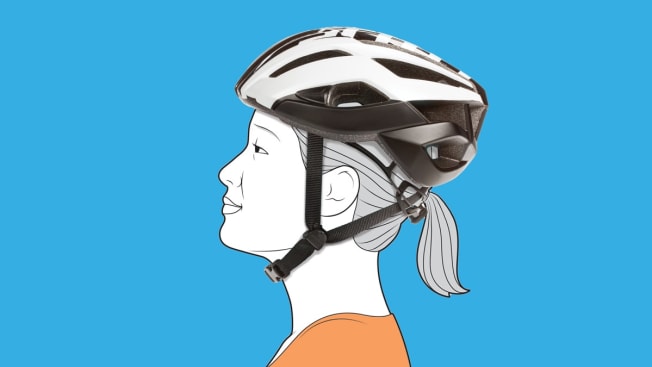
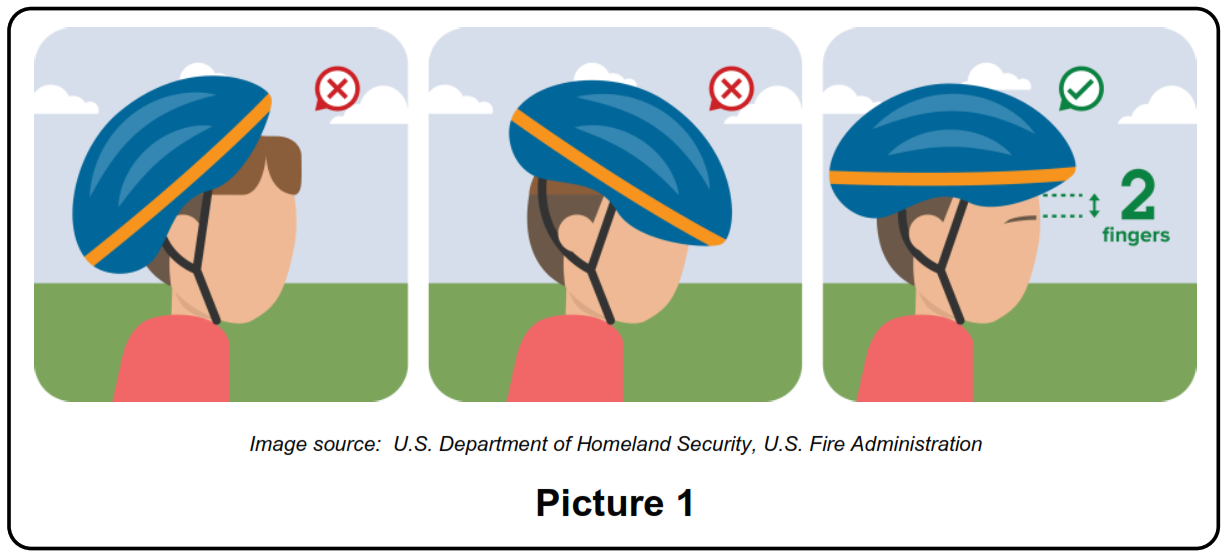
A helmet must fit your head snugly without being too tight. A good fit helps protect your head in a crash.
Look for adjustable straps and padding. These features make the helmet more comfortable for long rides.
- Measure your head size before buying
- Try the helmet on to check fit
- Adjust straps to keep it secure
- Choose padding for comfort
Safety Certifications To Look For
Helmets must meet safety standards to protect your head well. Look for certification labels on the helmet.
Common safety marks include CPSC, ASTM, and Snell. These show the helmet passed safety tests.
- CPSC (Consumer Product Safety Commission)
- ASTM (American Society for Testing and Materials)
- Snell Memorial Foundation
Features That Enhance Protection
Extra features can improve how well a helmet protects you. Look for these when choosing a helmet.
Features like impact-absorbing liners, reinforced shells, and good ventilation add safety and comfort.
- Impact-absorbing foam inside the helmet
- Hard outer shell to protect from hits
- Ventilation holes to keep you cool
- Chin straps that stay secure
Credit: bernhelmets.com
Common Helmet Myths
Many people have wrong ideas about bike helmets. These myths stop some riders from wearing helmets.
Let’s look at some common myths and the truth about bike helmets.
Helmets And Vision Obstruction
Some think helmets block their view while riding. This is not true for most helmets.
Good helmets are designed to keep your vision clear and wide. They do not cover your eyes or block side views.
- Helmets sit above your eyes
- They do not block peripheral vision
- Proper fit keeps helmet stable without moving
Helmets Are Uncomfortable
Many riders believe helmets are heavy and hot. Modern helmets are light and have air vents.
They fit well and can be adjusted for comfort. Wearing a helmet can feel natural after some use.
- Lightweight materials improve comfort
- Ventilation keeps your head cool
- Adjustable straps help secure a snug fit
Only For Dangerous Rides
Some think helmets are only needed for risky rides. Every ride can have accidents, even slow ones.
Wearing a helmet every time keeps you safe no matter where you ride. Safety is important on all trips.
- Accidents can happen on streets or trails
- Helmets protect against unexpected falls
- Always wear a helmet for safety
Additional Safety Tips
Wearing a bike helmet is important for safety. You can stay even safer by following other tips. These extra steps help protect you on the road.
Simple habits and the right gear improve your chances of riding safely. Check your bike, wear visible clothes, and use good riding habits.
Proper Bike Maintenance
Keep your bike in good shape to avoid accidents. Check tires, brakes, and chains often. Fix any problems before you ride.
- Check tire pressure before every ride
- Test brakes to make sure they work well
- Lubricate the chain to prevent rust
- Ensure lights and reflectors are clean and working
Using Reflective Gear
Wear reflective clothes or gear to be seen by drivers. It helps keep you safe, especially at night or in low light.
- Wear a reflective vest or jacket
- Attach reflective tape to your bike and helmet
- Use bike lights when riding in the dark
- Choose bright colors during the day
Safe Riding Practices
Follow rules and ride carefully to avoid crashes. Watch for cars and other riders. Stay alert and ride predictably.
- Always use hand signals to show turns
- Ride in bike lanes when available
- Obey traffic signals and signs
- Keep both hands ready to brake
- Stay focused, avoid using phones or headphones
Credit: www.nationwidechildrens.org
Helmet Care And Replacement
Wearing a bike helmet is important for safety. Taking care of your helmet keeps it effective. You should also know when to replace it.
Proper care helps your helmet last longer. This guide covers cleaning, maintenance, replacement timing, and storage tips.
Cleaning And Maintenance
Clean your helmet regularly to remove dirt and sweat. Use mild soap and water with a soft cloth. Avoid strong chemicals that can damage the helmet.
Check straps and buckles for wear. Make sure they work well and are not frayed. Tighten loose parts to keep the helmet secure.
- Use mild soap and water
- Do not use harsh chemicals
- Check straps and buckles often
- Dry helmet away from direct sunlight
When To Replace Your Helmet
Replace your helmet after any crash or impact. Even small hits can damage the inside padding and shell. Old helmets lose protection over time.
Most helmets should be replaced every 3 to 5 years. Check the manufacturer’s instructions for specific advice. Look for cracks, dents, or worn straps.
- Replace after any crash
- Replace every 3 to 5 years
- Look for cracks or dents
- Replace if straps are worn out
Storage Tips
Store your helmet in a cool, dry place. Avoid leaving it in hot cars or direct sunlight. Heat can weaken the helmet materials.
Keep your helmet away from heavy objects that can cause dents. Use a helmet bag or shelf to protect it from dust and damage.
- Store in a cool, dry place
- Keep away from direct sunlight
- Avoid heavy objects on helmet
- Use a helmet bag or shelf
Frequently Asked Questions
Do You Have To Wear A Bike Helmet By Law?
Helmet laws vary by location. Many places require helmets for children. Adults may not be legally required but are strongly advised to wear one for safety.
How Does Wearing A Bike Helmet Protect You?
A helmet absorbs impact during crashes, reducing head injuries. It can save lives by preventing traumatic brain injuries in accidents.
Are Bike Helmets Effective In Preventing Injuries?
Yes, helmets significantly lower the risk of severe head trauma. Studies show helmets reduce head injury risk by up to 70%.
What Type Of Bike Helmet Is Best For Safety?
Choose a helmet that meets safety standards like CPSC or ASTM. It should fit snugly, be comfortable, and have adequate ventilation.
Conclusion
Wearing a bike helmet keeps your head safe during falls or crashes. It lowers the risk of serious injuries. Helmets are easy to wear and do not slow you down. Choosing to wear one shows you care about your safety.
Riding without a helmet is risky and can lead to harm. Stay smart and protect yourself on every ride. Safety should always come first when biking. Don’t wait for accidents to happen—wear a helmet today.