
Are you tired of waking up cold and uncomfortable during your camping trips? A sleeping bag that doesn’t keep you warm can ruin your entire outdoor experience.
But what if you could easily boost your sleeping bag’s warmth without buying a new one? You’ll discover simple, effective ways to make your sleeping bag warmer so you can enjoy cozy nights no matter where you are. Keep reading, and you’ll learn how to stay snug and comfortable all night long.
Choose The Right Sleeping Bag
Picking the right sleeping bag can keep you warm on cold nights. It helps you enjoy your outdoor trips without feeling cold or uncomfortable.
This guide shows how to choose a sleeping bag based on temperature, insulation, shape, and size. These factors make a big difference in warmth and comfort.
Select Based On Temperature Rating
Check the temperature rating before buying a sleeping bag. It tells you the lowest temperature the bag can handle. Pick a bag rated for colder temperatures than you expect to face.
- Summer bags: rated for 35°F (1.5°C) and above
- Three-season bags: rated between 20°F and 35°F (-6°C to 1.5°C)
- Winter bags: rated below 20°F (-6°C)
Consider Insulation Types
Sleeping bags use two main insulation types: down and synthetic. Each type has strengths for different conditions.
| Insulation Type | Advantages | Disadvantages |
| Down | Lightweight, compresses small, very warm | Expensive, loses warmth when wet |
| Synthetic | Water-resistant, cheaper, dries fast | Heavier, takes more space when packed |
Pick The Proper Shape And Size
Shape and size affect warmth and comfort. Choose the bag shape that fits your sleeping style and body size well.
- Mummy shape: hugs the body, keeps warmth better
- Rectangular shape: more room, less warmth
- Semi-rectangular: balance between space and warmth
- Choose length that fits your height plus a few inches
- Make sure shoulder width matches your size

Credit: alpkit.com
Add Insulating Layers
Keeping warm in a sleeping bag during cold nights can be tough. Adding insulating layers can help you stay comfortable and cozy. Here are some tips to enhance your sleeping bag’s warmth.
Use A Sleeping Bag Liner
A sleeping bag liner is a thin layer that fits inside your sleeping bag. It adds extra warmth by trapping more heat. Liners are usually made from fleece, cotton, or silk. They are lightweight and easy to pack.
Using a liner can increase your sleeping bag’s temperature by several degrees. Choose a liner material that suits your needs and comfort.
Layer With Blankets Or Fleece
Adding blankets or fleece can boost warmth. Place them on top or inside your sleeping bag. This extra layer traps heat and blocks cold air.
Use lightweight blankets to avoid adding too much bulk. Fleece is a great option because it is warm and breathable.
Wear Thermal Clothing
Wearing thermal clothing can keep your body warm. Thermals are designed to retain body heat. They are made from materials like wool or synthetic fibers.
Choose thermal tops, pants, and socks for the best effect. Avoid wearing too many layers, as it can cause sweating and discomfort.
Optimize Your Sleeping Setup
Keeping warm while sleeping outdoors depends on your setup. Small changes make a big difference in warmth. This guide shows ways to improve your sleeping setup for colder nights.
Focus on what you sleep on, where you sleep, and how to stay dry. These tips help you stay comfortable and warm all night.
Use An Insulated Sleeping Pad
An insulated sleeping pad stops cold from the ground. It keeps your body heat from escaping. Using the right pad adds warmth and comfort.
- Choose a pad with high R-value for better insulation
- Look for closed-cell foam or inflatable pads with insulation
- Place the pad under your sleeping bag for a warm barrier
- Check the pad for leaks or damage before use
Set Up A Windproof Shelter
Wind can quickly cool your sleeping area. A windproof shelter blocks cold air and keeps warmth inside. Choose a spot that reduces wind exposure.
| Windproof Shelter Tips | Details |
| Choose natural windbreaks | Use trees or bushes to block wind |
| Face the shelter entrance away from wind | Reduces cold air entering |
| Use a sturdy tent or tarp | Must hold up against strong winds |
| Seal gaps | Close openings to keep warmth in |
Keep Moisture Away
Wetness cools you down fast. Moisture inside your sleeping bag lowers its warmth. Keep your sleeping area dry to stay warm.
Tips to keep moisture away:
- Use a waterproof tent or rainfly
- Store wet clothes outside or in a dry bag
- Ventilate your shelter to reduce condensation
- Dry off sweat before entering your sleeping bag
- Use moisture-wicking base layers
Heat Your Sleeping Bag
Keeping warm in your sleeping bag is important for a good night’s rest. Cold temperatures can make it hard to sleep well. There are easy ways to add heat to your sleeping bag.
Using simple heat sources can make your sleeping bag much warmer. These methods are safe and effective for camping or cold nights.
Preheat With Hot Water Bottles
Hot water bottles are a great way to warm your sleeping bag before you get in. Fill the bottle with hot water and place it inside the bag.
- Use a sturdy bottle that does not leak.
- Wrap the bottle in a cloth to avoid burns.
- Place it near your feet or under your sleeping bag.
- Replace the water if it cools down too much.
Use Chemical Heat Packs
Chemical heat packs provide quick and portable warmth. They activate by exposure to air and give off heat for several hours.
| Type | Activation | Duration |
| Air-activated | Open package | 6-12 hours |
| Iron powder | Shake and expose | 4-8 hours |
| Salt and water | Mix components | 1-3 hours |
Place heat packs inside your sleeping bag or pockets. Follow instructions to avoid burns or damage.
Warm Up Before Bed
Warming your body before sleeping helps keep you warm longer. Simple exercises raise your body heat.
- Do light jogging or jumping jacks.
- Wear dry clothes and socks.
- Eat a warm snack or drink.
- Stretch your muscles gently.
Maintain And Care For Your Bag
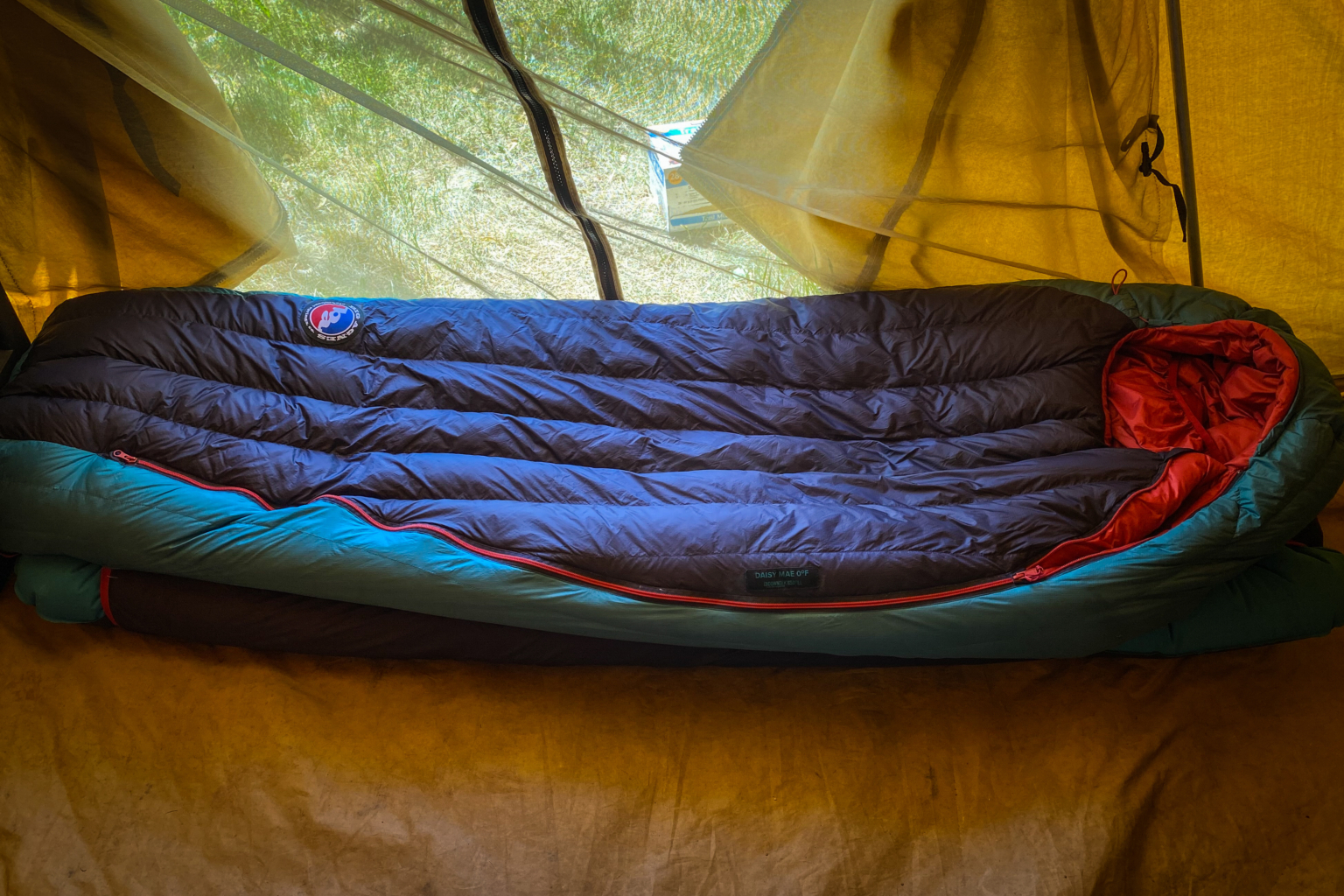
Keeping your sleeping bag warm starts with good care. A well-maintained bag works better and lasts longer. You need to clean, store, and fix it the right way.
Follow simple steps to protect your sleeping bag. These tips help keep the insulation strong and your nights cozy.
Keep It Dry And Clean
Wet or dirty sleeping bags lose warmth quickly. Always keep your bag dry before storing it. Clean your bag after each trip to remove dirt and oils.
- Use a gentle detergent designed for down or synthetic fill.
- Hand wash or use a front-load washing machine on a gentle cycle.
- Dry completely in the sun or with a dryer on low heat.
- Avoid fabric softeners and bleach.
Store Properly Between Trips
Proper storage keeps your sleeping bag’s shape and loft. Never store it compressed in its stuff sack for a long time.
| Storage Method | Advantages |
| Loose Hanging | Maintains loft and airflow |
| Large Cotton Storage Bag | Protects from dust and moisture |
| Stuff Sack | Good only for short trips |
Repair Damage Promptly
Tears and holes let cold air in. Fix small damage quickly to keep your bag warm. Use patches or repair tape made for outdoor gear.
Follow these repair tips:
- Clean the damaged area.
- Cut a patch slightly bigger than the hole.
- Apply glue or adhesive tape to the patch.
- Press firmly and let dry fully before use.
- Check seams regularly and stitch if needed.
Credit: gearjunkie.com

Credit: www.amazon.com.au
Frequently Asked Questions
How Can I Make My Sleeping Bag Warmer?
Add a sleeping bag liner or wear thermal clothing inside. Use an insulated sleeping pad beneath to block cold from the ground. Choose a mummy-shaped bag for better heat retention.
What Materials Keep Sleeping Bags Warmest?
Down and synthetic insulation are best for warmth. Down offers lightweight and high heat retention but loses insulation when wet. Synthetic insulation performs better in damp conditions and dries faster.
Can Adding A Sleeping Bag Liner Increase Warmth?
Yes, liners add extra insulation and warmth. They are lightweight, easy to carry, and can add up to 10°F of warmth. Liners also keep your sleeping bag clean and extend its life.
Is It Better To Wear Clothes Inside A Sleeping Bag?
Wearing moisture-wicking, thermal layers inside your bag traps heat effectively. Avoid cotton as it retains moisture. Proper clothing enhances insulation and keeps you warmer throughout the night.
Conclusion
Making your sleeping bag warmer can improve your camping comfort. Use extra layers like blankets or liners inside your bag. Keep your sleeping bag dry to hold heat better. Wear warm clothes and a hat to stay cozy. Choose the right sleeping bag for the season you camp in.
Small steps add up to a warmer night outdoors. Stay warm, sleep well, and enjoy your adventure fully.