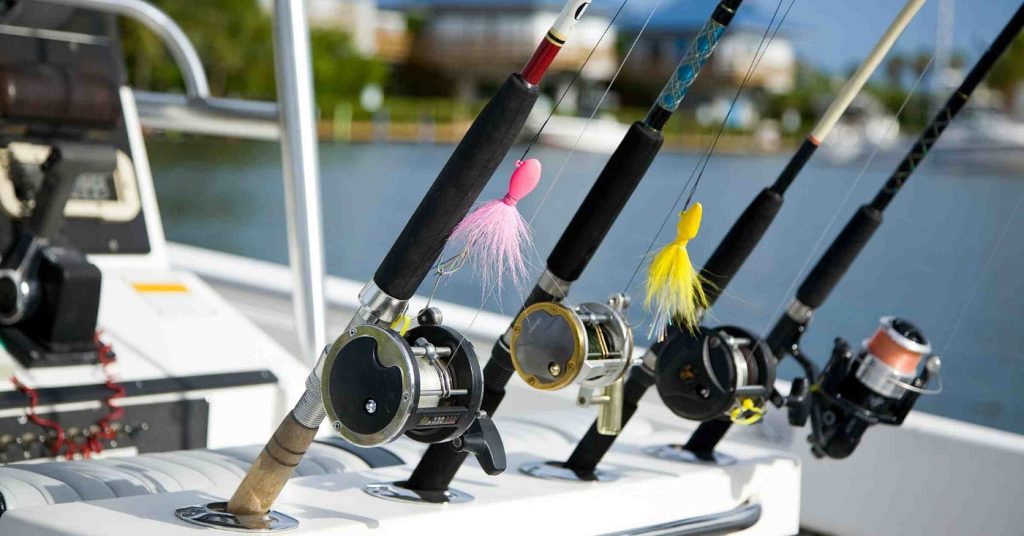
Planning to bring your fishing rod on your next flight? You might be wondering if it’s allowed and how to pack it properly.
You don’t want to arrive at the airport only to face unexpected hassles or fees. This guide will clear up all your doubts and help you travel smoothly with your fishing gear. Keep reading to find out exactly what you need to know before you fly with your fishing rod.
Credit: veronicahanson.medium.com
Airline Policies On Fishing Rods
Many people wonder if they can bring fishing rods on planes. Each airline has rules about fishing gear. Knowing these rules helps avoid problems at the airport.
This guide explains how major airlines handle fishing rods. It also covers carry-on and checked baggage policies. You will learn about possible fees too.
Major Airlines’ Rules
Most airlines allow fishing rods as checked baggage. Some airlines also permit fishing rods in carry-on bags. The rules can differ by airline.
- American Airlines accepts fishing rods in checked bags only.
- Delta Airlines allows fishing rods in checked or carry-on bags if they fit size limits.
- United Airlines requires fishing rods to be checked, not carried on.
- Southwest Airlines permits fishing rods as checked baggage.
- Alaska Airlines accepts fishing rods in checked bags and sometimes carry-on.
Carry-on Vs Checked Baggage
Fishing rods are often too long for carry-on rules. Airlines limit carry-on bag sizes strictly. Most travelers pack rods in checked luggage to avoid issues.
Some airlines allow short fishing rods as carry-on. Check your airline’s size limits before packing. Always pack rods carefully to prevent damage.
- Carry-on fishing rods must fit in overhead bins or under seats.
- Checked fishing rods must be in a sturdy case.
- Label your fishing rod case with your contact info.
Fees And Charges
Some airlines charge extra fees for fishing rods. Fees depend on bag size, weight, and airline policy. Check fees before you fly to avoid surprises.
Many airlines count fishing rods as standard checked bags if inside size and weight limits. Oversized fishing rods may cost more. Fees also vary by route.
- Standard checked bag fees may apply to fishing rods.
- Oversized or heavy fishing rods can incur extra fees.
- Some airlines offer sports equipment discounts or waivers.
- Prepay baggage fees online to save money.
Packing Your Fishing Rod
Taking a fishing rod on a plane needs careful packing. Proper packing keeps the rod safe and avoids damage.
Knowing how to pack your rod well helps you enjoy fishing at your destination without worries.
Choosing The Right Case
Select a case that fits your fishing rod snugly. Hard cases offer the best protection from impacts. Soft cases are lighter but need extra padding.
- Measure your rod length before buying a case
- Pick a hard case for long flights or checked baggage
- Use a soft case if you carry the rod as hand luggage
- Check if the case has extra compartments for reels and accessories
Disassembling Tips
Break your fishing rod into pieces to make packing easier and safer. Most rods come apart into two or more sections.
| Tip | Reason |
| Remove reel from rod | Prevents damage to reel and rod during transport |
| Wrap each rod section separately | Stops sections from rubbing and scratching each other |
| Label sections if needed | Makes reassembly quick and easy |
Protecting Rod Tips And Guides
Rod tips and guides are fragile and need extra care. Use padding to protect these parts inside the case.
Follow these tips to protect tips and guides:
- Use foam sleeves or pipe insulation around tips
- Cover guides with soft cloth or bubble wrap
- Place padding between rod sections to avoid pressure on guides
- Check for any loose guides before packing
Security Screening And Fishing Gear
Taking a fishing rod on a plane is common for anglers. Understanding the rules helps avoid trouble at the airport.
This guide covers what the TSA allows, how to prepare for inspection, and ways to avoid common issues with fishing gear.
What Tsa Allows
The TSA permits fishing rods in both carry-on and checked baggage. Some restrictions apply to fishing gear components.
- Fishing rods can be packed in a hard or soft case.
- Fishing reels are allowed but may require inspection.
- Hooks and lures should be stored securely to prevent injury.
- Sharp items like knives are not allowed in carry-on bags.
Preparing For Inspection
Proper packing makes security checks easier and faster. Label your fishing gear clearly and separate sharp items.
| Item | Packing Tips |
| Fishing Rod | Use a sturdy rod case or tube |
| Reels | Securely attach to rods or pack separately |
| Hooks and Lures | Place in a clear, sealed container |
| Knives and Tools | Pack only in checked luggage |
Avoiding Common Issues
Some travelers face delays due to unclear packing or forbidden items. Follow these tips to avoid problems.
- Do not carry fishing knives in your carry-on.
- Remove hooks from lines and secure them to avoid injury.
- Check airline policies for size limits on fishing rods.
- Arrive early to allow extra time for security checks.
International Travel Considerations
Taking a fishing rod on a plane requires knowing rules for international travel. Each country has its own regulations. These rules affect how you pack and carry fishing gear.
Check your destination’s policies before your trip. This helps avoid delays or confiscation of your fishing rod at customs.
Customs Regulations
Customs officials inspect items to prevent illegal goods from entering the country. Fishing rods are usually allowed but may need declaration.
- Declare your fishing rod at customs if required.
- Carry proof of ownership or purchase if possible.
- Follow any packaging rules for fishing rods.
- Be aware of prohibited materials like certain types of fishing line or hooks.
Import And Export Restrictions
Some countries limit importing or exporting fishing equipment. Restrictions protect local wildlife and ecosystems.
| Country | Import Rules | Export Rules |
| Australia | Strict checks, some hooks banned | Permit needed for some rods |
| Japan | Fishing rods allowed, no live bait | Usually no restrictions |
| Brazil | Declaration required | Export permit for certain gear |
Country-specific Rules
Always review rules for your destination country. Some places have unique laws about fishing gear.
Tips for country-specific rules:
- Contact the embassy or consulate before travel.
- Check official government websites for updates.
- Use sturdy, labeled cases for your fishing rod.
- Know local fishing seasons and permits needed.
Alternative Options For Transporting Rods
Traveling with a fishing rod can be tricky. Airlines have different rules, and rods can be fragile. Consider some alternative methods to transport your gear safely.
Explore these options to ensure your fishing rod arrives at your destination in one piece.
Shipping Services
Shipping services offer a reliable way to send your fishing rod ahead. Many companies specialize in delicate items like fishing gear.
- Check for fishing gear specialists
- Compare shipping costs and delivery times
- Ensure proper packaging for safety
Renting Rods At Destination
Renting rods at your destination can be convenient. Many fishing spots offer rental services, saving you the hassle of transport.
| Location | Rental Cost | Availability |
| Lake Tahoe | $20/day | High |
| Florida Keys | $25/day | Moderate |
| Amazon River | $30/day | Low |
Using Travel-friendly Rods
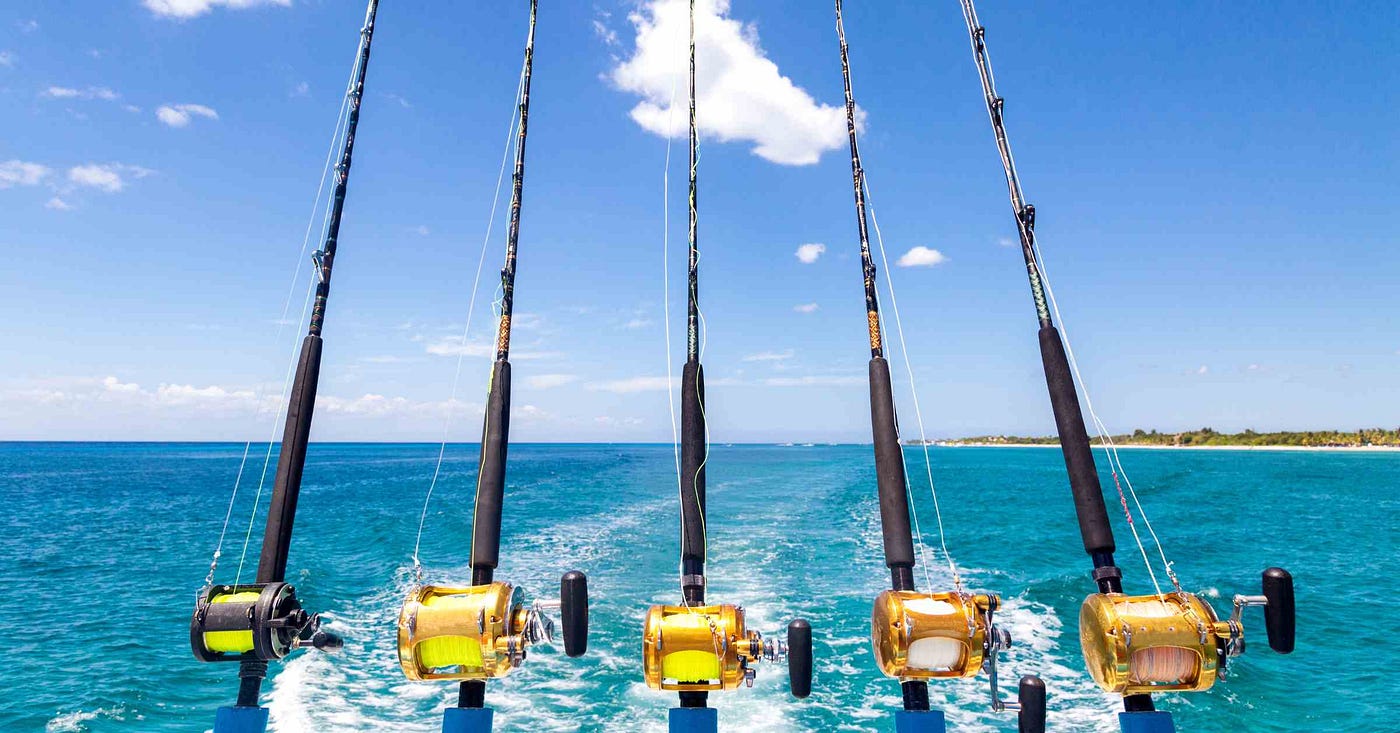
Travel-friendly rods are designed for easy transport. They often come in telescopic or multi-piece designs.
Credit: veronicahanson.medium.com
Tips For Stress-free Fishing Trips
Taking a fishing rod on a plane can be tricky. Planning ahead helps avoid stress.
This guide gives simple tips to make your fishing trip smooth and worry-free.
Booking In Advance
Booking your flight early allows you to check airline rules for fishing gear. Some airlines have limits on size and weight. Early booking helps you reserve space for your rod and tackle.
- Look for airlines that allow fishing rods in checked luggage.
- Ask about extra fees for sports equipment.
- Reserve your spot and confirm rules before you pay.
- Prepare your gear according to airline guidelines.
Communicating With Airlines
Contact the airline customer service before your trip. Clear communication helps avoid surprises at the airport. Ask about packing, fees, and special handling for fishing rods.
| Question | Why Ask? |
| Can I carry my fishing rod as carry-on? | Some airlines allow it; others do not. |
| What is the fee for sports gear? | Fees vary and affect your budget. |
| How should I pack my rod? | Proper packing avoids damage and loss. |
| Is advance notice required? | Some airlines need prior notice for special items. |
Handling Delays And Lost Gear
Flight delays and lost luggage can ruin your trip. Prepare for these issues by following some key tips.
- Label your fishing gear with your name and contact info.
- Take photos of your rod and equipment before travel.
- Keep essential tackle in your carry-on bag if allowed.
- Get travel insurance that covers sports gear loss.
- Report lost gear to the airline immediately.

Credit: www.reddit.com
Frequently Asked Questions
Can I Bring A Fishing Rod On A Plane?
Yes, you can bring a fishing rod on a plane. It is usually allowed in checked baggage. Airlines may have specific size and packaging rules.
Are Fishing Rods Allowed In Carry-on Luggage?
Most airlines do not allow fishing rods in carry-on bags. They consider rods as oversized items. Always check the airline’s carry-on policy first.
How Should I Pack A Fishing Rod For Air Travel?
Disassemble your fishing rod and use a hard case or tube. Secure all parts to prevent damage. Proper packing protects the rod during transit.
Do I Need To Declare Fishing Rods At Airport Security?
You usually do not need to declare fishing rods at security. However, inform the security officer if asked. Follow TSA or local security guidelines.
Conclusion
Taking a fishing rod on a plane is possible with some rules. Check airline policies before packing your gear. Pack the rod carefully to avoid damage. Carry any sharp tools or hooks in checked luggage. Arrive early to allow extra time for security checks.
Following these steps helps your trip go smoothly. Now, you can enjoy fishing at your destination without stress. Safe travels and tight lines!