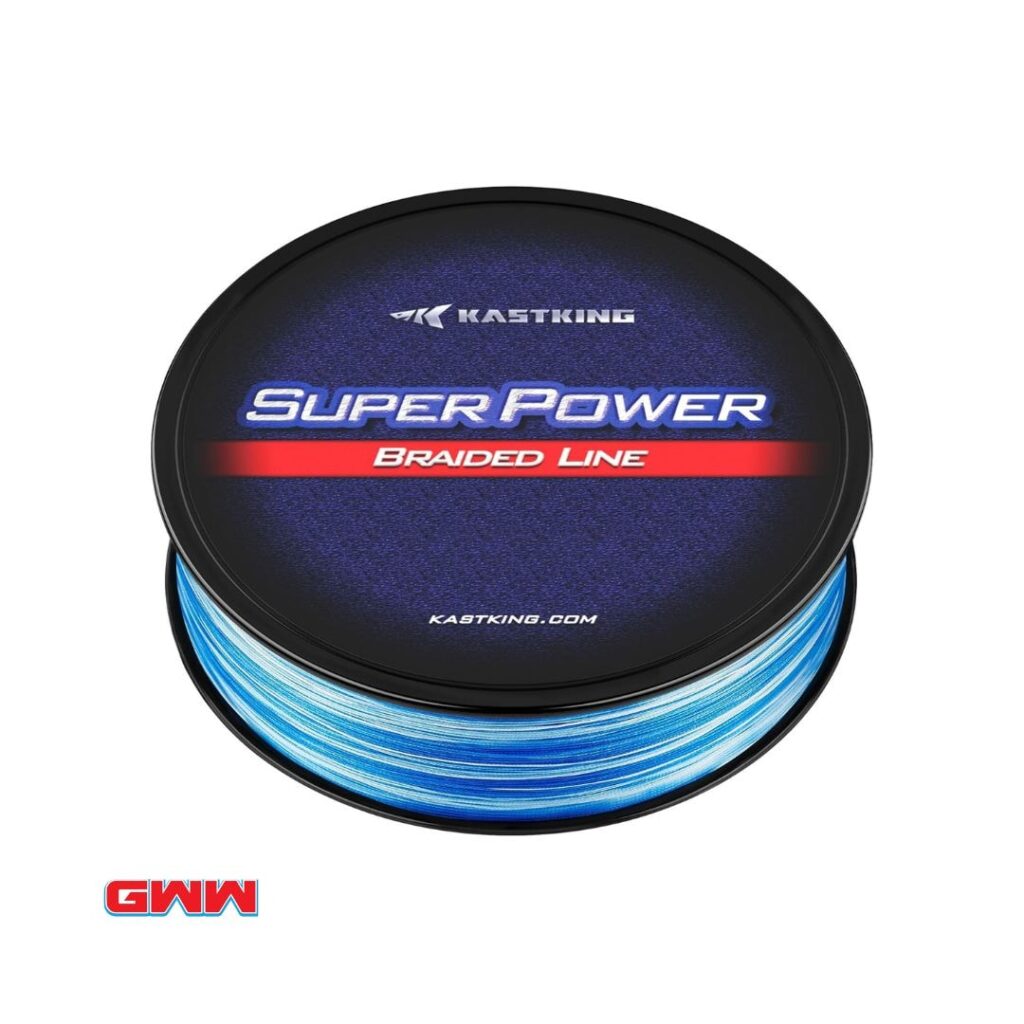
If you want to catch more fish and make your fishing experience smoother, choosing the best braided fishing line is a game-changer. But with so many options out there, how do you know which one will hold up under pressure and give you the edge on the water?
This guide will help you find the perfect braided line that fits your fishing style and needs. Keep reading, and you’ll discover the key factors that can turn your next fishing trip into a success.
Benefits Of Braided Fishing Lines
Braided fishing lines are popular among anglers for many reasons. They offer unique features that improve fishing experience.
This type of line is made from strong fibers woven together. It stands out in strength and performance compared to other lines.
Strength And Durability
Braided lines have a high strength-to-diameter ratio. They can hold heavy fish without breaking easily. This durability makes them a reliable choice for tough fishing conditions.
- Strong fibers resist snapping
- Thin diameter allows more line on reels
- Lasts longer under heavy use
- Handles big fish with less stretch
Sensitivity And Casting Distance
Braided lines transmit vibrations well. This sensitivity helps anglers feel bites more quickly. It also allows for better control during casting and retrieving.
| Feature | Benefit |
| Low stretch | Improved bite detection |
| Thin diameter | Longer casts with less effort |
| Smooth surface | Better line flow through guides |
Abrasion Resistance
Braided lines resist damage from rough surfaces and sharp objects. This means fewer breaks near rocks or debris. The line holds up well in harsh environments.
- Protects against rubbing and cuts
- Maintains strength after repeated use
- Good for fishing in rocky or heavy cover areas
Key Features To Consider
Choosing the right braided fishing line is important for a successful fishing trip. Here are the key features you should consider when selecting a braided fishing line.
Understanding these features helps you pick the best line for your needs and improve your fishing experience.
Material Composition
The material of the braided fishing line affects its strength and durability. Most braided lines are made from synthetic fibers like Dyneema or Spectra.
These materials are strong and resistant to abrasions. They provide excellent performance in different fishing environments.
Line Diameter And Length
Line diameter is crucial for casting distance and sensitivity. A thinner diameter allows for longer casts and better lure control.
Consider the length of the line too. Longer lines are better for deep-sea fishing, while shorter lines are suitable for shallow waters.
- Thin diameter for longer casts
- Longer lines for deep-sea fishing
- Shorter lines for shallow waters
Knot Strength
Knot strength is vital to ensure your line holds under pressure. A strong knot prevents the line from breaking when reeling in a catch.
Practice tying different knots to see which works best with your braided line. Some lines offer better knot strength than others.
Color Options
Color choice can impact visibility and stealth. Bright colors are visible above water, helping you track the line.
Camouflage colors blend with water, making them harder for fish to see. Choose a color that matches your fishing environment.
- Bright colors for easy tracking
- Camouflage colors for stealth
- Match color to fishing environment
Top Braided Fishing Lines Reviewed
Choosing the right braided fishing line helps improve your fishing experience. Different lines suit different fishing needs.
This review covers top braided lines for various fishing styles. Find the best one for you below.
Best Overall Performance
This braided line offers excellent strength and smooth casting. It resists abrasion well and holds up in tough conditions.
The line is suitable for many fishing types, making it a versatile choice for anglers.
Best For Saltwater Fishing
Saltwater fishing needs lines that resist corrosion and salt damage. This braided line uses special coatings to last longer in saltwater.
- High abrasion resistance
- Strong knot strength
- Low stretch for better sensitivity
- Good visibility in clear water
Best Budget Option
This line provides good value without sacrificing quality. It is strong enough for most fishing tasks and easy to handle.
| Feature | Details |
| Strength | Up to 30 lbs |
| Material | Polyethylene fibers |
| Color Options | Green, Yellow |
| Price | Affordable |
Best For Freshwater Angling
This braided line works well in lakes and rivers. It offers smooth casting and strong resistance to wear.
Advantages of this line:
- Low memory for less tangling
- Good knot strength
- High sensitivity to detect bites
- Available in multiple colors

Credit: www.ebay.ca
How To Choose The Right Line For Your Needs
Choosing the right braided fishing line is important for a good fishing experience. The right line helps you catch fish without breaking or tangling.
Consider your fishing goals and conditions before picking a line. This guide covers key points to help you decide.
Match Line Strength To Target Species
Different fish need different line strengths. A heavier line works for big fish, while a lighter line suits smaller fish.
- Light line (10-20 lb): good for trout, panfish, and small bass
- Medium line (20-40 lb): fits larger bass, walleye, and smaller catfish
- Heavy line (40+ lb): best for big catfish, pike, and saltwater species
Consider Fishing Environment
Your fishing environment affects line choice. Clear water may need thinner, less visible lines. Rough areas need durable lines.
| Environment | Recommended Line Type | Reason |
| Clear lakes and rivers | Thin, low-visibility braided line | Less visible to fish |
| Rocky or heavy cover | Thicker, abrasion-resistant braided line | Withstands rubbing and damage |
| Saltwater fishing | Corrosion-resistant braided line | Handles salty conditions well |
Evaluate Rod And Reel Compatibility
Your rod and reel must work well with the braided line. Check the gear’s line rating and spool size.
- Match line strength to the rod’s recommended range
- Use the correct spool size to avoid line overfill or shortage
- Ensure the reel’s drag system suits braided lines
Maintenance And Care Tips
Taking care of your braided fishing line keeps it strong and ready to use. Proper maintenance helps avoid breakage and extends the line’s life.
Follow simple care steps to get the best performance from your braided line. These tips cover storage, cleaning, and knowing when to replace your line.
Proper Storage Techniques
Store braided fishing line in a cool, dry place away from sunlight. Avoid storing it near chemicals or heat sources that can weaken the fibers.
- Keep the line on its spool to prevent tangles.
- Use a sealed container to protect from dust and moisture.
- Avoid tight knots or bends that damage the line structure.
- Store spare spools separately to prevent rubbing and wear.
Cleaning And Inspection
Clean your braided line after every fishing trip. Salt, dirt, and debris can damage the fibers if left on the line.
Follow this simple cleaning routine:
- Rinse the line gently with fresh water.
- Use a soft cloth or sponge to wipe off dirt.
- Let the line air dry completely before storing.
- Check for frays, cuts, or weak spots while drying.
Regular inspection helps you spot damage early and avoid losing fish or tackle.
When To Replace Your Line
Replacing your braided line at the right time keeps your fishing gear reliable. Use this table to check common signs that mean it’s time to change your line.
| Condition | What to Look For |
| Frayed Areas | Visible strands sticking out or rough spots |
| Line Memory | Line holds coils or loops after unspooling |
| Discoloration | Faded or uneven color, indicating UV damage |
| Reduced Strength | Line breaks easily under normal tension |

Credit: reactiontackle.com

Credit: www.ebay.ca
Frequently Asked Questions
What Makes A Braided Fishing Line The Best Choice?
Braided lines offer high strength with low diameter. They provide excellent sensitivity and minimal stretch. These features improve casting accuracy and fish detection, making them ideal for various fishing conditions.
How Does Braided Fishing Line Compare To Monofilament?
Braided lines are stronger and thinner than monofilament. They have less stretch, enhancing sensitivity and hook setting. However, they are more visible in water and may require leaders for clear water fishing.
What Is The Ideal Braided Line Strength For Bass Fishing?
A 20-30 pound test braided line is ideal for bass fishing. It balances strength and sensitivity, allowing better hook sets and handling larger fish without line breakage.
Can Braided Fishing Lines Be Used In Saltwater?
Yes, braided lines are excellent for saltwater fishing. They resist abrasion and offer high strength, making them suitable for harsh marine environments and targeting larger saltwater species.
Conclusion
Choosing the best braided fishing line depends on your needs and budget. Strong and thin lines work well for many fishing styles. Durability and smooth casting help improve your experience. Remember to check line strength and color before buying. Trust your own fishing style to pick the right line.
Good gear can make fishing more fun and successful. Keep these tips in mind for your next fishing trip.