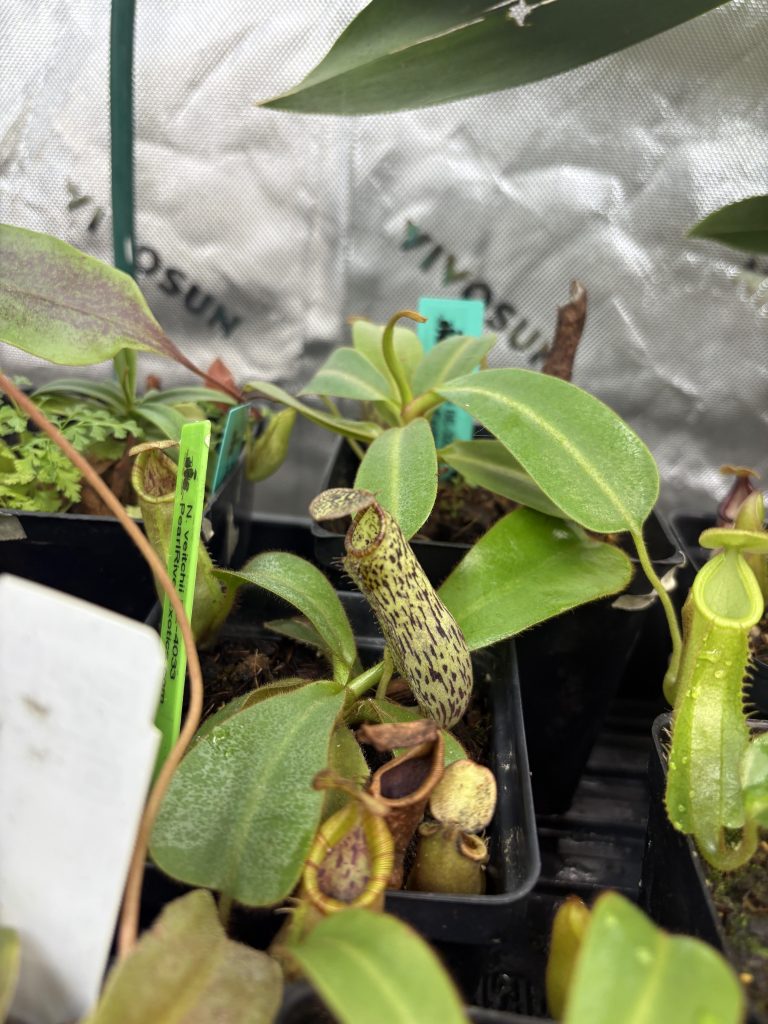
Keeping your grow tent cool is one of the biggest challenges you face as a grower. If your tent gets too hot, your plants can suffer, and your harvest might not be what you hoped for.
But don’t worry—there are simple, effective ways to control the temperature and create the perfect environment for your plants to thrive. You’ll discover practical tips and easy tricks to keep your grow tent cool, so your plants stay healthy and strong all year round.
Ready to unlock the secret to a cooler grow space? Let’s dive in.
Choosing The Right Tent Size
Picking the correct grow tent size helps manage temperature inside the tent. A tent that is too small can trap heat quickly.
On the other hand, a tent that is too large may waste space and energy. Finding the right balance improves plant growth.
Impact Of Tent Size On Temperature
Smaller tents heat up faster because they hold less air. This makes it harder to keep plants cool during hot days.
- Small tents trap heat quickly
- Larger tents have more air volume to cool
- Extra space allows better airflow and ventilation
- Temperature swings are less extreme in bigger tents
Balancing Space And Heat Control
Choose a tent size that matches your plant number and cooling tools. Too much space can waste energy, too little can cause heat stress.
| Tent Size | Best Use | Temperature Control |
|---|---|---|
| Small (2×2 ft) | Few plants, seedlings | Needs strong ventilation |
| Medium (4×4 ft) | Average grow setup | Good airflow with fans |
| Large (8×8 ft+) | Many plants, larger setups | Easier to keep cool with space |
Effective Ventilation Strategies
Keeping a grow tent cool is important for plant health. Effective ventilation is a key strategy for maintaining the right temperature. Let’s explore some ways to improve ventilation in your grow tent.
Installing Exhaust Fans
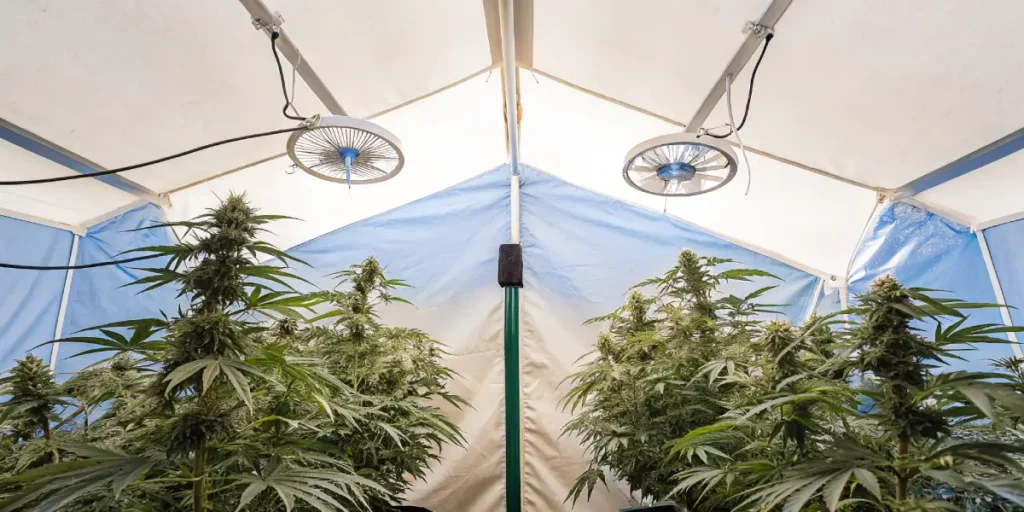
Exhaust fans help remove hot air from the grow tent. This keeps the temperature cool and comfortable for plants.
Place the exhaust fan at the top of the tent. Hot air rises, so this position helps it exit easily. Choose a fan that is the right size for your tent.
- Measure your tent to pick the right fan size
- Install the fan securely at the tent’s top
- Ensure the fan has a clear exit path for air
Using Intake Vents
Intake vents bring fresh air into the grow tent. This cool air helps balance the temperature. Keep intake vents open and unobstructed.
Place the intake vent at the bottom of the tent. This allows cooler air to enter and push warm air upwards towards the exhaust fan.
- Check that vents are not blocked by plants
- Position vents opposite to the exhaust fan
- Use a mesh cover to keep pests out
Circulating Air Inside The Tent
Circulating air inside the tent prevents hotspots. It helps distribute cool air evenly around your plants.
Use oscillating fans to move air throughout the tent. These fans keep air flowing and prevent stagnant areas.
- Set fans at different heights for even airflow
- Avoid pointing fans directly at plants
- Adjust fan speed based on plant size
Optimizing Lighting To Reduce Heat
Grow tents can get very hot, especially from lighting. Managing heat helps plants grow better. Using the right lights and settings lowers temperature inside the tent.
In this guide, learn how to pick low-heat grow lights. Also, find out how to adjust light height and duration to keep the tent cool.
Selecting Low-heat Grow Lights
Choose lighting that produces less heat but still supports plant growth. LED and fluorescent lights are good options. They use less electricity and stay cooler than traditional lights.
- LED grow lights use energy efficiently and emit little heat.
- Fluorescent lights are cooler than high-pressure sodium (HPS) lights.
- Avoid metal halide or HPS bulbs if heat is a concern.
- Look for lights with built-in cooling systems or fans.
Adjusting Light Height And Duration
Keep lights at the right height to reduce heat stress on plants. Lights too close raise temperatures and can burn leaves. Moving lights up lowers heat but may reduce light intensity.
| Light Height | Effect on Heat | Plant Impact |
| Close (6-12 inches) | High heat | Risk of leaf burn |
| Medium (12-18 inches) | Moderate heat | Good light, less heat |
| Far (18+ inches) | Low heat | Lower light intensity |
Limit light duration to reduce heat buildup. Shorter light periods mean less heat. Use timers to control light cycles precisely.
- Set light timers for optimal plant growth and less heat.
- Use a dark period to cool down the tent.
- Adjust light time based on plant species and growth stage.

Credit: canadagrowsupplies.com
Using Cooling Equipment
Keeping a grow tent cool is important for healthy plants. Using the right cooling equipment helps control temperature. It also improves air circulation and reduces heat stress.
This guide covers three common cooling tools. They include portable air conditioners, evaporative coolers, and oscillating fans. Each tool works differently to keep your grow tent cool.
Portable Air Conditioners
Portable air conditioners remove warm air from the tent and replace it with cooler air. They are easy to move and do not need permanent installation. These units often have a hose to vent hot air outside the tent.
Choose a unit that matches your tent size. Too small will not cool well. Too large will use too much electricity. Keep the hose clear and vent it correctly for best results.
Evaporative Coolers
Evaporative coolers use water to cool the air. Warm air passes through a wet pad and loses heat by evaporation. This method is energy efficient and adds some humidity to the tent.
- Good for dry climates
- Lower power consumption than air conditioners
- Increases humidity, which can be good or bad
- Needs regular water refilling and pad cleaning
Oscillating Fans
Oscillating fans move air around inside the grow tent. They help prevent hot spots and keep air fresh. Fans do not lower air temperature but improve cooling by evaporation from plant leaves.
| Benefit | Tip |
|---|---|
| Improves air circulation | Place fan at plant level for best airflow |
| Prevents mold and pests | Keep fan running most of the day |
| Low energy use | Choose energy-saving fan models |
Temperature Monitoring Tools
Keeping your grow tent cool is important for healthy plants. You need to check the temperature often. Good tools help you watch the heat inside the tent.
Two main tools help with this: digital thermometers and automated climate controllers. Both make it easier to keep the right temperature.
Digital Thermometers
Digital thermometers show the current temperature inside your grow tent. They are easy to use and give quick results. Some models also measure humidity.
- Easy to read digital display
- Can measure temperature and humidity
- Portable and simple to place anywhere
- Some come with alarms for high temperatures
- Battery powered for convenience
Automated Climate Controllers
Automated climate controllers help keep the grow tent cool by controlling fans and vents. They use sensors to check temperature and humidity. Then they adjust the climate automatically.
| Feature | Benefit |
| Temperature sensor | Monitors the tent temperature constantly |
| Humidity sensor | Keeps humidity at the right level |
| Fan control | Turns fans on or off as needed |
| Vent control | Opens or closes vents to improve airflow |
| Programmable settings | Lets you set your preferred temperature range |
Managing Humidity Levels
Keeping the right humidity in a grow tent helps plants stay healthy. Too much moisture can cause mold and pests.
Controlling humidity also helps keep the temperature steady. This creates a good environment for plants to grow well.
Dehumidifiers And Their Role
Dehumidifiers remove extra moisture from the air inside the grow tent. This stops humidity from getting too high.
Using a dehumidifier helps stop mold and mildew. It also protects your plants from diseases caused by wet conditions.
- Choose a dehumidifier that fits the size of your tent.
- Place it where air flows well for better moisture removal.
- Empty the water tank regularly to keep it working well.
Balancing Humidity And Temperature
Humidity and temperature affect each other inside a grow tent. When temperature rises, air can hold more moisture.
Use fans and vents to move air and keep both levels steady. This helps plants grow strong and avoid stress.
- Use an exhaust fan to remove hot, moist air.
- Bring in fresh, cooler air to lower humidity.
- Monitor both humidity and temperature with a combined meter.
Insulating The Grow Tent
Keeping your grow tent cool is important for healthy plants. Insulation helps control temperature inside the tent. It stops heat from entering or escaping.
This guide covers two ways to insulate your grow tent: reflective materials and thermal barriers. Both help keep your plants comfortable.
Reflective Materials
Reflective materials bounce heat away from the grow tent walls. This lowers the temperature inside by reducing heat absorption. Mylar is a popular reflective material.
- Use Mylar sheets on the tent walls.
- Install reflective insulation under the floor.
- Cover ducting with reflective tape.
- Ensure materials are clean and wrinkle-free for best results.
Thermal Barriers
Thermal barriers slow down heat transfer through the tent walls. They keep warm air out and cool air in. Foam boards and insulated blankets work well.
| Thermal Barrier Type | Material | Benefits | Installation Tips |
|---|---|---|---|
| Foam Boards | Polystyrene or Polyurethane | Good insulation, lightweight | Attach inside tent walls with tape or clips |
| Insulated Blankets | Fiberglass or Reflective Foil | Flexible, easy to fit | Wrap around tent frame or hang on walls |
| Spray Foam | Polyurethane Foam | Seals gaps, strong insulation | Use carefully, avoid contact with plants |
Credit: blimburnseeds.com
Scheduling And Environmental Timing
Keeping your grow tent cool is key for healthy plants. Timing your activities helps control temperature well.
This guide explains how to use scheduling and environmental timing to keep your grow tent cool.
Optimal Growing Hours
Choose growing hours when the temperature is naturally lower. This reduces heat stress on plants.
- Start your grow lights early in the morning.
- Turn off lights during the hottest daytime hours.
- Use natural light cycles to your advantage.
- Adjust feeding and watering schedules to cooler times.
Nighttime Cooling Techniques
Nighttime is the best time to lower temperatures inside the grow tent. Use this time to cool the air.
| Technique | How It Helps |
| Ventilation Fans | Pull in cooler night air and push out warm air. |
| Open Tent Flaps | Increase airflow to reduce heat buildup. |
| Humidity Control | Keep humidity balanced to avoid heat retention. |
| Use Exhaust Fans | Remove hot air trapped inside the tent. |

Credit: www.reddit.com
Frequently Asked Questions
How Can I Reduce Heat Inside A Grow Tent?
Use strong exhaust fans to remove hot air. Add intake vents for fresh air. Position fans to improve airflow. Use reflective materials to minimize heat absorption. Keep lights away from plants to reduce heat stress.
What Is The Best Ventilation For Grow Tents?
A combination of intake and exhaust fans works best. Exhaust fans pull hot air out. Intake fans bring cool air in. Proper vent placement ensures effective airflow. Use fans with adjustable speeds for control.
Can Led Grow Lights Help Keep Tents Cool?
Yes, LED lights produce less heat than traditional lights. They are energy-efficient and emit minimal infrared radiation. Using LEDs reduces the overall temperature inside the tent. This helps maintain optimal growing conditions and saves electricity.
How Important Is Insulation For Grow Tent Cooling?
Insulation prevents external heat from entering the tent. It also keeps the cool air inside. Use reflective insulation to bounce light and heat away. Proper insulation improves energy efficiency and stabilizes temperature.
Conclusion
Keeping your grow tent cool helps plants grow strong and healthy. Use fans and ventilation to move hot air out. Choose LED lights to reduce heat inside the tent. Monitor temperature daily and adjust as needed. Remember, a cool tent means better plant growth and higher yields.
Stay consistent with these simple steps. Your plants will thank you.