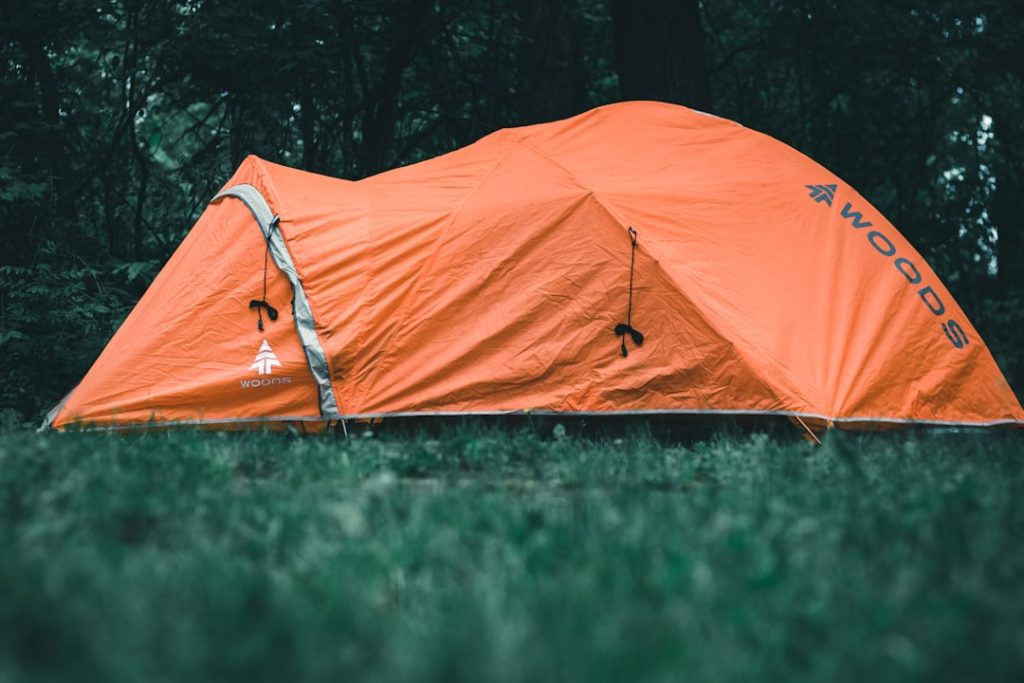
Are you planning your next outdoor adventure and wondering what kind of tent will make your trip easier and more enjoyable? A freestanding tent might be exactly what you need.
It offers flexibility and convenience that can change the way you camp. Imagine setting up your shelter quickly, moving it around without hassle, and having a reliable space that stands on its own no matter where you pitch it. Curious to find out how a freestanding tent can improve your camping experience?
Keep reading, and you’ll discover everything you need to know to make the best choice for your next trip.
Freestanding Tent Basics
A freestanding tent is a type of tent that stands on its own. It does not need stakes or guylines to stay upright.
These tents are easy to set up and move around. They are popular for camping and outdoor events.
Key Features
Freestanding tents have poles that create a frame to hold the tent up. This frame supports the tent fabric.
They often have flexible poles made of fiberglass or aluminum. This makes the tent strong and light.
- Easy to pitch and move without stakes
- Strong frame supports the tent shape
- Usually lightweight and compact
- Good for hard or rocky ground
How They Differ From Other Tents
Unlike freestanding tents, other tents need stakes or guylines to stay up. They rely on tension from these anchors.
Freestanding tents can be moved after pitching. Non-freestanding tents often need to be set up again if moved.
- Freestanding tents do not require staking
- They are easier to relocate after setup
- Other tents may be lighter but less stable
- Freestanding tents work better on hard surfaces

Credit: www.halfwayanywhere.com
Benefits Of Freestanding Tents
Freestanding tents are popular among campers. They offer ease and flexibility. These tents stand up without stakes. This makes them handy in various conditions.
Freestanding tents are ideal for beginners and seasoned campers. They provide comfort and convenience during camping trips.
Ease Of Setup
Freestanding tents are simple to set up. They don’t need many stakes to stand. This makes them quick to pitch, even for beginners.
You can set them up alone in minutes. This is helpful when you arrive late at a campsite.
- No need for perfect ground conditions
- Quick setup saves time and effort
- Easy to adjust and move if needed
Versatility In Terrain
Freestanding tents work on various terrains. Rocky, sandy, or grassy areas are not a problem. They adapt to different surfaces easily.
These tents do not rely on stakes for support. This makes them a flexible choice for campers.
- Use on hard or uneven surfaces
- Suitable for urban and natural settings
- Ideal for unpredictable weather conditions
Portability And Weight
Freestanding tents are often lightweight. This makes them easy to carry on hikes and camping trips. Their compact size is great for packing.
Backpackers appreciate the reduced weight. It allows for more room in their packs for other gear.
- Lightweight for easy transport
- Compact design fits in small backpacks
- Easy to move and reposition
Choosing The Right Freestanding Tent
Freestanding tents are popular for their ease of setup and flexibility. They stand on their own without needing stakes, making them great for various terrains.
Picking the right tent means thinking about size, materials, and how well it handles weather. These points help you find the best fit for your trip.
Size And Capacity
Size matters when choosing a tent. You need enough space for people and gear. Check the tent’s capacity rating to avoid crowding.
- Consider how many people will sleep inside
- Think about extra room for backpacks and equipment
- Allow space for comfort and movement
- Choose a tent with a simple setup for your group size
Material And Durability
Strong materials keep your tent safe and lasting. Look for durable fabrics and sturdy poles. This helps the tent stay firm and resist tears.
| Material | Durability | Weight |
| Ripstop Nylon | High | Light |
| Polyester | Medium | Moderate |
| Canvas | Very High | Heavy |
| Aluminum Poles | Strong | Light |
| Fiberglass Poles | Less Strong | Moderate |
Weather Resistance
Weather resistance keeps you dry and safe. Check if the tent has a waterproof coating and sealed seams. Good ventilation helps reduce condensation.
- Look for tents with a rainfly that covers all sides
- Choose tents with a waterproof floor or bathtub design
- Check wind rating and how well the tent stands against strong gusts
- Ensure vents or windows allow airflow without leaks

Credit: www.youtube.com
Setup Tips For Freestanding Tents
Freestanding tents are easy to set up and move. They do not need stakes to hold their shape. This makes them great for many camping spots.
Knowing the right steps helps you set up your tent quickly. Avoid common errors and keep your tent in good shape with simple care tips.
Step-by-step Assembly
Start by unpacking your tent and laying it flat on the ground. Find a clear, level spot to set it up.
Next, connect the poles and insert them into the tent sleeves or clips. The poles create the tent’s frame.
- Lay the tent flat on the ground
- Assemble the poles and attach them to the tent
- Lift the tent by raising the poles
- Adjust the tent shape and secure all clips
- Add stakes if you want extra hold
Common Mistakes To Avoid
Do not rush the setup. Rushing can cause damage to poles or fabric. Take your time to fit parts correctly.
Make sure you spread the tent out fully before putting in poles. Folding can cause poles to bend or break.
- Skipping ground preparation can cause damage
- Over-tightening poles may break them
- Ignoring wind direction can make tent unstable
- Leaving tent wet before packing leads to mold
Maintenance And Care
Clean your tent after each use with a soft brush or cloth. Avoid harsh detergents that harm fabric.
Dry your tent completely before storing it. Store in a cool, dry place to prevent mold and mildew.
- Use gentle cleaning methods
- Always dry the tent fully
- Store tent loosely in a breathable bag
- Check poles and fabric for damage regularly
Popular Freestanding Tent Models
Freestanding tents are easy to set up and move. They do not need stakes to stand. This makes them great for many camping spots.
Different tents suit different campers. Some are simple for beginners. Others have features for experienced users. Below are popular models for both groups.
Top Picks For Beginners
Beginners need tents that are light and simple. These tents usually have fewer poles and easy setups. They also offer good protection from rain and wind.
- REI Co-op Quarter Dome SL 2: A small two-person tent with easy setup and good ventilation.
- Kelty Salida 2: Budget-friendly and sturdy, perfect for new campers.
- Big Agnes Copper Spur HV UL2: Lightweight and roomy, with a quick setup design.
Options For Experienced Campers
Experienced campers want tents with more features. These tents may be larger or have stronger materials. They can handle rough weather and long trips.
| Model | Capacity | Weight | Key Feature |
| MSR Hubba Hubba NX 2 | 2 Persons | 3.5 lbs | Strong frame, good for tough weather |
| Nemo Dagger 2P | 2 Persons | 3.3 lbs | Spacious interior and durable fabric |
| Hilleberg Anjan 2 | 2 Persons | 3.8 lbs | All-season, very weather resistant |

Credit: sectionhiker.com
Freestanding Tents For Different Camping Styles
Freestanding tents are a popular choice for many campers. They stand on their own without needing stakes. This makes them easy to set up on different surfaces.
Different camping styles need different features in a freestanding tent. Let’s look at how these tents work for backpacking, car camping, and festival camping.
Backpacking
Backpackers need tents that are light and easy to carry. Freestanding tents are great because they can be set up quickly. They also do not require perfect ground for staking.
These tents save time and energy after a long hike. They are compact and fit well in a backpack. Many freestanding tents for backpacking use lightweight materials.
- Lightweight design for easy carrying
- Quick setup saves time
- Works well on rocky or uneven ground
- Compact size fits in backpacks
Car Camping
Car campers do not need to worry about weight. They can carry bigger and heavier tents. Freestanding tents for car camping offer more space and comfort.
These tents often have extra rooms and taller ceilings. They are easy to move around and reposition. The freestanding design allows campers to set up on different surfaces near their car.
- Larger size for more space
- High ceilings for comfort
- Easy to move and reposition
- Works on various surfaces near the car
Festival Camping
Festival campers need tents that are quick to set up and take down. Freestanding tents are perfect because they do not need many stakes. They are also easy to move if the spot changes.
These tents are usually small to medium size. They provide enough space for sleeping and storing gear. The freestanding style helps when camping on hard or crowded ground.
- Fast setup and takedown
- Small to medium size for easy transport
- Works well on hard or crowded ground
- Simple to move if needed
Troubleshooting Setup Issues
Setting up a freestanding tent can be simple, but some problems might appear. This guide helps you fix common issues fast.
Pay attention to the tent’s parts and how the ground and weather affect it. Small changes can make setup easier.
Dealing With Wind
Wind can make your freestanding tent move or fall. Secure the tent well to keep it steady and safe.
Use extra ropes or stakes to hold the tent. Point the tent’s smallest side into the wind to reduce pressure.
- Tighten all poles and clips before strong wind arrives.
- Attach guy lines to the tent and anchor them securely.
- Choose a spot with natural wind barriers like trees or hills.
- Lower the tent walls if possible to reduce wind impact.
Handling Uneven Ground
Uneven ground can make your tent unstable or uncomfortable. Find the flattest spot you can for a better setup.
If the ground is bumpy, use small rocks or folded cloth under the tent corners to level it out.
- Clear away sticks and stones before pitching the tent.
- Use a ground tarp to protect the bottom from sharp objects.
- Adjust the tent poles to balance the tent on sloped ground.
- Recheck the tent’s stability after setup and adjust if needed.
Frequently Asked Questions
What Is A Freestanding Tent Used For?
A freestanding tent is ideal for camping and outdoor activities. It stands without stakes, making setup easy and flexible. It suits rocky or hard ground where staking is difficult. This tent type offers portability and quick assembly for various environments.
How Does A Freestanding Tent Differ From Other Tents?
Freestanding tents support themselves with poles and don’t need stakes. Other tents require staking for structure and stability. This design allows easy repositioning and setup on hard surfaces. Freestanding tents offer convenience and adaptability, especially for unpredictable terrains.
Are Freestanding Tents Easy To Set Up?
Yes, freestanding tents are designed for quick and simple setup. Poles create a sturdy frame without needing to anchor to the ground. This makes them perfect for beginners and those who move campsites often. Setup usually takes just a few minutes.
Can Freestanding Tents Handle Bad Weather?
Freestanding tents can withstand moderate wind and rain when properly secured. However, they may be less stable in extreme weather compared to tents with extra guy lines. Choosing a model with durable materials improves weather resistance. Always use stakes when possible for added stability.
Conclusion
Freestanding tents offer great ease and flexibility for campers. They stand without needing stakes or ropes. This makes setup quick and simple. You can move them easily if needed. Their design provides good ventilation and space. These tents work well on different grounds.
Choosing one means less hassle and more fun outdoors. Perfect for beginners and experienced campers alike. A smart choice for your next adventure.