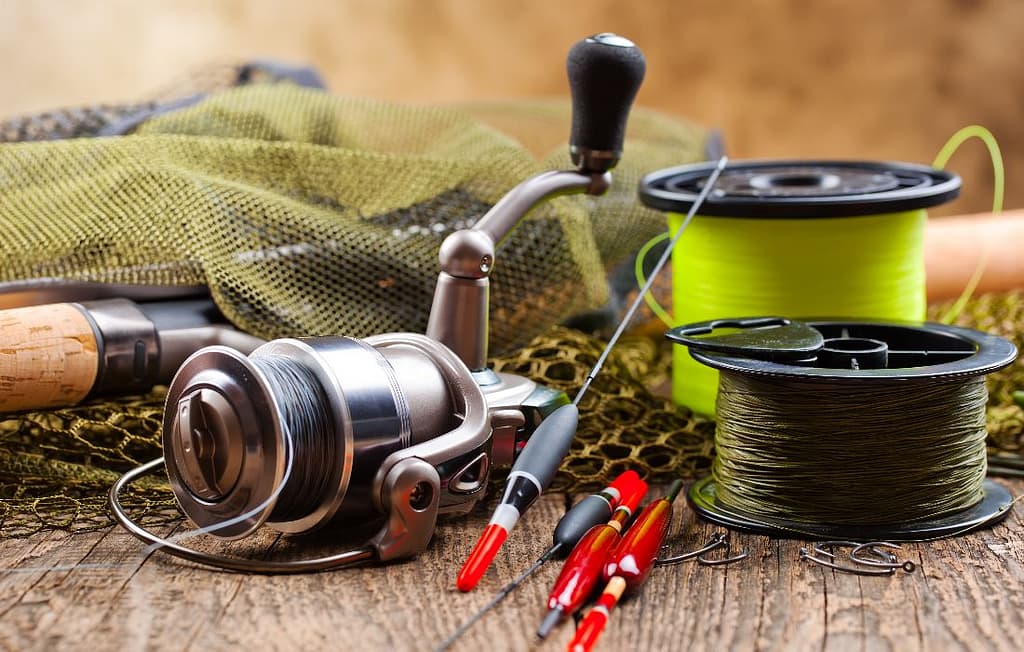
Are you unsure how much fishing line to put on your reel? Getting this right can make all the difference between a great catch and a frustrating day on the water.
Too little line, and you risk losing fish or having your line snap. Too much, and your reel might tangle or slow you down. You’ll discover the simple steps to find the perfect amount of fishing line for your reel.
By the end, you’ll feel confident and ready to cast with ease every time. Keep reading to master this essential fishing skill!
Choosing The Right Line Length
Choosing the right fishing line length on your reel helps improve your fishing experience. It affects casting, control, and how well you handle fish.
Knowing how much line to put on your reel depends on several factors. Understanding these will guide your choice for better fishing results.
Factors Influencing Line Length
Line length depends on the type of fishing you do and the reel you use. Other factors include the rod size and the water conditions.
- Type of fish targeted
- Reel and rod capacity
- Water depth and clarity
- Casting distance needed
- Line strength and diameter
Common Line Lengths For Different Fish
| Fish Type | Recommended Line Length | Line Strength (lbs) |
| Panfish | 100-150 yards | 4-8 |
| Trout | 150-200 yards | 6-10 |
| Bass | 150-250 yards | 10-20 |
| Saltwater Inshore | 200-300 yards | 15-30 |
| Saltwater Offshore | 300-500 yards | 30-50+ |
Balancing Line Capacity And Performance
Too much line on your reel can cause tangles and reduce casting distance. Too little line limits how far and deep you can fish.
Consider these tips for balance:
- Match line length to reel capacity to avoid overfilling.
- Choose line thickness that fits both length and strength needs.
- Replace line regularly to maintain performance.
- Test cast with your setup to find the best line amount.

Credit: www.reddit.com
Types Of Fishing Lines
Fishing lines come in different types, each with unique features. Choosing the right one depends on your fishing needs.
Understanding the properties of each line type helps you make informed decisions for better fishing experiences.
Monofilament Line Length Considerations
Monofilament lines are popular due to their flexibility and ease of use. The length you need varies based on your fishing location and target fish species.
- Shallow waters: 100-150 yards
- Deep sea fishing: 200-300 yards
- Lake fishing: 150-200 yards
Braided Line Capacity And Stretch
Braided lines offer high strength and low stretch. They fit more line on the reel due to their thin diameter.
| Line Strength | Typical Capacity (yards) |
| 20 lb | 300-400 |
| 30 lb | 250-350 |
| 50 lb | 200-300 |
Fluorocarbon Line Benefits And Limits
Fluorocarbon lines are nearly invisible underwater. They are great for clear waters but have limited stretch compared to monofilament.
Reel Capacity And Specifications
Fishing reels have limits on how much line they can hold. Knowing this helps you pick the right line and reel for fishing.
Reel capacity is shown on the reel. It tells you the length of line the reel can carry based on the line thickness.
Reading Reel Line Capacity Labels
Reel labels show line capacity in yards or meters. They list the length for different line strengths or diameters.
For example, a label may say 150 yards of 10-pound line. This means the reel holds 150 yards of line that can hold 10 pounds.
- Check the unit: yards or meters
- Look at line strength (pounds or kilograms)
- Note the line diameter if given
How Line Diameter Affects Capacity
Thicker lines take more space on the reel. This lowers the total length you can spool onto the reel.
Thinner lines fit more length on the reel. But they may not handle heavy fish well.
- Thicker line = less length on reel
- Thinner line = more length on reel
- Choose diameter based on fishing needs
Matching Line To Reel Size
Match your fishing line to the reel’s capacity. Do not exceed the reel’s max line length.
Use line strength and diameter that fits the reel and the fish you want to catch.
| Reel Size | Line Diameter | Recommended Line Length |
|---|---|---|
| Small | 0.10 mm – 0.15 mm | 100 – 150 yards |
| Medium | 0.15 mm – 0.25 mm | 150 – 250 yards |
| Large | 0.25 mm – 0.35 mm | 250 – 400 yards |

Credit: www.reddit.com
Casting Distance And Line Amount
Choosing the right amount of fishing line on your reel affects how far you can cast. Too little line limits your casting distance. Too much line can cause problems too.
Understanding the balance between line length and casting distance helps you fish better. This guide explains how line length impacts casting and how to avoid common mistakes.
Impact Of Line Length On Casting
The amount of line on your reel affects how far your lure can go. More line usually means longer casts. But too much line can cause tangles and reduce accuracy.
Shorter line can make casting easier but limits distance. Finding the right length for your reel size and rod type improves your fishing experience.
Avoiding Overfilling And Underfilling
Overfilling your reel makes line spill over the edges. This causes tangles and line breaks. It also reduces casting smoothness.
Underfilling leaves too little line, which lowers your casting distance. It also increases the chance of the line breaking under tension.
- Leave about 1/8 inch of space from the reel edge when filling.
- Check your reel’s recommended line capacity before adding line.
- Replace old line regularly to avoid weak spots.
Tips For Maximizing Casting Distance
Use the right line type and weight for your fishing rod. Thinner lines usually cast farther but may be weaker.
Keep your reel clean and spool the line evenly. This helps prevent snags and improves casting smoothness.
- Practice smooth and controlled casting motions.
- Use braided or low-stretch lines for longer casts.
- Check line tension regularly to avoid slack during casting.
Line Management Tips
Managing your fishing line well helps you catch more fish. It keeps your line strong and ready for any challenge.
Good line management also stops problems like tangles and twists. These tips will guide you to keep your fishing line in top shape.
Proper Spooling Techniques
Spooling your reel correctly prevents line damage and improves casting. Use the right amount of line and avoid overfilling the reel.
- Wet the line before spooling to reduce friction.
- Keep tension on the line as you spool it.
- Fill the reel spool to about 1/8 inch below the rim.
- Avoid wrapping line too loosely or too tight.
Preventing Line Twist And Tangles
Line twist causes casting problems and weak spots. You can stop this by using proper gear and handling the line with care.
| Cause | Prevention |
| Over-spooling | Keep line within spool limits |
| Reeling against the drag | Use smooth drag settings |
| Improper lure retrieval | Change retrieve speed and style |
| Using spinning reels incorrectly | Attach line properly to spool |
When To Replace Your Fishing Line
Fishing line wears out over time and use. Replace it to avoid losing fish or gear.
- After catching a large fish that strains the line.
- If the line shows nicks, cuts, or fraying.
- When the line feels stiff or brittle.
- At least once per season for regular anglers.
Special Situations And Adjustments
Choosing the right amount of fishing line on your reel depends on the fishing conditions. Different situations need different line lengths and types. This guide helps you adjust your setup for special cases.
By understanding these adjustments, you can improve your fishing experience and avoid line problems. Let’s explore some common special situations and how to handle them.
Fishing In Heavy Cover
Fishing in areas with thick weeds, logs, or rocks requires more line and stronger setups. You need extra line to pull fish out safely and avoid snags.
- Use a heavier line to resist abrasion.
- Add 20% more line than usual for extra length.
- Check your reel’s capacity to hold thicker lines.
- Consider braided lines for better strength and thinner diameter.
Saltwater Vs Freshwater Line Requirements
Saltwater fishing needs stronger and more line than freshwater fishing. Saltwater fish are often bigger and fight harder. Also, saltwater can wear down line faster.
| Fishing Type | Line Strength | Line Length on Reel |
| Freshwater | 6-12 lb test | 100-150 yards |
| Saltwater | 15-30 lb test | 200-300 yards |
Adjusting Line Length For Different Lures
The size and weight of your lure affect how much line you need. Heavier lures need longer casts, so more line helps. Lighter lures need less line to avoid tangles.
- Heavy lures: Add 10-15% more line for longer casts.
- Light lures: Use less line to keep control and reduce slack.
- Topwater lures: Keep moderate line length for quick response.
- Jigs and soft plastics: Adjust line length based on depth and cover.

Credit: mysterytacklebox.com
Frequently Asked Questions
How Much Fishing Line Fits On A Reel?
The amount varies by reel size and line diameter. Check the reel’s spool capacity label for exact length. Typically, reels hold 100 to 300 yards of line, depending on thickness and reel type.
Why Is Line Capacity Important For Fishing Reels?
Line capacity affects casting distance and fishing depth. Using the right amount prevents line tangles and reel damage. It ensures smooth retrieval and improves overall fishing performance.
How Do I Measure Fishing Line On My Reel?
Use a ruler or tape to measure visible line length. Alternatively, count the number of wraps on the spool multiplied by line circumference. This helps estimate remaining line accurately.
Can Too Much Line Harm My Fishing Reel?
Yes, overfilling causes line tangling and reel malfunction. It increases drag and reduces casting efficiency. Always fill the spool within recommended capacity for optimal performance.
Conclusion
Choosing the right amount of fishing line on your reel matters a lot. Too little line can limit your casting distance and fish fighting ability. Too much line may cause tangles and spool damage. Consider the type of fishing and reel size for best results.
Regularly check your line and replace it if worn out. Proper line length helps you catch more fish and enjoy fishing more. Keep it simple, and your reel will work better every time.