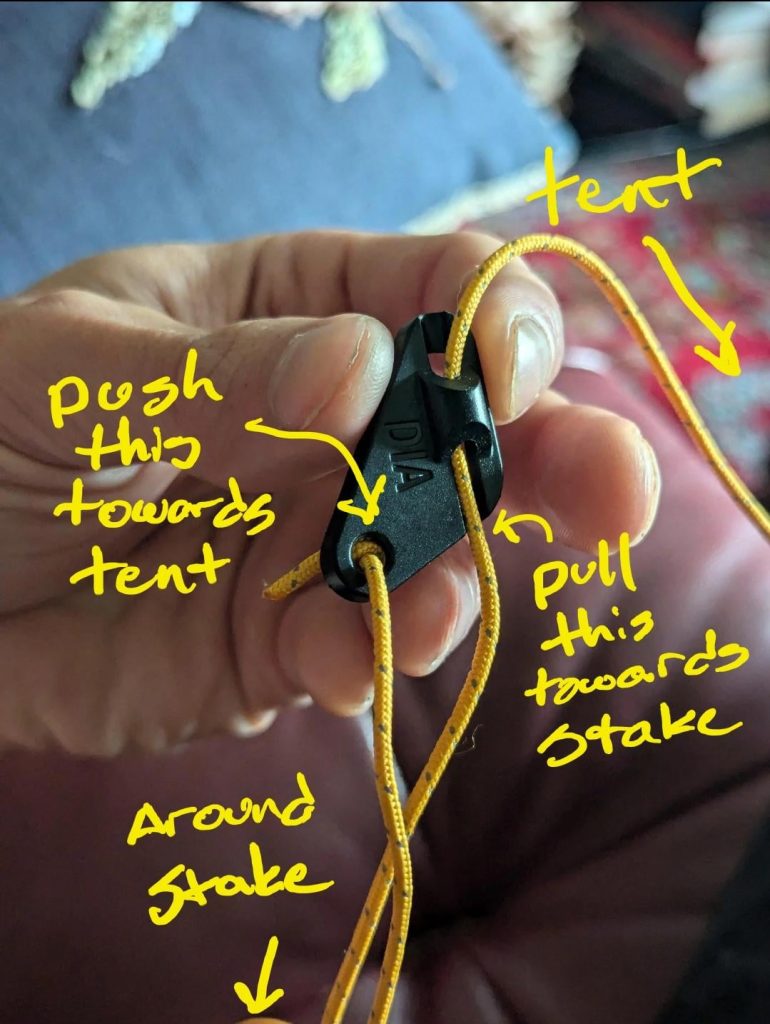
Tying tent guy lines the right way can make all the difference between a stable shelter and a frustrating, wobbly tent. If you want your tent to stand firm against wind and weather, learning the proper knots and techniques is essential.
In this guide, you’ll discover simple steps to secure your guy lines quickly and effectively. By mastering these tips, you’ll feel confident every time you set up camp, knowing your tent will stay put no matter what. Ready to make your camping experience safer and more comfortable?
Let’s get started!
Choosing The Right Guy Lines
Picking the right guy lines helps keep your tent steady. The right lines stop your tent from moving in wind or rain.
Good guy lines are strong, easy to tie, and visible at night. This guide explains what to look for.
Material Types
Guy lines come in many materials. Each type has its own strength and stretch features.
Nylon is strong and stretches a bit. Polyester stretches less and holds tight better. Polypropylene is light but less strong.
- Nylon: strong, stretchy, good for shock absorption
- Polyester: strong, low stretch, good for tight setup
- Polypropylene: lightweight, less durable, budget-friendly
Length And Thickness
Choose guy lines long enough to reach your stakes with extra slack. Too short lines cause tension problems.
Thickness affects strength and weight. Thicker lines are stronger but heavier. Thin lines save weight but may wear out faster.
- Length: at least 10 feet (3 meters) is common
- Thickness: 2 to 4 millimeters works well for most tents
- Adjust length for your tent size and setup area
Reflective Options
Reflective guy lines help you see tent lines at night. They reduce tripping accidents around your camp.
Some lines have reflective threads woven in. Others have clips or sleeves that reflect light for safety.
- Reflective lines increase visibility in dark camps
- They help prevent accidents and gear damage
- Choose reflective lines if you camp at night often

Credit: www.youtube.com
Essential Knots For Guy Lines
Tying tent guy lines properly is crucial for stability. Good knots ensure your tent stays secure. Learn these essential knots for a safe camping experience.
Taut-line Hitch
The taut-line hitch adjusts the tension on a rope. It is useful for securing tent lines. This knot is easy to adjust and holds firm under pressure.
- Wrap the rope around the anchor point.
- Make a loop around the standing line.
- Pass the end back through the loop.
- Tighten the knot by pulling on the standing line.
Trucker’s Hitch
The trucker’s hitch is great for creating tension. It is ideal for securing heavy loads or tightening tent lines. This knot uses a loop to leverage extra tension.
- Create a loop in the rope.
- Pass the rope through the loop.
- Pull to create tension.
- Secure with a half hitch.
Bowline Knot
The bowline knot forms a fixed loop at the end of a rope. It is simple to tie and untie, even after heavy use. This knot is reliable for tying guy lines to tent stakes.
- Make a small loop in the rope.
- Pass the end through the loop.
- Wrap the end around the standing line.
- Bring the end back through the loop and tighten.
Step-by-step Guy Line Setup
Tying tent guy lines keeps your tent stable in wind and rain. Proper setup helps your tent stand strong.
This guide explains how to attach guy lines, secure stakes, and adjust tension for best support.
Attaching Lines To Tent
Find the guy line loops or rings on your tent. These are usually near the tent’s corners or sides.
Attach the guy lines by tying a secure knot or clipping the line to the rings. Make sure the line is tight at this point.
- Use a bowline or taut-line hitch knot for a strong hold
- Check that the lines are not twisted
- Attach all lines before staking
Securing Stakes
Place stakes into the ground at an angle away from the tent. This gives better grip and holds the guy lines firm.
Push or hammer the stakes deep enough to prevent slipping. Soft or loose soil needs deeper stakes.
- Insert stakes 45 degrees from the guy line direction
- Use sturdy stakes for hard or rocky ground
- Check stake placement before tightening lines
Adjusting Tension
Pull the guy lines to remove slack. Proper tension keeps the tent fabric tight and stable.
Use adjustable knots or tensioners to change line tightness easily. Recheck tension after windy conditions.
- Tighten lines evenly on all sides
- Leave some flexibility to avoid tearing fabric
- Re-tighten lines if they loosen over time

Credit: www.reddit.com
Tips For Maintaining Stability
Keeping your tent stable is important for safety and comfort. Properly tied guy lines help your tent stand firm. This guide shares tips to maintain stability effectively.
Focus on picking strong anchor points, checking line tension often, and considering weather conditions. These steps will keep your tent secure.
Choosing Anchor Points
Select anchor points that are solid and steady. Trees, large rocks, or sturdy ground stakes work well. Avoid loose soil or weak surfaces.
- Pick points that keep lines at a wide angle from the tent
- Use natural features like trees if available
- Ensure stakes are driven deep into firm ground
- Check that anchors will not move under tension
Checking Line Tension
Proper tension keeps your tent stable and prevents sagging. Adjust guy lines to keep them tight but not too tight.
| Tension Level | Effect on Tent |
|---|---|
| Too Loose | Tent may sag or flap in the wind |
| Proper Tension | Tent holds shape and resists wind |
| Too Tight | May damage tent fabric or poles |
Weather Considerations
Adjust your guy lines based on weather. Wind, rain, and snow affect stability differently.
- In strong wind, tighten lines and check anchors frequently
- During rain, ensure lines keep tent taut to avoid water pooling
- Clear snow off regularly to reduce weight on the tent
- Loosen lines in hot weather to prevent fabric stress
Common Mistakes To Avoid
Tying tent guy lines correctly keeps your tent stable. Many campers make simple errors that cause problems.
Avoid these common mistakes to keep your tent secure in any weather.
Using Weak Knots
Weak knots can slip or come undone easily. This makes your tent unstable and unsafe.
Choose strong knots like the taut-line hitch or bowline. These knots hold tight under tension.
- Avoid simple overhand knots for guy lines
- Test knots by pulling hard before use
- Practice tying knots until you do it right
Incorrect Line Angles
Guy lines need the right angle to hold tension well. Lines too close or too far from the tent cause weak support.
Place stakes about 45 degrees from the tent. This angle gives the best balance of tension and stability.
- Lines too vertical can pull out stakes
- Lines too flat reduce tension
- Keep lines tight but not overly stretched
Neglecting Regular Checks
Guy lines can loosen over time. Wind, rain, and temperature changes affect line tension.
Check your guy lines often. Tighten them if they feel loose to keep your tent steady.
- Inspect lines after strong winds
- Retighten lines during long trips
- Replace worn or frayed lines promptly

Credit: www.reddit.com
Frequently Asked Questions
How Do You Tie A Tent Guy Line Securely?
To tie a tent guy line securely, use a taut-line hitch knot. It allows easy adjustment and holds tension well. Wrap the line around the stake, then create loops around the standing part. Tighten to keep the tent stable in wind.
What Is The Best Knot For Tent Guy Lines?
The taut-line hitch is the best knot for tent guy lines. It is adjustable and reliable under tension. This knot keeps your tent stable and easy to adjust during camping. It prevents slipping, ensuring your tent stays firmly anchored.
How Tight Should Tent Guy Lines Be?
Tent guy lines should be firm but not overly tight. Tight lines stabilize the tent and prevent flapping. However, avoid overtightening to prevent fabric damage. Adjust lines so the tent remains taut and secure, especially in windy conditions.
Why Are Tent Guy Lines Important?
Tent guy lines add extra stability to your tent. They prevent swaying and collapse in wind or rain. Properly tied guy lines improve tent durability and comfort. They also help maintain the tent’s shape and prevent fabric stress.
Conclusion
Tying tent guy lines keeps your tent stable and safe. Use simple knots that hold tight and stay secure. Practice a few times before your trip to feel confident. Check your lines regularly during camping to prevent slack or tangles.
Strong guy lines help your tent stand firm in wind or rain. This small skill makes camping more comfortable and less stressful. Keep your tent steady, enjoy your time outdoors.