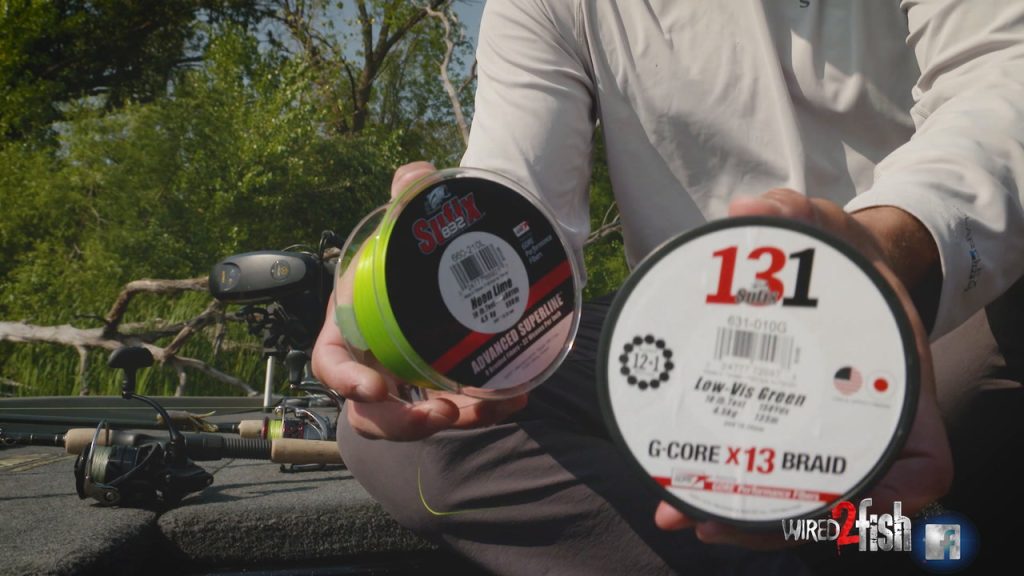
Have you ever wondered if the color of your fishing line really makes a difference? You might think it’s just about looks, but the truth is, the right color can change your fishing game completely.
Choosing the perfect line color can help you catch more fish and avoid spooking them away. You’ll discover why color matters, how to pick the best one for your fishing spot, and simple tips that can boost your success on the water.
Keep reading—you’ll never look at your fishing line the same way again.
Line Color Basics
The color of fishing line can affect your success on the water. Choosing the right color helps you stay hidden from fish. It also helps you see your line better while fishing.
Understanding how line colors work is important. It depends on the water and how fish see colors. Let’s explore these details.
Common Fishing Line Colors
Fishing lines come in many colors. Some colors blend with water. Others are easy to see for anglers. Here are common colors used:
- Clear or transparent
- Green
- Blue
- Fluorescent yellow
- Brown or tan
- Camouflage patterns
How Fish See Colors
Fish see colors differently than humans. Many fish see well in blue and green light. They may not see red or yellow as clearly. Light changes with depth and water type.
| Color | Visibility to Fish |
| Clear | Hard to see |
| Green | Blends in well |
| Blue | Visible in deep water |
| Yellow | Visible near surface |
| Red | Fades quickly with depth |
Impact Of Water Clarity
Water clarity changes how line color works. Clear water needs less visible lines. Murky water calls for brighter or high-visibility lines. These help anglers see the line better.
Water Clarity and Line Color Guide:
- Clear Water:Use clear or green lines.
- Stained Water:Use green or blue lines.
- Murky Water:Use bright yellow or fluorescent lines.
- Night Fishing:Use glow-in-the-dark or high-visibility lines.
Choosing Line Color By Water Type
Choosing the right fishing line color can improve your catch rate. Different water types require different line colors for success.
Understanding the water type helps you select the best line color. This can make your fishing experience more enjoyable and effective.
Clear Water Strategies
In clear water, fish can easily see the line. Using a less visible line color is important to avoid scaring them away.
Colors like light blue or clear are good choices. These colors blend in with the water, making them less noticeable to fish.
Murky And Stained Water Tips
In murky or stained water, visibility is low. Here, the line color can be more vibrant without scaring fish.
Bright colors such as green or yellow work well. They help you see the line better while fishing.
- Green lines are good in algae-filled waters
- Yellow lines are visible in brownish water
Saltwater Line Colors
Saltwater fishing often involves deeper waters. The line color should match the ocean’s hues.
Blue and clear lines are ideal for saltwater. They blend with the ocean, making them less visible to fish.
| Water Type | Recommended Line Color |
| Clear Water | Light Blue, Clear |
| Murky Water | Green, Yellow |
| Saltwater | Blue, Clear |
Line Color And Fish Species
The color of your fishing line can affect your catch. Fish see colors differently underwater. Choosing the right line color helps you catch more fish.
Each fish species reacts to colors in unique ways. Knowing these preferences can improve your fishing success.
Color Preferences Of Popular Game Fish
Many popular fish have color preferences for fishing lines. Some prefer lines that blend with water, while others respond to visible colors.
- Trout:Prefer clear or green lines that blend with rivers.
- Bass:Often attracted to darker or camo colors in murky waters.
- Salmon:Do well with bright lines like pink or orange in deep water.
- Panfish:React to light colors like yellow or light green.
- Walleye:Prefer low visibility lines like fluorocarbon.
Matching Line Color To Fish Behavior
Fish behavior changes by water clarity and light. Matching line color to these factors helps avoid spooking fish.
| Water Condition | Best Line Color | Reason |
| Clear Water | Clear or light green | Line blends with water, less visible to fish |
| Murky Water | Dark green or brown | Line matches water color and hides better |
| Deep Water | Bright colors (orange, pink) | Helps angler see line; fish see less color |
| Low Light | Fluorescent colors | Improves line visibility for angler |

Credit: fishingbooker.com
Line Color And Fishing Techniques
The color of fishing line plays a key role in catching fish. Different colors work better with certain fishing styles and water conditions.
Choosing the right color helps reduce line visibility and improves your chances of a catch. Let’s look at how line colors match various fishing techniques.
Topwater Fishing Line Colors
Topwater fishing needs line colors that blend with the water surface and sky. Anglers often choose colors that reduce glare and keep the line hidden from fish.
- Clear or light blue lines work well in calm, clear water.
- Green lines blend with plants near the surface.
- Fluorescent lines help anglers see the line in low light.
Deepwater And Bottom Fishing Colors
For deepwater and bottom fishing, line color depends on water depth and clarity. Darker colors usually work better in deep or murky water.
| Water Condition | Recommended Line Color |
| Deep Clear Water | Blue or Green |
| Deep Murky Water | Dark Green or Brown |
| Bottom Fishing in Muddy Water | Brown or Camouflage |
Fly Fishing Line Choices
Fly fishing lines come in many colors. The choice depends on visibility for the angler and stealth for the fish.
Fly fishing anglers often use these color strategies:
- Bright colors for easy line tracking above water
- Natural earth tones to avoid spooking fish
- Colored tips to control casting distance
Additional Factors Affecting Line Visibility
The color of fishing line is not the only thing that changes how visible it is in water. Several other factors also affect how fish and anglers see the line.
Understanding these factors helps anglers choose the right line for different fishing conditions and improve their chances of catching fish.
Light Conditions And Time Of Day
Light changes a lot during the day. Early morning and late evening have less light, making lines harder to see. Bright midday sun can reflect off the line, making it more visible.
Water also affects light. Clear water lets more light pass through, while murky water blocks light and hides the line better.
- Low light means less line visibility
- Bright light can cause glare on the line
- Water clarity changes how light travels
- Shadows and reflections affect what fish see
Line Material And Transparency
Fishing lines come in many materials like nylon, fluorocarbon, and braided fibers. Each has different transparency and light reflection properties.
Fluorocarbon is more transparent underwater, making it less visible to fish. Braided lines are stronger but more visible because of their texture and color.
- Nylon lines are flexible but can be visible in clear water
- Fluorocarbon lines blend well with water
- Braided lines show more due to fibers and color
- Transparency helps reduce line visibility
Angler’s Perspective Vs. Fish Perspective
Anglers see the fishing line from above the water. Fish see the line from below or inside the water. This changes how visible the line is to each.
Fish see light differently underwater. Some lines look clear to anglers but stand out to fish. Picking a line means thinking about both views.
- Anglers need to see the line for control
- Fish need the line to be hard to see
- Water surface changes light angle for both
- Choose line color and type for a balance

Credit: www.youtube.com
Tips For Selecting The Right Line Color
Choosing the right color for your fishing line can affect your success on the water. The color helps the line blend with the surroundings or stand out for better control.
It is important to test colors and match them with lures and seasonal conditions to improve your fishing experience.
Testing Line Colors Before Fishing
Test different line colors in the water before you start fishing. Look at how each color reacts under sunlight and water clarity.
- Take small samples of various line colors.
- Cast each color into the water and watch its visibility.
- Note which colors are hard to see from above the water.
- Choose the color that is less visible to fish in your fishing spot.
Combining Line Colors With Lures
Matching your line color with the lure can improve your catch rate. The right combination makes the lure look natural to fish.
| Line Color | Lure Color | Best Use |
| Clear | Bright or natural colors | Clear water and sunny days |
| Green | Green, brown, or yellow | Weedy or murky water |
| Blue | Blue or silver | Deep or open water |
| Brown | Earth tones | Dark or stained water |
Adjusting Line Color For Seasonal Changes
Seasonal changes affect water clarity and light. Adjust your line color to match these changes for better fishing results.
- Use lighter colors in spring and summer when water is clear.
- Switch to darker lines in fall and winter when water is stained.
- Change line color if weather or water conditions change suddenly.
- Keep extra spools of different colors to adapt quickly.
Credit: reactiontackle.com
Frequently Asked Questions
Does Fishing Line Color Affect Fish Bites?
Yes, line color can impact fish bites. Clear or green lines blend well in water. Bright lines may scare fish in clear waters. Choose line color based on water clarity and fish behavior for better results.
Which Fishing Line Color Works Best In Clear Water?
In clear water, transparent or light green lines work best. They are less visible to fish. This increases your chances of attracting bites. Avoid bright colors as they can spook fish in clear conditions.
Is Bright-colored Fishing Line More Visible To Fish?
Yes, bright-colored lines are more visible underwater. They can deter cautious fish in clear water. However, bright lines help anglers see their line easily. Use bright colors in murky water or low light for better visibility.
Can Fishing Line Color Affect Casting Distance?
Fishing line color does not directly affect casting distance. Line material and thickness have more impact. Choose color based on fishing conditions, not casting performance.
Conclusion
Choosing the right fishing line color can help you catch more fish. Fish see colors differently in water. Clear or light lines work well in clear water. Darker lines may blend better in murky water. Think about the water type and weather when picking.
The color can affect how visible your line is to fish. Experiment with colors to find what works best for you. Small changes can make a big difference on your fishing trips. Try different colors and see what catches more fish.
Keep it simple and enjoy your time fishing.