Setting up your fishing rod the right way can make all the difference between a frustrating day and an exciting catch. If you’ve ever felt overwhelmed by all the parts or unsure where to start, this guide is made just for you.
By following simple, clear steps, you’ll learn how to prepare your rod quickly and confidently. Imagine the satisfaction of casting your line perfectly every time—keep reading, and you’ll find out exactly how to make that happen.
Credit: www.texaskayakfisher.com
Choose The Right Rod And Reel
Picking the correct fishing rod and reel is key to a fun fishing trip. The right gear helps you catch fish with less trouble.
This guide explains how to match your rod to your fishing style and select the best reel type for your needs.
Match Rod To Fishing Style
Different fishing styles need different rods. Choose a rod that fits the type of fish and water you will fish in.
- Light Rods: Good for small fish and calm waters.
- Medium Rods: Best for general fishing with medium-sized fish.
- Heavy Rods: Needed for big fish and strong currents.
- Spinning Rods: Easy to use and good for beginners.
- Baitcasting Rods: Provide better control for skilled anglers.
Select Suitable Reel Type
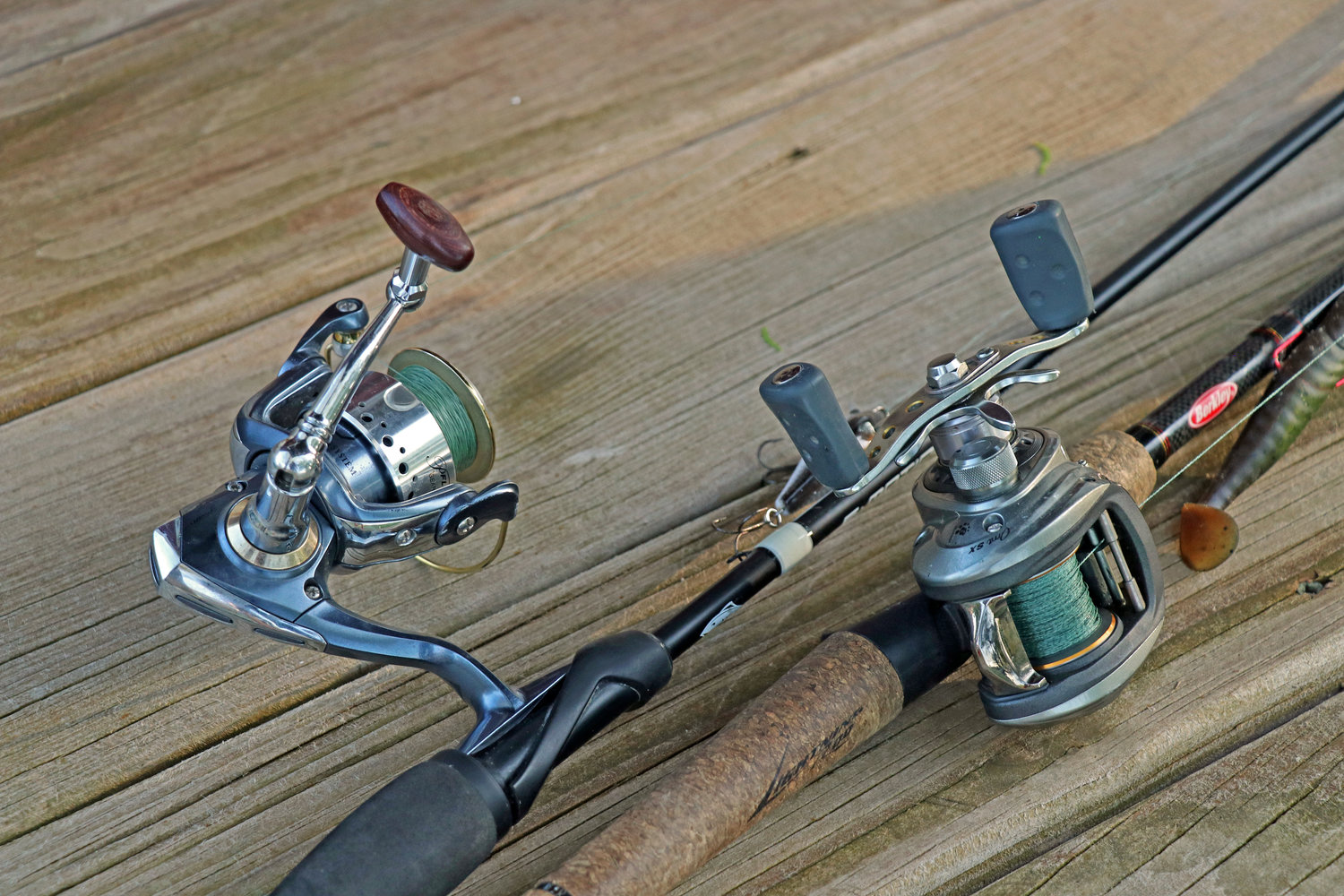
Reels come in different types. Pick one that works well with your rod and fishing style.
| Reel Type | Best For | Advantages |
| Spinning Reel | Light to medium fishing | Easy to cast, good for beginners |
| Baitcasting Reel | Heavy fishing, precise casting | High control, strong drag system |
| Spincast Reel | Beginners and kids | Simple design, low chance of tangles |
| Fly Reel | Fly fishing | Lightweight, smooth drag |

Credit: www.youtube.com
Attach The Reel To The Rod
Attaching the reel to the fishing rod is an important step. It helps you cast and catch fish easily.
Follow simple steps to secure the reel properly. This will keep your fishing setup safe and ready.
Align Reel Seat
Start by placing the reel foot into the reel seat on the rod. Make sure it fits well.
The reel seat has two parts that hold the reel foot. Align them so the reel stays straight with the rod.
- Check that the reel foot matches the seat size
- Place the reel foot between the seat’s locking rings
- Keep the reel straight with the rod guides
Secure Reel Firmly
Tighten the reel seat rings or screws to hold the reel firmly. Do not leave it loose.
Make sure the reel does not move or wobble. A tight reel helps you control your fishing line better.
- Turn the locking ring clockwise to tighten
- Check the reel is stable by trying to move it
- Retighten if the reel shifts or feels loose
Spool The Fishing Line
Spooling the fishing line is a key part of setting up your fishing rod. It ensures smooth casting and prevents line tangles.
Follow the right steps to select the correct line, load it properly onto the reel, and check the tension before you start fishing.
Select Appropriate Line
Choose a fishing line that matches your rod and the type of fish you want to catch. Different lines have different strengths and thicknesses.
- Monofilament lines are good for beginners and general fishing.
- Fluorocarbon lines are less visible underwater and good for clear water.
- Braid lines offer high strength and low stretch for heavy fishing.
Load Line Onto Reel
Attach the line to the reel spool securely. Make sure to spool the line tightly and evenly to avoid tangles and knots.
- Thread the line through the rod guides starting from the tip.
- Tie the line to the reel spool using an arbor knot.
- Hold the line tight and start reeling slowly to spool it evenly.
- Fill the spool leaving about 1/8 inch of space from the spool edge.
Check Line Tension
Check the tension on the line while spooling. Too loose or too tight line can cause problems while fishing.
| Tension Level | Effect |
| Too Tight | Line may snap under pressure |
| Too Loose | Line may tangle or slip off spool |
| Correct | Line stays secure and casts smoothly |
Thread The Line Through Guides
Setting up a fishing rod is essential for a good fishing experience. One important step is threading the line through the guides. This ensures the line flows smoothly when casting and reeling in.
Follow these simple steps to correctly thread your fishing line through the guides of your rod. It will help improve your fishing efficiency.
Start From The Rod Tip
Begin threading the line at the tip of the fishing rod. This is the smallest guide located at the farthest end of the rod.
Hold the line and carefully insert it through the guide at the tip. Make sure the line is not tangled or twisted as this can affect your casting.
Pass Line Through All Guides
After the tip, continue threading the line through each guide on the rod. Guides are small rings attached to the rod.
Ensure the line passes through the center of each guide. This helps in maintaining tension and control over the line when you fish.
- Check each guide for any obstructions
- Keep the line taut to avoid tangles
- Double-check if the line is smooth through all guides
Tie The Hook And Lures
Tying hooks and lures correctly is important for fishing success. A secure tie keeps your gear from slipping off.
Good knots and strong attachments help you catch more fish and avoid losing your tackle.
Choose Effective Knots
Pick knots that are strong and easy to tie. They should hold tight under pressure and not slip.
The improved clinch knot and Palomar knot work well for most fishing lines and hooks.
- Improved clinch knot: simple and reliable for monofilament lines
- Palomar knot: strong and easy, good for braided lines
- Loop knot: lets lures move naturally in the water
Attach Hooks And Lures Securely
Make sure hooks and lures are fastened tightly to avoid losing them during casting or fighting fish.
Check the knot after tying and trim excess line to prevent tangles and weak spots.
- Thread the line through the hook eye properly
- Tighten knots slowly and evenly
- Test the knot by pulling hard before fishing
- Use split rings to connect lures if needed
Set The Drag System
The drag system controls how much resistance a fish feels when it pulls on the line. Setting it correctly helps prevent the line from breaking. This guide shows how to adjust the drag for different fish and test the tension.
Proper drag setting improves your chances of landing fish safely. It also protects your rod and reel from damage.
Adjust Drag For Fish Type
Different fish need different drag settings. Use lighter drag for small fish and stronger drag for big fish. This stops the fish from breaking your line or pulling too hard.
- Small fish (up to 5 lbs): Set drag to 10-15% of line strength.
- Medium fish (5-15 lbs): Set drag to 15-25% of line strength.
- Large fish (over 15 lbs): Set drag to 25-35% of line strength.
Test Drag Tension
Testing drag tension ensures it works properly before fishing. You can test it by pulling the line by hand or using a scale to measure the force.
| Test Method | How to Do It | What to Look For |
| Hand Pull | Pull line gently from the reel | Line should slip smoothly without too much force |
| Drag Scale | Attach scale to line and pull | Force matches your drag setting percentage |
| Rod Test | Hold rod and pull line | Drag resists but allows some line to slip |
Practice Casting Techniques
Learning to cast your fishing rod well takes practice. Good casting helps you place your lure where fish are.
Try different casting styles to find what works best. Practice often to improve your skills and enjoy fishing more.
Master Basic Casts
Start with simple casts to build your confidence. The basic overhead cast is a good place to begin.
Hold the rod firmly and bring it back smoothly. Then, flick it forward to release the line and lure.
- Keep your wrist steady during the cast
- Practice a smooth motion without jerking
- Watch the line as it flies out
- Adjust the force depending on distance
Improve Accuracy And Distance
Focus on where you want your lure to land. Aim carefully to avoid snags or obstacles.
To cast farther, use a longer, smooth stroke. Let the rod bend to add power to the throw.
- Practice casting to specific targets like a float or stick
- Use a steady rhythm to increase distance
- Check your line for smooth release
- Keep your eyes on the lure as it lands

Credit: www.youtube.com
Frequently Asked Questions
How Do I Choose The Right Fishing Rod For Beginners?
Choose a rod based on your fishing style and target fish. Beginners benefit from medium-action rods for versatility. Consider rod length between 6 to 7 feet for easy handling. Lightweight rods reduce fatigue and improve casting accuracy.
What Are The Basic Steps To Set Up A Fishing Rod?
Start by attaching the reel securely to the rod. Thread the fishing line through the guides from tip to base. Tie the appropriate knot to secure the hook or lure. Adjust the drag system to control line tension during fishing.
How Do I Properly Thread The Fishing Line On A Rod?
Pull the line from the reel spool. Pass it through each guide, starting from the rod tip. Ensure the line runs smoothly without twisting. Finally, tie your hook or lure securely to the line’s end.
How To Adjust The Drag On A Fishing Reel?
Turn the drag knob clockwise to increase resistance. Turn it counterclockwise to decrease tension. Proper drag settings prevent line breakage when a fish pulls. Test drag by pulling the line manually for smooth resistance.
Conclusion
Setting up a fishing rod is easier than it seems. Follow each step with care and patience. Choose the right line and attach the reel tightly. Tie your hooks and lures firmly to avoid losing fish. Check your rod’s guides for smooth line flow.
Practice casting a few times before fishing. This simple process helps you enjoy fishing more. Soon, you will feel confident and ready to catch fish. Keep your gear clean and well-maintained for best results. Enjoy the calm and fun that fishing brings!