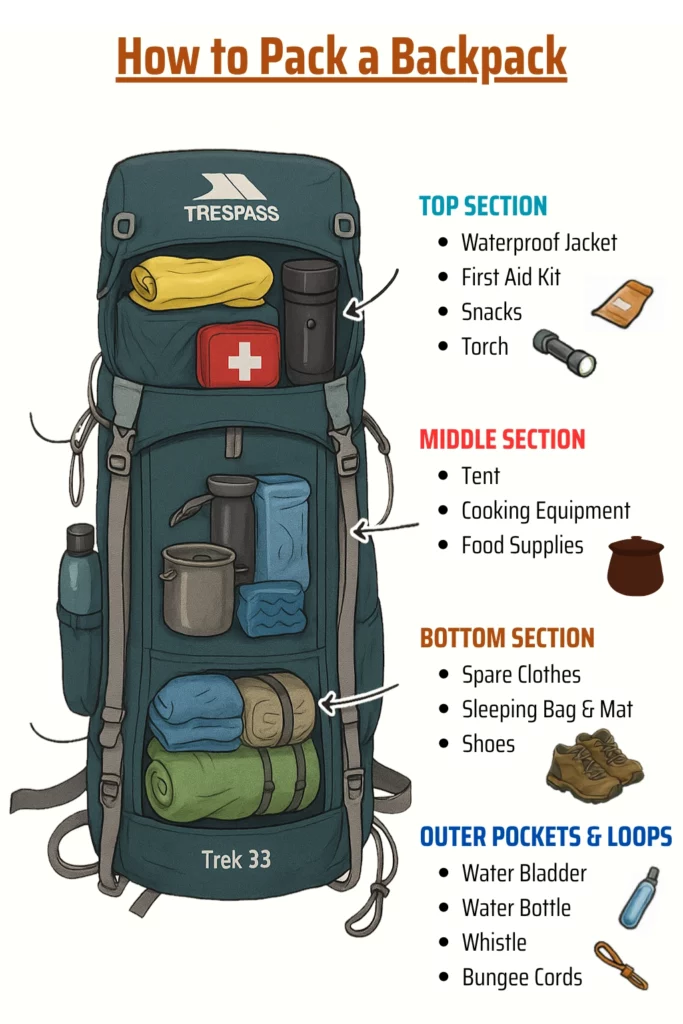
Packing your hiking pack the right way can make all the difference between an exhausting trek and an enjoyable adventure. If you’ve ever struggled with a heavy, awkward backpack that throws off your balance or leaves you tired before you even hit the trail, this guide is for you.
You’ll learn simple, smart packing tips that save space, keep your gear organized, and make carrying your pack feel almost effortless. Keep reading, and discover how to pack your hiking pack so you can focus on the trail ahead—not on your shoulders.
Choosing The Right Pack
Picking the right hiking pack is key for a good trip. The pack must hold your gear safely and feel good on your back.
Focus on size, fit, and features to find the best pack for your needs. This guide covers these points clearly.
Pack Size And Capacity
Choose a pack size based on how long your hike will be. Day hikes need smaller packs. Overnight trips need bigger ones.
- Day hikes: 15 to 30 liters
- Weekend trips: 30 to 50 liters
- Multi-day hikes: 50 liters or more
Fit And Comfort
A good fit stops pain and helps carry weight well. Look for adjustable straps and padded areas.
| Fit Factor | Why It Matters |
| Shoulder Straps | Distribute weight and reduce pressure |
| Hip Belt | Supports most weight on hips |
| Back Panel | Allows airflow and cushions back |
| Adjustability | Custom fit for your body size |
Features To Look For
Extra features add comfort and ease. Choose packs with useful pockets and easy access points.
- Hydration reservoir sleeve for water packs
- Multiple compartments to organize gear
- Compression straps to keep load tight
- Attachment loops for tools like trekking poles
- Rain cover to protect from wet weather
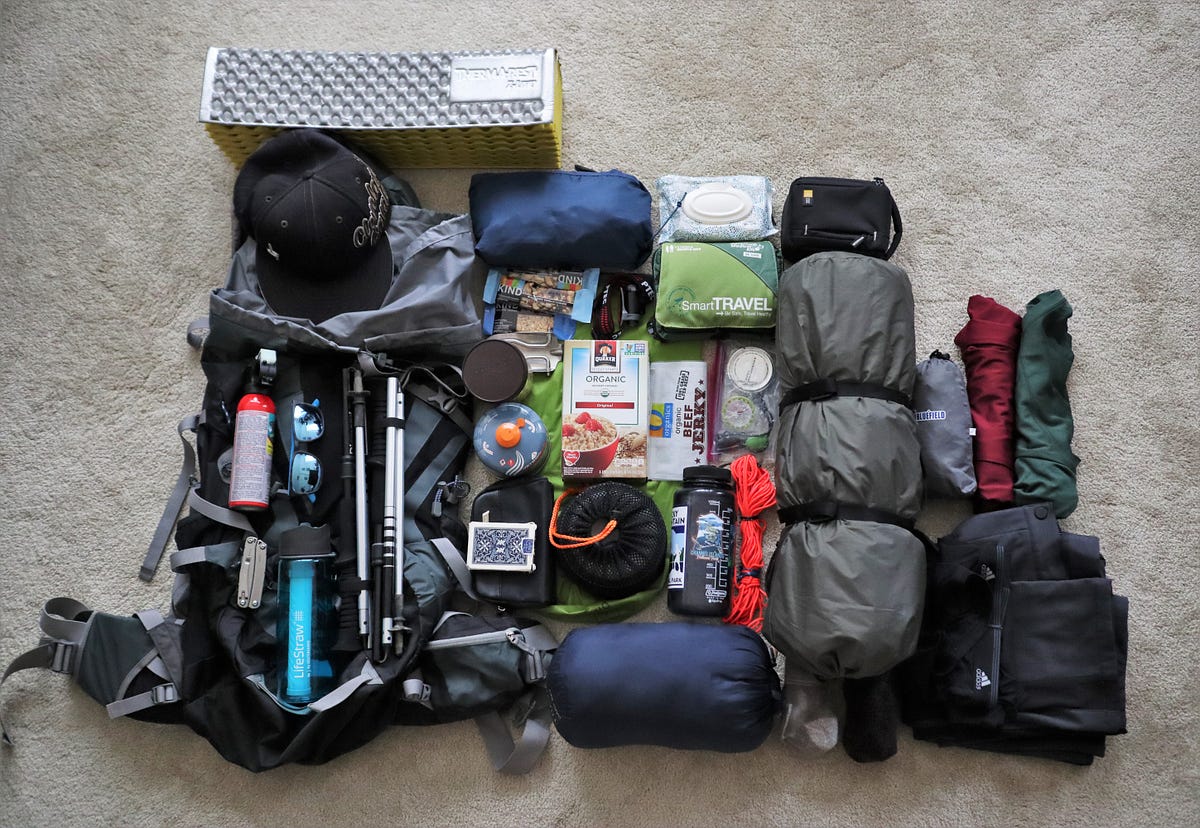
Credit: pangolinswithpacks.com
Selecting Lightweight Gear
Hiking with a heavy pack can be exhausting. Choosing lightweight gear helps you move easily. It is important to pack smartly for a better hiking experience.
Carrying less weight saves energy and reduces strain. Focus on selecting gear that serves multiple purposes without adding bulk.
Essentials Only
Pack only what you need for the hike. Essentials should take priority in your backpack. Avoid items that add unnecessary weight.
- Water and food
- First-aid kit
- Weather-appropriate clothing
- Navigation tools
- Emergency shelter
Multi-purpose Items
Choose items that serve more than one function. This reduces the number of things you need to carry. It makes your pack lighter and more efficient.
- Convertible pants
- Multi-tool knife
- Sleeping bag liner for warmth and cleanliness
- Lightweight tarp for shelter and ground cover
Material Choices
Materials affect the weight of your gear. Opt for lightweight, durable materials. They can withstand tough conditions and reduce pack weight.
- Aluminum or titanium cookware
- Silnylon or Dyneema for tents
- Merino wool clothing for warmth
- Carbon fiber trekking poles
Packing Techniques
Packing a hiking pack correctly helps you carry your gear comfortably. It also keeps your items safe and easy to find.
Good packing techniques save space and balance the weight. This makes your hike easier and more enjoyable.
Weight Distribution
Place heavy items close to your back and near the middle of your pack. This helps keep your balance and reduces strain.
Lighter items should go at the top and outside parts of the pack. Avoid putting all the weight at the bottom or far from your back.
- Keep heavy gear like water and food near your spine
- Light clothes and sleeping bags go on top or outside
- Distribute weight evenly to avoid leaning to one side
Accessibility Priorities
Put items you need often in easy-to-reach places. This saves time and avoids unpacking the whole bag.
Keep things like snacks, maps, and rain gear in outer pockets or near the top of your pack.
- Store snacks in side pockets for quick access
- Keep rain jackets in top compartments
- Place maps and first aid kits in front or outer pockets
Using Compression Bags
Compression bags help reduce the size of bulky items like sleeping bags and clothes. They make your pack lighter and neater.
Squeeze air out of the bag before sealing it. This makes your gear take up less space and keeps it protected from moisture.
- Use compression bags for bulky clothes and sleeping bags
- Remove air slowly and press firmly to reduce volume
- Place compressed bags near the bottom or middle of your pack
Credit: www.reddit.com
Organizing Your Pack
Organizing your hiking pack helps you carry everything you need comfortably. A well-packed bag balances weight and keeps items easy to find.
Good organization also protects your gear and makes your hike safer and more enjoyable.
Layering Items
Place heavy items close to your back and near the center of the pack. This keeps your balance steady on rough trails.
Light and bulky items go on top or at the sides. Use soft items like clothes to cushion fragile gear inside.
- Heavy gear near your spine
- Medium weight in the middle
- Light gear on top and edges
- Soft layers to protect delicate items
Securing Fragile Gear
Fragile items need extra care to avoid damage on the trail. Pack them in the center, surrounded by soft layers.
| Fragile Item | Protection Method |
| Camera | Wrap in a fleece jacket |
| Glasses | Store in a hard case inside the pack |
| Electronics | Use padded compartments or cases |
| Water Bottle | Place in side pockets with padding |
External Attachment Tips
Attach items like trekking poles or sleeping pads outside your pack. Use straps and loops to secure them tightly.
Follow these tips for safe external attachments:
- Keep heavy items low to maintain balance
- Use shock cords or bungee straps for flexibility
- Check attachments regularly for tightness
- Cover items with rain protection if needed
Safety And Emergency Items
Packing the right safety and emergency items helps you stay safe on the trail. Always be prepared for unexpected situations.
Carrying these items can make a big difference in case of injury or getting lost. Keep them easy to reach in your hiking pack.
First Aid Kit Essentials
A first aid kit treats minor injuries and helps prevent infections. Include items that cover cuts, scrapes, and sprains.
- Adhesive bandages in various sizes
- Antiseptic wipes and ointment
- Gauze pads and medical tape
- Elastic bandage for sprains
- Tweezers and scissors
- Pain relievers like ibuprofen
- Allergy medication if needed
- Disposable gloves for hygiene
Navigation Tools
Navigation tools help you find your way and avoid getting lost. Carry reliable devices and maps for your route.
- Topographic map of your hiking area
- Compass for direction finding
- GPS device or smartphone with GPS app
- Extra batteries or power bank
- Whistle to signal for help
Emergency Shelter Options
Emergency shelters protect you from bad weather and cold. Choose lightweight and compact options that fit your pack.
- Lightweight emergency blanket or bivy sack
- Compact tent or tarp
- Plastic poncho for rain protection
- Extra warm clothing layers
- Sleeping bag or insulated pad if space allows

Credit: www.backcountry.com
Final Checks Before The Trail
Before you start your hike, make sure your pack is ready. Final checks help avoid problems on the trail.
Checking weight, comfort, and fit keeps you safe and makes hiking easier.
Weight Assessment
Check the total weight of your pack. It should not be too heavy to carry for long hours.
Try lifting the pack to see if it feels balanced. Heavy items should be close to your back.
- Keep weight under 20% of your body weight
- Place heavy gear near the center
- Distribute weight evenly on both sides
Comfort Test
Wear the pack and walk around for a few minutes. Notice any pain or pressure points.
If you feel discomfort, adjust the contents or padding. Comfort helps prevent injuries.
- Check for rubbing on shoulders and hips
- Make sure padding cushions key areas
- Test with your hiking shoes on
Adjusting Straps And Fit
Tighten or loosen straps to fit your body shape well. Straps keep the pack stable on your back.
Adjust shoulder, chest, and hip straps for even support. A good fit stops the pack from moving.
- Shoulder straps should be snug but not tight
- Chest strap keeps shoulder straps in place
- Hip belt carries most of the pack weight
Frequently Asked Questions
How Do I Organize Items In A Hiking Pack?
Start with heavy items near your back and centered. Pack frequently used gear in accessible pockets. Use compression sacks to save space. Balance weight evenly for comfort and stability.
What Essentials Should I Pack For A Day Hike?
Bring water, snacks, a first-aid kit, map, and weather-appropriate clothing. Add sunscreen, insect repellent, and a multi-tool. Always pack extra layers in case of weather changes.
How Can I Reduce Weight In My Hiking Pack?
Choose lightweight gear and multi-use items. Limit food and water to necessary amounts. Avoid packing non-essential items. Use compression bags to minimize bulk and improve comfort.
When Should I Pack My Hiking Pack Before The Trip?
Pack your hiking pack the night before. This gives time to double-check essentials. It reduces stress on the day of your hike. You can make adjustments if needed.
Conclusion
Packing a hiking pack well makes your trip easier and safer. Keep your gear organized and balanced. Place heavy items close to your back for comfort. Remember to pack only what you need. Test your pack before you leave. A well-packed bag lets you enjoy nature more.
Ready for your next adventure? Just follow these simple steps to pack smart. Happy hiking!