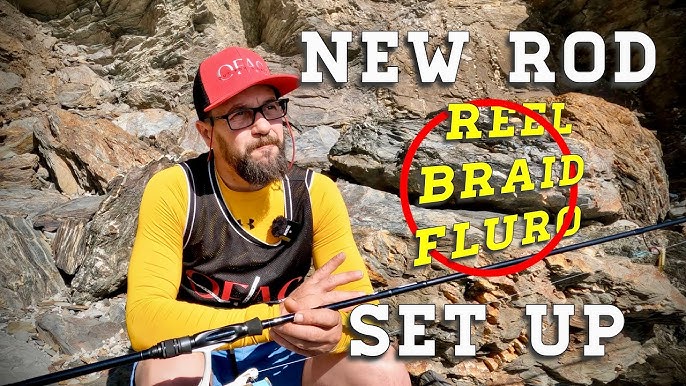
Getting your new fishing rod ready can feel tricky if you’re not sure where to start. But setting it up right is the key to a great fishing experience.
Imagine casting your line smoothly and feeling the thrill of a catch without any hassle. In this guide, you’ll learn simple, step-by-step instructions to set up your fishing rod quickly and confidently. Whether you’re a beginner or just need a refresher, by the end, you’ll be ready to hit the water and enjoy your time fishing like a pro.
Keep reading—your perfect fishing day starts here!

Credit: fishingbooker.com
Choosing The Right Rod And Reel
Choosing the right fishing rod and reel is key for a good fishing experience. The right setup helps you catch fish more easily and enjoy the time outdoors.
This guide covers the main types of fishing rods, how to match reels to rods, and tips for beginners to get started.
Types Of Fishing Rods
Fishing rods come in many types. Each type suits different fishing styles and fish sizes. Knowing the types helps you pick the best rod.
- Spinning Rods:Good for light lures and beginners. Easy to use and versatile.
- Baitcasting Rods:Offer better control for heavier lures. Used by more experienced anglers.
- Fly Rods:Designed for fly fishing with special lines and light baits.
- Trolling Rods:Made for fishing from a moving boat. Strong and durable.
Matching Reel To Rod
The reel must fit the rod well. A balanced combo is easier to handle and casts better. Consider reel type, size, and line capacity.
| Rod Type | Recommended Reel | Notes |
| Spinning Rod | Spinning Reel | Light to medium lines, easy to cast |
| Baitcasting Rod | Baitcasting Reel | Better for heavy lures and precision |
| Fly Rod | Fly Reel | Special line and reel for fly fishing |
| Trolling Rod | Conventional Reel | Strong drag for large fish |
Considerations For Beginners
Beginners should focus on simple gear. Lightweight rods and easy reels help learn faster. Avoid complex setups at first.
- Choose a spinning rod and reel combo for ease of use.
- Pick medium power rods to handle different fish.
- Use a line weight recommended for your rod.
- Practice casting in open areas before fishing.
Assembling Your Fishing Rod
Setting up a fishing rod is simple and fun. You just need to follow a few steps to get it right. Let’s explore how you can assemble your fishing rod easily.
Having the right setup ensures you have a successful fishing trip. Here is how you can assemble your fishing rod step-by-step.
Connecting Rod Sections
Most fishing rods come in two or more sections. To connect them, align the guides and slide the sections together.
- Check each section for damage or dirt.
- Align the guides carefully.
- Slide the sections gently until secure.
Attaching The Reel
Attaching the reel is crucial for casting and reeling in fish. Follow these steps to ensure it is secured properly.
Ensure the reel foot fits snugly into the reel seat. Tighten the screw to secure the reel.
Securing The Reel Seat
The reel seat holds the reel in place during your fishing adventure. It needs to be tightly secured for stability.
| Action | Description |
| Insert Reel | Place the reel foot into the seat. |
| Tighten | Turn the screw to lock the reel. |
| Check | Ensure no wobble is present. |
Threading The Fishing Line
Setting up a new fishing rod starts with threading the fishing line. This process helps you prepare the rod for fishing.
Proper threading ensures smooth casting and reduces the chance of line tangles. Let’s look at the key steps.
Selecting The Right Line
Choose a fishing line that fits your rod and fishing style. The line should match the rod’s strength and the fish you want to catch.
Common types include monofilament, fluorocarbon, and braided lines. Each type works best in different conditions.
- Monofilament is good for beginners and general fishing
- Fluorocarbon is less visible underwater and sinks faster
- Braided lines are strong and thin, good for heavy fish
Guiding Line Through Rod Eyes
Start by opening the bail arm on your reel. Pull out some line to work with.
Thread the fishing line through each guide eye on the rod, starting from the tip. Make sure the line passes smoothly through each ring.
- Hold the rod steady
- Pass the line through the small ring at the tip first
- Continue threading through each guide eye down to the reel
Tying The Line To The Reel
After threading, tie the line securely to the reel spool. Use a strong knot to avoid slipping.
The Arbor knot is simple and effective. It holds well and is easy to tie.
- Wrap the line around the spool
- Tie an overhand knot around the main line
- Tie a second overhand knot at the tag end
- Pull both knots tight against the spool
- Trim any extra line
Adding Terminal Tackle
Adding terminal tackle is an important step in setting up your fishing rod. It helps you catch fish by attaching hooks, sinkers, and other gear to the line.
Terminal tackle includes hooks, sinkers, swivels, and bobbers. Each part plays a role in improving your fishing experience.
Attaching Hooks And Sinkers
Start by tying a hook to the end of your fishing line. Use a strong knot to keep the hook secure. Hooks come in many sizes for different fish.
Sinkers help your bait sink to the right depth. Attach a sinker above the hook on the line. Use the right weight to avoid scaring fish away.
- Tie the hook using a reliable knot
- Place sinkers above the hook on the line
- Choose sinker weight based on water depth
Using Swivels And Bobbers
Swivels stop your line from twisting. Tie a swivel between the main line and the leader line. This keeps your line strong and tangle-free.
Bobbers float on the water surface. Attach a bobber above the hook to see when a fish bites. Adjust the bobber height for different fishing depths.
- Use swivels to prevent line twisting
- Attach bobbers above the hook
- Set bobber depth based on fish location
Knot Tying Techniques
Strong knots keep your tackle from falling off. Learn simple knots like the improved clinch knot or Palomar knot. These knots hold well on fishing lines.
Practice tying knots before fishing. Wet the line before tightening to make the knot stronger. Cut excess line close to the knot for neatness.
- Try improved clinch or Palomar knots
- Wet line before tightening knots
- Trim extra line near the knot
Adjusting Drag And Tension
Setting the drag and tension on a fishing rod is important for a smooth fishing experience. It helps control how the fish pulls the line.
Proper adjustment protects your fishing line and improves your chance to catch fish.
Setting Reel Drag
The reel drag controls how much resistance the fish feels when it pulls on the line. Adjusting it right stops the line from breaking.
Turn the drag knob or lever slowly to increase or decrease drag pressure. Test it by pulling the line by hand.
- Start with low drag for light lines
- Increase drag for bigger fish
- Too tight drag can snap the line
- Too loose drag lets fish pull too much line
Testing Line Tension
Check line tension by pulling the line gently from the rod tip. The line should have some give but not too loose.
Adjust the tension to avoid slack or too much tightness. Good tension helps cast and reel smoothly.
- Pull line to feel resistance
- Adjust reel or rod settings if needed
- Keep line straight without slack
- Test by casting lightly
Fine-tuning For Different Fish
Different fish need different drag and tension settings. Small fish require less drag, big fish need more.
Adjust settings based on fish size and strength. Change drag and tension before each fishing trip.
- Small fish: low drag, light tension
- Medium fish: medium drag, balanced tension
- Large fish: high drag, firm tension
- Adjust quickly if fish behavior changes
Practicing Casting Techniques
Setting up a new fishing rod is exciting. Learning how to cast correctly helps you catch fish better.
Practicing casting techniques makes your fishing trips more fun and successful.
Basic Casting Motions
Start with a smooth, controlled motion. Hold the rod firmly but not too tight. Bring the rod back over your shoulder.
Then, quickly move the rod forward, releasing the line at the right moment. Follow through with the rod pointing toward your target.
- Grip the rod comfortably
- Bring the rod back slowly
- Cast forward smoothly
- Release the line at the right time
- Follow through with your rod
Avoiding Common Mistakes
Many beginners cast with jerky or rushed motions. This causes poor distance and accuracy. Avoid these errors to improve.
Do not hold the rod too tight. Avoid releasing the line too early or too late. Keep your movements smooth and steady.
- Do not rush your cast
- Keep your grip relaxed
- Release the line at the right time
- Use smooth, steady motions
- Practice regularly to reduce mistakes
Improving Accuracy And Distance
To cast further, build up speed gradually. Use your wrist to add extra power. Practice aiming at targets to improve accuracy.
Adjust your casting angle and force depending on the wind and water conditions. Keep practicing to see steady progress.
- Increase casting speed smoothly
- Use wrist snap for more power
- Aim at specific targets
- Adjust angle based on conditions
- Practice often to improve
Maintaining Your Fishing Rod
Taking care of your fishing rod helps it last longer and work better. Regular maintenance keeps it strong and ready to use.
Follow simple steps after each fishing trip to keep your rod in good shape. Proper cleaning, storing, and checking are key.
Cleaning After Use
Cleaning your fishing rod removes dirt, salt, and grime that can damage it. Use fresh water and a soft cloth to wipe it down.
- Rinse the rod gently with fresh water
- Use mild soap if needed, then rinse again
- Dry the rod with a clean towel
- Clean the guides and reel seat carefully
Storing Properly
Store your fishing rod in a safe, dry place to avoid damage. Avoid leaving it in direct sunlight or damp areas.
| Storage Tip | Reason |
| Keep rod upright or horizontally supported | Prevents bending or warping |
| Use rod sleeves or cases | Protects from dust and scratches |
| Store away from heat sources | Prevents material damage |
| Keep dry and ventilated area | Stops mold and corrosion |
Regular Inspections
Check your fishing rod often for signs of wear and tear. Early fixes can stop small problems from becoming big ones.
- Look for cracks or chips on the rod blank
- Inspect guides for bent frames or damaged rings
- Check reel seat for tightness and corrosion
- Test handle grip for wear or looseness
- Repair or replace parts as needed

Credit: www.youtube.com
Credit: www.youtube.com
Frequently Asked Questions
How Do I Assemble A New Fishing Rod?
Start by connecting the rod sections firmly. Attach the reel seat and tighten it. Thread the fishing line through each guide carefully. Finish by tying the line securely to the reel spool.
What Type Of Fishing Line Should I Use?
Choose the fishing line based on your target fish and fishing style. Monofilament is versatile and beginner-friendly. Braided lines offer strength and sensitivity. Fluorocarbon is nearly invisible underwater, ideal for clear water fishing.
How Do I Properly Secure The Reel To The Rod?
Place the reel foot into the reel seat. Tighten the seat rings or screws firmly. Ensure the reel is aligned with the rod guides. The reel should feel stable without wobbling.
Why Is Threading The Line Through Guides Important?
Threading the line through guides ensures smooth casting and retrieval. It prevents line tangling and wear. Proper threading improves casting accuracy and distance. Always follow the rod’s guide sequence.
Conclusion
Setting up a new fishing rod is simple and fun. Follow each step carefully to avoid mistakes. Take your time to thread the line and attach the reel right. Check the knots to keep your line strong. Test your rod before heading out to fish.
Practice makes perfect. Enjoy the calm and excitement fishing brings. Now, you are ready for your next fishing trip. Keep learning and improving your skills with each outing. Happy fishing!