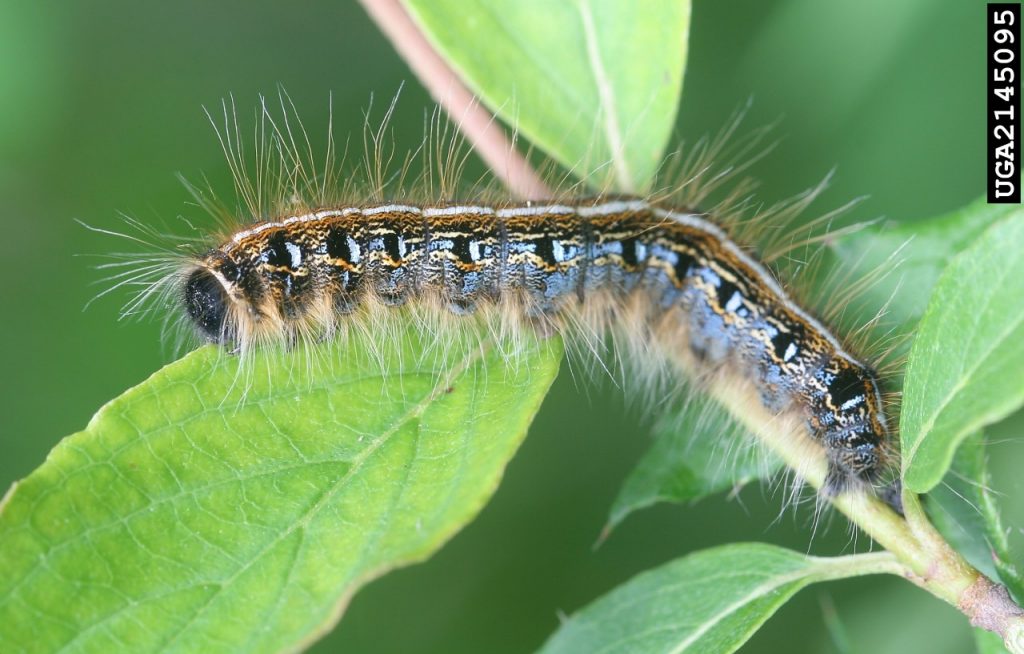
Have you ever noticed those silky tents hanging from the branches of trees and wondered what’s inside? Those tents are home to tent caterpillar moths, but what exactly do these creatures eat?
Understanding their diet is key to managing their presence and protecting your garden or trees. You’ll discover what fuels these moths at every stage of their life. Knowing this can help you make smarter choices to keep your outdoor space healthy and thriving.
Keep reading to uncover the surprising facts about what tent caterpillar moths really eat.
Tent Caterpillar Moth Diet
Tent caterpillar moths have different diets during their life stages. The larvae eat leaves while the adults feed differently. Understanding their diet helps in managing their presence.
This article explains what tent caterpillar moths eat as larvae and adults. It also lists the trees they prefer to feed on.
Larval Feeding Habits
The larval stage is when tent caterpillars eat most. They feed on leaves and can cause damage to trees. Their strong jaws help them chew through tough leaves.
Young caterpillars eat smaller leaves. As they grow, they eat larger and more leaves. They live in silk tents made in tree branches.
Adult Moth Diet
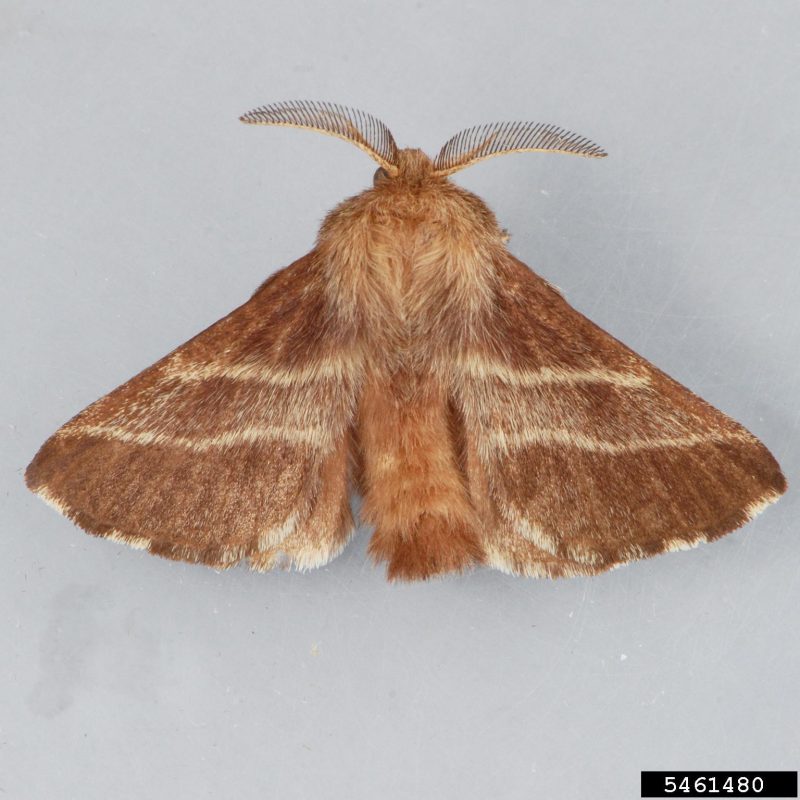
Adult tent caterpillar moths do not eat much. Their main goal is to reproduce. They have mouthparts but rarely feed on food.
Some adults may drink nectar or water, but this is not common. Most adults live only a few days.
Preferred Host Trees
Tent caterpillars prefer certain trees for feeding and making tents. They choose trees with soft leaves that are easy to eat.
- Wild cherry
- Apple
- Maple
- Crabapple
- Oak
Credit: www.gardeningknowhow.com
Feeding Behavior Patterns
Tent caterpillar moths have unique feeding habits that affect their growth. Their behavior changes depending on the time of day and social setting.
Understanding these patterns helps explain how they eat leaves and survive in their environment.
Day Vs. Night Activity
Tent caterpillar moths mostly feed during the day. They use sunlight to find leaves easier. At night, they rest inside their silk tents.
Feeding in daylight helps them avoid some predators. They stay hidden in tents when it is dark and safer.
Group Feeding Dynamics
Tent caterpillar moths eat in groups called colonies. Group feeding helps protect them from predators. They also share food sources efficiently.
Each group works together to strip leaves from trees quickly. This teamwork improves their chances to grow fast.
- Groups stay in tents during rest times
- They leave tents together to feed
- Group feeding helps them eat more leaves
- Shared feeding reduces risk from birds and insects
Nutritional Needs And Growth
Tent caterpillar moths have specific nutritional needs. These needs are crucial for their growth and development. They primarily feed on leaves, which provide essential nutrients.
These moths rely on the nutrients from leaves to progress through their life stages. Proper nutrition ensures healthy growth and successful metamorphosis.
Importance Of Leaf Selection
The selection of leaves is vital for tent caterpillar moths. Different trees offer different nutrients. Caterpillars often choose leaves from trees like cherry, apple, and oak.
These leaves provide the right mix of vitamins and minerals. This helps caterpillars to grow strong and healthy. Without proper leaf selection, their development may suffer.
Impact On Development Stages
The diet of tent caterpillar moths affects their development stages. Proper nutrition is key in every stage, from larvae to adult moths. Nutrient-rich leaves support smooth transitions.
Without adequate nutrients, caterpillars may face developmental issues. This can lead to stunted growth or failure to pupate. Ensuring a balanced diet is crucial for their life cycle.
- Larvae stage: Requires high protein for growth
- Pupal stage: Needs energy reserves for metamorphosis
- Adult stage: Focus on reproduction and dispersal

Credit: www.pubs.ext.vt.edu
Ecological Impact Of Feeding
Tent caterpillar moths eat the leaves of many trees and plants. Their feeding affects the environment in several ways.
Understanding their impact helps us see their role in nature and forest health.
Effect On Forest Health
Tent caterpillar moths can eat large amounts of leaves quickly. This can weaken trees and slow their growth.
Repeated feeding may cause some trees to lose their leaves for a season. This makes trees less healthy but rarely kills them.
- Reduces photosynthesis by removing leaves
- Weakens trees, making them more prone to disease
- Can change forest structure if outbreaks are large
Role In The Food Chain
Tent caterpillar moths serve as food for many animals. Birds, small mammals, and insects eat the caterpillars and adult moths.
This makes tent caterpillar moths an important part of the food chain. They help support other wildlife populations.
- Food source for birds like cuckoos and orioles
- Preyed upon by parasitic wasps and flies
- Supports predators that keep forest balance
Surprising Facts About Their Diet
Tent caterpillar moths have a diet that might surprise you. They eat more than just leaves. Their eating habits help them survive in tough conditions.
Learning about their food sources shows how they adapt to different environments. This helps us understand these moths better.
Unusual Food Sources
Besides eating common tree leaves, tent caterpillar moths try other unusual foods. These foods give them extra nutrients they need.
- Flower petals from wild plants
- Soft bark from young trees
- Fruits like berries when available
- Occasionally, moss found on tree trunks
- New shoots of shrubs and bushes
Adaptations To Food Scarcity
Tent caterpillar moths change their behavior when food is scarce. They have special ways to survive and grow despite challenges.
| Adaptation | How It Helps |
| Group feeding | Increases efficiency in eating tough leaves |
| Slower growth rate | Conserves energy during low food supply |
| Switch to less preferred plants | Expands available food options |
| Recycling waste | Extracts more nutrients from food |
Credit: www.pubs.ext.vt.edu
Frequently Asked Questions
What Do Tent Caterpillar Moth Larvae Eat?
Tent caterpillar moth larvae primarily feed on the leaves of deciduous trees. They prefer species like cherry, apple, and oak. The larvae consume the foliage extensively during spring, which can lead to defoliation. This feeding supports their growth until they pupate into moths.
Do Adult Tent Caterpillar Moths Eat?
Adult tent caterpillar moths do not eat. Their primary role is reproduction. After emerging from pupae, they focus on finding mates and laying eggs. The adult moths rely on energy stored from their larval stage to survive.
How Does Tent Caterpillar Diet Affect Trees?
Tent caterpillar feeding can cause significant defoliation of trees. This stress weakens the trees, reducing growth and fruit production. Severe infestations may lead to branch dieback. However, healthy trees usually recover after the caterpillars finish feeding.
Are Tent Caterpillars Selective About Their Food?
Yes, tent caterpillars are selective. They mainly target specific hardwood trees like cherry and apple. This preference helps them thrive, as these trees provide optimal nutrients. Their selective feeding influences their habitat and population distribution.
Conclusion
Tent caterpillar moths mainly eat leaves from trees like cherry and apple. Their feeding can cause visible damage, but it rarely kills trees. These moths play a role in nature by serving as food for birds and other animals. Understanding their diet helps in managing their presence in gardens and orchards.
Watching them carefully can prevent large infestations. Knowing what tent caterpillar moths eat makes it easier to protect your plants and enjoy a healthy garden. Simple steps can keep these moths under control without harming the environment.