Are you tired of losing fish because your fishing line feels loose or slack? A loose line can cost you the catch of a lifetime and make your fishing experience frustrating.
But tightening your fishing line isn’t as tricky as it sounds. With a few simple tips and tricks, you can keep your line taut and ready for action. Keep reading to discover how you can easily tighten your fishing line and improve your chances of landing that big catch today!
Choosing The Right Line
Choosing the right fishing line is essential for a successful fishing experience. The line needs to suit your fishing style and the type of fish you aim to catch.
Consider the line’s strength, thickness, and material to ensure it meets your needs. Different lines serve different purposes, so understanding these differences is key.
Types Of Fishing Lines
Fishing lines come in various types, each with unique features. Knowing these types helps you make an informed choice.
- Monofilament: Ideal for beginners and general use.
- Braided: Strong and durable, good for heavy fish.
- Fluorocarbon: Nearly invisible underwater, great for clear water.
Line Strength And Thickness
The strength and thickness of your fishing line affect how it performs. Stronger lines handle heavier fish, while thinner lines are less visible in water.
Match the line strength to the weight of the fish. Thicker lines are visible but can handle more weight.
Material Considerations
The material of the fishing line influences its performance and durability. Different materials are suited for various fishing conditions.
- Nylon: Affordable and versatile.
- Polyethylene: Strong and used in braided lines.
- Fluorocarbon: Resistant to UV light and abrasions.
Credit: www.llbean.com
Preparing Your Equipment
Tightening your fishing line starts with good preparation. You need to check your gear carefully.
Proper setup helps your line stay strong and avoids problems on the water.
Inspecting The Reel
Look at the reel for any damage or rust. Make sure it turns smoothly without noise.
Check the drag system. It should adjust easily and hold tension well.
- Clean the reel to remove dirt and salt
- Oil moving parts lightly for smooth action
- Replace worn parts if needed
Checking The Rod Guides
Examine the rod guides for cracks or bends. Damaged guides can cut your line.
Run your finger along each guide to feel for rough spots or sharp edges.
- Replace broken or bent guides
- Clean guides to remove dirt and salt
- Use a cotton swab to check for line wear spots
Setting Up The Spool
Attach the fishing line to the spool with a strong knot. Make sure it is tight.
Fill the spool evenly. Leave some space at the top to avoid line slipping off.
- Use the correct line weight for your reel
- Keep tension on the line while spooling
- Check for twists or tangles as you wind
Techniques To Tighten Line
Tightening your fishing line helps improve casting and control. It reduces slack and keeps the line ready for action.
There are several ways to tighten the line. You can use your hands, your reel, or adjust knots to get the right tension.
Manual Tightening Methods
You can tighten the fishing line by pulling it with your fingers. This is simple and works well for light tension.
Grip the line firmly and pull it away from the reel. Keep a steady pull to avoid sudden snaps or looseness.
- Hold the rod securely with one hand
- Pull the line with the other hand slowly
- Keep the line taut before casting or reeling
Using Reel Drag Systems
Most fishing reels have a drag system to adjust line tension. This system controls how much force the fish feels.
Turn the drag knob to increase or decrease tension. Tightening the drag helps keep the line firm during fights.
- Locate the drag knob on your reel
- Turn clockwise to tighten the line tension
- Turn counterclockwise to loosen tension
- Adjust based on the fish size and line strength
Adjusting Line Tension With Knots
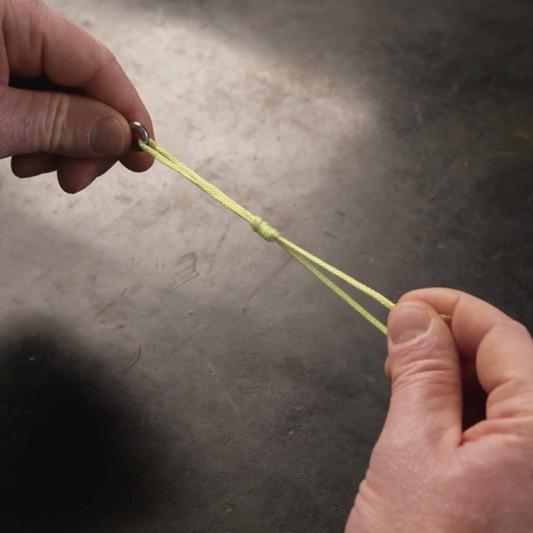
You can tighten the line by tying knots that hold the line firmly. Good knots prevent slipping and keep tension steady.
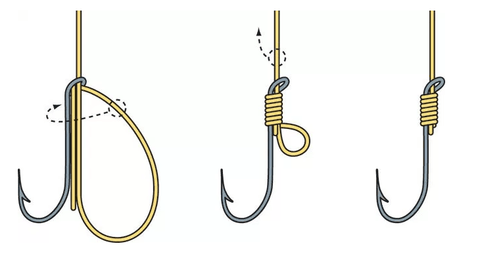
Knots like the Palomar or Improved Clinch knot keep the line tight on hooks or lures.
- Make sure the knot is snug before tightening
- Wet the knot to reduce friction when pulling tight
- Pull the knot slowly to secure it
- Trim excess line close to the knot
Maintaining Proper Tension
Keeping the fishing line tight is important for better control and fewer tangles. Proper tension helps you feel bites and improves casting accuracy.
To maintain the right tension, you must avoid slack, care for your reel, and handle line stretch properly. Each step is key for a smooth fishing experience.
Avoiding Line Slack
Line slack can cause missed bites and tangles. Keep the line tight by holding the rod tip up and reeling in slowly after each cast.
- Always keep slight tension on the line
- Reel in gently when the line loosens
- Check your drag setting to avoid too much slack
- Use your fingers to feel the line for slack during fights
Reel Maintenance Tips
A clean and well-oiled reel keeps the line moving smoothly. Dirt and rust can cause drag and make tension control hard.
| Maintenance Task | How Often | Purpose |
| Clean reel exterior | After each use | Remove dirt and debris |
| Lubricate moving parts | Monthly | Keep reel smooth |
| Check line roller | Monthly | Prevent line twist |
| Inspect drag system | Every 3 months | Ensure proper tension |
Handling Line Stretch
Fishing lines stretch over time, which can reduce tension. Nylon lines stretch more than braided lines. Adjust your drag to compensate for stretch.
Tips to manage line stretch:
- Check line stretch by pulling it tight before fishing
- Replace old or overly stretched lines
- Tighten the drag to match the line’s stretch level
- Use braided line for less stretch and better sensitivity
Troubleshooting Common Issues
Tightening your fishing line is key to a good catch. Sometimes, the line can cause problems that stop you from fishing well. Fixing these issues helps keep your line strong and ready.
Below, we look at three common problems and how to fix them. These tips will help you keep your fishing line tight and working right.
Dealing With Line Twist
Line twist happens when the line spins and tangles. It can make casting hard and cause knots. To stop line twist, check your reel and how you spool the line. Use a swivel to reduce twisting. Also, avoid overfilling the spool with line.
Fixing Loose Line Problems
Loose line can cause slack and missed catches. Tighten the line by adjusting the drag on your reel. Make sure the line is wound tightly on the spool. You can follow these steps to fix loose line:
- Check the reel’s drag setting and tighten it slightly.
- Remove any slack by pulling the line firmly.
- Rewind the line evenly on the spool to avoid loose spots.
- Test the line tension by pulling it gently before casting.
Preventing Line Breakage
Line breakage wastes time and can lose fish. Avoid breakage by using the right line strength and checking for damage. Sharp hooks or rough surfaces can cut your line. Keep your line clean and replace it when worn.
| Cause | Prevention |
|---|---|
| Old or worn line | Replace line regularly |
| Sharp edges on hooks | Use smooth hooks and check for burrs |
| Excessive tension | Adjust drag and avoid sudden pulls |
| Line rubbing on rough surfaces | Keep line away from rocks and debris |
Credit: www.amazon.com

Credit: www.boatsales.com.au
Frequently Asked Questions
How Do I Properly Tighten Fishing Line On A Reel?
To tighten fishing line, first secure the line on the reel spool. Then, use the reel’s drag system to adjust tension. Finally, pull the line firmly to remove slack, ensuring it is evenly wound for smooth casting and retrieval.
Why Is My Fishing Line Loose Or Slack?
Loose fishing line often results from improper spooling or tension. It can cause poor casting accuracy and tangles. Regularly check line tension and adjust the reel drag to maintain optimal tightness for better control and fewer snags.
Can Tightening Fishing Line Improve Casting Distance?
Yes, tightening the line reduces slack, allowing smoother casts. Proper tension prevents line tangles and improves control. This results in longer, more accurate casts and better overall fishing performance.
What Tools Help In Tightening Fishing Line Efficiently?
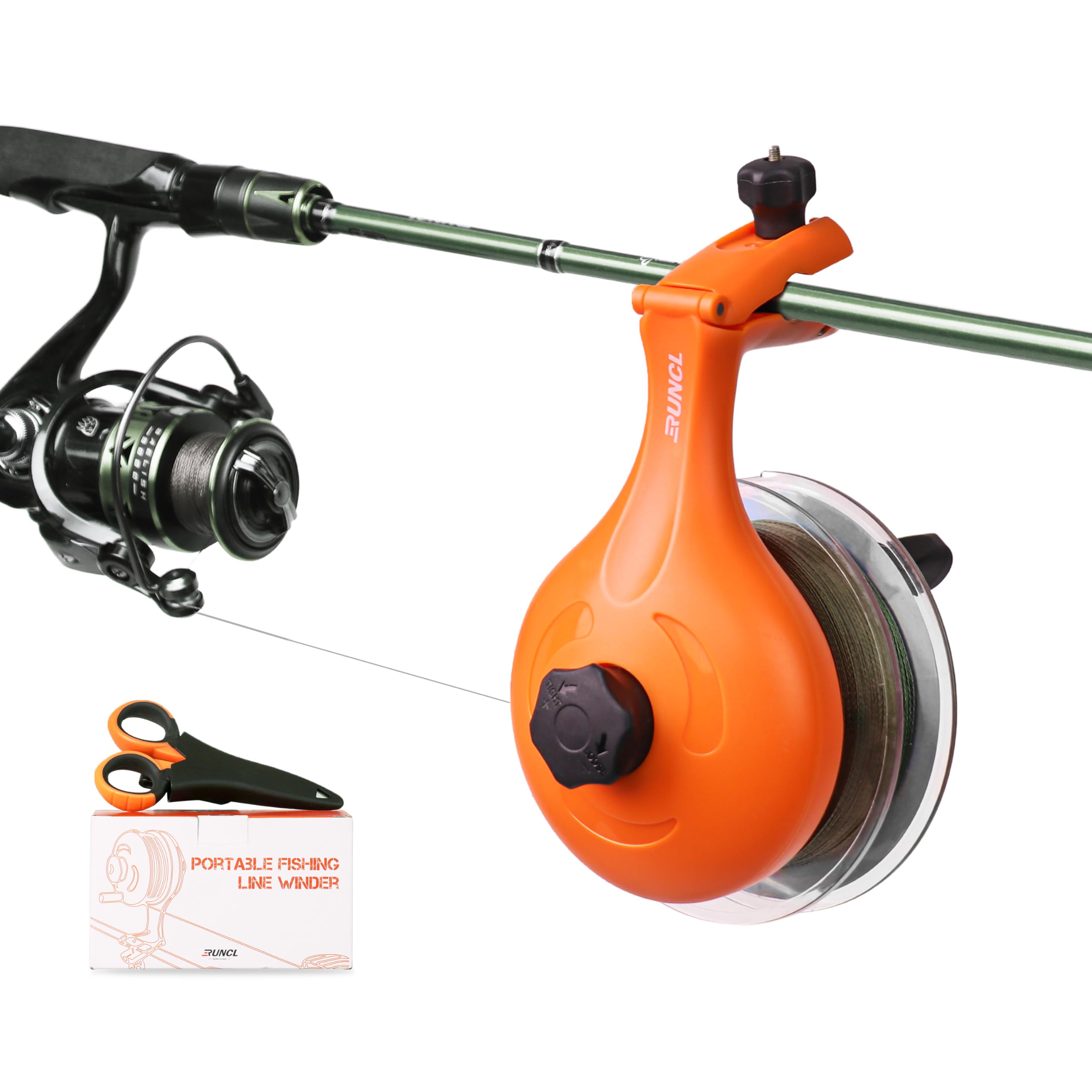
Using a fishing line tensioner or a line spooler helps maintain consistent tension. These tools prevent slack during spooling, ensuring the line is tight and evenly wound on the reel for optimal fishing results.
Conclusion
Tightening your fishing line helps catch more fish and prevents line tangles. Always check your line’s tension before casting. Use simple tools or your hands to adjust the tightness. Practice makes it easier and faster to tighten properly. Keep your fishing gear ready and your line strong.
Enjoy your fishing trips with better control and less hassle. Small steps lead to better results on the water. Keep learning and improving your fishing skills every time.